Artwork
Christ Dying on the Cross
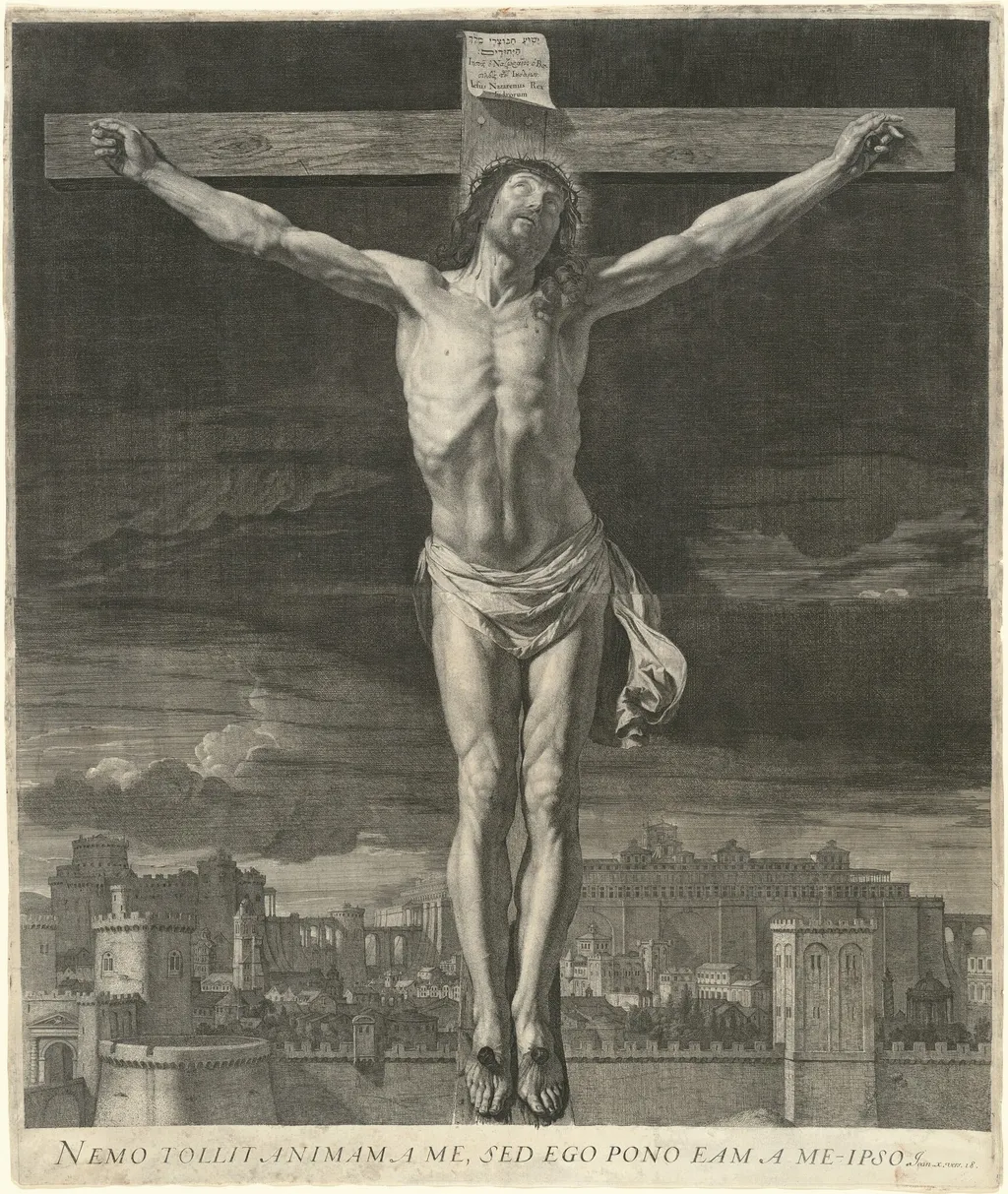
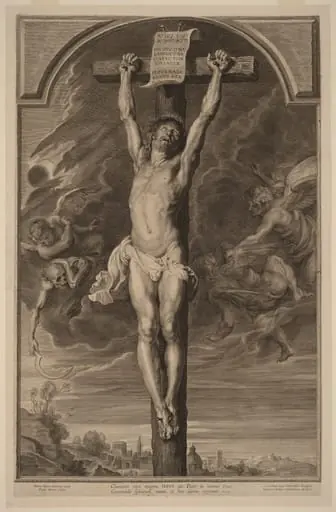
Christ Dying on the Cross is an ink print by the Baroque artist Jean Morin. It dates from 1650 and is held in the collection of the National Gallery of Art.
About this work
Overview
Created around 1650, *Christ Dying on the Cross* is an etching by Jean Morin, a French artist active in printmaking and publishing.
Created around 1650, *Christ Dying on the Cross* is an etching by Jean Morin, a French artist active in printmaking and publishing. The work consists of two plates printed on separate sheets of laid paper, assembled to form a single composition. Morin, who died in the same year the print was produced, was recognized for his technical experimentation, particularly in combining etching with engraving to achieve nuanced tonal effects.
Subject & Meaning
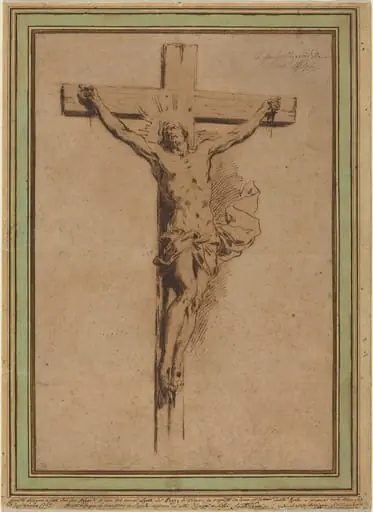
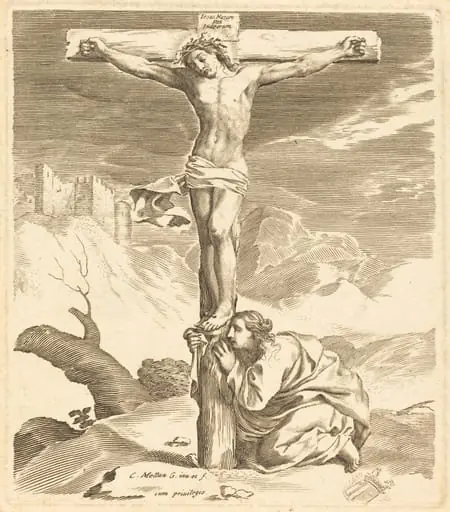
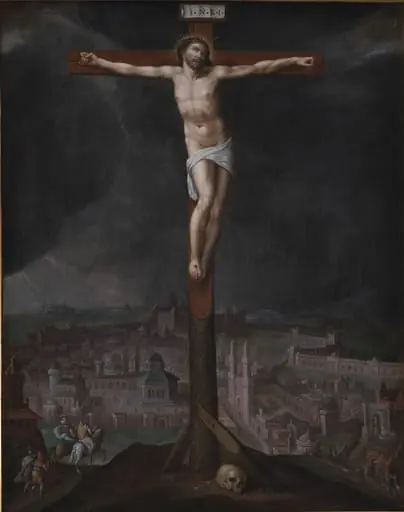
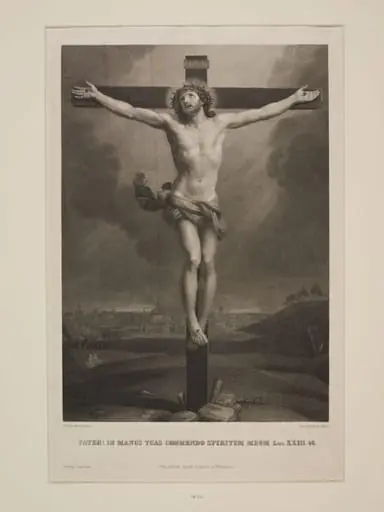
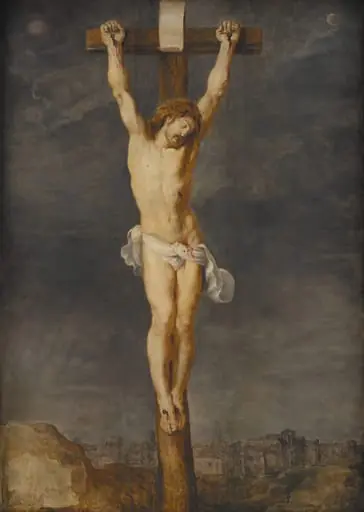
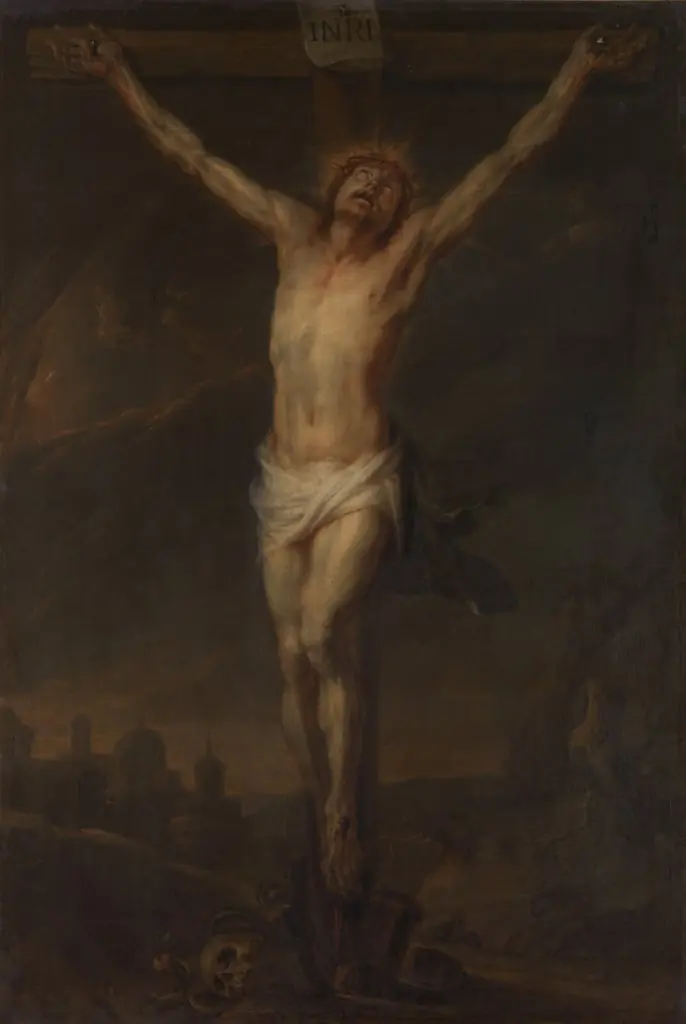
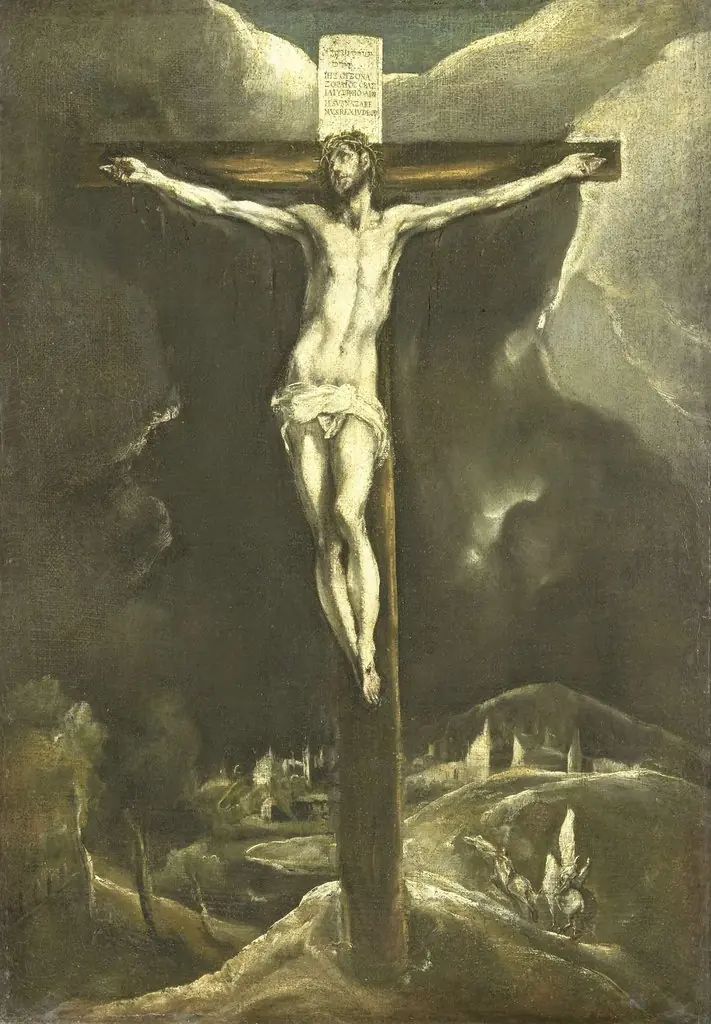
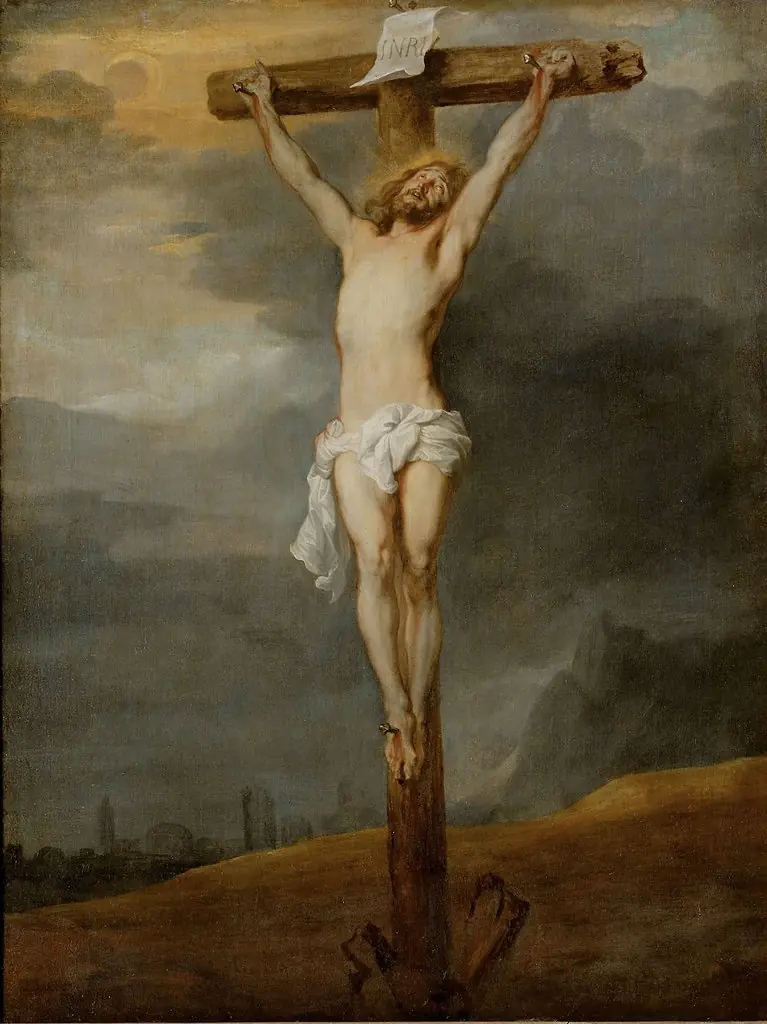
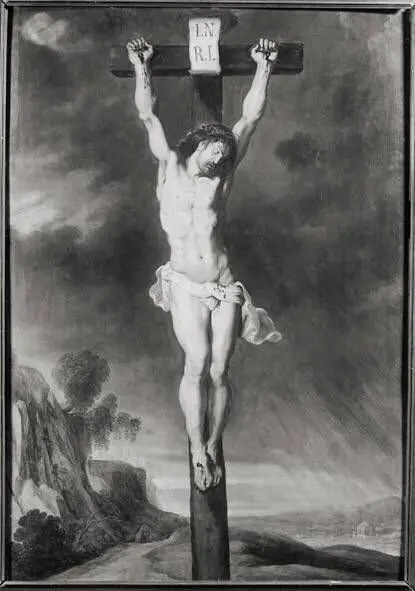
The image depicts Christ on the cross, his body limp, head tilted backward, clad only in a loincloth and crowned with thorns. The scene is stripped of overt narrative elements, focusing instead on the physical and spiritual weight of death. The somber mood and absence of witnesses emphasize solitude and sacrifice, aligning with contemplative devotional practices of the period.
Technique & Style
Morin employed a dual-plate etching process to layer subtle gradations of light and shadow. Chiaroscuro is used deliberately to model Christ’s form and heighten emotional intensity, while the background cityscape and darkened sky recede into muted tones. The precision of line and atmospheric depth reflect his mastery of etching, distinguishing his work from more linear engraving traditions of the time.
History & Provenance
The print was produced shortly before Morin’s death in 1650, during a period when French printmaking was expanding beyond reproductive work into original compositions. Few impressions survive, and those that do are held in institutional collections. Its production coincided with Morin’s efforts to elevate printmaking as an independent art form, rather than a subsidiary to painting.
Context
Created in mid-17th century France, the work emerged amid Counter-Reformation religious fervor, where visual depictions of Christ’s Passion served as tools for spiritual reflection. Morin’s approach, less theatrical than Italian Baroque equivalents, reflects a quieter, more introspective French aesthetic, aligned with the devotional climate fostered by figures like Saint Vincent de Paul.
Legacy
Morin’s technical innovations in combining etching and engraving influenced later French printmakers seeking greater tonal control. While not widely reproduced in his lifetime, his methods contributed to the evolution of printmaking as a medium capable of conveying emotional depth. His *Christ Dying on the Cross* remains a rare example of his personal, restrained interpretation of a widely depicted subject.
Artist & collection
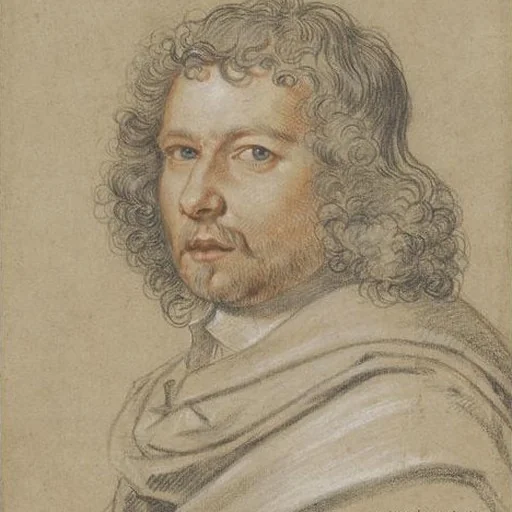
Artist
Jean Morin (c.1595 or 1605 – 1650) was a French baroque painter, printmaker, painter, etcher, engraver and publisher.