Artwork
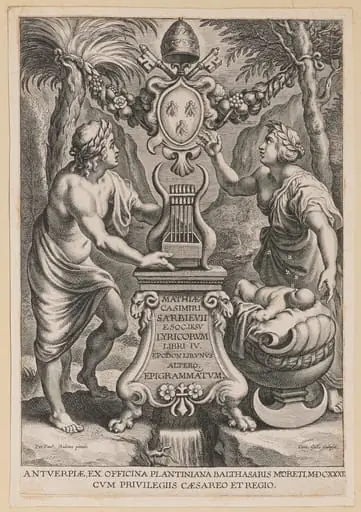
Title Page for M.C. Sarbievski, Lyricorum Libri IV
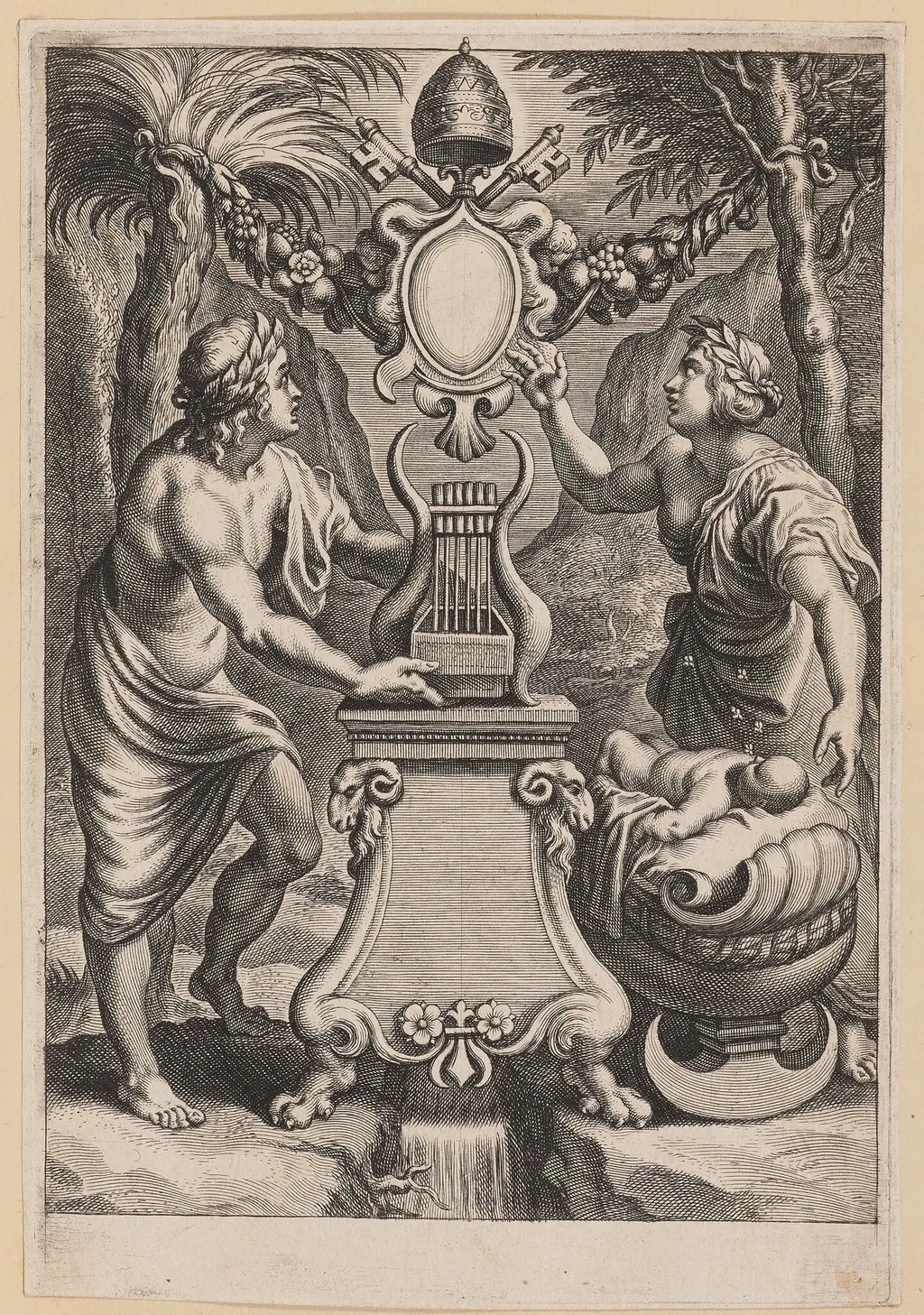
Title Page for M.C. Sarbievski, Lyricorum Libri IV is an ink print by the Baroque artist Cornelis Galle I. It dates from 1632 and is held in the collection of the National Gallery of Art. Created in 1632, this engraving served as the title page for M.
About this work
One figure points toward the mirror while the other looks down, and both are surrounded by swirls, feathers, and flowers that fill the space.
This black-and-white print shows two draped figures kneeling on either side of a fancy pedestal. The pedestal holds a round mirror framed by a dome and crossed keys—like something you’d see on a coat of arms. One figure points toward the mirror while the other looks down, and both are surrounded by swirls, feathers, and flowers that fill the space.
The dome and keys are symbols often linked to the Vatican. This print was made in 1632 as the title page for a book of poems, blending art and text in one image.
Try looking up engraving to see how artists like this created detailed prints with just ink and metal.
Overview
Created in 1632, this engraving served as the title page for M.C. Sarbievski’s *Lyricorum Libri IV*. Executed by Cornelis Galle the Elder on laid paper, it is a proof state prior to the addition of printed lettering. The image stands as a standalone graphic, designed to introduce the poetic collection with symbolic gravitas rather than mere decoration.
Subject & Meaning
Two draped figures kneel beside a central pedestal bearing a mirrored disc enclosed by a dome and crossed keys. One gestures toward the mirror, while the other gazes downward. The dome and keys allude to papal authority, suggesting a fusion of spiritual and literary reflection. The surrounding ornamental scrolls and floral motifs frame the scene as an allegory of contemplation, linking poetic creation with divine insight.
Technique & Style
Cornelis Galle employed fine, controlled lines typical of Northern European engraving, achieving texture and depth through precise hatching and cross-contouring. The composition balances intricate detail with spatial clarity, demonstrating his training under his father Philip and his exposure to Italian Renaissance aesthetics. The absence of tone or shading emphasizes the linear precision characteristic of his mature style.
History & Provenance
Born in Antwerp in 1576, Galle trained in his father’s workshop and later studied in Rome, where he absorbed classical and ecclesiastical visual languages. Upon returning to Antwerp, he worked as both engraver and printseller, producing plates for literary and religious texts. This proof, unmarked by final lettering, likely served as a trial impression for the publisher before the book’s printing run.
Context
In early 17th-century Antwerp, engraved title pages were common in scholarly and poetic publications, blending visual symbolism with textual authority. Galle’s work reflects the period’s fusion of humanist learning and Catholic iconography. The use of papal emblems in a secular poetry volume signals the cultural prestige of Latin verse and the Church’s enduring influence on intellectual life.
Legacy
Galle’s engraving exemplifies the high standard of Antwerp’s print culture during its golden age. Though not widely reproduced, this piece remains a testament to the collaborative nature of book production, where engravers shaped the visual identity of literary works. His technical discipline influenced later generations of printmakers in the Low Countries.
Artist & collection

Artist
Cornelis Galle the Elder (1576 – 29 March 1650), a younger son of Philip Galle, was born at Antwerp in 1576, and was taught engraving by his father.

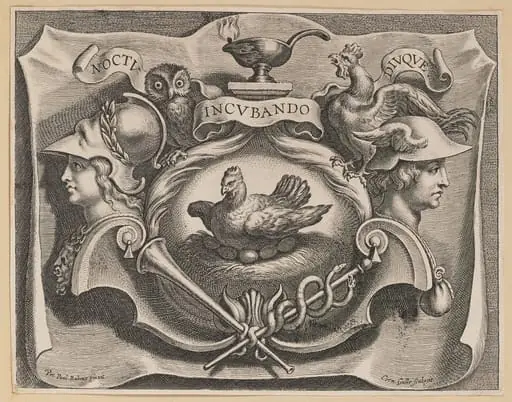 Vignette for the Title Page of Martinus Bonacina, Opera Omnia
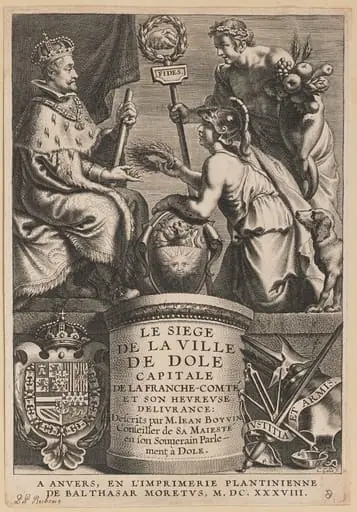 Title Page for Jean Boyvin, Le Siege de la Ville de Dole
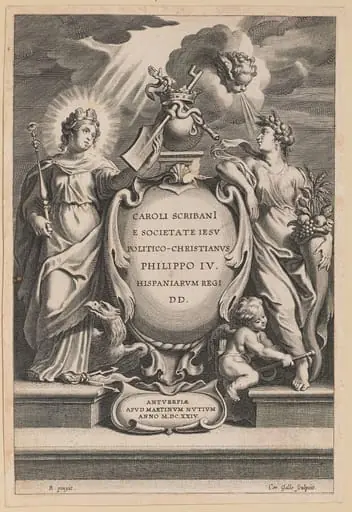 Title Page for Carolus Scribani, Politico-Christianus
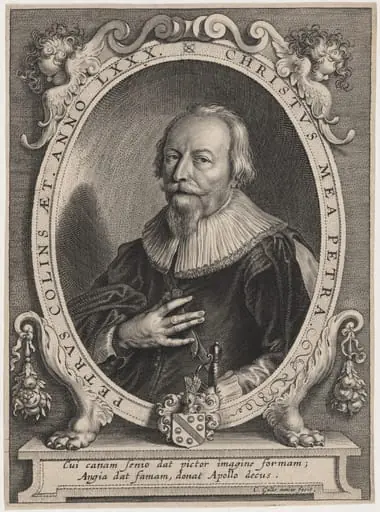 Petrus Collins
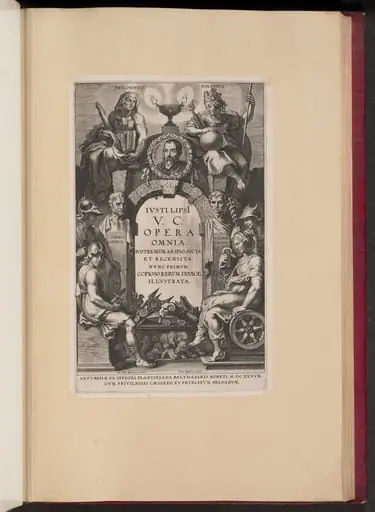 Title Page for Justus Lipsius, Opera Omnia, I
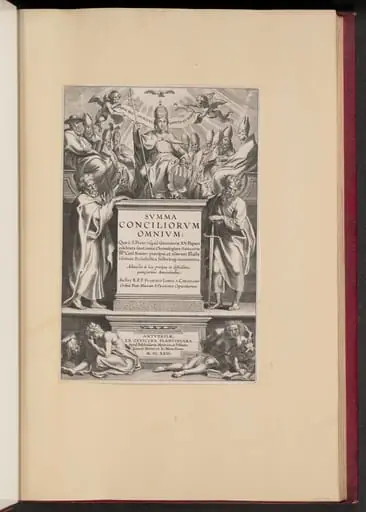 Title Page for F. Longo a Coriolano's "Svmma Conciliorvm Omnivm"
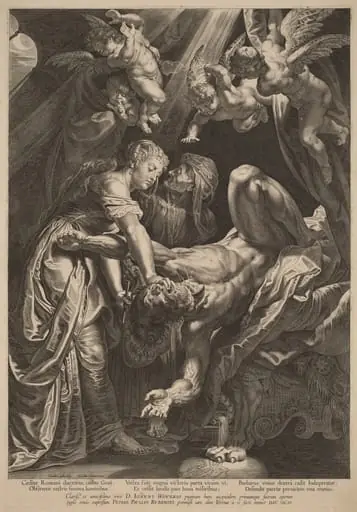 Judith Beheading Holofernes
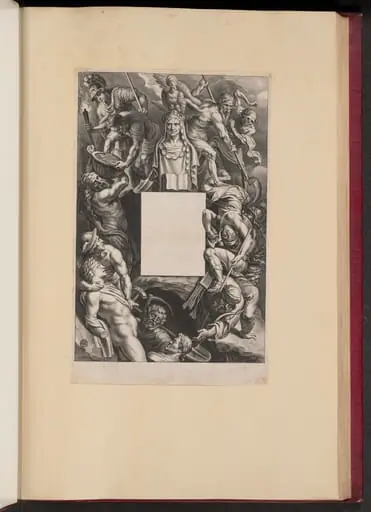 Title Page for Hubert Goltzius, Romanae et Graecae Antiqvitatis Monvmenta (Opera Omnia, I)
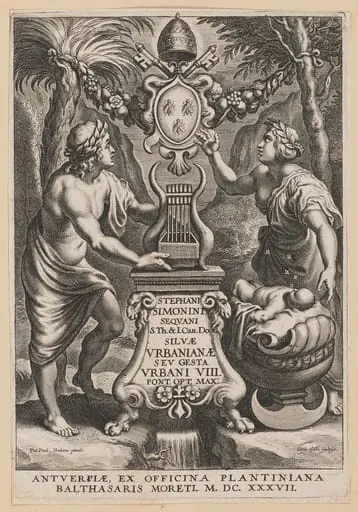 Title Page for Stephanus Simonini, Silvae Urbaninae
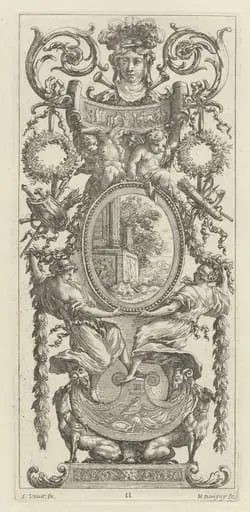 Ornamental Panel Surmounted with a Head Flanked by Foliage
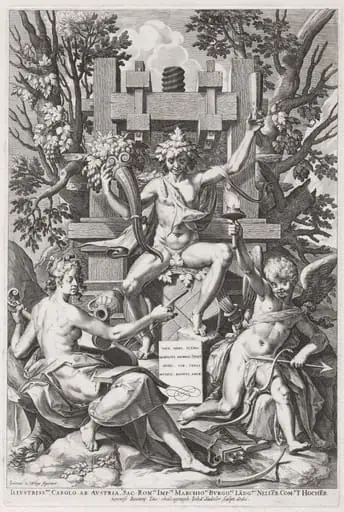 Bacchus Seated on a Barrel between Amor and Music
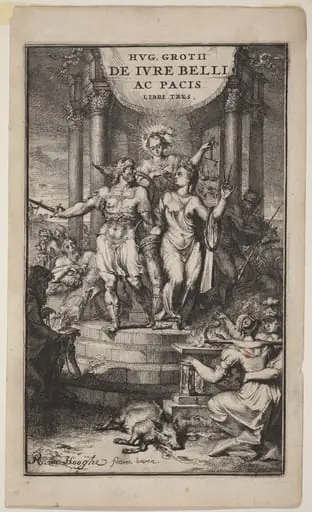 Law of War and Peace
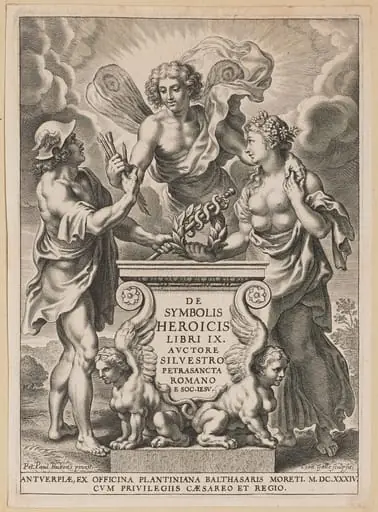 Title Page for Silvester Pietrasanta, De Symbolis Heroicis
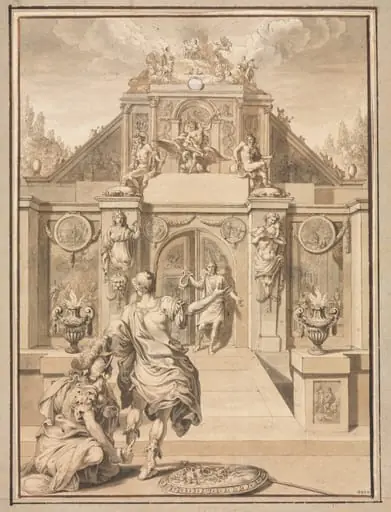 Perseus and Minerva before a Temple
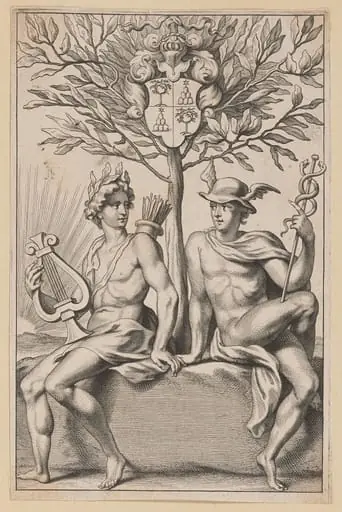 Title Page for Philomathi Musae Juveniles
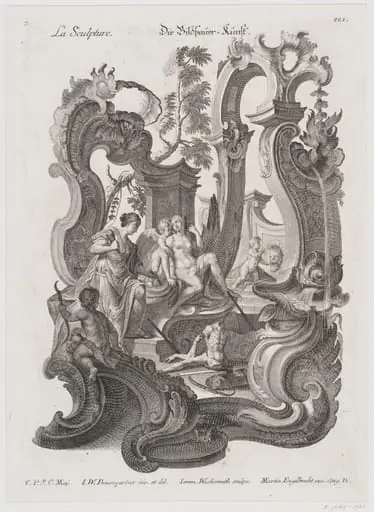 The Seven Liberal Arts
![Renouvellement d'Alliance avec les Suisses 1663 (Renewal of Alliance with the Swiss 1663) [pl. 18], by Jean-Baptiste Massé](https://artifactworldgallery.com/img/jean-baptiste-masse--renouvellement-d-alliance-avec-les-suisses-1663-renewal-of-a--b0549fa383211be6-w320.webp) Renouvellement d'Alliance avec les Suisses 1663 (Renewal of Alliance with the Swiss 1663) [pl. 18]
Renouvellement d'Alliance avec les Suisses 1663 (Renewal of Alliance with the Swiss 1663) [pl. 18]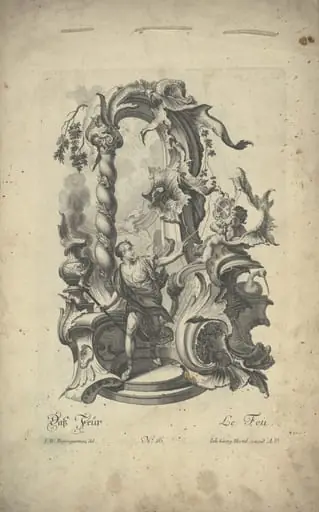 Das Feur
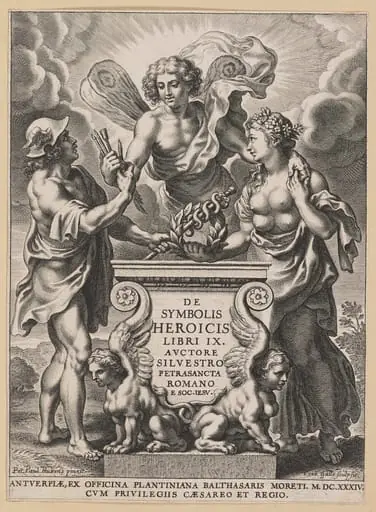 Title Page for Silvester Pietrasanta, De Symbolis Heroicis
 Title Page for M.C. Sarbievski, Lyricorum Libri IV