Artwork
Title Page for Silvester Pietrasanta, De Symbolis Heroicis
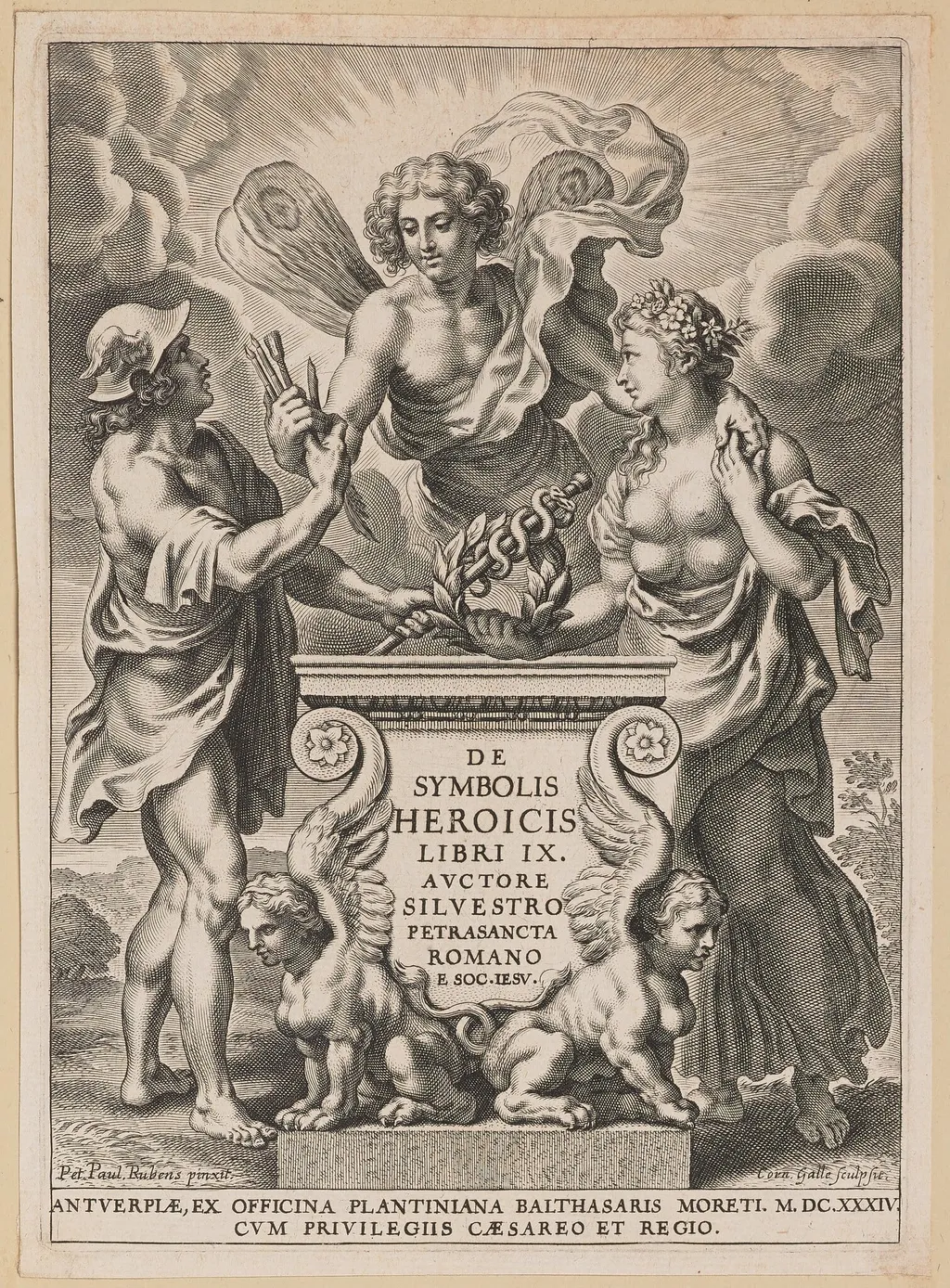
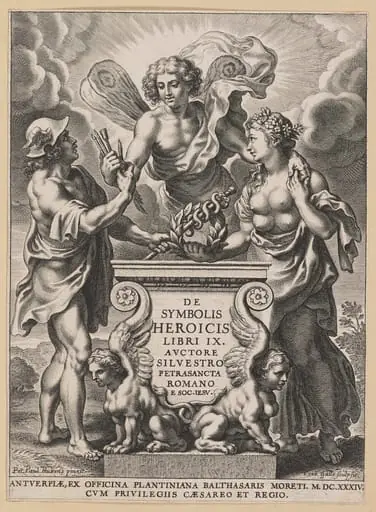
Title Page for Silvester Pietrasanta, De Symbolis Heroicis is an ink print by the Baroque artist Cornelis Galle I. It dates from 1634 and is held in the collection of the National Gallery of Art. Created in 1634, this engraved title page was produced by Cornelis Galle the Elder for Silvester Pietrasanta’s treatise on heroic symbols.
About this work
Overview
Created in 1634, this engraved title page was produced by Cornelis Galle the Elder for Silvester Pietrasanta’s treatise on heroic symbols.
Created in 1634, this engraved title page was produced by Cornelis Galle the Elder for Silvester Pietrasanta’s treatise on heroic symbols. Executed in black ink on laid paper, the print serves as the frontispiece to a scholarly work on allegorical imagery. Galle, trained in Antwerp and Rome, employed fine linear engraving to render intricate details, characteristic of early 17th-century Northern European printmaking traditions.
Subject & Meaning
The composition centers on three winged figures gathered around a pedestal, with the central figure holding a scroll and staff—symbols of authority and knowledge. The flanking figures direct attention toward the scroll, suggesting the transmission of symbolic wisdom. Below, winged lions flank a heraldic shield, reinforcing themes of nobility and tradition. The imagery functions as a visual prologue to Pietrasanta’s exploration of heroic allegory in Renaissance thought.
Technique & Style
Galle used fine, controlled engraving lines to build texture and depth across the entire surface. The intricate cross-hatching and delicate stippling create tonal variation without color, relying on contrast and precision. The dense, meticulous rendering of drapery, feathers, and architectural elements reflects the influence of Italian Mannerist engraving, while the composition adheres to Northern European conventions of scholarly book illustration.
History & Provenance
Cornelis Galle the Elder, son of the prominent engraver Philip Galle, worked in Antwerp after years in Rome, where he absorbed classical motifs and technical methods. This print was made for publication by the Antwerp printer, likely as part of a series of scholarly frontispieces. It was produced during a period when engraved title pages were standard in humanist publications, serving both decorative and authoritative functions.
Context
In the early 1600s, printed books on classical symbolism were gaining traction among educated elites. Title pages like this one were designed to signal the intellectual weight of the content within. Galle’s work aligns with broader trends in Antwerp’s print culture, where artists collaborated with scholars and publishers to produce visually rich, text-integrated images that bridged art and humanist learning.
Legacy
Galle’s engraving exemplifies the high standard of reproductive and illustrative printmaking in the Southern Netherlands. His precise technique influenced later generations of engravers working in academic and devotional contexts. Though the original publication is now rare, surviving impressions remain important for understanding how visual symbolism was employed to legitimize scholarly discourse in the early modern period.
Artist & collection

Artist
Cornelis Galle the Elder (1576 – 29 March 1650), a younger son of Philip Galle, was born at Antwerp in 1576, and was taught engraving by his father.

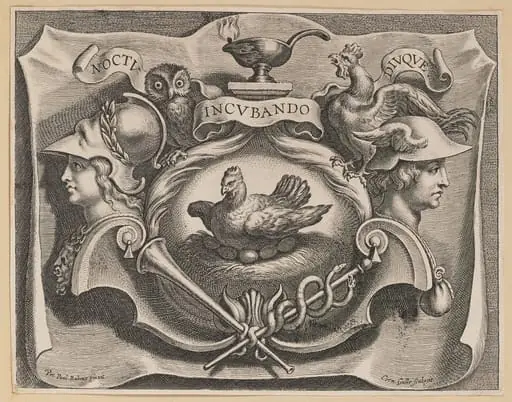 Vignette for the Title Page of Martinus Bonacina, Opera Omnia
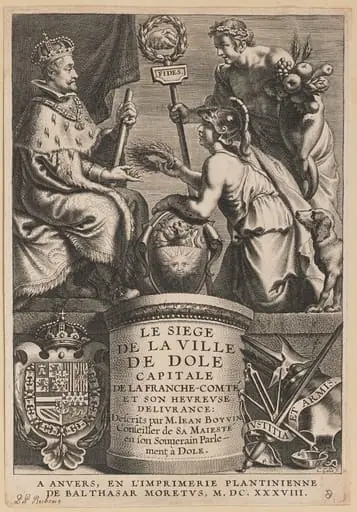 Title Page for Jean Boyvin, Le Siege de la Ville de Dole
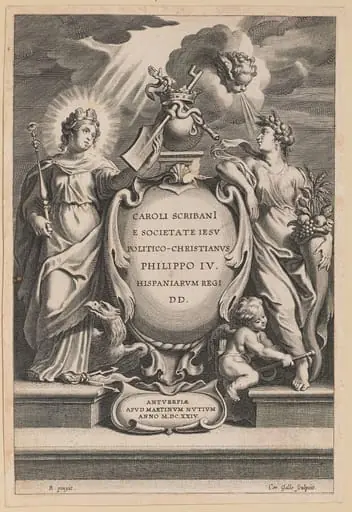 Title Page for Carolus Scribani, Politico-Christianus
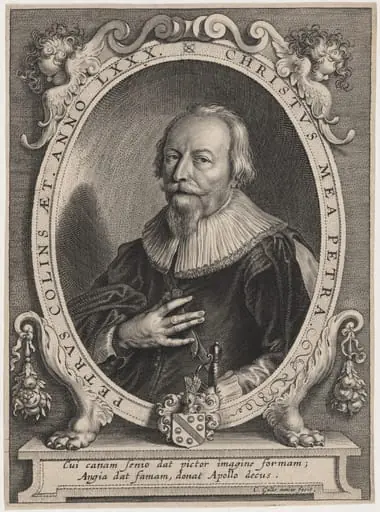 Petrus Collins
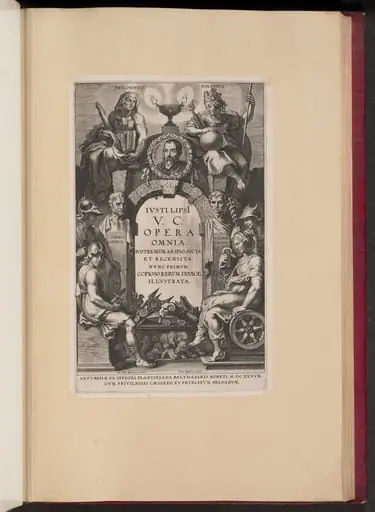 Title Page for Justus Lipsius, Opera Omnia, I
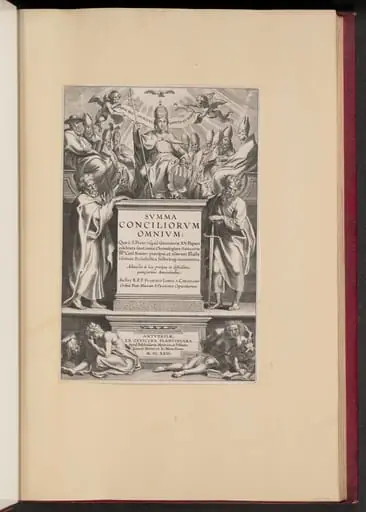 Title Page for F. Longo a Coriolano's "Svmma Conciliorvm Omnivm"
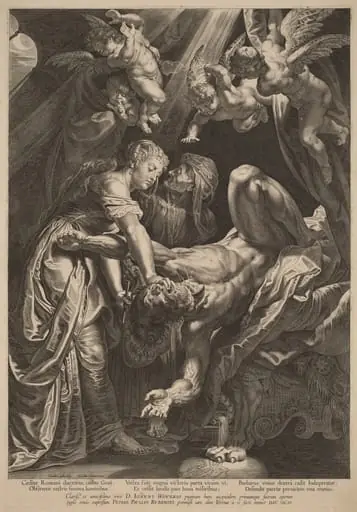 Judith Beheading Holofernes
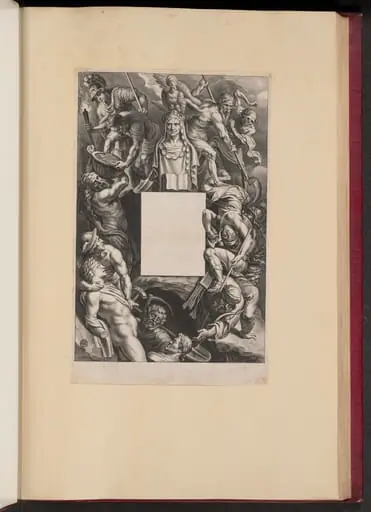 Title Page for Hubert Goltzius, Romanae et Graecae Antiqvitatis Monvmenta (Opera Omnia, I)
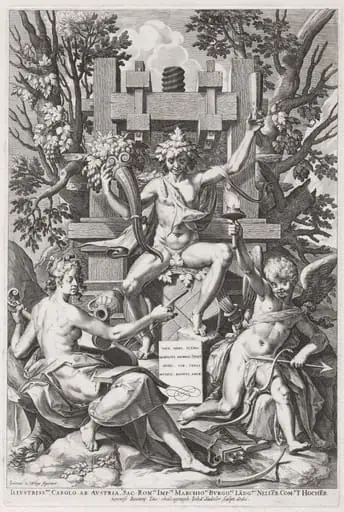 Bacchus Seated on a Barrel between Amor and Music
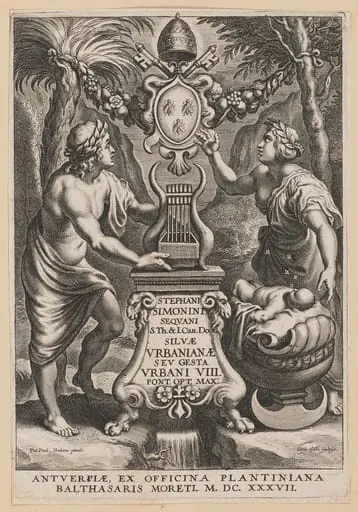 Title Page for Stephanus Simonini, Silvae Urbaninae
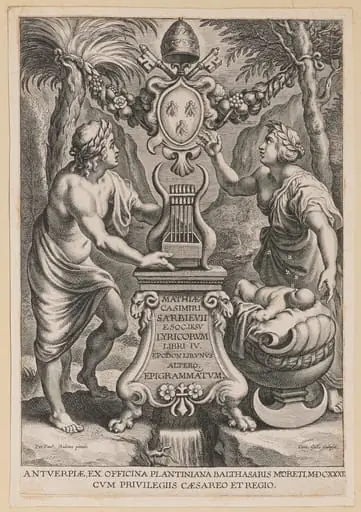 Title Page for M.C. Sarbievski, Lyricorum Libri IV
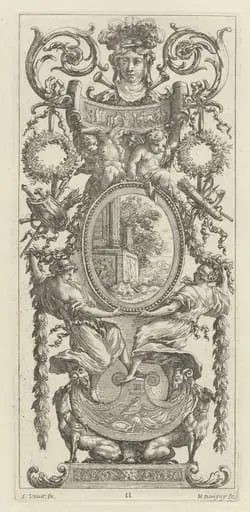 Ornamental Panel Surmounted with a Head Flanked by Foliage
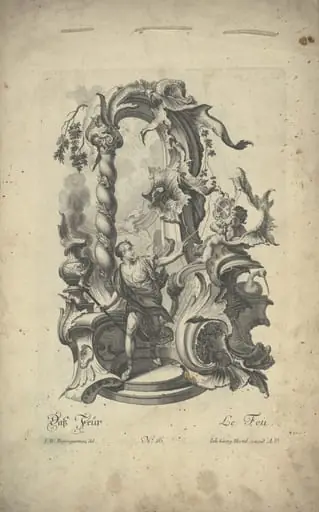 Das Feur
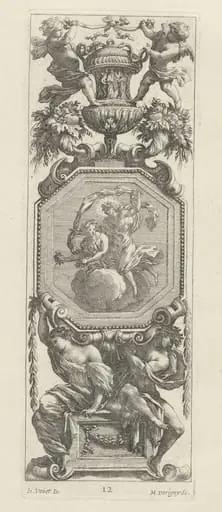 Ornamental Panel Surmounted by Two Putti and a Vase
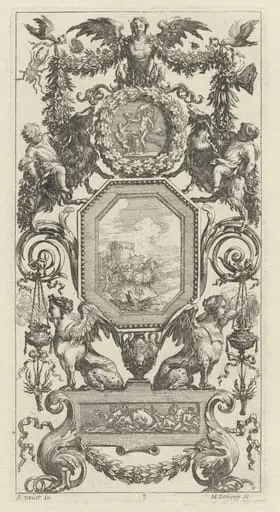 Ornamental Panel Surmounted by a Winged Harpy
 Title Page for Philomathi Musae Juveniles
 Law of War and Peace
 Title Page for M.C. Sarbievski, Lyricorum Libri IV
 Emblem with Hope, Tribulation, Envy, and Tolerance
 Title Page for Silvester Pietrasanta, De Symbolis Heroicis