Artwork
Ser, Sive Sericus Vermis (Silk, or the Silkworm)
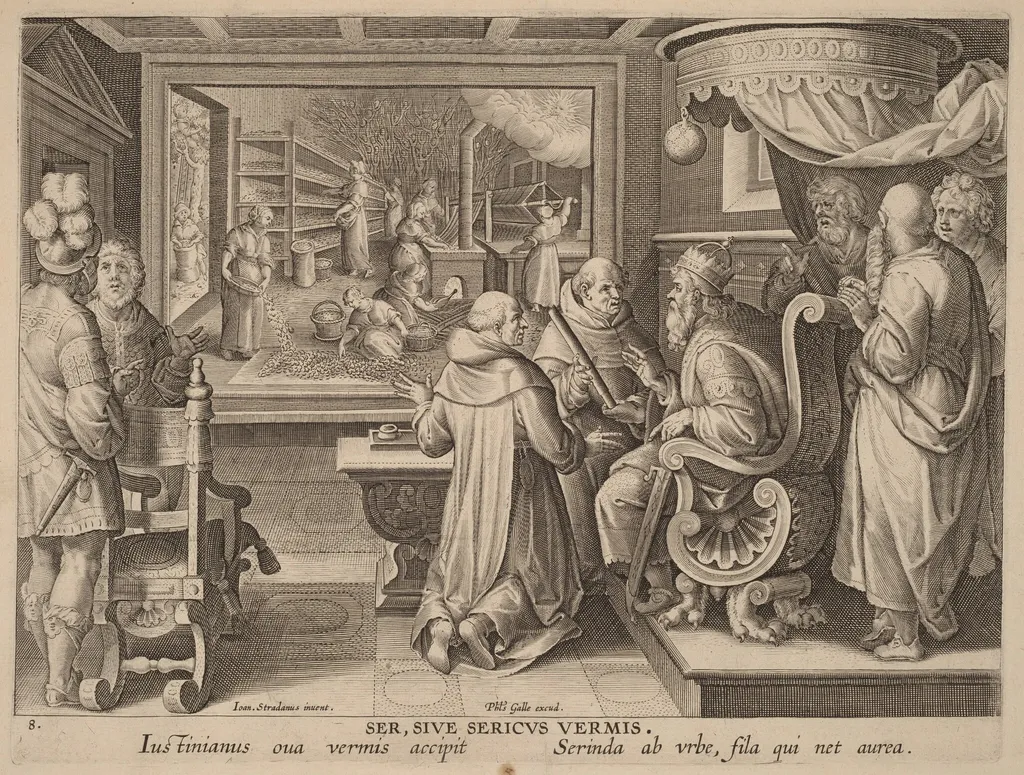
Ser, Sive Sericus Vermis (Silk, or the Silkworm) is an ink print by the Renaissance artist Philip Galle. It dates from 1592 and is held in the collection of the National Gallery of Art.
About this work
Overview
Ser, Sive Sericus Vermis (Silk, or the Silkworm) is an engraving on laid paper created by Philip Galle around 1592. It is a representative work by Galle, a Dutch engraver and publisher active during the 16th and early 17th centuries.
Subject & Meaning
The engraving depicts a scene related to the life cycle of silkworms and silk production. The title suggests a connection to sericulture, but the exact narrative is not immediately clear from the image alone.
Technique & Style
The black-and-white engraving showcases Galle's skillful use of fine lines to create detailed textures and shading, giving the scene a sense of depth. The level of detail achieved through engraving techniques is evident in the rendering of the figures, objects, and the workshop setting.
Context
As a printmaker, Galle was known for producing reproductive prints of old master paintings as well as his own designs. This work reflects his engagement with various subjects, including those related to everyday life and industry, such as sericulture.
Artist & collection
Artist
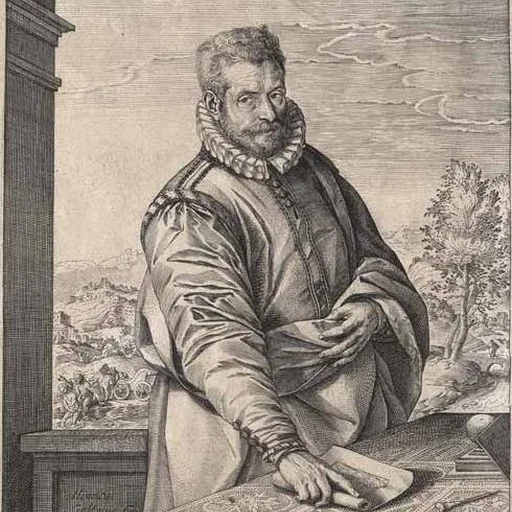
Philip (or Philips) Galle (1537 – March 1612) was a Dutch publisher, best known for publishing old master prints, which he also produced as designer and engraver. He is especially known for his reproductive engravings of paintings.

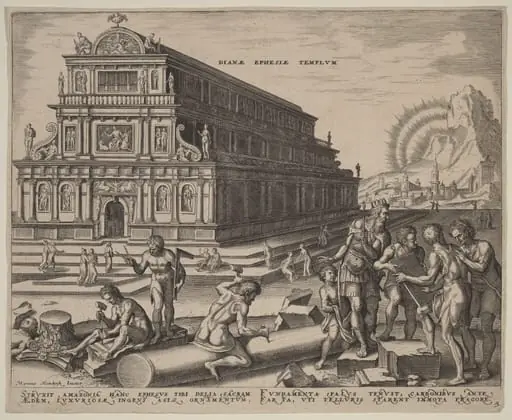 Dianae Ephesiae Templum (The Temple of Diana at Ephesus)
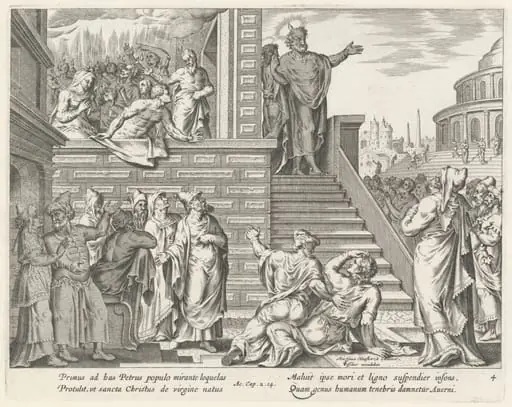 Saint Peter Speaks to the People about Christ
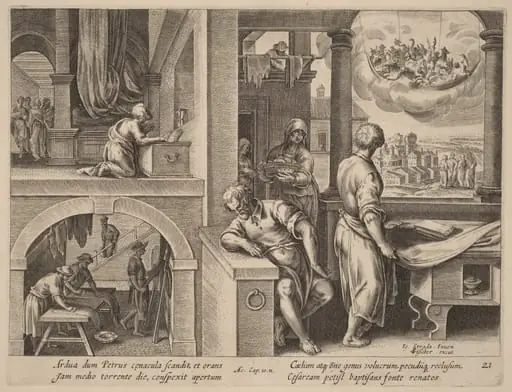 The Vision of Saint Peter
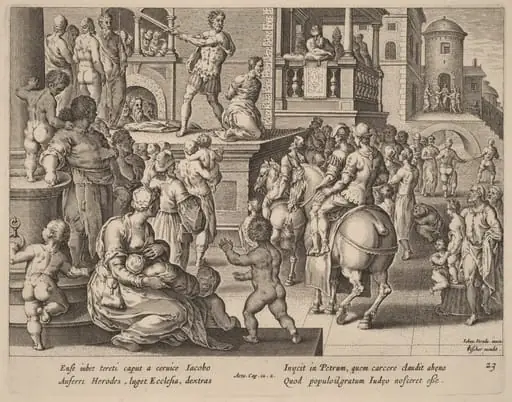 Beheading of Saint James
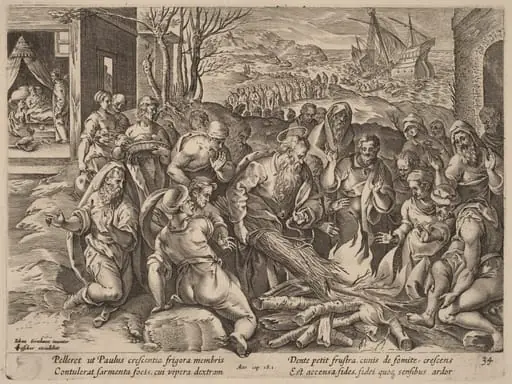 Saint Paul Shipwrecked on the Island of Melita
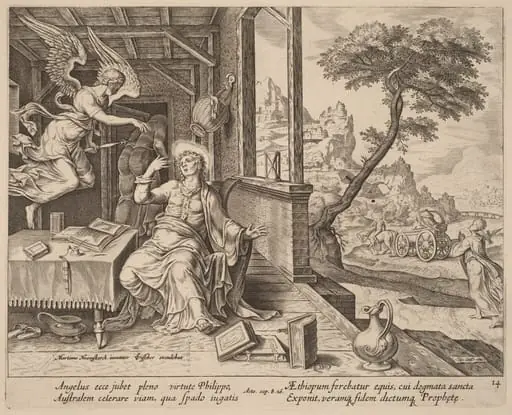 The Angel Orders Saint Philip to Accompany the Ethiopian Eunuch
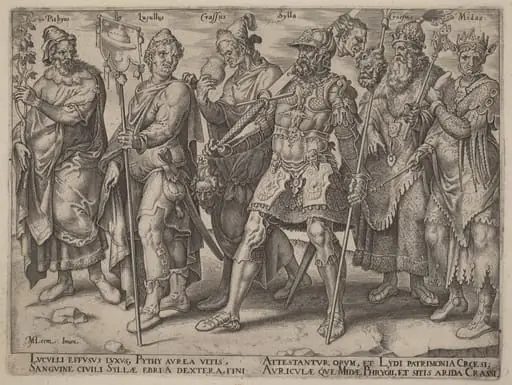 Notorious Examples of Wealth from Antiquity
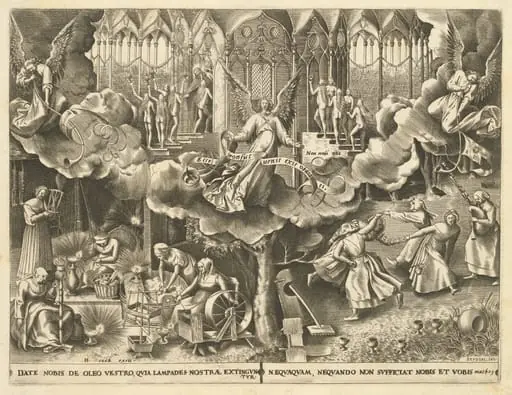 The Parable of the Wise and Foolish Virgins
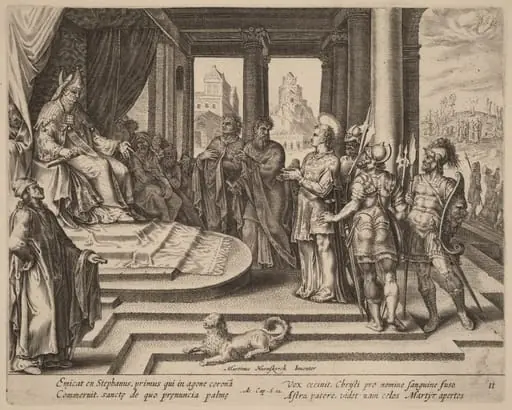 Saint Stephen before the Council
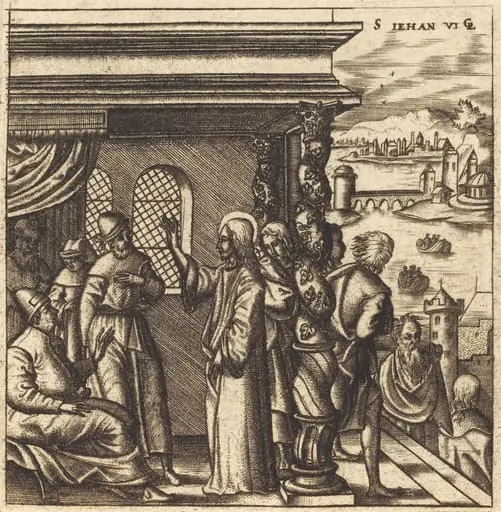 Christ Teaching in the Synagogue
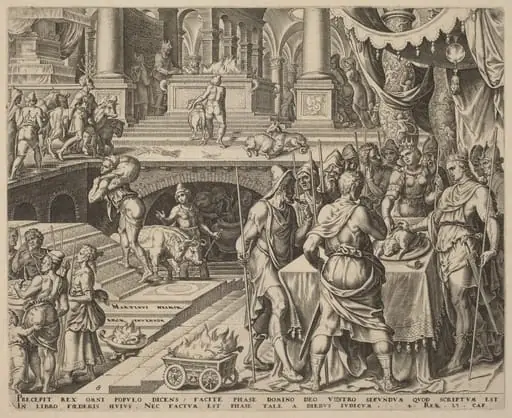 Josiah Celebrating Passover
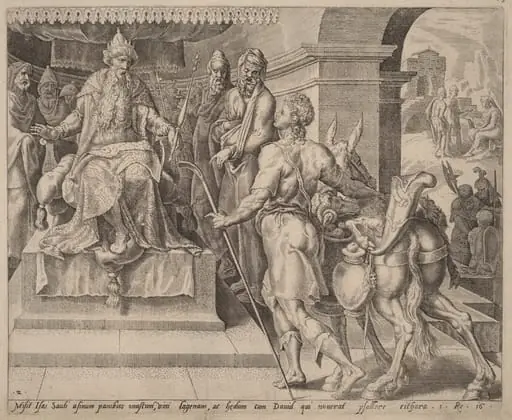 David Bringing Presents from His Father to Saul
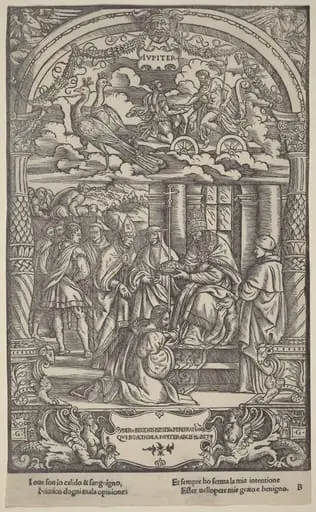 Jupiter
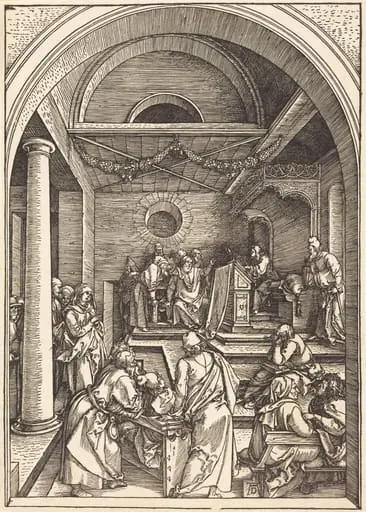 Christ among the Doctors
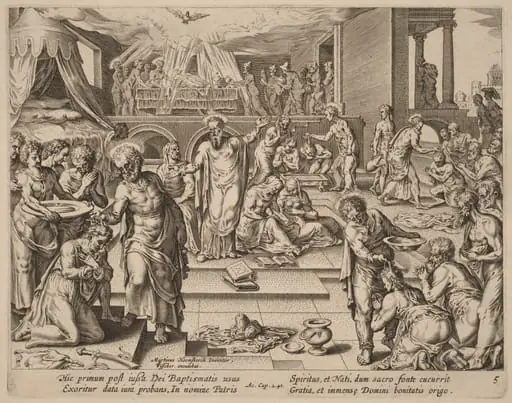 Many are Baptized
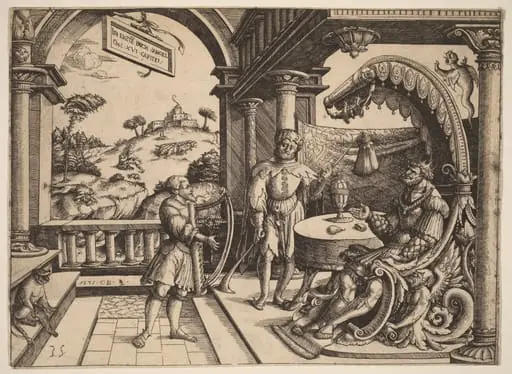 David Playing the Harp before Saul
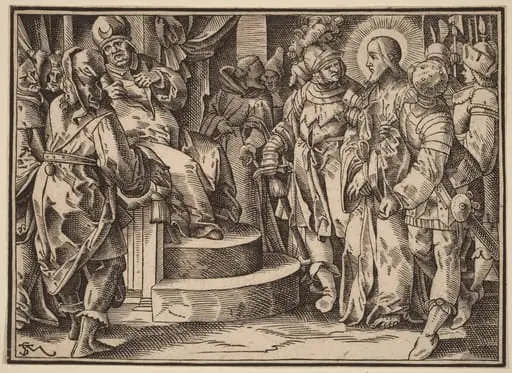 Christ Tells His Disciples of the Last Judgment
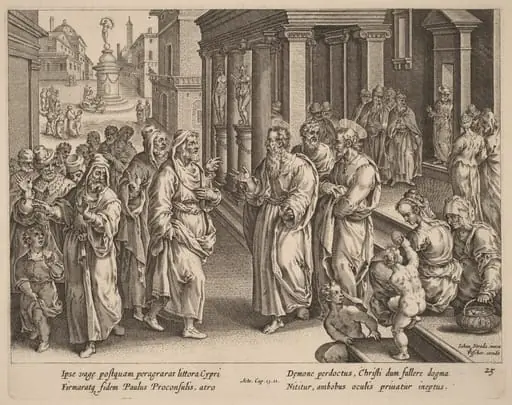 Saint Paul Disputes the Sorcerer
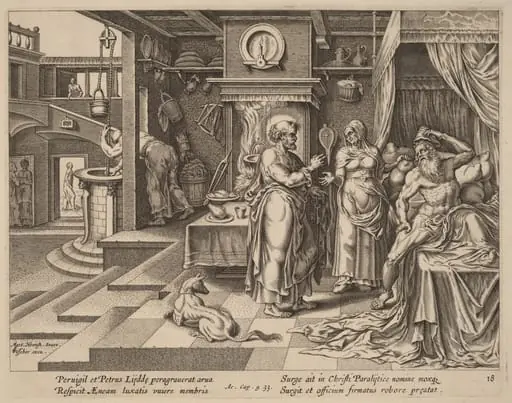 The Healing of Eneas by Saint Peter