Artwork
The Raising of Tabitha
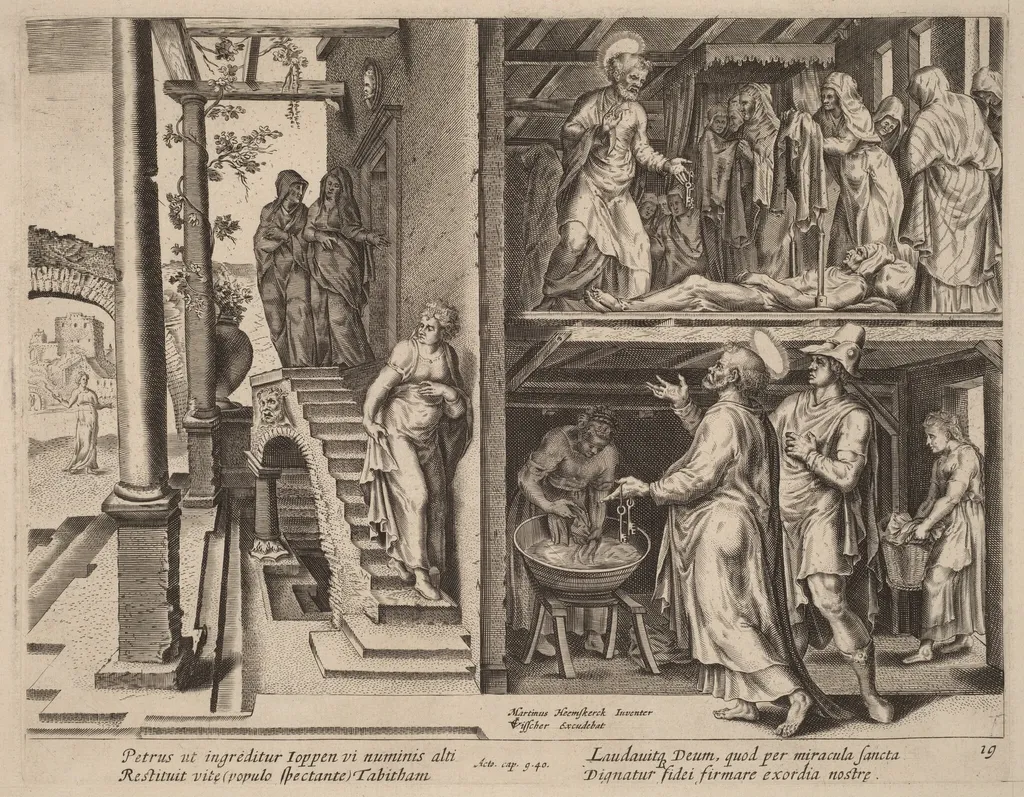
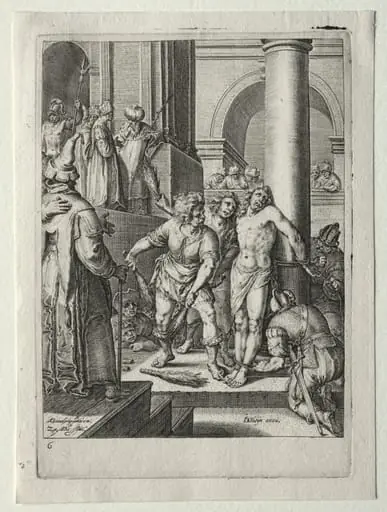
The Raising of Tabitha is an ink print by the Renaissance artist Philip Galle. It dates from 1574 and is held in the collection of the National Gallery of Art.
About this work
Overview
The Raising of Tabitha is a 1574 engraving by Philip Galle, reproducing a design by an unidentified earlier artist. The print depicts a pivotal moment from the biblical account of Tabitha's resurrection by Saint Peter.
Subject & Meaning
The engraving illustrates the biblical scene where Tabitha, a charitable disciple, is brought back to life by Saint Peter. The composition captures the emotional moment of her restoration, surrounded by mourners and prayerful figures.
Technique & Style
Executed using engraving techniques, the work features intricate lines, shading, and cross-hatching, which collectively impart a sense of texture, depth, and volumetric form to the figures and architectural background.
History & Provenance
Philip Galle, a prominent Dutch publisher and engraver of the late 16th century, created this reproductive print, characteristic of his practice of translating earlier masters' paintings into engravings.
Context
This engraving reflects the Renaissance interest in religious narratives and the dissemination of artistic designs through reproductive prints, making artworks more accessible to a broader audience.
Legacy
While specific impact of *The Raising of Tabitha* is not prominently documented, it contributes to the broader legacy of Galle's reproductive engravings in preserving and popularizing the works of earlier artists during the Renaissance.
Artist & collection
Artist
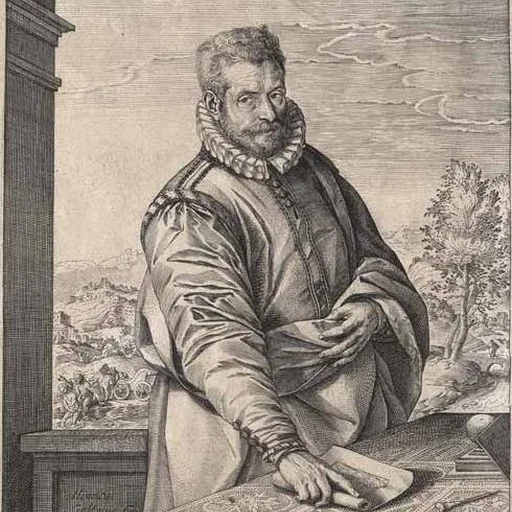
Philip (or Philips) Galle (1537 – March 1612) was a Dutch publisher, best known for publishing old master prints, which he also produced as designer and engraver. He is especially known for his reproductive engravings of paintings.

 Dianae Ephesiae Templum (The Temple of Diana at Ephesus)
 Saint Peter Speaks to the People about Christ
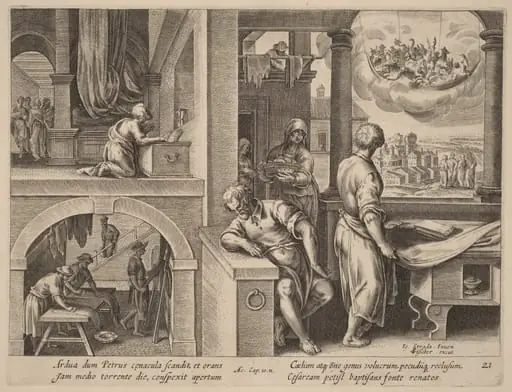 The Vision of Saint Peter
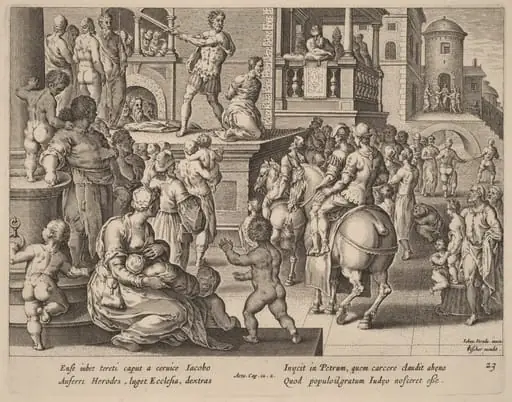 Beheading of Saint James
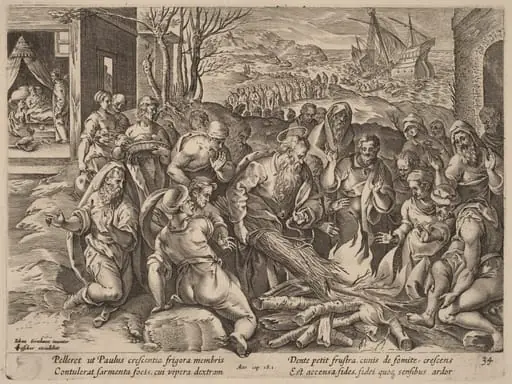 Saint Paul Shipwrecked on the Island of Melita
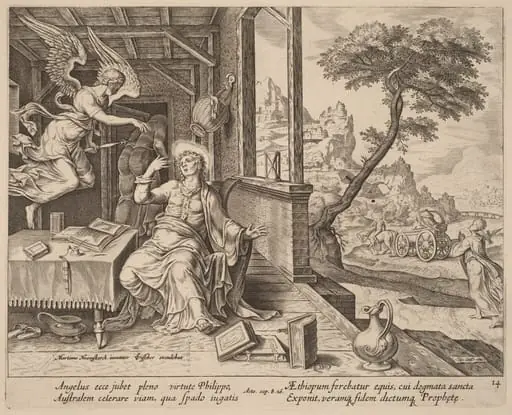 The Angel Orders Saint Philip to Accompany the Ethiopian Eunuch
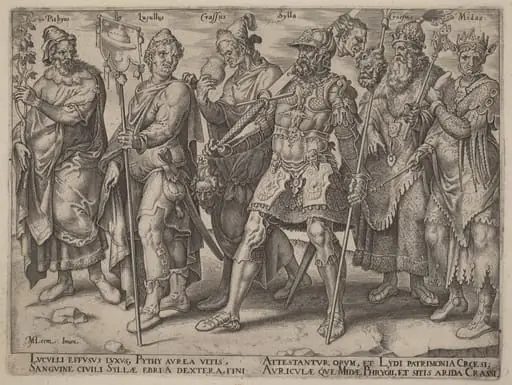 Notorious Examples of Wealth from Antiquity
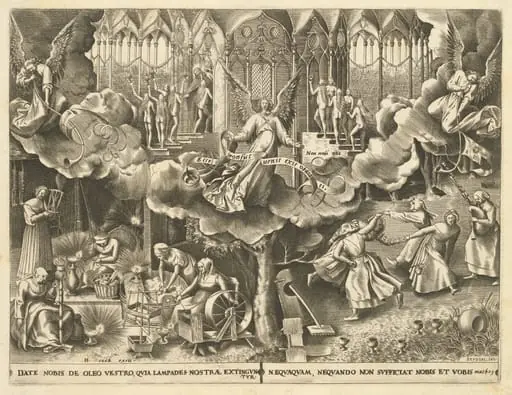 The Parable of the Wise and Foolish Virgins
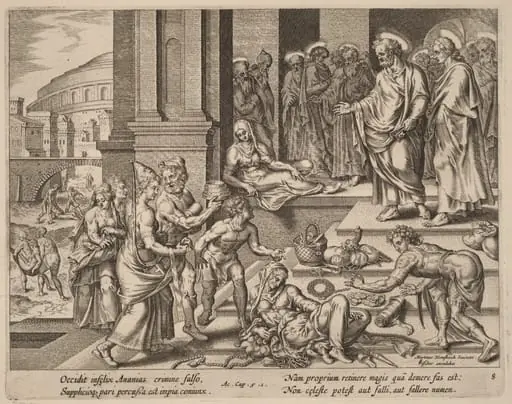 The Deaths of Ananias and Sapphira
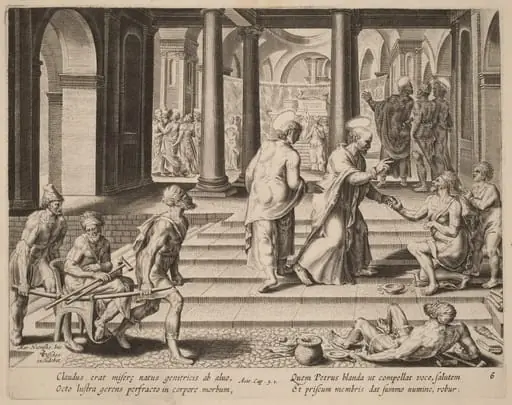 Saints Peter and John Heal a Cripple at the Gate of the Temple
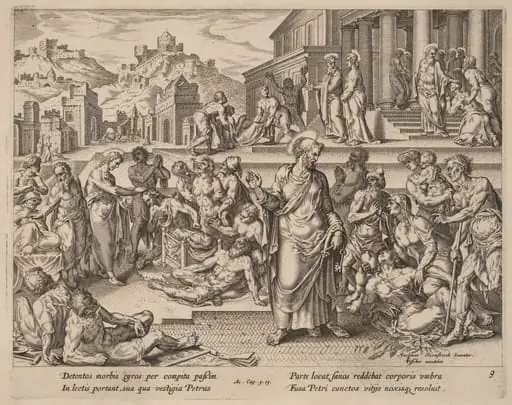 Saint Peter Healing the Sick with His Shadow
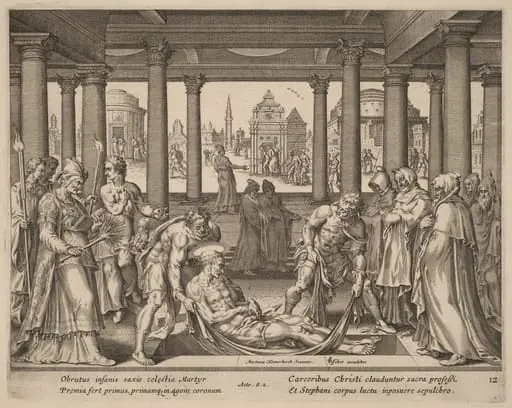 Devout Men Carrying Saint Stephen to His Burial
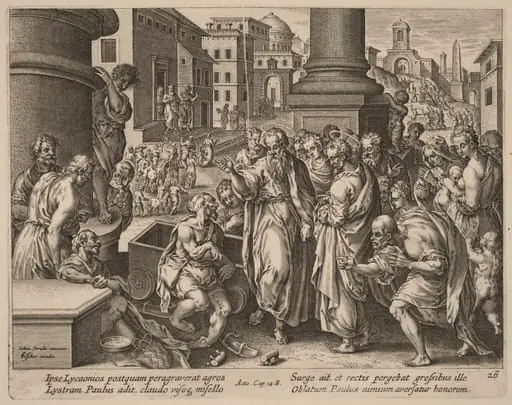 Saint Paul Heals the Lame Man at Lystra
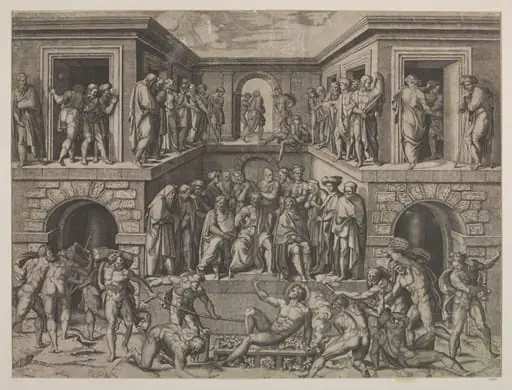 Martyrdom of St. Lawrence
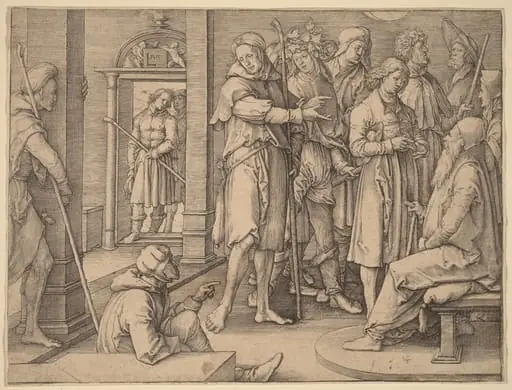 Joseph Interprets His Dream to Jacob
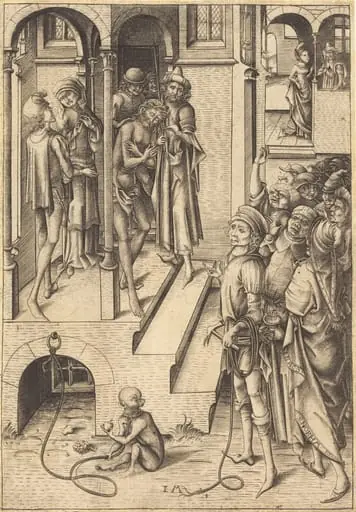 Ecce Homo
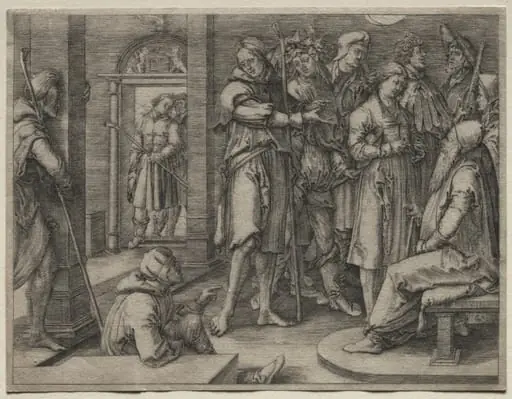 The Story of Joseph: Joseph Interprets his Dream to Jacob
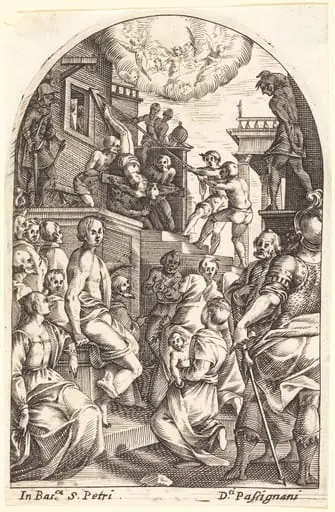 The Martyrdom of Saint Peter
 Passion Set: Flagellation of Christ