Artwork
Christ's Entry into Jerusalem
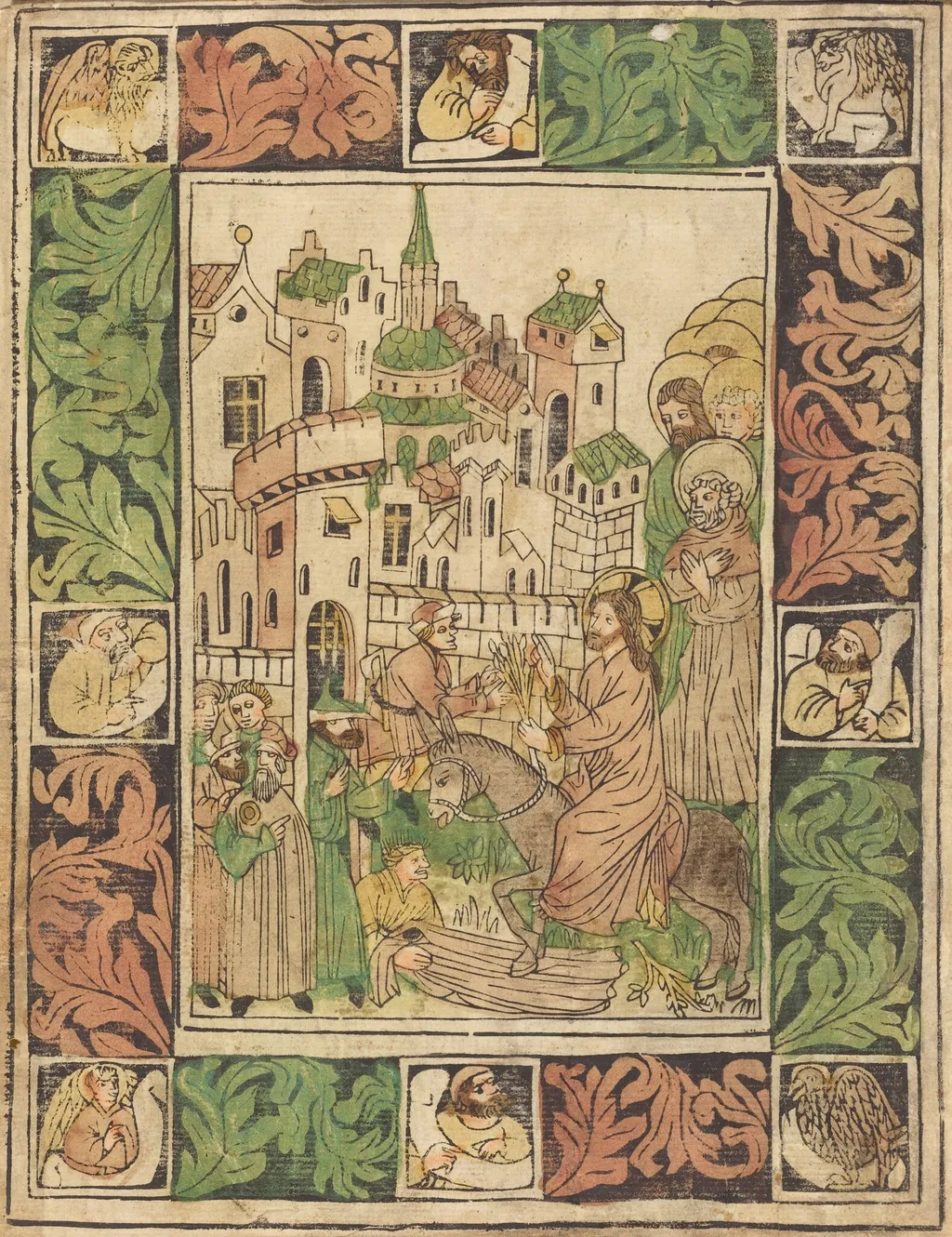
Christ's Entry into Jerusalem is an ink print by the Renaissance artist German 15th Century. It dates from 1450 and is held in the collection of the National Gallery of Art. This hand‑colored woodcut portrays the biblical episode of Jesus’ triumphal entry into Jerusalem.
About this work
Overview
This hand‑colored woodcut portrays the biblical episode of Jesus’ triumphal entry into Jerusalem. Rendered in rose, yellow, brown, green and gray, the image shows the rider on a donkey amid a bustling crowd that reaches toward him, set against a cityscape dominated by a central church or castle. The composition conveys a lively, celebratory atmosphere.
Subject & Meaning
The work illustrates the Gospel narrative of Christ’s arrival in Jerusalem, a moment traditionally associated with public acclaim and the fulfillment of prophecy. The gestures of the onlookers—reaching out to touch the figure—emphasize reverence and anticipation, underscoring the theological significance of the event as a prelude to the Passion.
Technique & Style
Executed as a woodcut, the image relies on bold, decisive lines and simplified forms to suggest motion and crowd density. After printing, the block was hand‑colored using a limited palette that highlights key elements: the donkey, the crowd’s garments, and architectural details. The stylistic restraint reflects Renaissance interests in clarity, proportion and narrative immediacy.
History & Provenance
The print belongs to the Renaissance period and is currently held by the National Gallery of Art in Washington, D.C. Its provenance traces back to the era’s print‑making workshops, where woodcuts served both devotional and instructional purposes, allowing wide dissemination of biblical scenes among a literate and illiterate audience alike.
Context
During the Renaissance, printed images like this woodcut played a crucial role in visualizing scriptural stories for public consumption. The depiction of Jerusalem’s cityscape, with a prominent ecclesiastical building, reflects contemporary architectural ideals and situates the sacred narrative within a recognizable urban environment, bridging the biblical past with the viewer’s present.
Artist & collection

Artist
This 15th-century German artist carved vivid religious scenes into metal and wood, then hand-painted them in bright, symbolic colors.

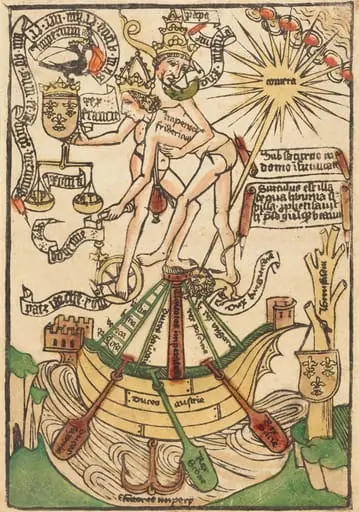 Allegory of the Meeting of Pope Paul II and Emperor Frederick III
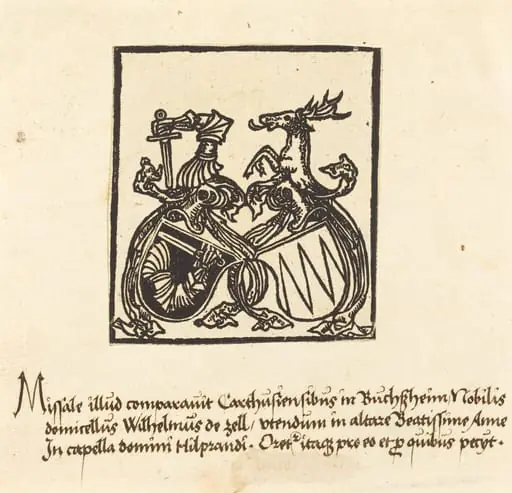 Bookplate of Wilhelm von Zell
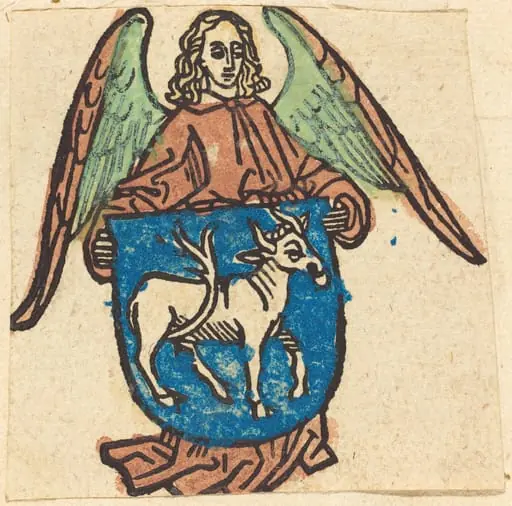 Bookplate of Hilprand Brandenburg of Bibrach
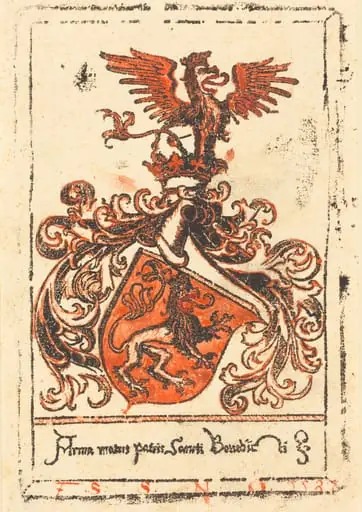 Bookplate of the Abbey of Ottobeuren
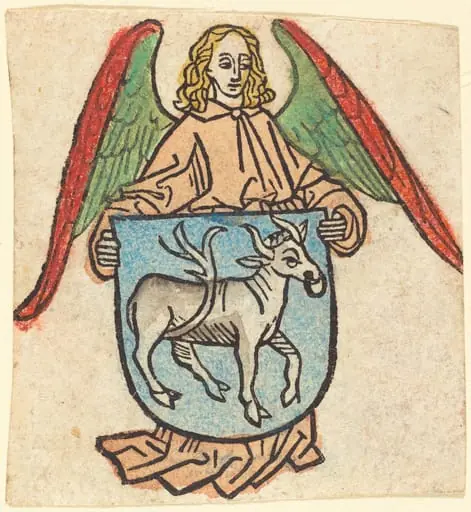 Bookplate of Hilprand Brandenburg of Bibrach
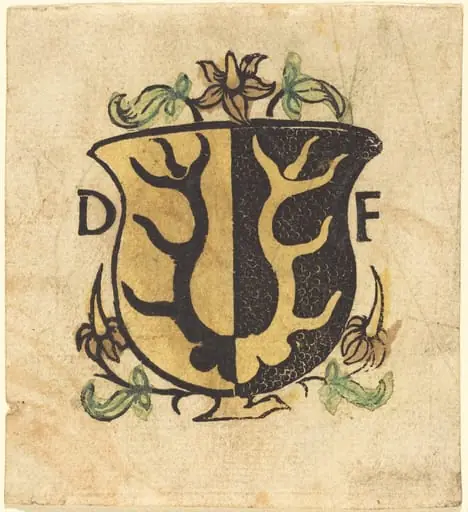 Bookplate of Dominicus Frauenfelder
![Studies for Six Figures (sheet from a model book) [recto], by German 15th Century](https://artifactworldgallery.com/img/german-15th-century--studies-for-six-figures-sheet-from-a-model-book-recto--4837429e0755bc3f-w320.webp) Studies for Six Figures (sheet from a model book) [recto]
Studies for Six Figures (sheet from a model book) [recto]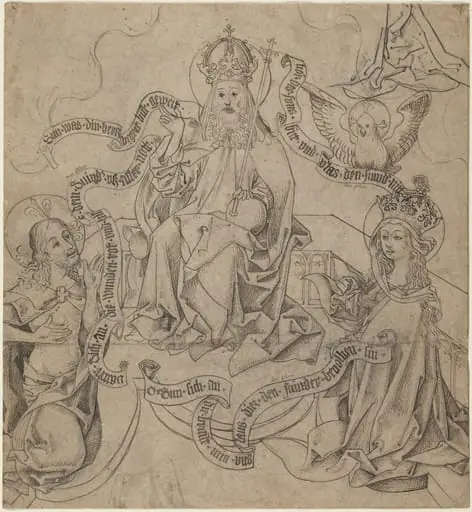 Christ and Mary Interceding with God the Father