Artwork
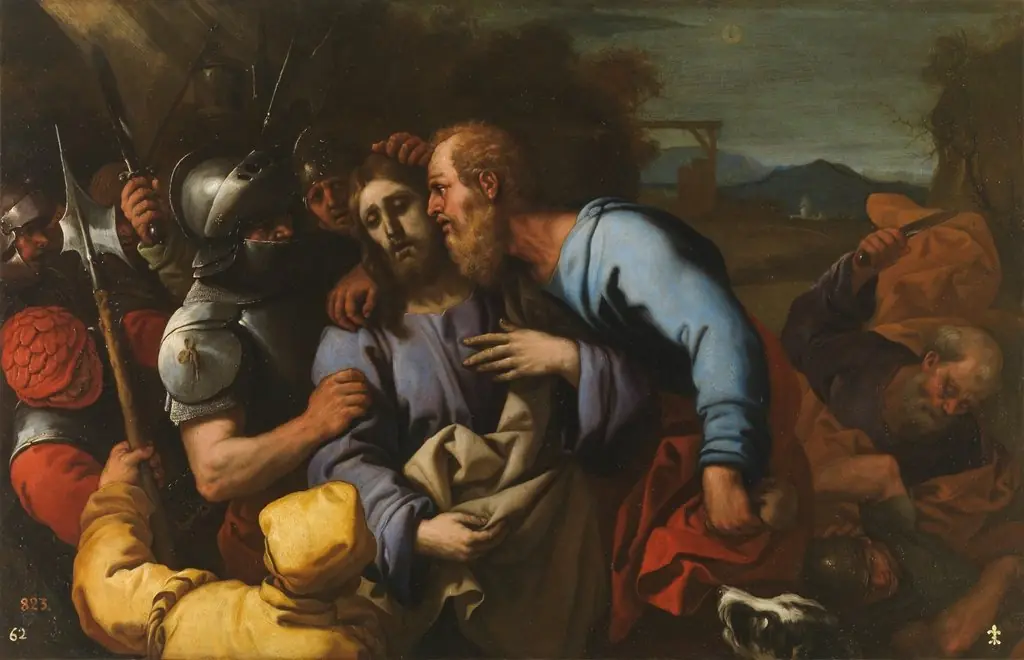
Taking of Christ
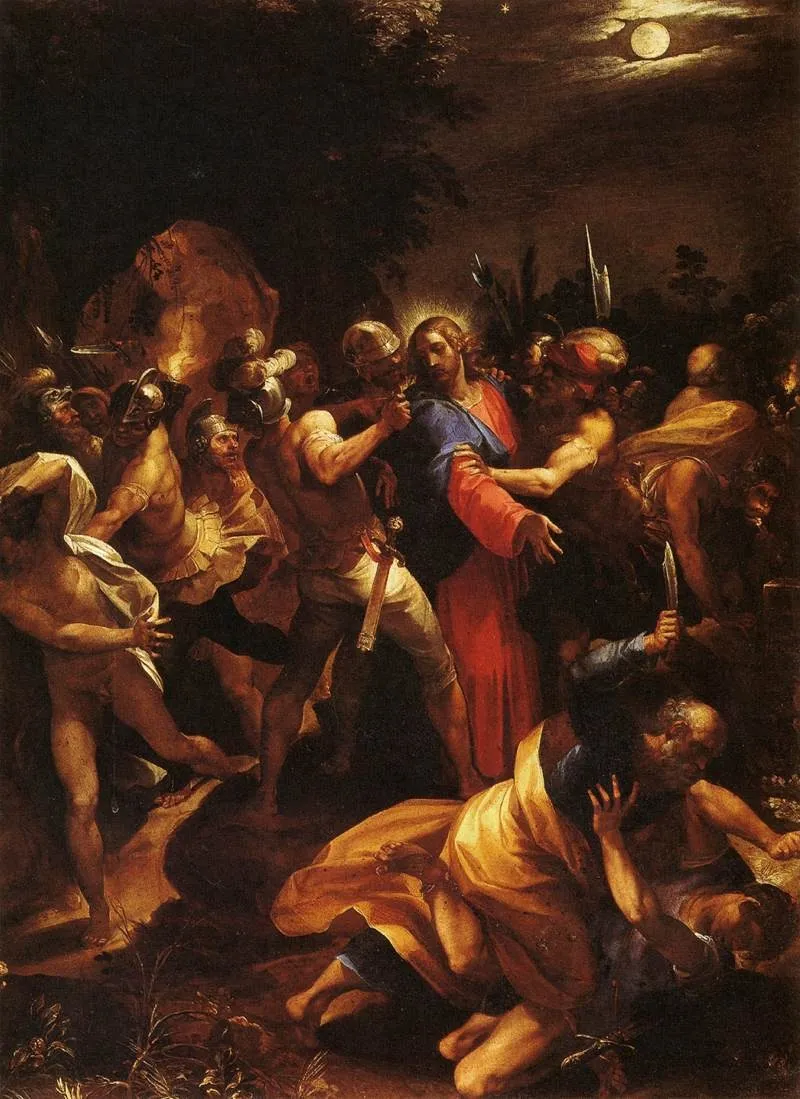
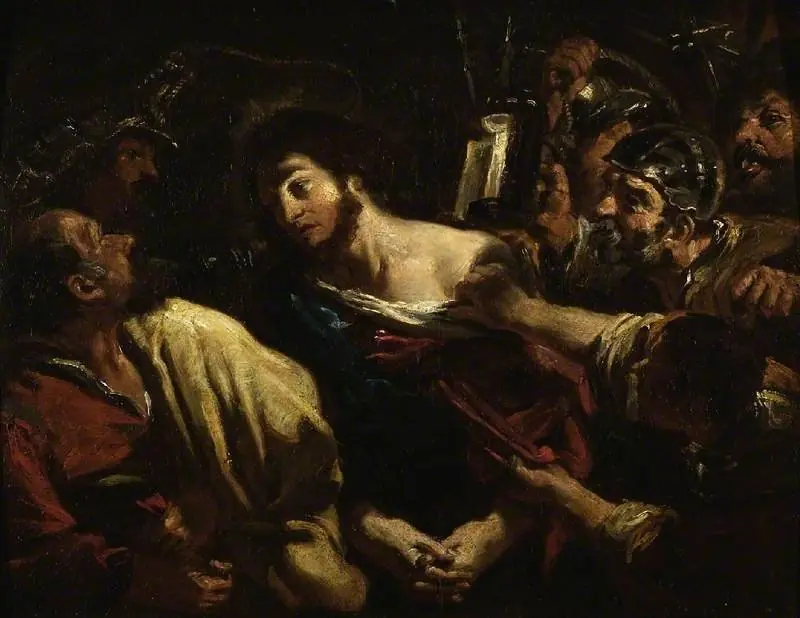
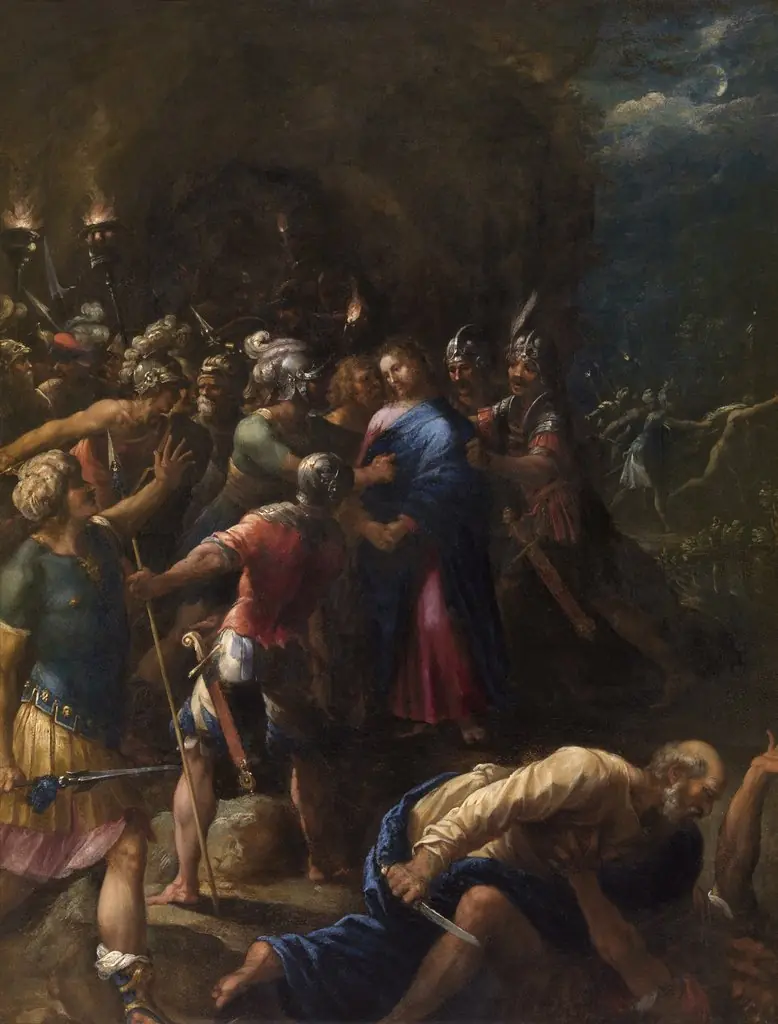
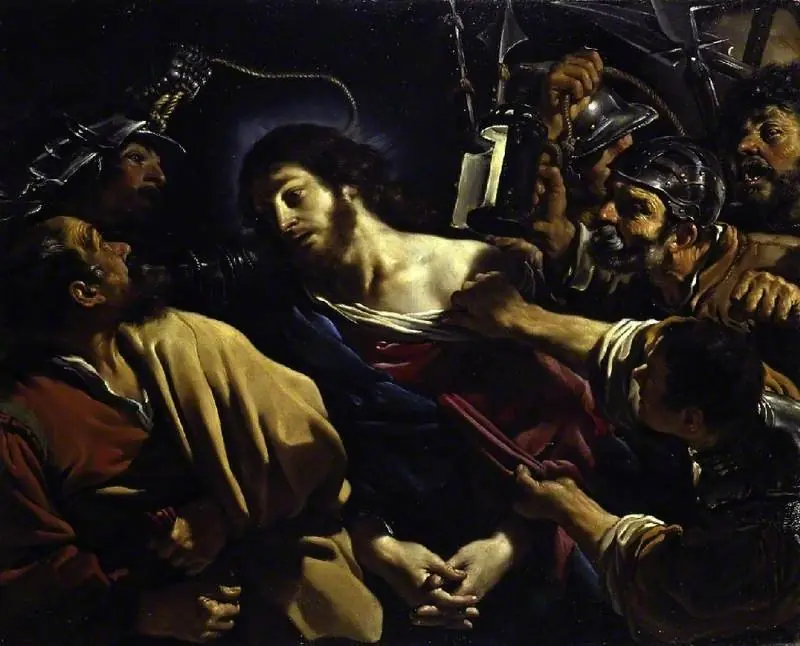
Taking of Christ is an oil painting by the Early Baroque Italian artist Giuseppe Cesari. It dates from 1600 and is held in the collection of the Galleria Borghese.
About this work
Overview
A favored artist of the Roman papal court, Cesari was knighted by Pope Clement VIII and ran a large studio that trained younger painters, including Caravaggio.
Painted in 1600 on copper, *Taking of Christ* is an early Baroque religious work by Giuseppe Cesari, known as Il Giuseppino. A favored artist of the Roman papal court, Cesari was knighted by Pope Clement VIII and ran a large studio that trained younger painters, including Caravaggio. The painting’s small scale and metallic support reflect a preference for refined, detailed compositions favored in elite Roman collections of the period.
Subject & Meaning
The scene captures the moment of Christ’s arrest in the Garden of Gethsemane, as described in the Gospels. Christ, centrally positioned with a halo, is surrounded by armed soldiers and Judas, who identifies him with a kiss. The composition emphasizes quiet solemnity amid chaos, focusing on Christ’s calm acceptance as opposed to the violent gestures of his captors, reinforcing themes of divine resignation and human betrayal.
Technique & Style
Cesari employed chiaroscuro to heighten emotional tension, directing light onto Christ’s face and garments while plunging surrounding figures into shadow. The copper support allowed for fine detail and luminous color, enhancing the contrast between illuminated and dark areas. The figures are rendered with Mannerist elongation and precise anatomy, yet the dramatic lighting anticipates the naturalism that would define Caravaggio’s later style.
History & Provenance
Commissioned during Cesari’s peak influence in Rome, the painting entered the Borghese collection in the early 17th century, likely through Cardinal Scipione Borghese, a major patron of the arts. It has remained in the Galleria Borghese since, preserved among other works from the cardinal’s renowned collection. Its copper support and intimate scale suggest it was intended for private devotion rather than public display.
Context
Created at a time when Roman art was shifting from Mannerist complexity toward Baroque emotional intensity, the painting reflects Cesari’s position between traditions. While his style retained idealized forms, the use of nocturnal lighting and psychological tension aligned with emerging trends. His studio’s role in training Caravaggio underscores its significance in the transition toward a more naturalistic approach in religious painting.
Legacy
Though overshadowed by Caravaggio’s revolutionary impact, Cesari’s *Taking of Christ* remains a key example of early Baroque religious imagery in Rome. Its careful balance of Mannerist elegance and emerging chiaroscuro techniques offers insight into the artistic environment that shaped the next generation. The painting’s preservation in the Borghese collection ensures its continued study as a transitional work in Italian painting history.
Artist & collection

Artist
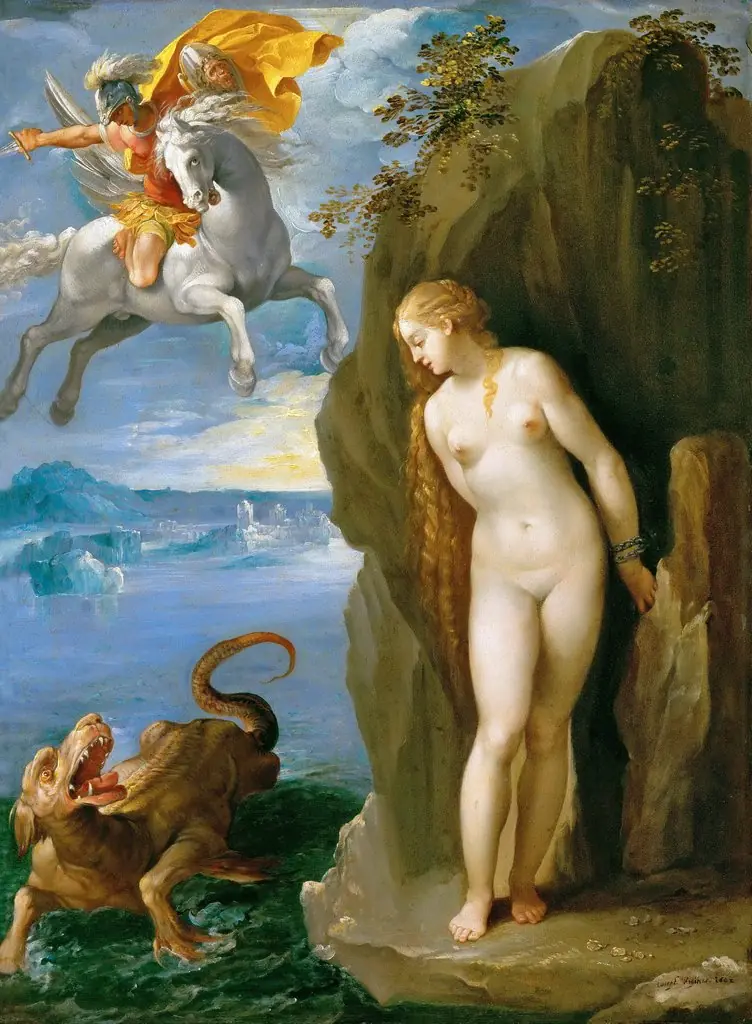
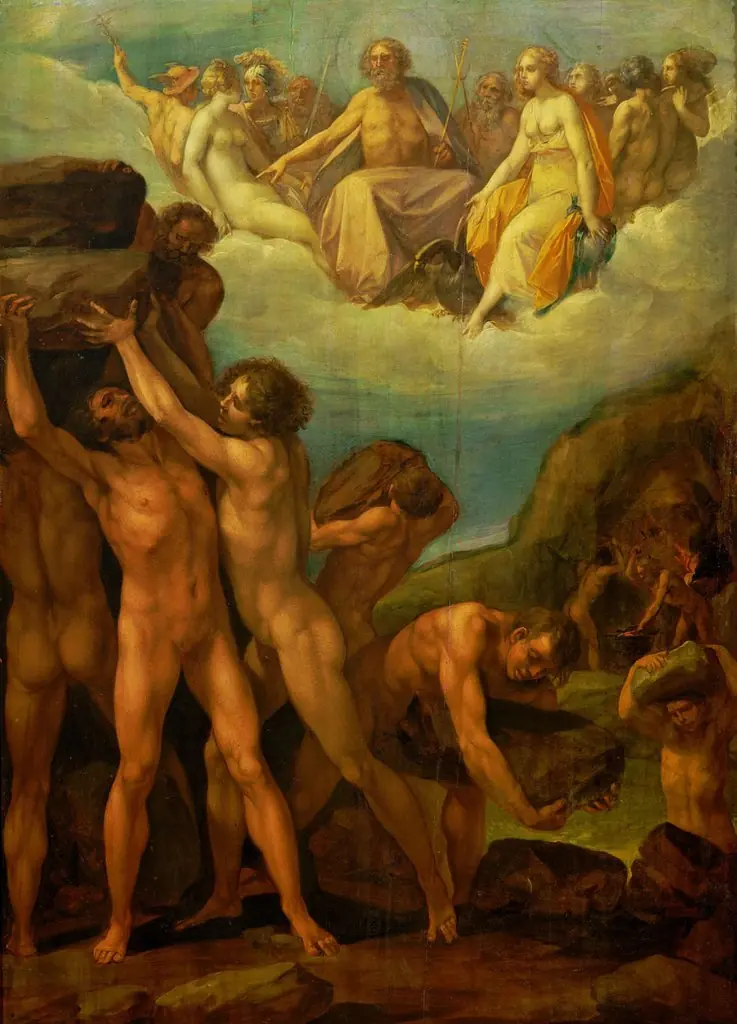
Giuseppe Cesari (14 February 1568 – 3 July 1640) was an Italian Mannerist painter, also named Il Giuseppino and called Cavaliere d'Arpino, because he was created Knight of the Supreme Order of Christ by his patron Pope Clement VIII.