Artwork
Landscape with a lotus pool, from a Tuti-nama (Tales of a Parrot), Eighth Night
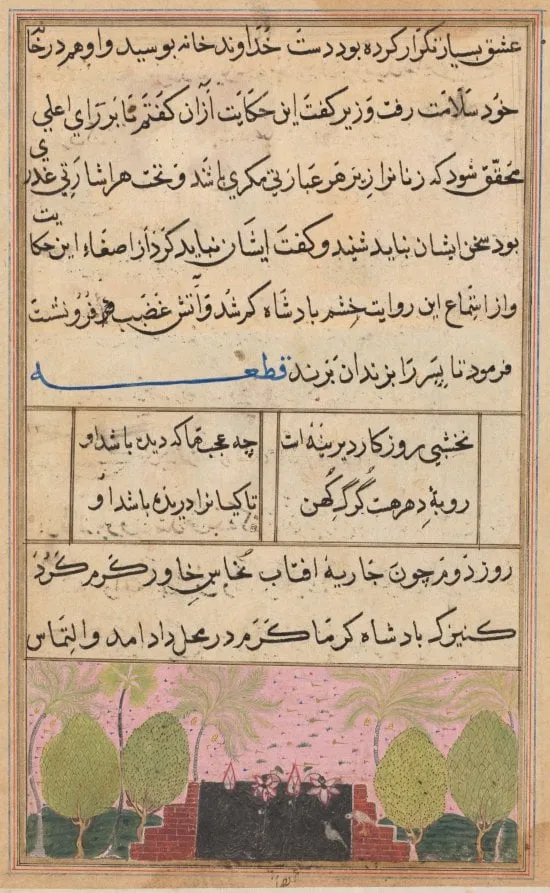
Landscape with a lotus pool, from a Tuti-nama (Tales of a Parrot), Eighth Night is an unspecified painting by the Mughal Painting artist Gujarati. It dates from 1560 and is held in the collection of the Cleveland Museum of Art. This small painting originates from a manuscript illustrating the Tuti-nama, a collection of tales told by a parrot.
About this work
This small painting was made in Gujarat but looks like work from Persia—dry ground, tufted grass, and swirling water lines.
A dark pool glows between pink hills, lotus pads floating on tarnished silver water. Two white birds wade at the edges, while trees with layered leaves arch above.
This small painting was made in Gujarat but looks like work from Persia—dry ground, tufted grass, and swirling water lines. The silver leaf that once shimmered is now black, showing how time changes art.
To see more paintings like this, look up mughal india, court of akbar (reigned 1556–1605).
Overview
This small painting originates from a manuscript illustrating the Tuti-nama, a collection of tales told by a parrot. Created in Gujarat during the late 16th century, it reflects a fusion of local Indian traditions and Persian artistic influences. The scene centers on a dark lotus pool, framed by dense foliage and a pale, textured ground, with birds standing at its margins. The original silver highlights in the water have oxidized to black, altering the visual tone over time.
Subject & Meaning
The painting depicts a tranquil moment beside a lotus pool, with two white birds wading at its edge. The lotus pads floating on the water suggest a serene, natural setting, possibly symbolizing purity or contemplation. The birds, rendered in delicate white, may serve as observers or messengers, common in narrative illustrated manuscripts. The scene’s stillness invites quiet reflection, aligning with the moral tales embedded in the Tuti-nama.
Technique & Style
The artist employs fine brushwork to layer tree canopies, creating depth through overlapping foliage. The ground is rendered in a dry, pinkish hue with scattered tufts of grass, a hallmark of Persian miniature conventions. Swirling lines in the water, once executed in silver leaf, now appear as dark streaks due to oxidation. The composition avoids perspective, favoring a flattened, decorative space typical of courtly manuscript painting in the region.
History & Provenance
Produced in Gujarat under the patronage of the Mughal court, this painting was part of a larger illustrated manuscript commissioned during Akbar’s reign. The Tuti-nama project brought together artists from diverse regions, including Gujarat, to synthesize styles. Over centuries, the work passed through private and royal collections before entering institutional holdings. Its current condition reflects natural material decay, particularly the tarnishing of metallic pigments.
Context
This work emerged during a period of intense cultural exchange between Persian and Indian artistic traditions at the Mughal court. Artists from Gujarat, though locally rooted, adopted Persian compositional elements such as the arid ground and stylized vegetation. The Tuti-nama series was one of several literary projects aimed at blending Persian storytelling with Indian visual culture, reflecting Akbar’s broader policy of syncretism and imperial patronage.
Legacy
The painting exemplifies the hybrid aesthetic that defined Mughal manuscript illustration in the late 1500s. Its fusion of regional techniques with Persian norms influenced later courtly art across northern India. The deterioration of silver leaf into blackened traces has become a subject of study in conservation, illustrating how material choices shape historical perception. It remains a key reference for understanding cross-regional artistic dialogue in early modern South Asia.
Artist & collection

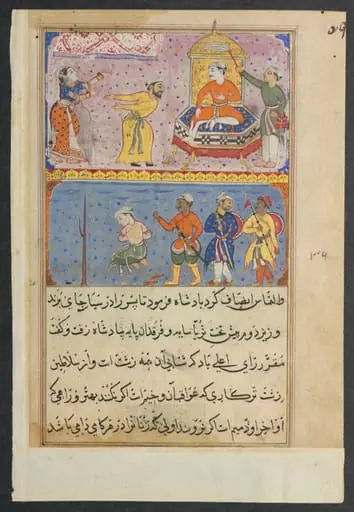 The prince, once reprieved, is returned to the palace of execution a second time on the plea of the king’s handmaiden, from a Tuti-nama (Tales of a Parrot): Eighth Night
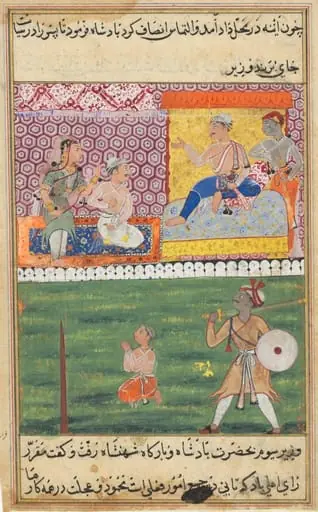 The handmaiden again appeals for justice and the prince is led to the place of execution for the third time, from a Tuti-nama (Tales of a Parrot): Eighth Night
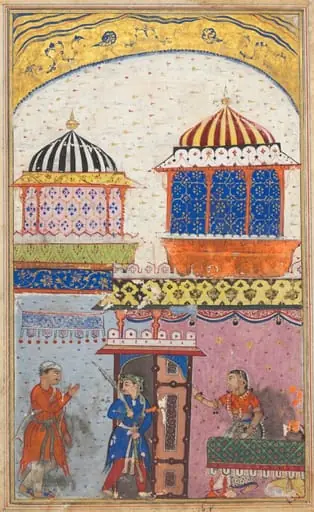 A woman asks her lover to leave her house, brandishing his sword and feigning rage in order to deceive her husband who has just arrived, from a Tuti-nama (Tales of a Parrot): Eighth Night
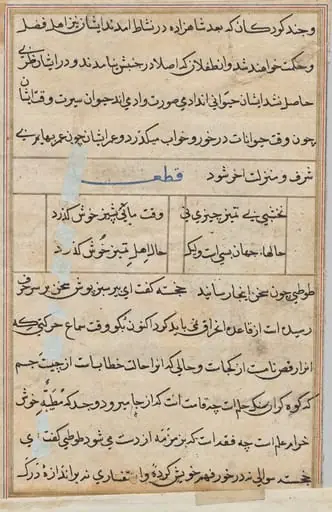 Tuti-Nama (Tales of a Parrot): Tale XIII
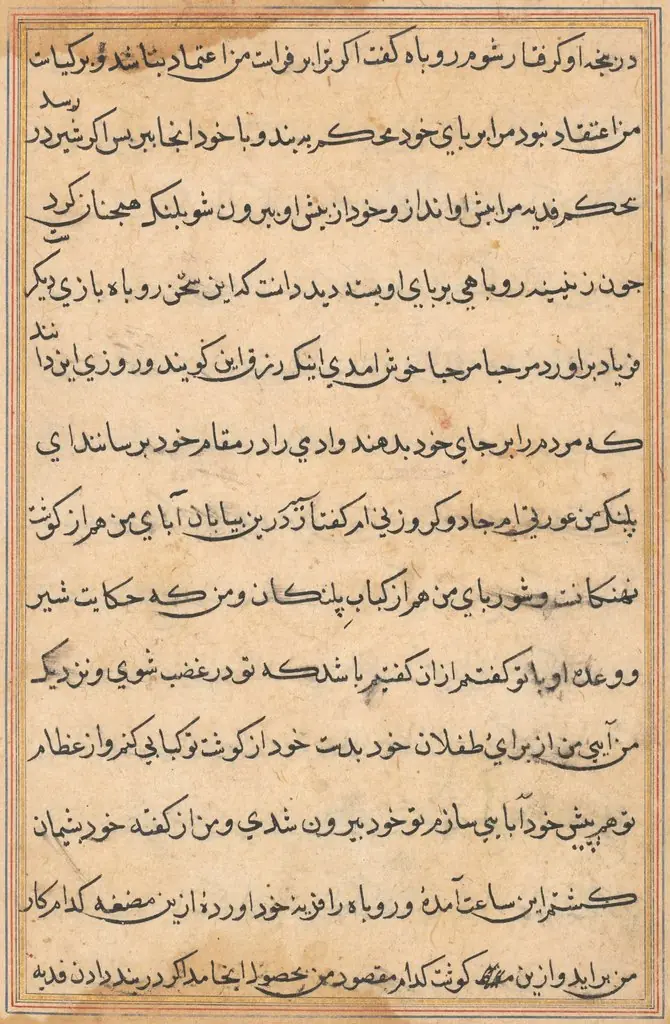 Page from Tales of a Parrot (Tuti-nama): text page
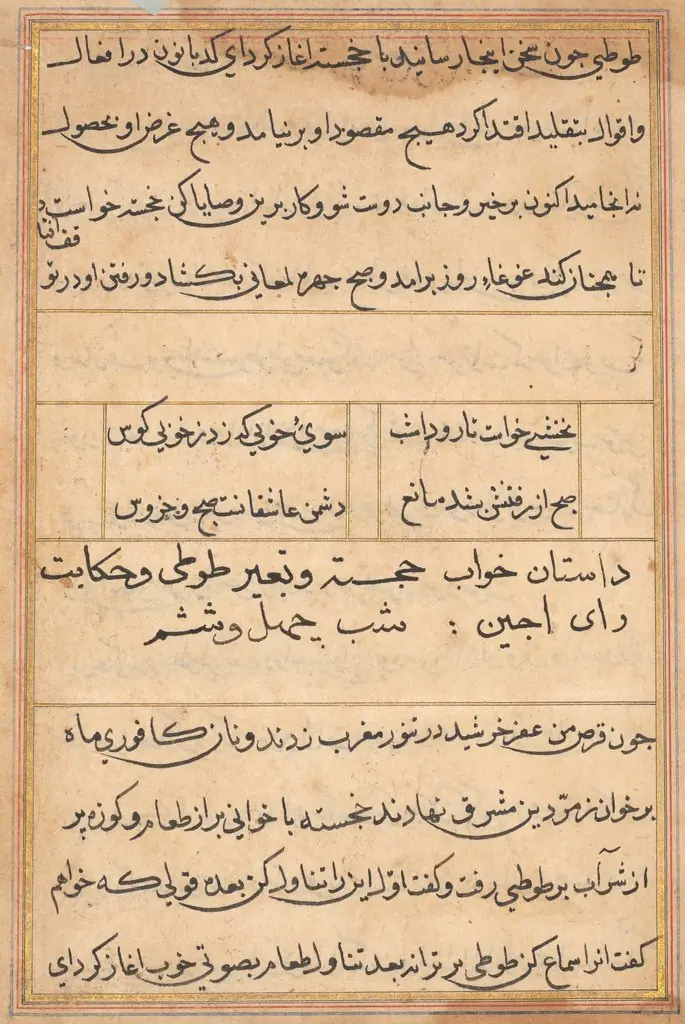 Page from Tales of a Parrot (Tuti-nama): text page
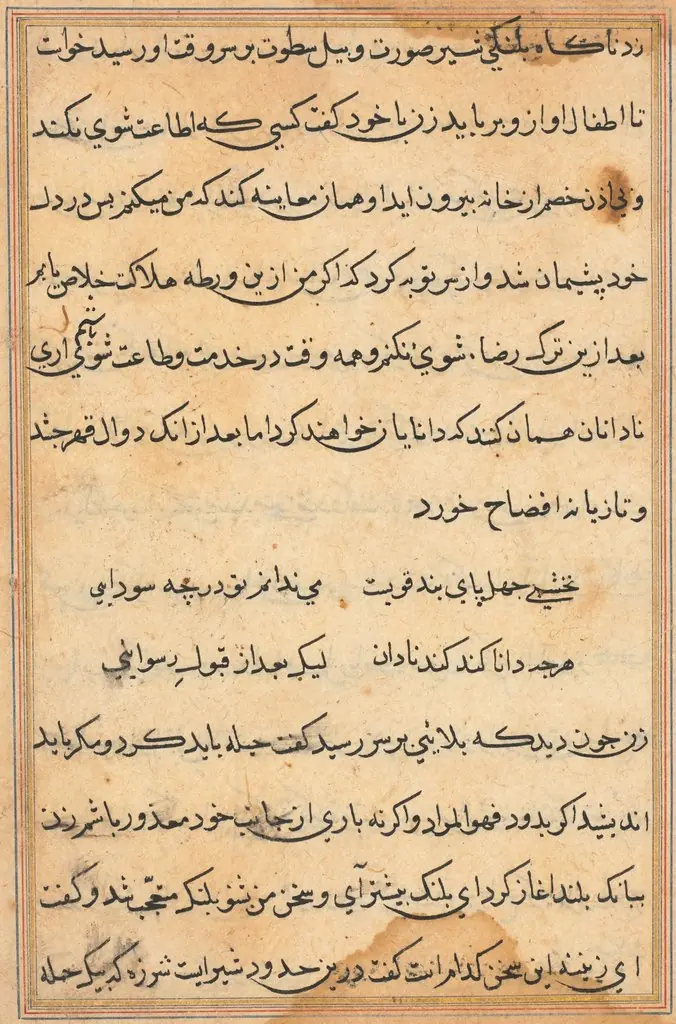 Page from Tales of a Parrot (Tuti-nama): text page
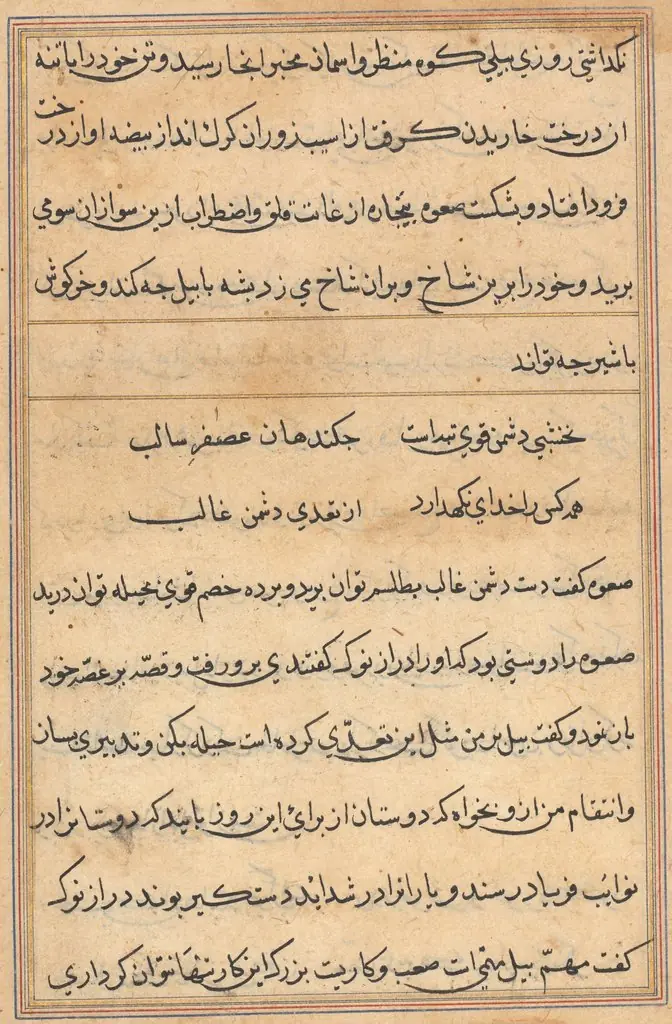 Page from Tales of a Parrot (Tuti-nama): text page
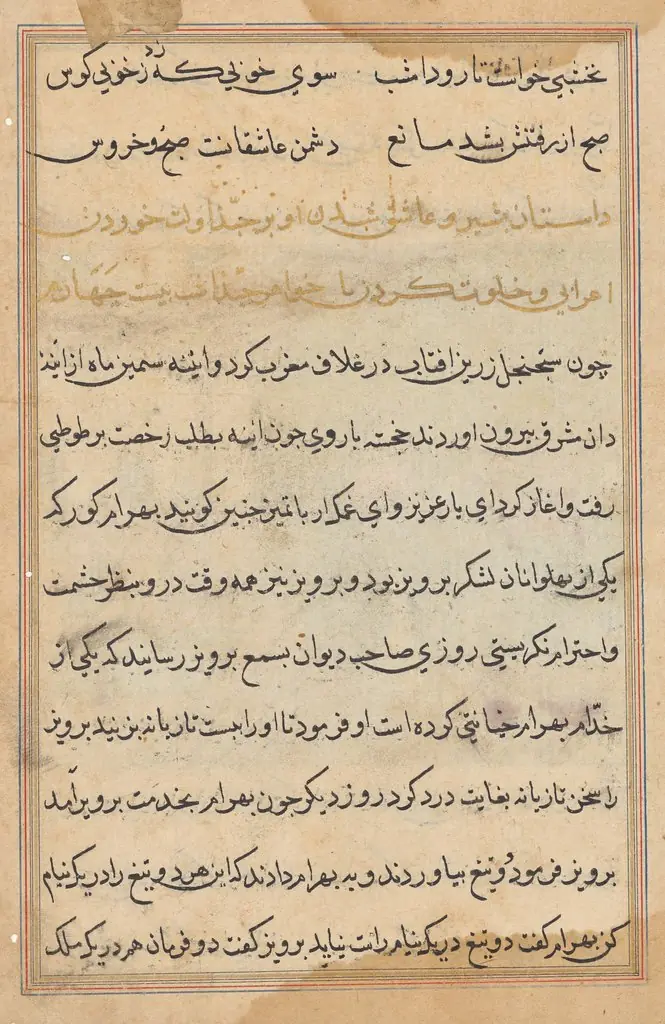 Page from Tales of a Parrot (Tuti-nama): text page
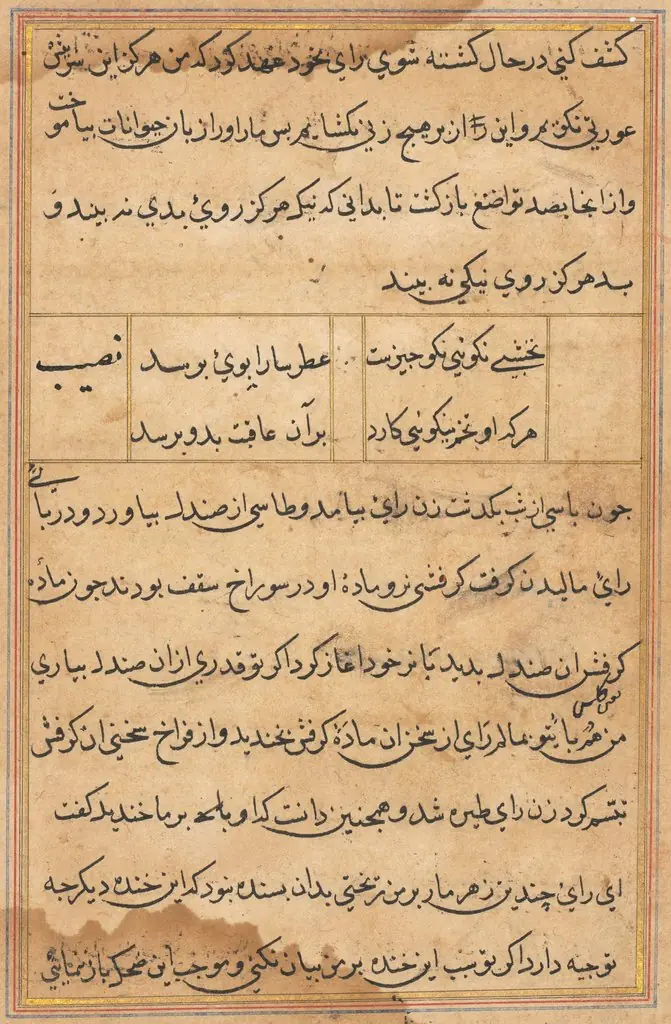 Page from Tales of a Parrot (Tuti-nama): text page
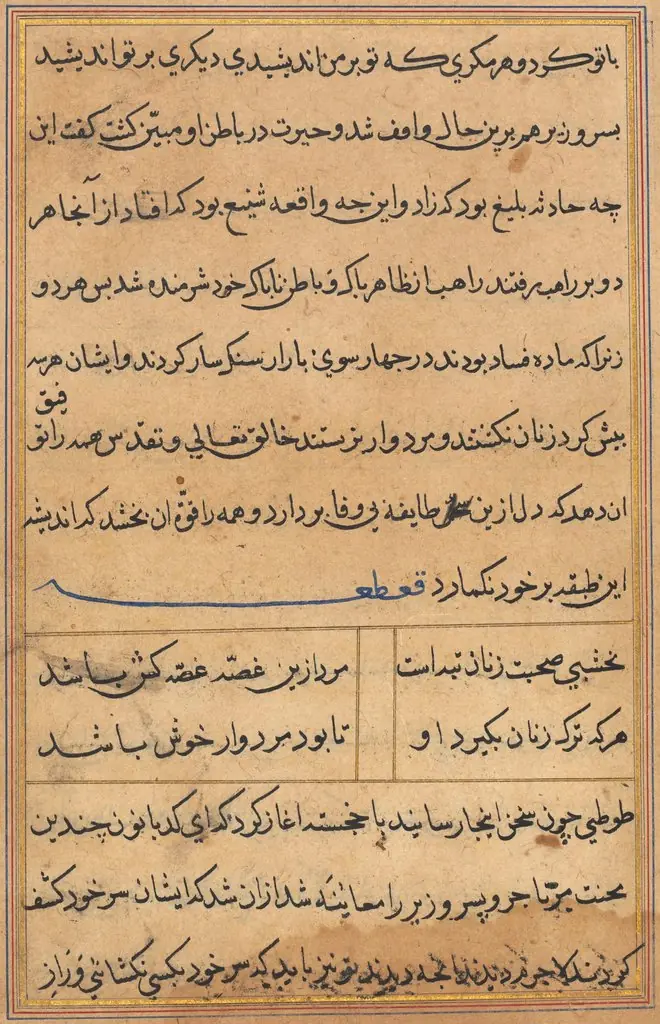 Page from Tales of a Parrot (Tuti-nama): text page
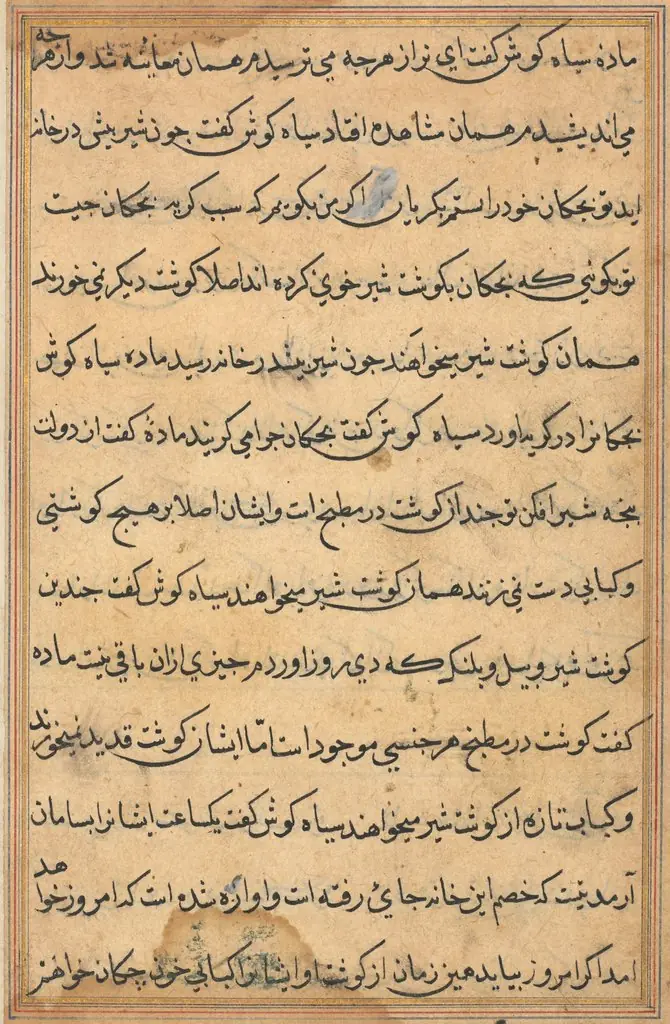 Page from Tales of a Parrot (Tuti-nama): text page