Artwork
The Flight into Egypt
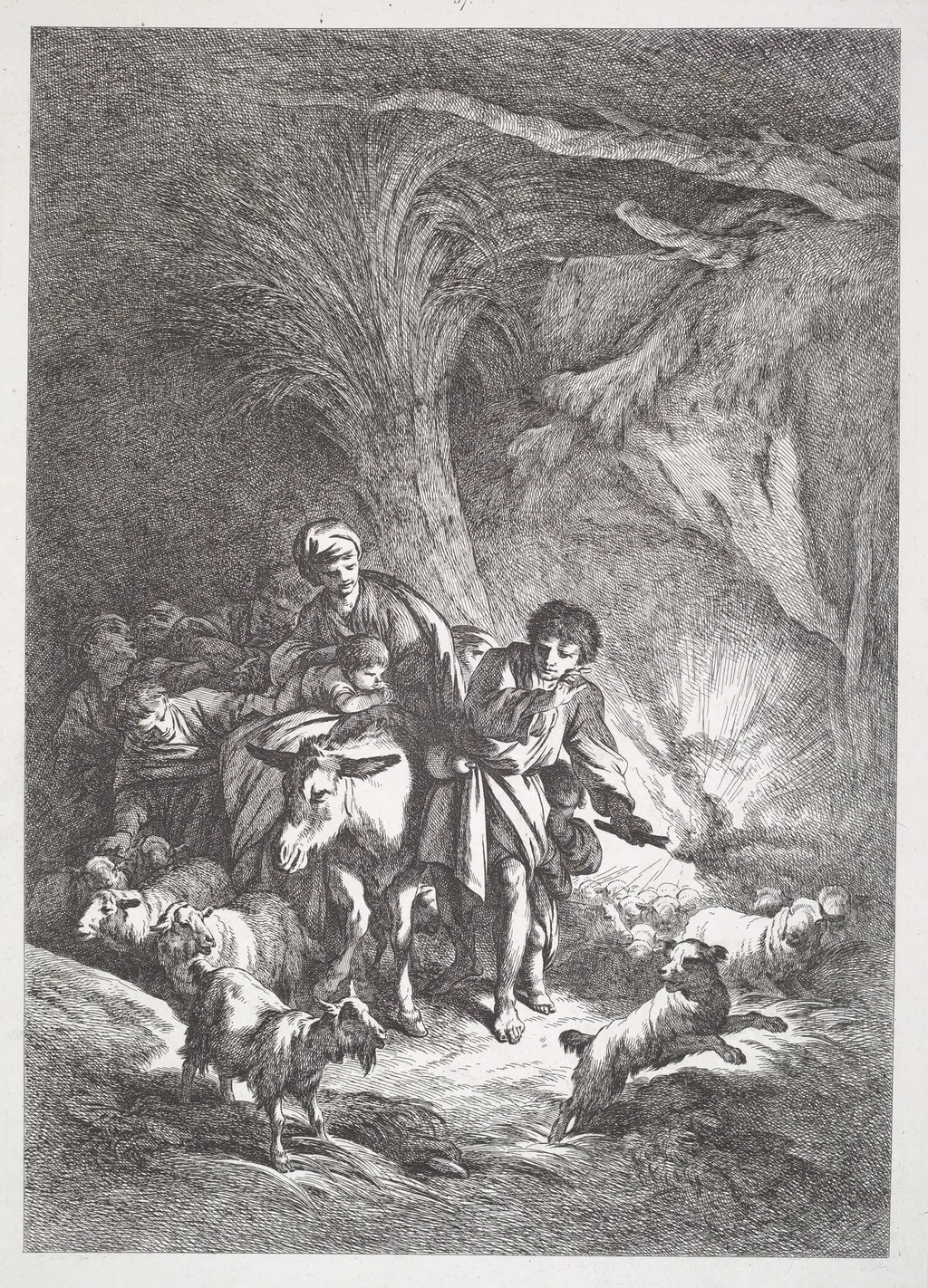
The Flight into Egypt is an ink print by the Romanticist artist Jean-Baptiste Hüet. It dates from 1798 and is held in the collection of the National Gallery of Art.
About this work
Overview
Created in 1798 by Jean-Baptiste Hüet, this etching depicts the biblical journey of Mary, Joseph, and the infant Jesus fleeing to Egypt. Rendered on laid paper, the work belongs to the printmaking tradition of late 18th-century France. Its composition captures a fleeting moment of movement and unease, emphasizing the fragility of the travelers amid an unforgiving landscape.
Subject & Meaning
The urgency of their flight is underscored by the scattered animals and the looming sky, transforming a religious story into a universal image of refuge.
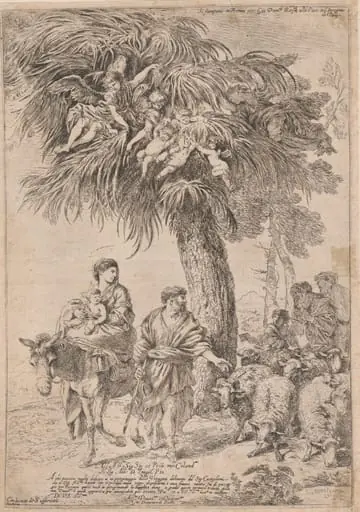
The scene portrays the Holy Family’s escape from Herod’s persecution, a narrative of displacement and survival. Mary carries the child, Joseph leads a donkey laden with supplies, and a boy walks ahead with a staff. Surrounding sheep suggest both domesticity and vulnerability. The urgency of their flight is underscored by the scattered animals and the looming sky, transforming a religious story into a universal image of refuge.
Technique & Style
Hüet employed sharp, incised lines to convey motion and emotional tension. The stormy sky is rendered with swirling, dynamic strokes that contrast with the more controlled forms of the figures and animals. The use of laid paper enhances the texture, lending a tactile quality to the scene. The etching’s precision in line work directs the viewer’s eye along the path of flight, reinforcing the narrative’s momentum.
History & Provenance
The print was produced during a period of political upheaval in France, when religious imagery was both contested and reimagined. Hüet, trained in the Académie Royale, turned to biblical subjects in his later career. This etching likely circulated among collectors and clergy, reflecting a continued interest in sacred narratives despite revolutionary secularism. Its survival in institutional collections suggests early recognition of its artistic merit.
Context
In late 18th-century France, etching experienced a revival as artists sought intimate, expressive alternatives to grand historical painting. Hüet’s work aligns with this trend, using personal scale and emotional nuance to engage viewers. The Flight into Egypt resonated with contemporary anxieties about displacement and survival, mirroring the experiences of refugees during the Revolution and Napoleonic wars.
Legacy
Though not widely reproduced, Hüet’s etching remains a notable example of neoclassical printmaking infused with emotional realism. It influenced later artists interested in biblical themes rendered through intimate, atmospheric means. Its preservation in major collections attests to its role as a quiet but significant contribution to the evolution of print culture in post-revolutionary Europe.
Artist & collection


 The Flight into Egypt
 The Flight into Egypt
 The Flight into Egypt
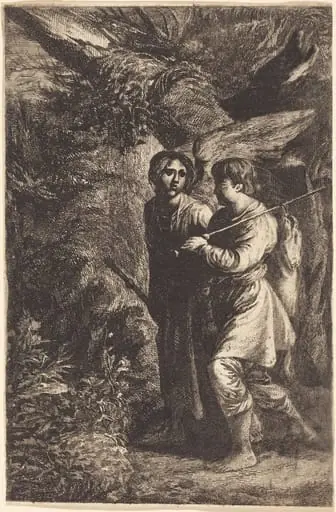 Tobias and the Angel
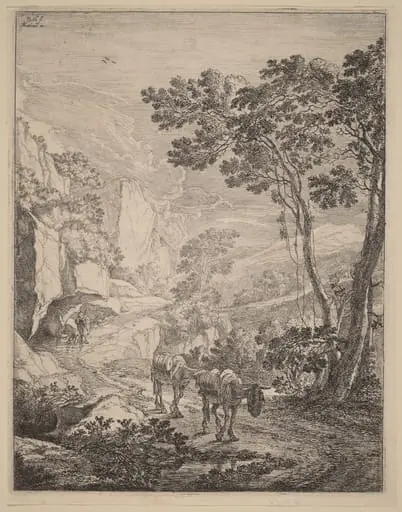 The Two Hinnies
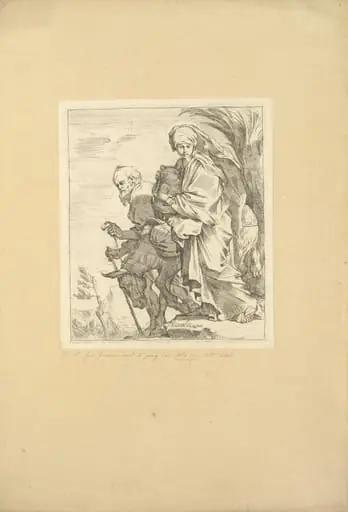 The Flight into Egypt
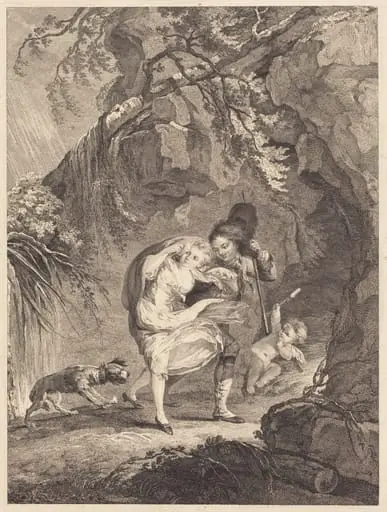 Le coup de vent (The Gust of Wind)
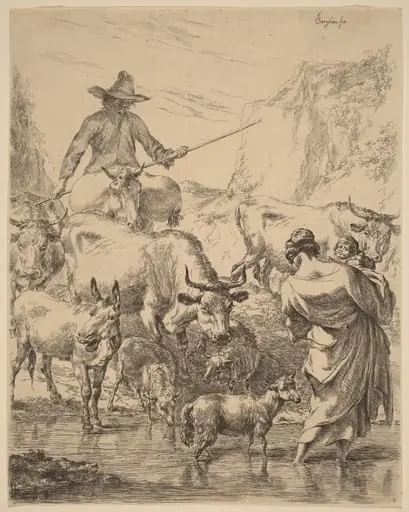 Herd Crossing the Brook
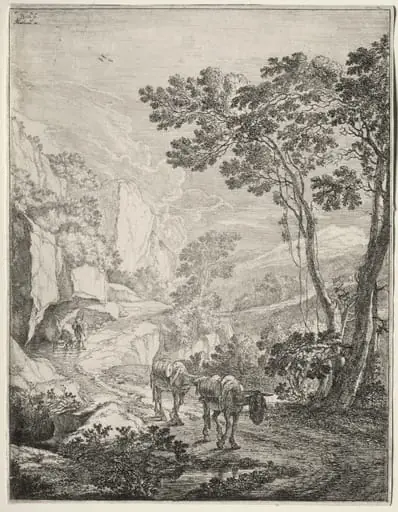 The Two Mules. Rocca Aquatico near Ancona
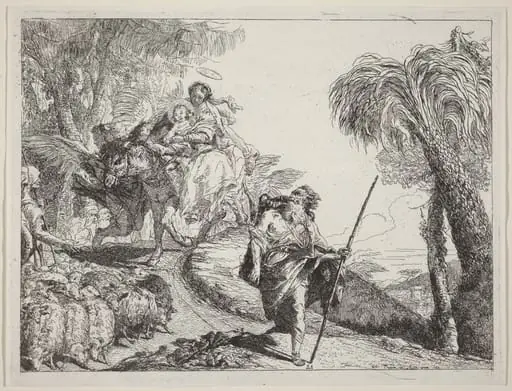 The Flight with Joseph in the Foreground
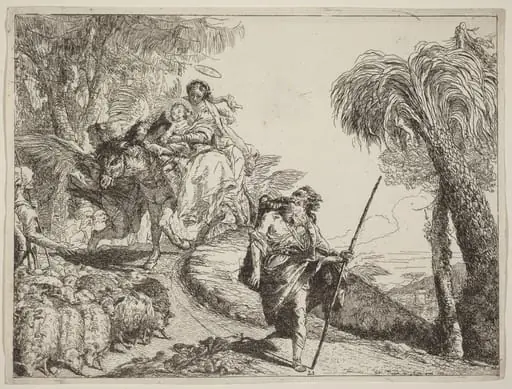 The Flight with Joseph in the Foreground
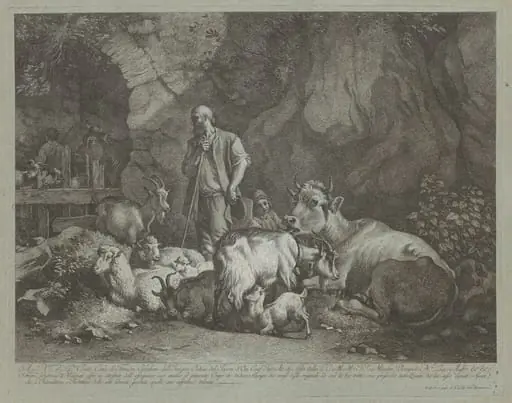 Old, Bald-headed Shepherd, Seated Shepherd Boy and Flock