Artwork
Hottentots with herd
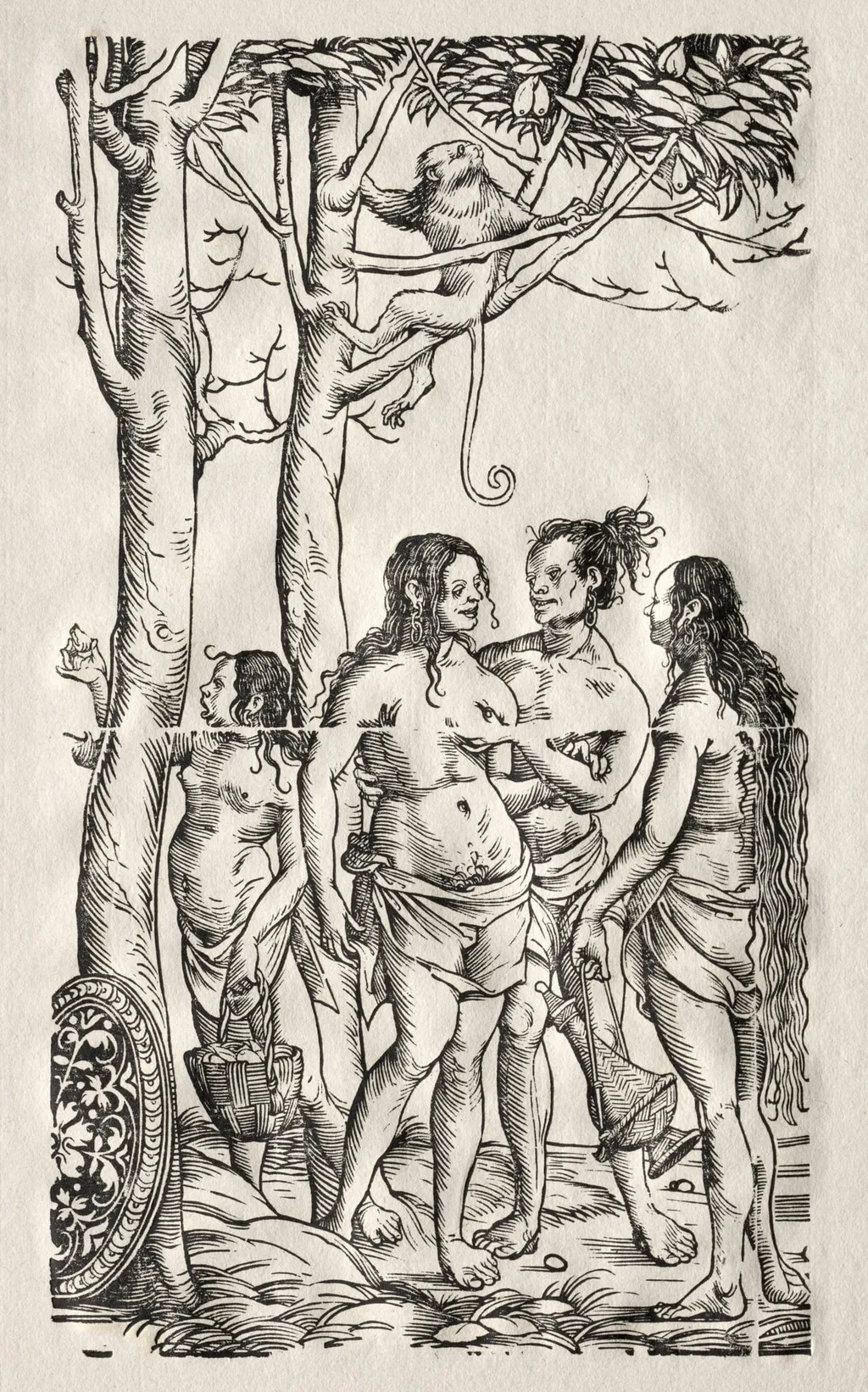
Hottentots with herd is a print by Hans Burgkmair the Elder. It dates from 1512 and is held in the collection of the Cleveland Museum of Art.
About this work
Overview
Created around 1512 by Hans Burgkmair, this black-and-white woodcut depicts four figures beneath a tree, accompanied by a monkey and sparse vegetation. The print is part of a broader European tradition of documenting foreign peoples through printed imagery. It resides in The Cleveland Museum of Art, where it is preserved as an example of early 16th-century Northern European printmaking.
Subject & Meaning
Two clothed individuals stand apart, possibly indicating social distinction.
The figures, labeled 'Hottentots'—a term used historically for Khoikhoi people—appear in a naturalistic grouping, with two adults bare-chested, one holding an infant and the other placing a hand on their shoulder. Two clothed individuals stand apart, possibly indicating social distinction. The monkey in the tree may reflect European assumptions about exoticism or savagery, reinforcing contemporary stereotypes rather than offering ethnographic accuracy.
Technique & Style
Burgkmair employed sharp, linear woodcut techniques typical of the period, using bold outlines and minimal tonal variation. The absence of shading emphasizes form through contour and texture, particularly in the depiction of grass, roots, and foliage. The composition is flattened and stylized, prioritizing symbolic arrangement over spatial depth, consistent with German Renaissance print aesthetics.
History & Provenance
The print was produced during Burgkmair’s active years in Augsburg, a center for woodcut production. It likely circulated as part of illustrated publications or standalone sheets, reflecting European curiosity about distant cultures. Its presence in The Cleveland Museum of Art stems from 20th-century acquisitions of early prints, though its specific provenance prior to that remains undocumented.
Context
In early 16th-century Europe, images of non-European peoples were often based on travelers’ accounts or secondhand descriptions, blending observation with myth. Burgkmair’s print aligns with a genre of ethnographic imagery that sought to categorize and exoticize foreign populations, serving both informational and ideological purposes in an age of expanding global contact.
Legacy
The work stands as a historical artifact of how European artists interpreted and represented non-European subjects during the Age of Exploration. While not a portrait of actual individuals, it reflects the visual language used to convey difference and otherness. Today, it is studied for its cultural assumptions rather than its artistic innovation.
Artist & collection
Artist
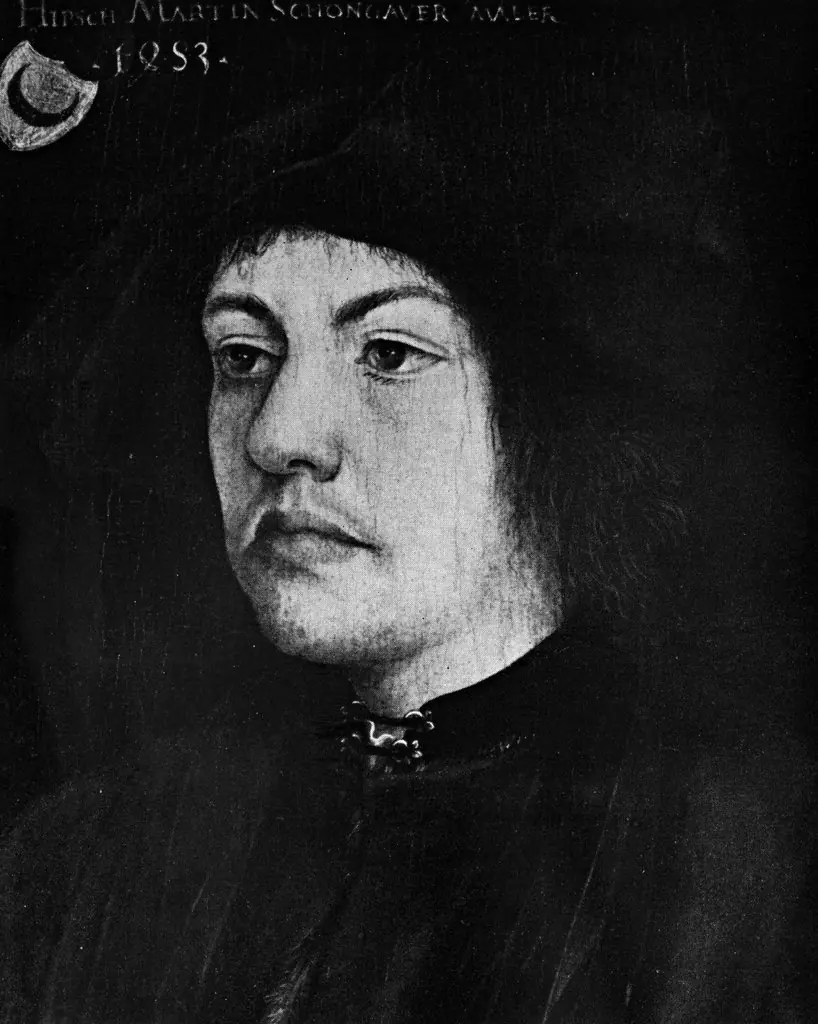
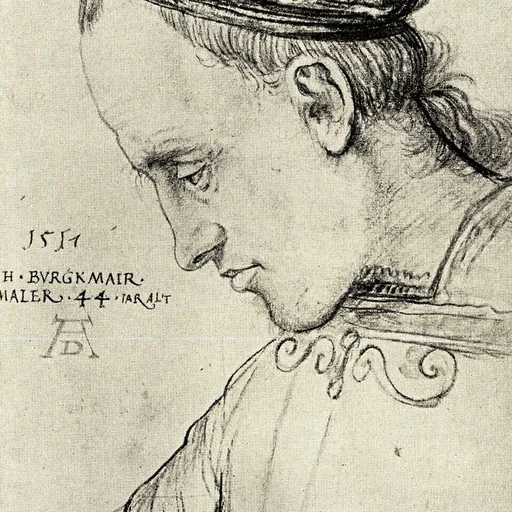
Hans Burgkmair the Elder (1473–1531) was a German artist, born in Augsburg.