Artwork
The Storming of Nantes
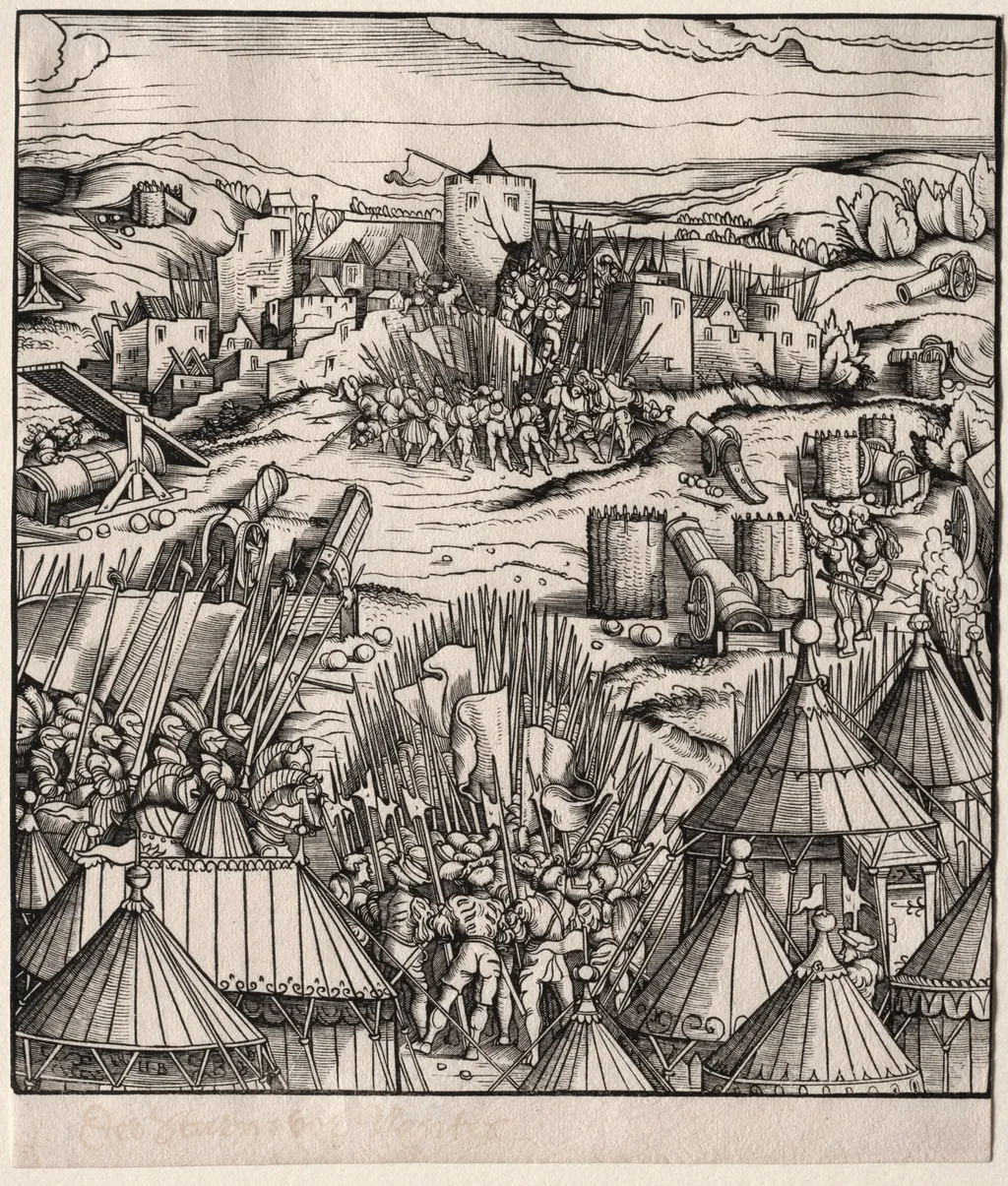
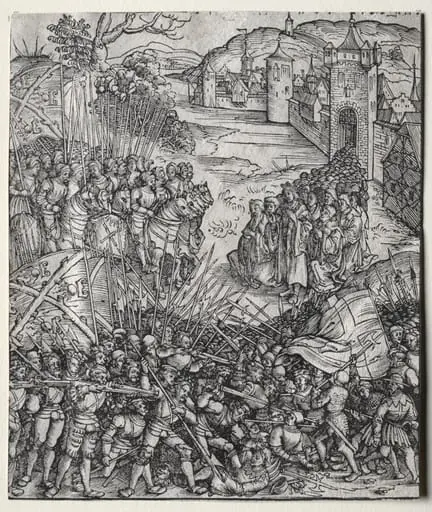
The Storming of Nantes is a print by the Renaissance artist Hans Burgkmair the Elder. It dates from 1514 and is held in the collection of the Cleveland Museum of Art. This woodcut depicts the assault on the French town of Nantes during the War of the Breton Succession.
About this work
Overview
This woodcut depicts the assault on the French town of Nantes during the War of the Breton Succession. It captures a moment of intense urban combat, with soldiers breaching defenses under the cover of artillery fire. The composition emphasizes the coordinated yet chaotic nature of early modern siege warfare, blending mounted and foot troops in close proximity to fortified structures.
Subject & Meaning
The presence of both cavalry and infantry suggests a multi-pronged attack, while the breached walls indicate successful engineering efforts.
The scene illustrates a military campaign aimed at seizing a strategically significant town. The presence of both cavalry and infantry suggests a multi-pronged attack, while the breached walls indicate successful engineering efforts. The focus on hand-to-hand combat with halberds and pikes underscores the brutal, intimate nature of urban warfare in the late medieval period, where control of gates and walls determined victory.
Technique & Style
Executed as a woodcut, the image relies on bold, linear contrasts to convey movement and structure. The artist uses overlapping figures and layered armor to suggest depth without perspective, typical of Northern European printmaking of the era. The absence of shading or tonal gradation reflects the medium’s limitations, yet the clarity of form enhances the immediacy of the action.
History & Provenance
The print likely originated in the late 15th or early 16th century, produced to document or commemorate a campaign in the ongoing conflict between French and Breton forces. Its survival suggests it was circulated among military elites or civic institutions, possibly as propaganda or a record of recent events. No definitive artist or publisher is known.
Context
This image reflects the transitional phase of warfare between medieval and early modern tactics. Artillery was becoming decisive in siege operations, yet infantry armed with polearms still dominated close combat. The depiction aligns with contemporary military manuals and chronicles, illustrating how towns like Nantes—key nodes in regional power struggles—were vulnerable to coordinated assaults.
Legacy
The print serves as a visual record of siege tactics before the widespread adoption of gunpowder infantry. It preserves details of weaponry and formation that are otherwise documented only in written sources. As a surviving example of early war imagery, it contributes to the study of how conflict was visually communicated in pre-modern Europe.
Artist & collection
Artist
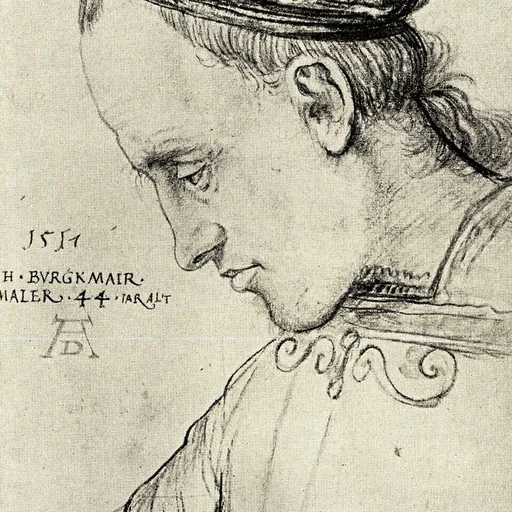
Hans Burgkmair the Elder (1473–1531) was a German artist, born in Augsburg.

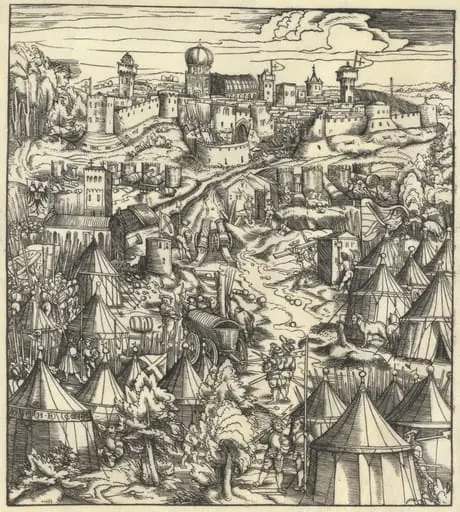 The Battle of Padua
 First Flemish Rebellion
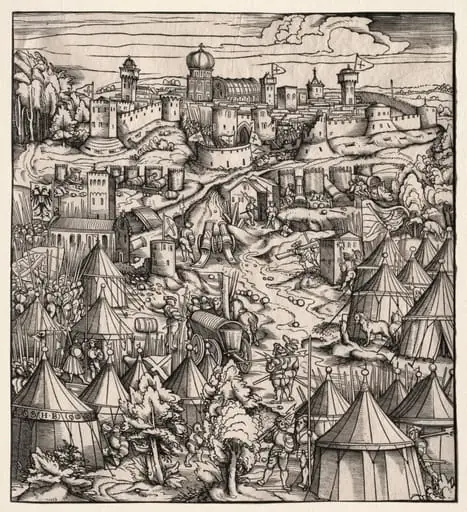 Der Weisskunig (The White King): The Siege of Padua
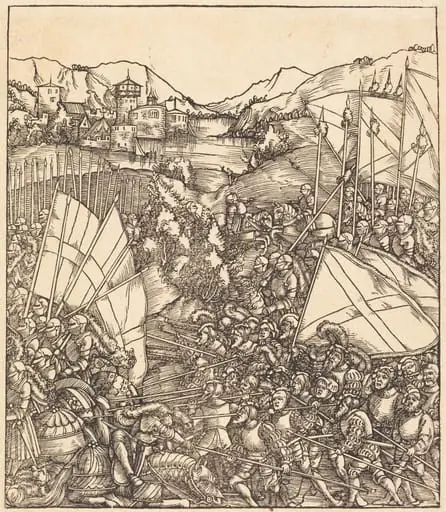 The War at Hainault
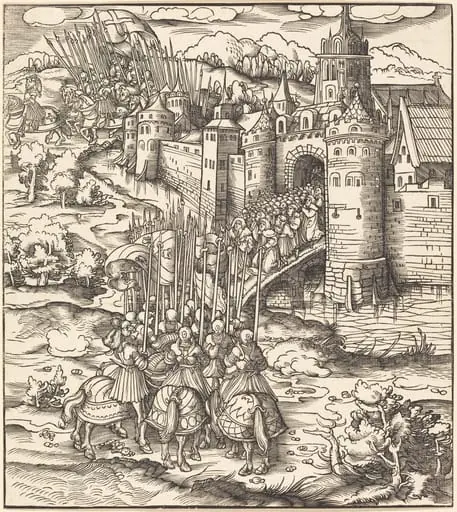 Various Men Kneeling on a Bridge in front of a Town
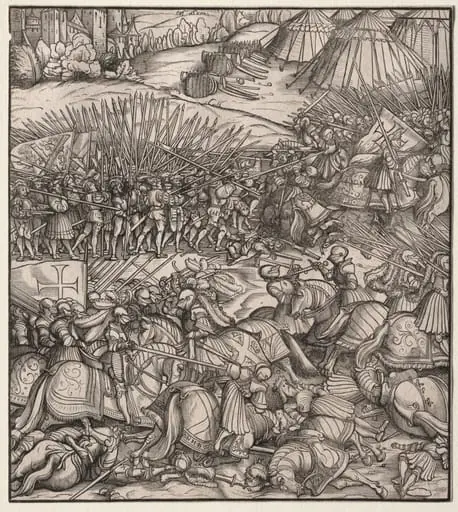 How the French King made war on the King of Feuereisen in his realm and how the King of Feuereisen died in the battle
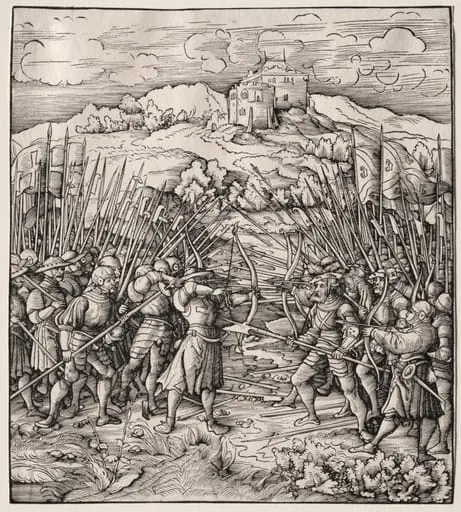 The Battle Against the Blue Company
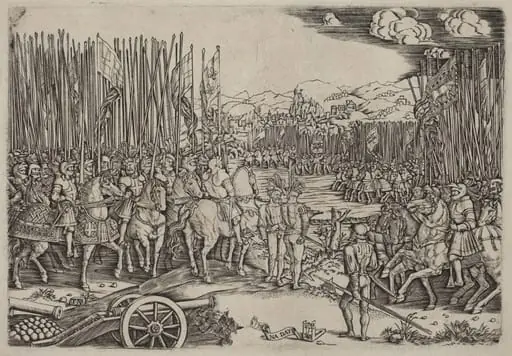 The Two Armies at the Battle of Ravenna
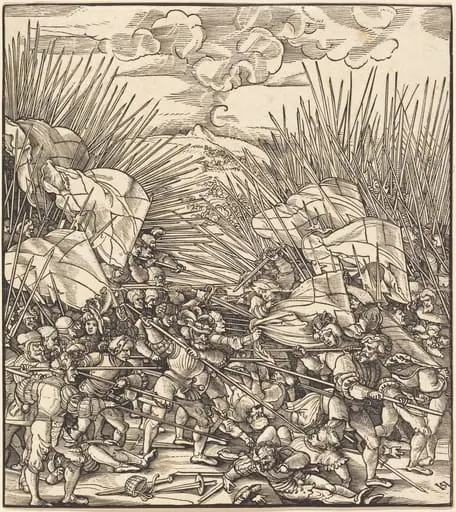 Battle of Cividale
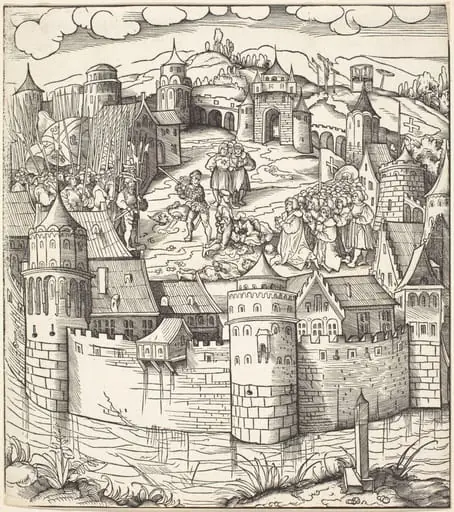 Execution of a Man at a Market-Place of a Town
 Martyrdom of St. Matthias
 Battle of the Foot Soldiers with Lances