Artwork
The Little Buffoon
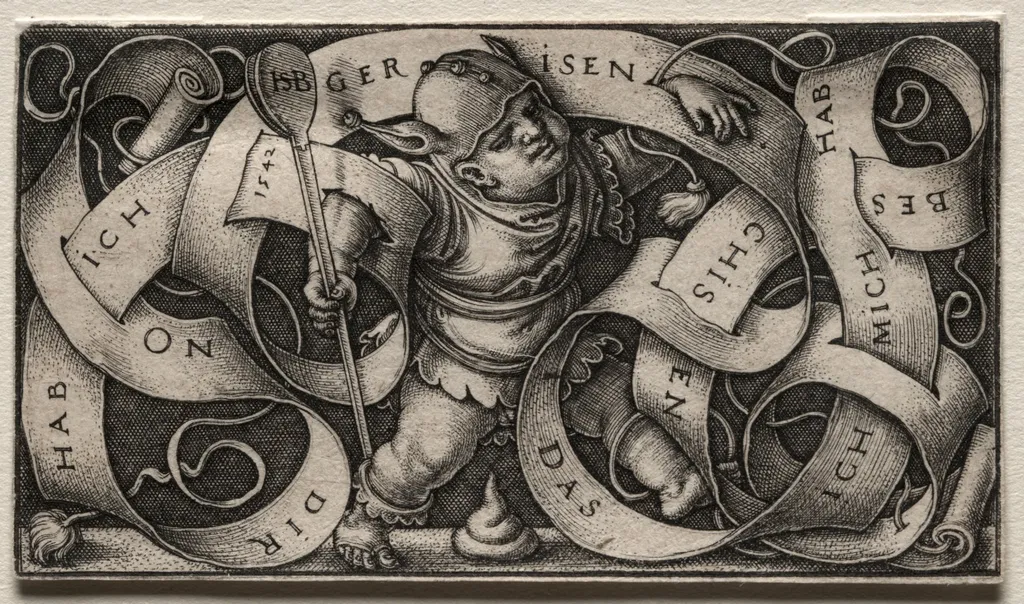
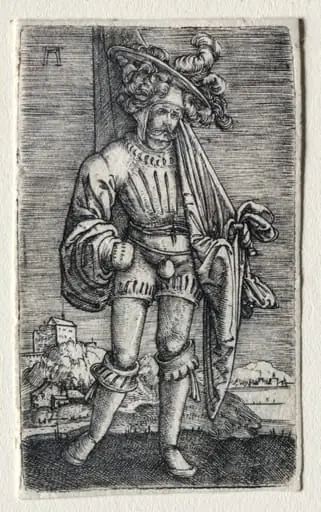
The Little Buffoon is a print by the Renaissance artist Sebald Beham. It dates from 1542 and is held in the collection of the Cleveland Museum of Art.
About this work
Overview
Created in 1542, *The Little Buffoon* is a small-scale engraving by German artist Hans Sebald Beham. The work presents a diminutive, clownish figure rendered with meticulous line work, characteristic of the printmaker’s output during the mid‑sixteenth century.
Subject & Meaning
The central figure is a jester‑type character with an oversized head, elongated nose, and a pointed hat, clutching a spoon. Ribbons bearing illegible script encircle him, suggesting a playful commentary on the conventions of portraiture and the folly of self‑importance.
Technique & Style
Executed in fine engraving, the image relies on dense cross‑hatching and delicate incisions to achieve a muted palette of browns and grays. Beham’s precise handling of line creates texture in the clothing, boots, and surrounding ribbons, emphasizing a realistic yet whimsical visual tone.
History & Provenance
Hans Sebald Beham, a native of Nuremberg who later worked in Frankfurt, belonged to the group of artists known as the “Little Masters.” His career, situated after Albrecht Dürer, focused on compact, highly detailed prints for books and private collectors. *The Little Buffoon* reflects this phase of his prolific printmaking practice.
Context
The engraving emerges from the Northern Renaissance’s fascination with satire and the humanist critique of social pretensions. Within the broader tradition of German printmaking, Beham’s work contributes to a lineage that blends technical virtuosity with witty subject matter, aligning with contemporary trends in small‑format prints.
Artist & collection
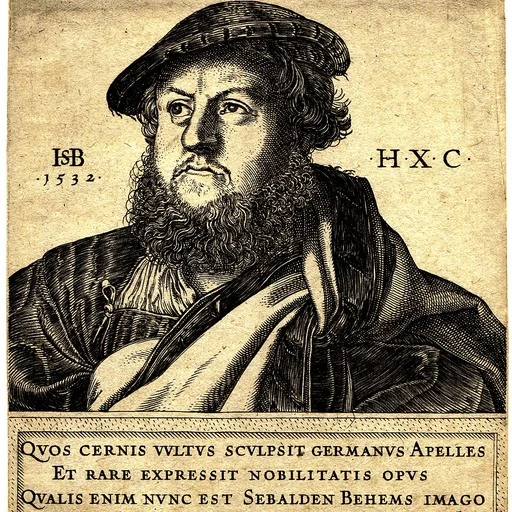
Artist
Sebald Beham (1500–1550) was a German painter and printmaker, mainly known for his very small engravings.


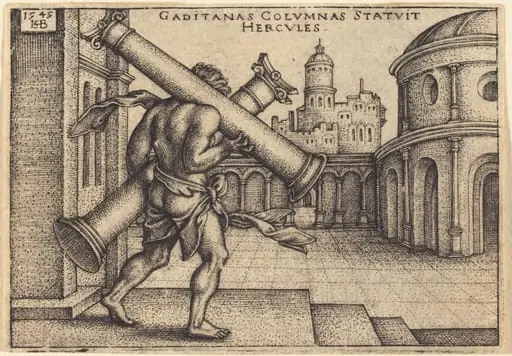
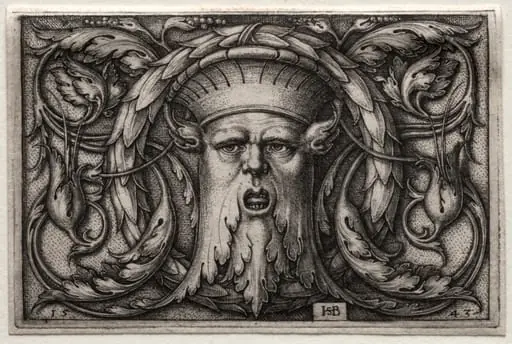 Ornament of Satyr's Head and Wreath
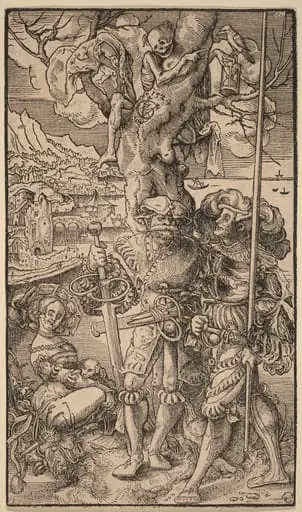 Two Mercenaries and a Woman
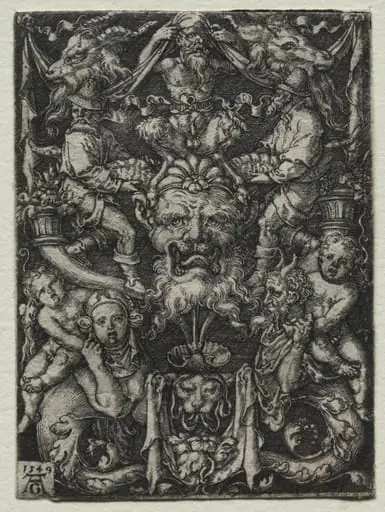 Ornament Design with a Mask, A Couple of Tritons, and Two Children Below
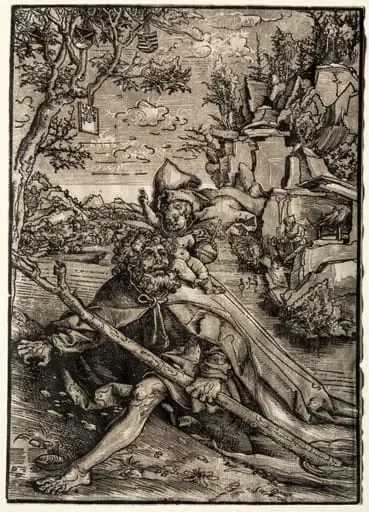 St. Christopher
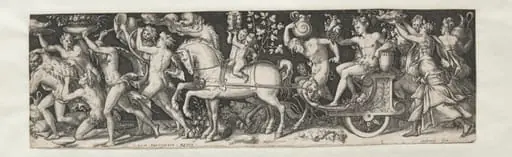 Combats and Triumphs No. 5: The Triumph of Bacchus
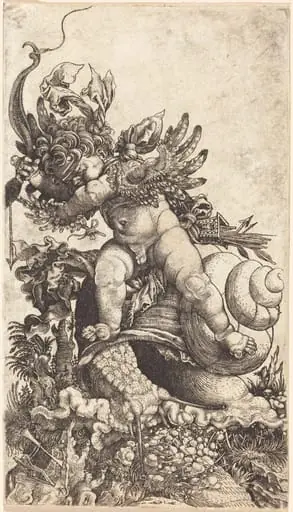 Cupid Riding a Snail over Fungus Vegetation
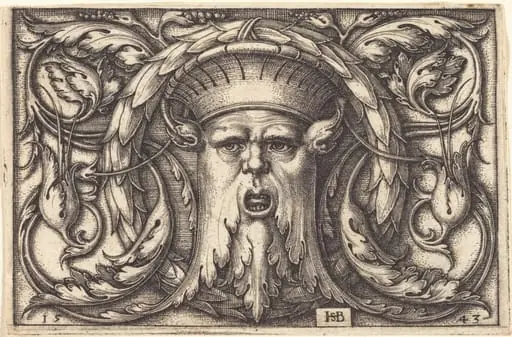 Ornament Panel with a Large Bearded Mask
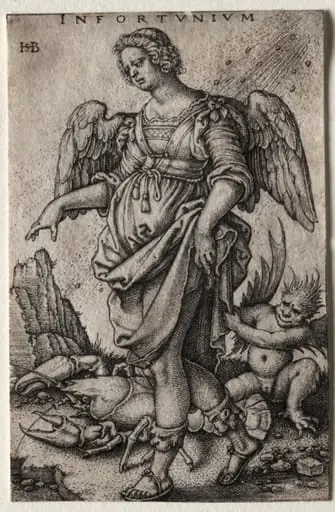 Misfortune
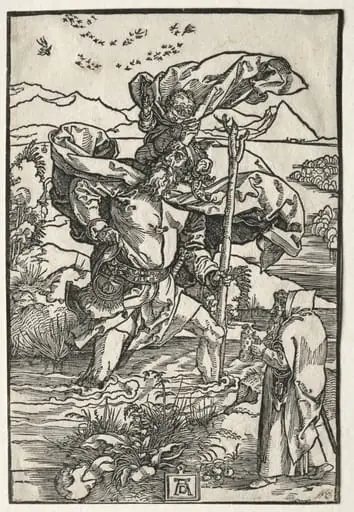 St. Christopher with the Birds
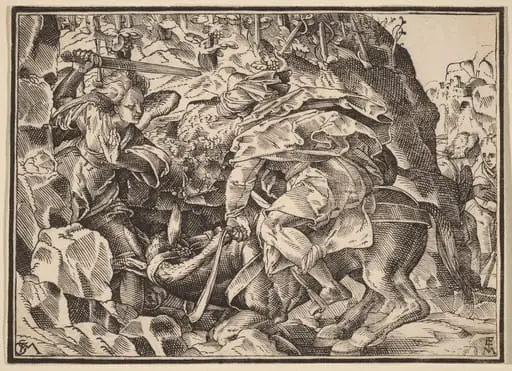 Christ Tells His Disciples of the Last Judgment
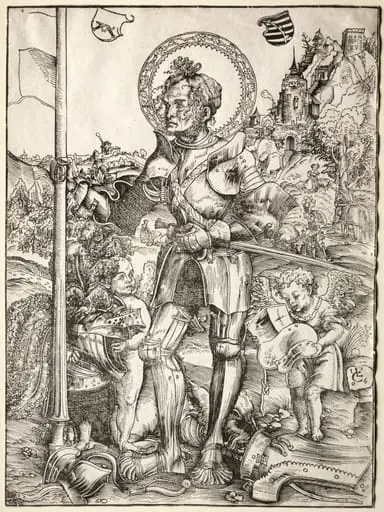 Saint George Standing
 The Little Standard Bearer