Artwork
Black Vulture
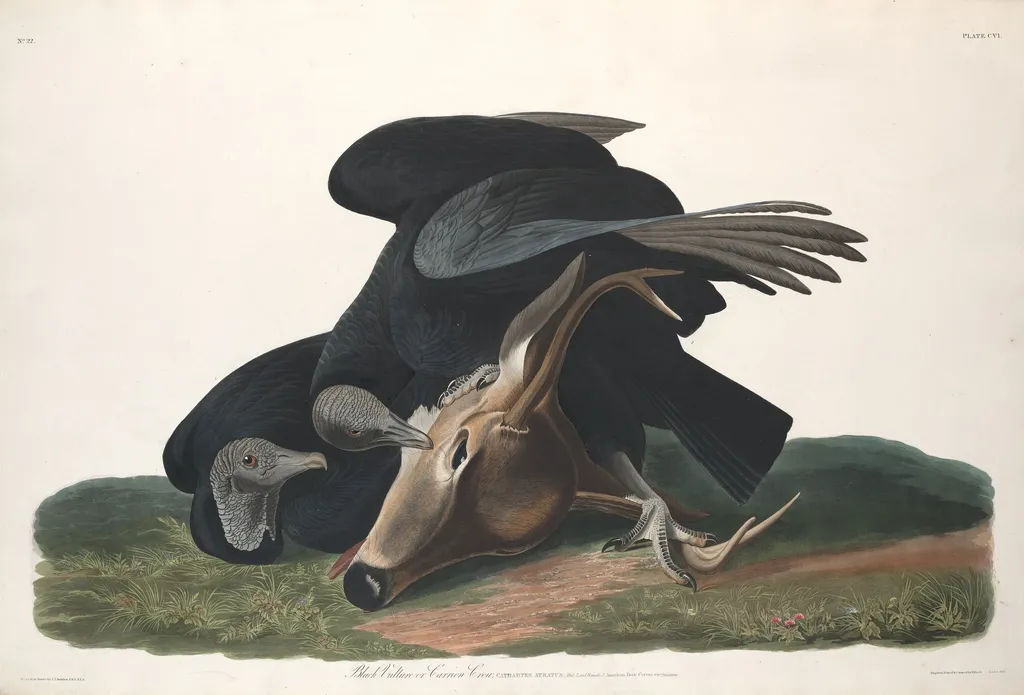
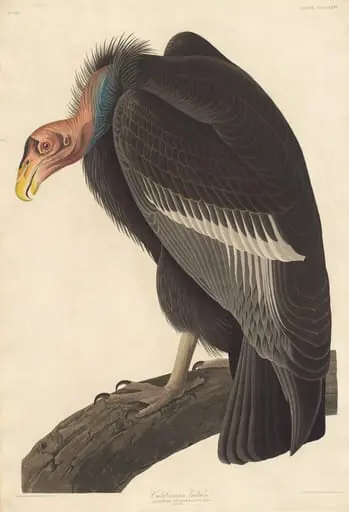
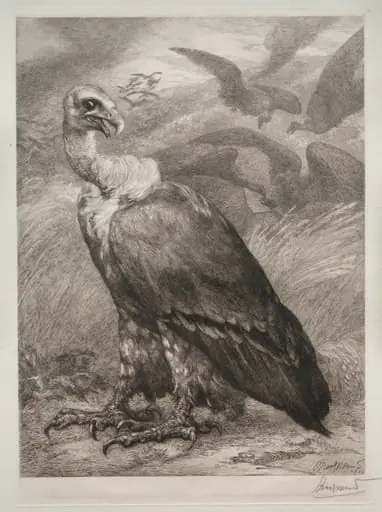
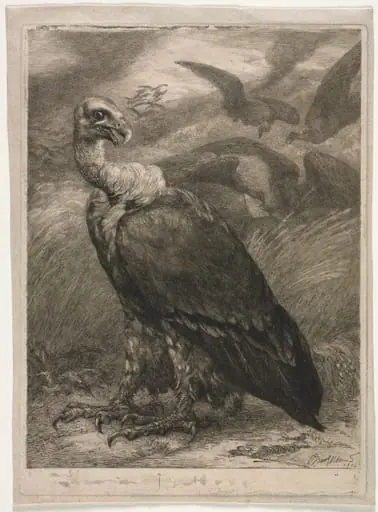
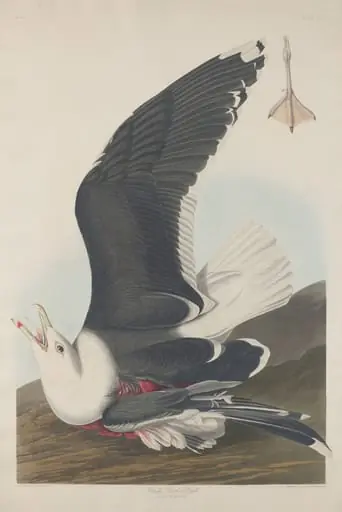
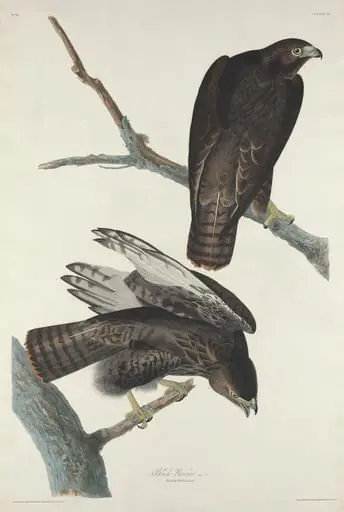
Black Vulture is an ink print by the Romanticist artist Robert Havell Jr.. It dates from 1831 and is held in the collection of the National Gallery of Art.
About this work
Overview
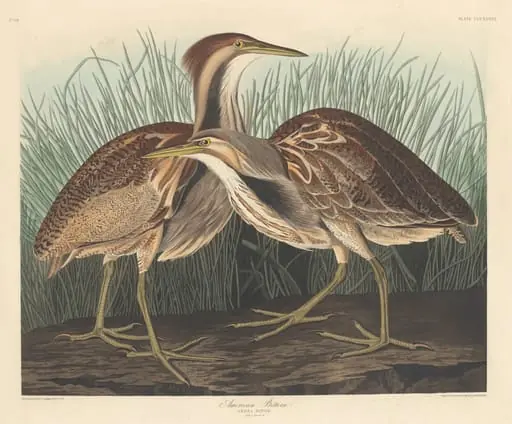
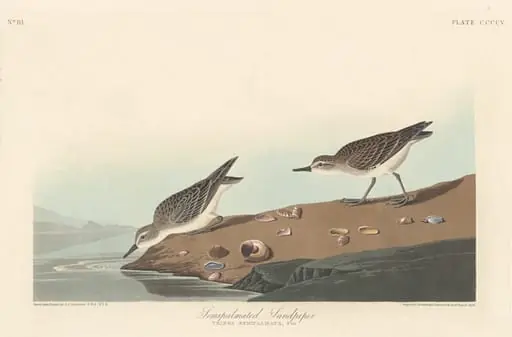
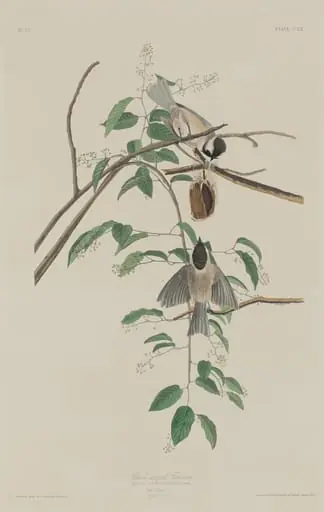
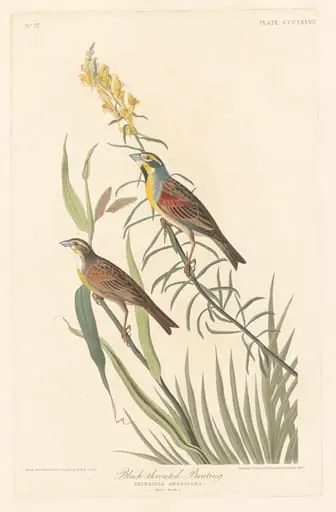
Black Vulture is a hand-colored engraving and aquatint print created by Robert Havell Jr. in 1831 on Whatman wove paper. It showcases the artist's technical proficiency and family legacy in printmaking techniques.
Subject & Meaning
The print depicts a black vulture standing on a rock with one wing slightly raised, suggesting a moment of arrival. Beyond its realistic portrayal, the work was originally intended for a book on American fauna in the early 19th century.
Technique & Style
Characteristic of the Havell family's expertise, the engraving combines precise detail with the expressive qualities of aquatint. Hand-coloring adds uniqueness to each print, highlighting the blend of technical skill and manual craftsmanship.
History & Provenance
Part of a family lineage of engravers, etchers, and painters, Robert Havell Jr.'s work follows in the tradition of his father, Robert Havell the Elder, and uncle, Luke Havell. The piece is now held in the collection of the National Gallery of Art, Washington.
Context
Created for an early 19th-century publication on American animals, Black Vulture reflects the period's interest in natural history and the Havell family's engagement with diverse cultural subjects, including Indian art and culture.
Legacy
While specific lasting impacts of Black Vulture on subsequent art movements are not prominently documented, it remains a testament to the Havell family's contribution to the development of aquatint technique and 19th-century natural history illustration.
Artist & collection

Artist
The Havell family of Reading, Berkshire, England, included a number of notable engravers, etchers and painters, as well as writers, publishers, educators, and musicians.