Artwork
Canadian Titmouse
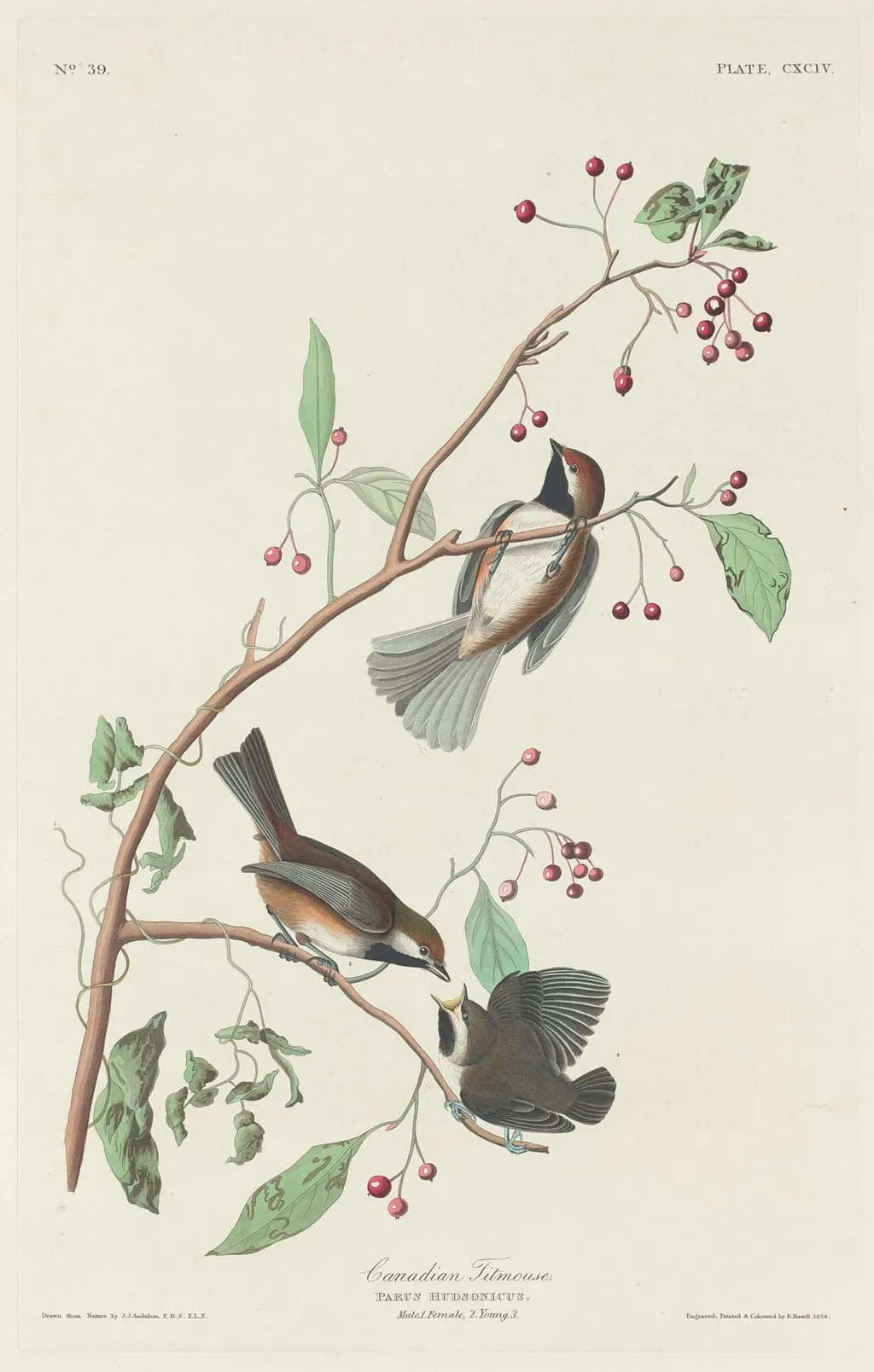
Canadian Titmouse is an ink print by the Romanticist artist Robert Havell Jr.. It dates from 1834 and is held in the collection of the National Gallery of Art.
About this work
Overview
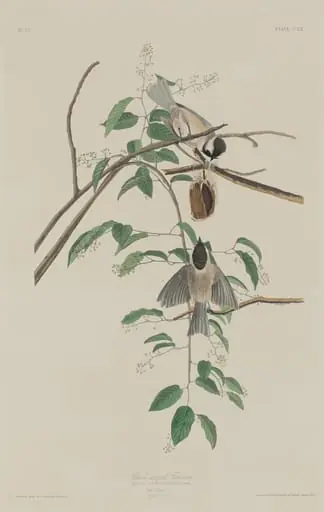
Canadian Titmouse is a hand-colored engraving and aquatint print created by Robert Havell Jr. in 1834 on Whatman wove paper. The work features three small birds arranged around a curved, leafy branch adorned with red berries.
Subject & Meaning
The print depicts three Canadian Titmice in varied poses (facing left, right, and down) on a branch, emphasizing movement and energy. The composition centers on the branch, with birds arranged to convey dynamism.
Technique & Style
Havell Jr. employed a combination of engraving for fine details and aquatint for tonal variations, with hand-coloring to enhance textures and tones of both the birds (brown, white, black) and the foliage (green, red).
History & Provenance
Robert Havell Jr., from a family of English engravers and artists based in Reading, Berkshire, created this work in 1834. His background included ties to Indian art and culture, alongside expertise in aquatint techniques.
Context
This piece reflects Havell Jr.'s adherence to a traditional English engraving and aquatint technique, adapted for natural history subjects like the Canadian Titmouse.
Legacy
While specific legacy details of *Canadian Titmouse* are not provided, the work exemplifies Havell Jr.'s contribution to illustrated natural history through precise, detailed printmaking techniques.
Artist & collection

Artist
The Havell family of Reading, Berkshire, England, included a number of notable engravers, etchers and painters, as well as writers, publishers, educators, and musicians.

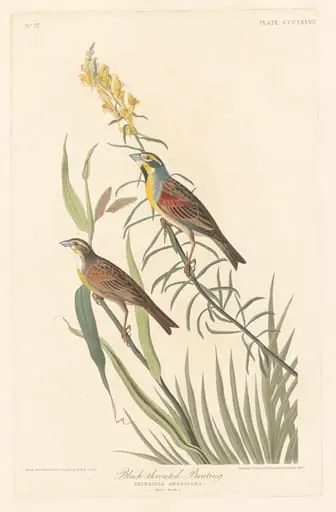
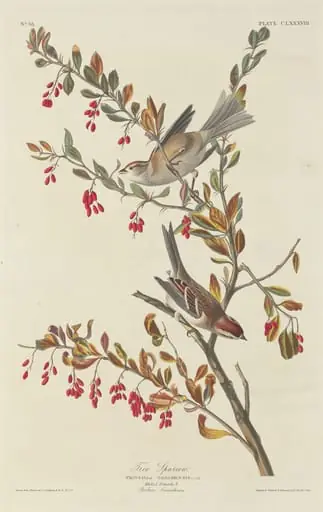 Tree Sparrow
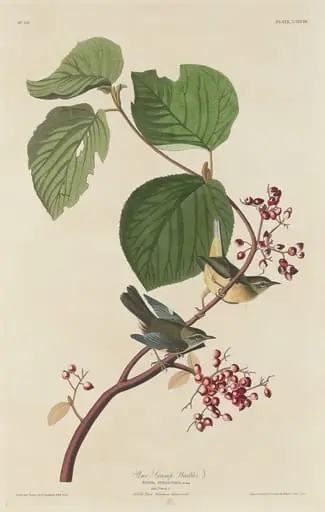 Pine Swamp Warbler
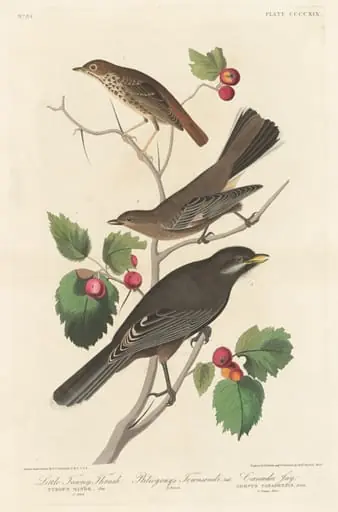 Little Tawny Thrush
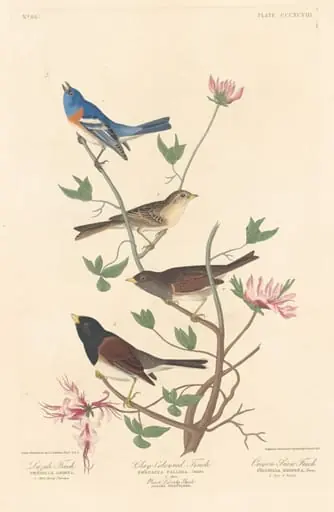 Lazuli Finch, Clay-colored Finch and Oregon Snow Finch
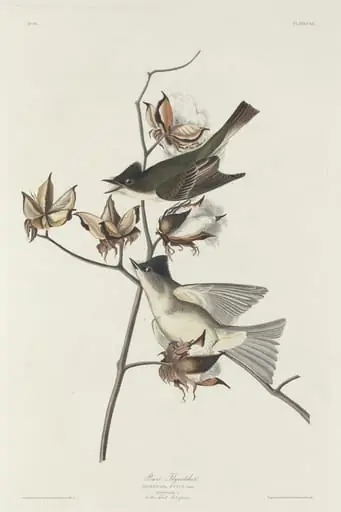 Pewit Flycatcher
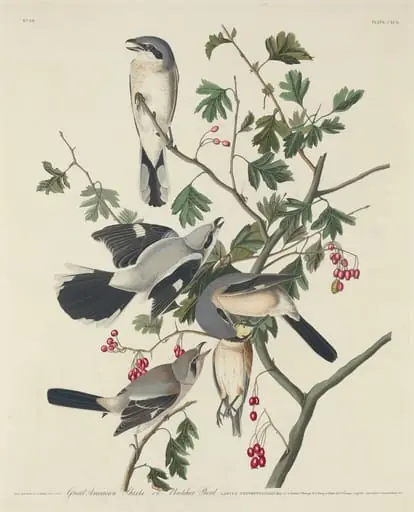 Great American Shrike or Butcher Bird
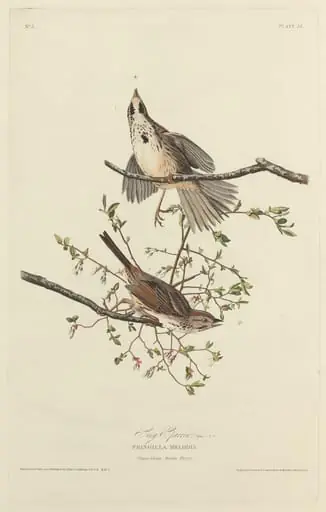 Song Sparrow
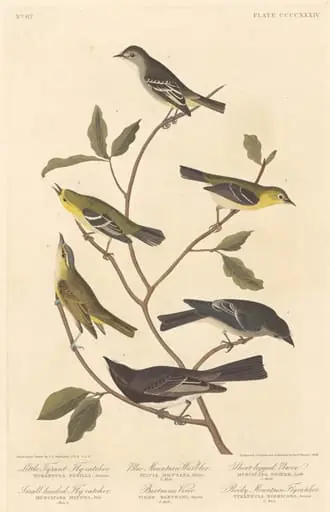 Little Tyrant Flycatcher, Small-Headed Flycatcher, Blue Mountain Warbler, Bartram's Vireo, Short-Legged Pewee, and Rocky Mountain Flycatcher
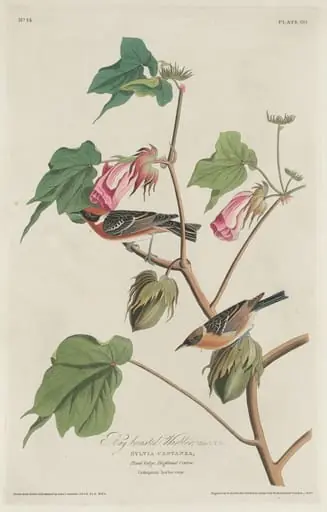 Bay-breasted Warbler
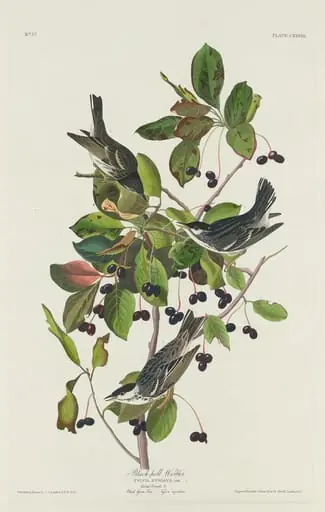 Black-Poll Warbler