Artwork
Great blue Heron
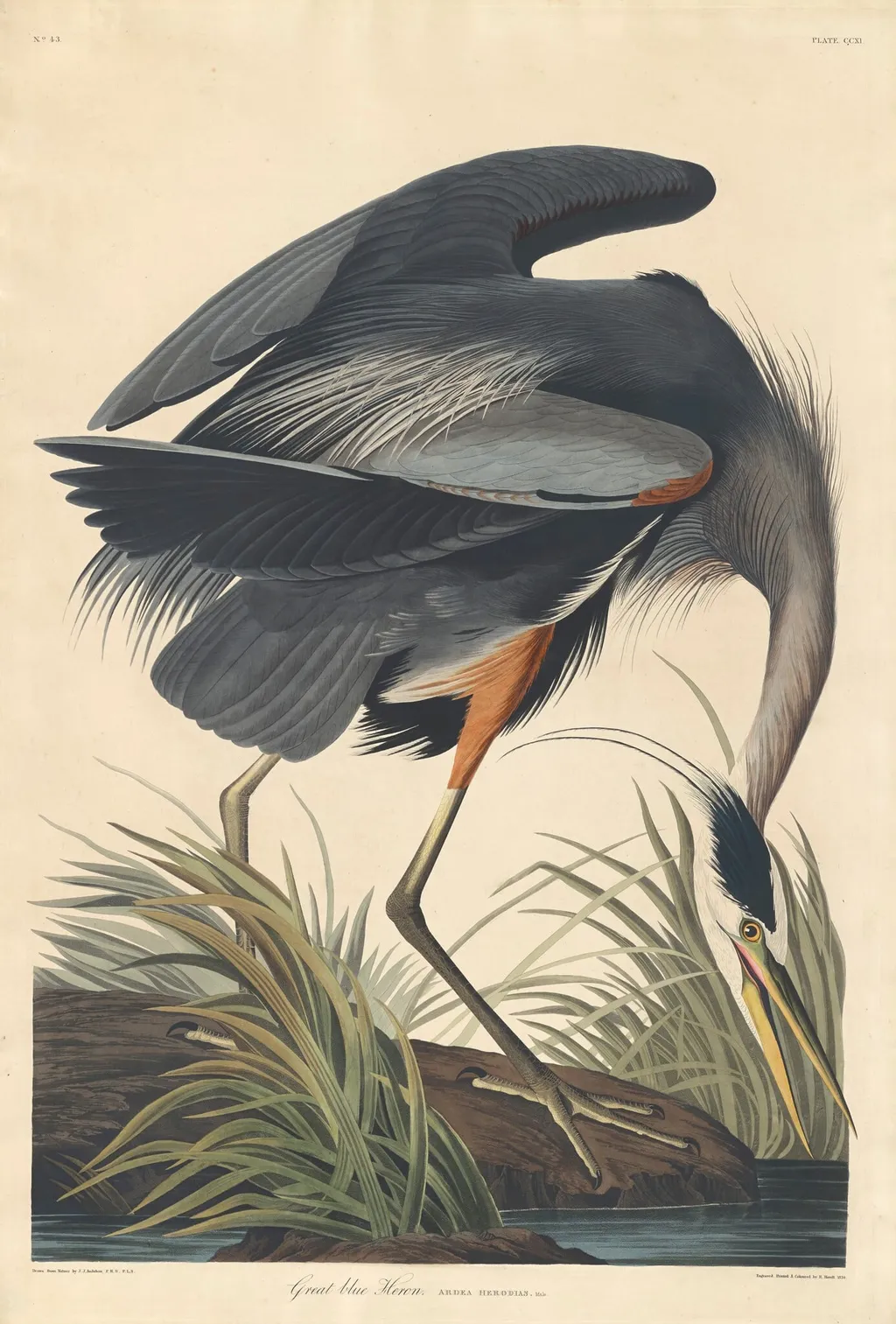
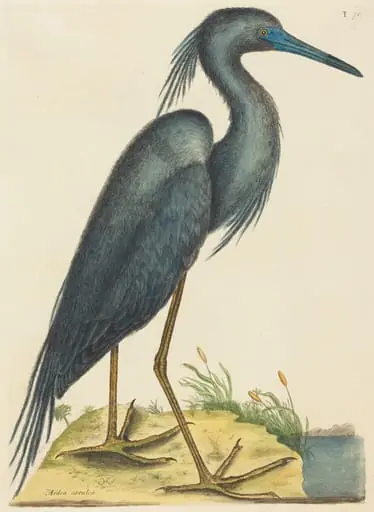
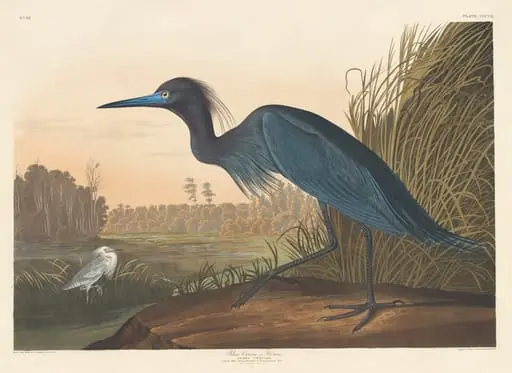
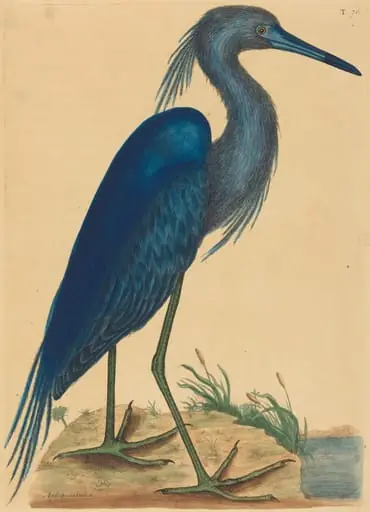
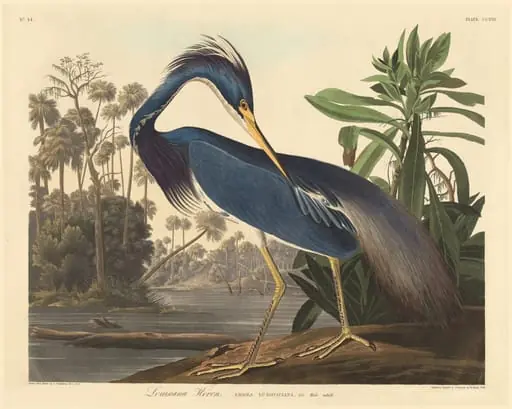
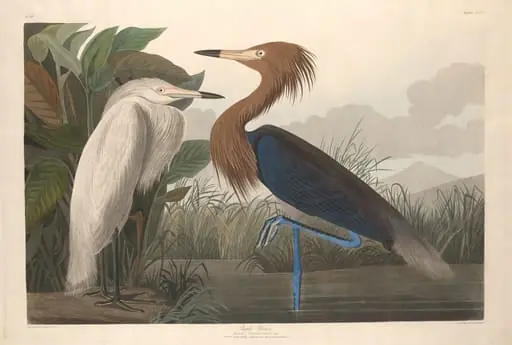
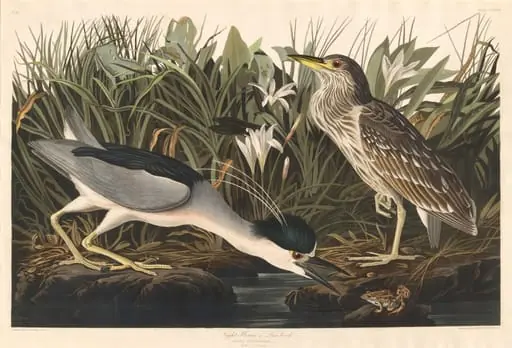
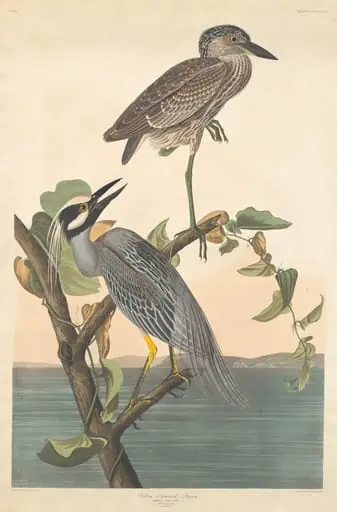
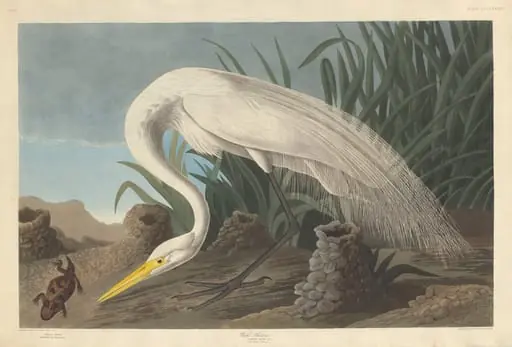
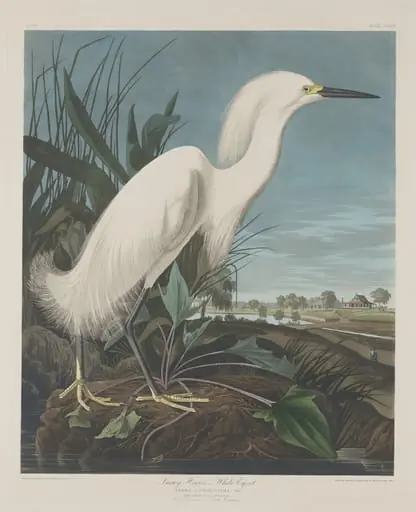
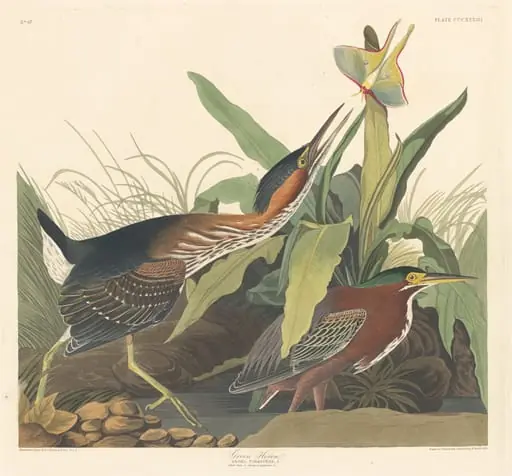
Great blue Heron is an ink print by the Romanticist artist Robert Havell Jr.. It dates from 1834 and is held in the collection of the National Gallery of Art. Created in 1834, the print titled *Great Blue Herer* is executed in hand‑colored engraving and aquatint on a sheet of Whatman wove paper.
About this work
Overview
Created in 1834, the print titled *Great Blue Herer* is executed in hand‑colored engraving and aquatint on a sheet of Whatman wove paper. The image presents a solitary great blue heron, rendered with a restrained palette that emphasizes the bird’s plumage against a minimal background.
Subject & Meaning
The composition isolates the heron in a quiet, natural setting, allowing the viewer to focus on the bird’s poised stance and subtle coloration. The use of blue tones highlights the species’ distinctive feathers, while the sparse surroundings reinforce a sense of calm observation.
Technique & Style
The work combines traditional engraving with aquatint, a method the Havell family refined for its capacity to produce delicate tonal gradations. Hand‑applied color adds a layer of specificity, enhancing the aquatint’s soft shadows and giving the heron a lifelike presence on the smooth, high‑quality Whatman paper.
History & Provenance
Robert Havell Jr., son of the noted engraver Robert Havell the Elder, produced the print within a family tradition of printmaking that blended technical expertise with documentary illustration. The Havells were recognized for their contributions to aquatint and for their long‑standing engagement with artistic practices linked to Indian art and culture.
Artist & collection

Artist
The Havell family of Reading, Berkshire, England, included a number of notable engravers, etchers and painters, as well as writers, publishers, educators, and musicians.