Artwork
Pied Oyster-Catcher
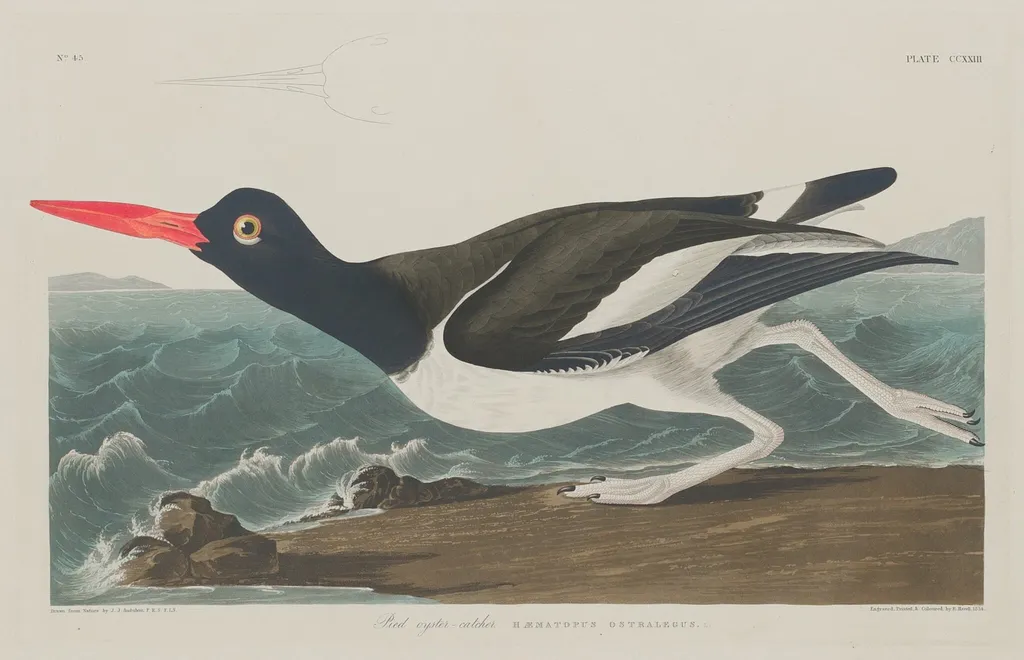
Pied Oyster-Catcher is an ink print by the Romanticist artist Robert Havell Jr.. It dates from 1834 and is held in the collection of the National Gallery of Art.
About this work
Overview
It belongs to a tradition of natural history illustration that combined scientific accuracy with artistic refinement.
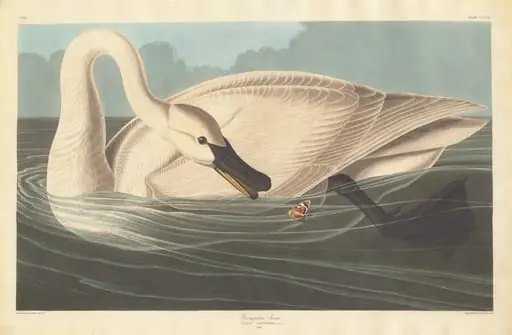
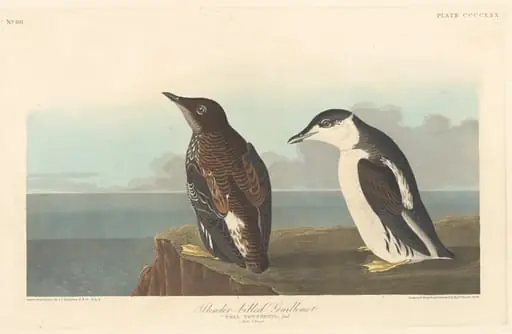
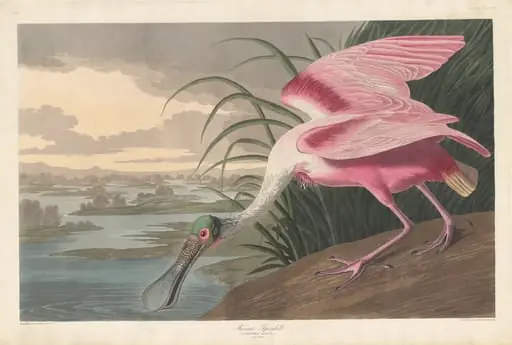
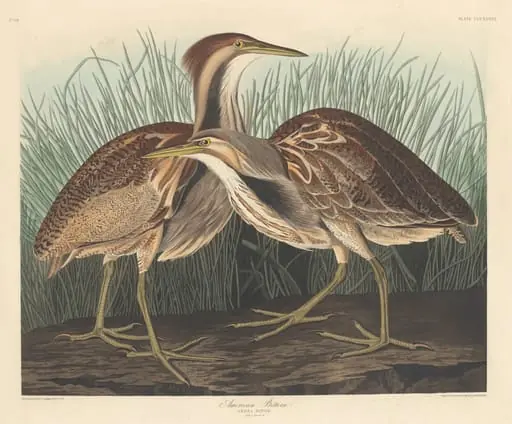
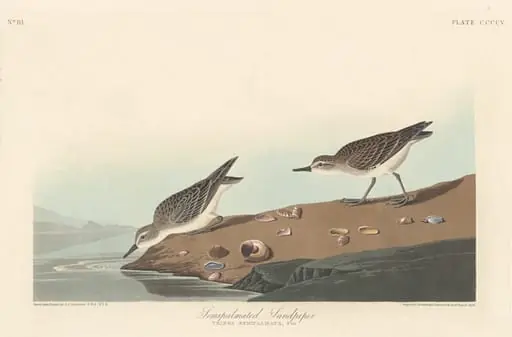
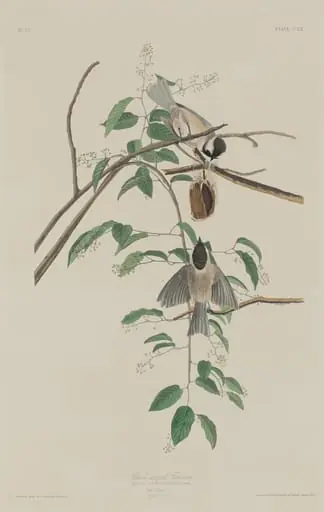
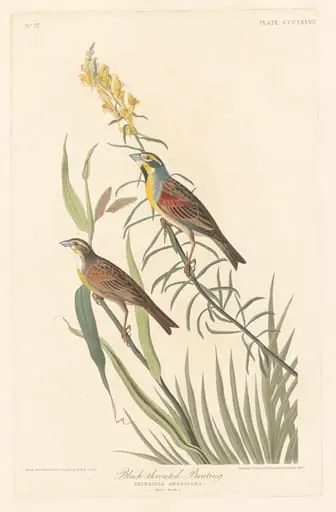
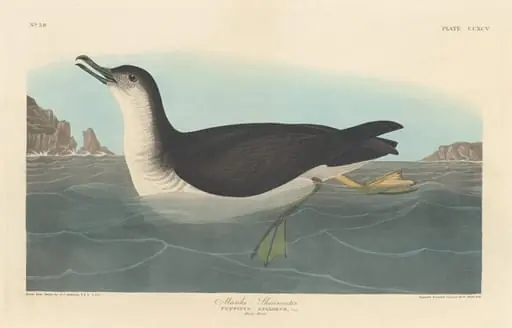
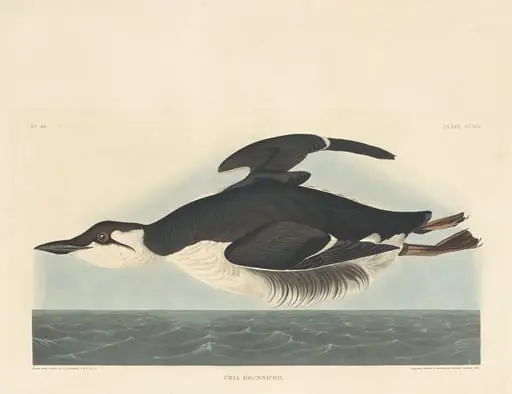
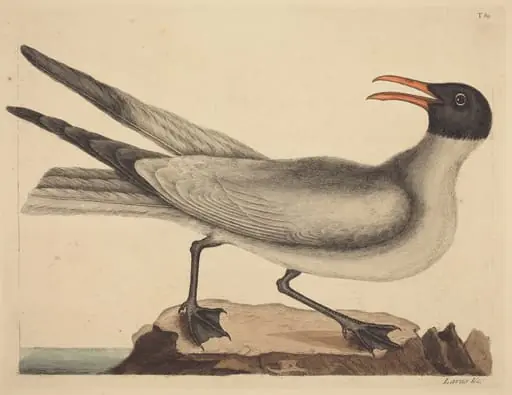
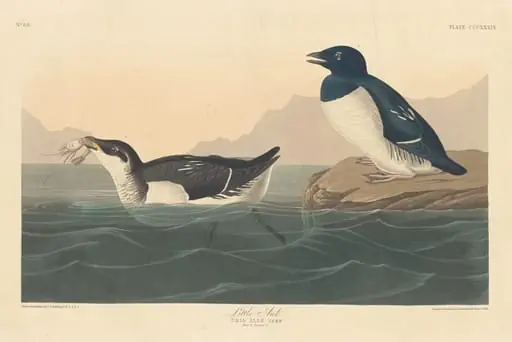
Created in 1834 by Robert Havell Jr., this print is a hand-colored engraving and aquatint on Whatman wove paper. It belongs to a tradition of natural history illustration that combined scientific accuracy with artistic refinement. The Havell family, known for their technical skill in printmaking, produced numerous works documenting avian species during this period, often for scientific publications.
Subject & Meaning
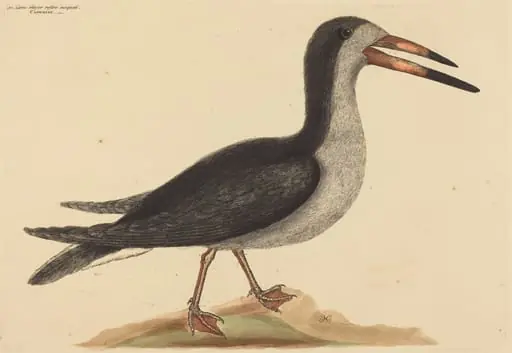
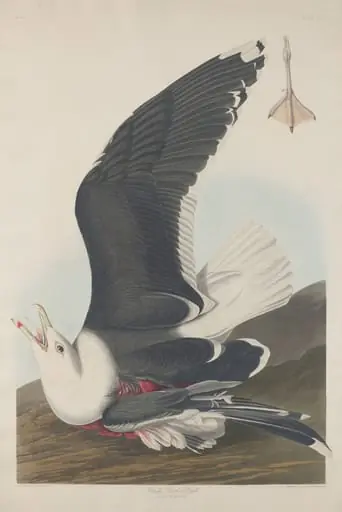
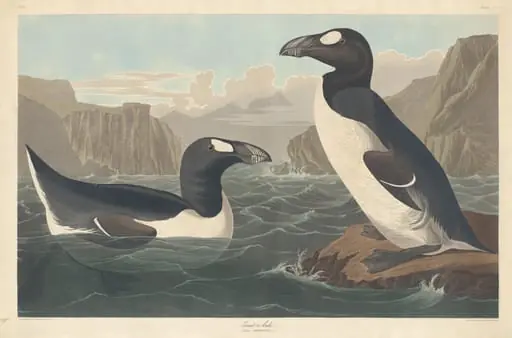
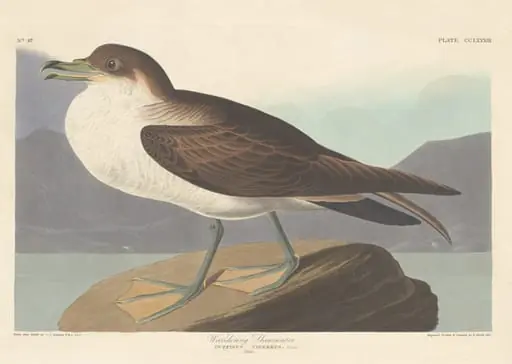
The image portrays a pied oystercatcher, a coastal wading bird distinguished by its stark black-and-white plumage and elongated orange-red bill. Three birds are depicted: one in flight with wings fully extended, another hovering above the water, and a third standing on a rocky shore. The composition emphasizes the bird’s adaptation to its marine environment, reflecting the era’s interest in documenting wildlife behavior and habitat.
Technique & Style
Havell employed aquatint and fine-line engraving to render intricate textures—the ruffled feathers of the bird, the choppy surface of the waves, and the jagged contours of the rocks. Hand-coloring added subtle tonal variations, enhancing realism without overwhelming detail. The precision of the lines and the controlled gradations of tone align with the conventions of early 19th-century scientific illustration, prioritizing clarity over ornamentation.
History & Provenance
Robert Havell Jr. was part of a multi-generational family of engravers based in London, active in producing natural history prints. His father and uncle were also printmakers, and the family’s workshop contributed illustrations to major publications, including Audubon’s works. This print likely originated from a larger series documenting British or colonial bird species, though its exact publication context remains unconfirmed.
Context
In the 1830s, interest in natural history surged among both scientists and the public, driving demand for accurate visual records of flora and fauna. Engraved prints like this one served as primary references before photography. The Havell family’s work intersected with this movement, bridging art and science through meticulous craftsmanship and attention to anatomical detail.
Legacy
Though not widely exhibited today, Havell’s prints remain valued for their technical precision and historical significance in ornithological documentation. They represent a transitional phase in visual science, where hand-crafted imagery was the standard for recording biodiversity. His contributions helped shape how naturalists and the public visualized wildlife during a formative period in ecological study.
Artist & collection

Artist
The Havell family of Reading, Berkshire, England, included a number of notable engravers, etchers and painters, as well as writers, publishers, educators, and musicians.