Artwork
Rice Bunting
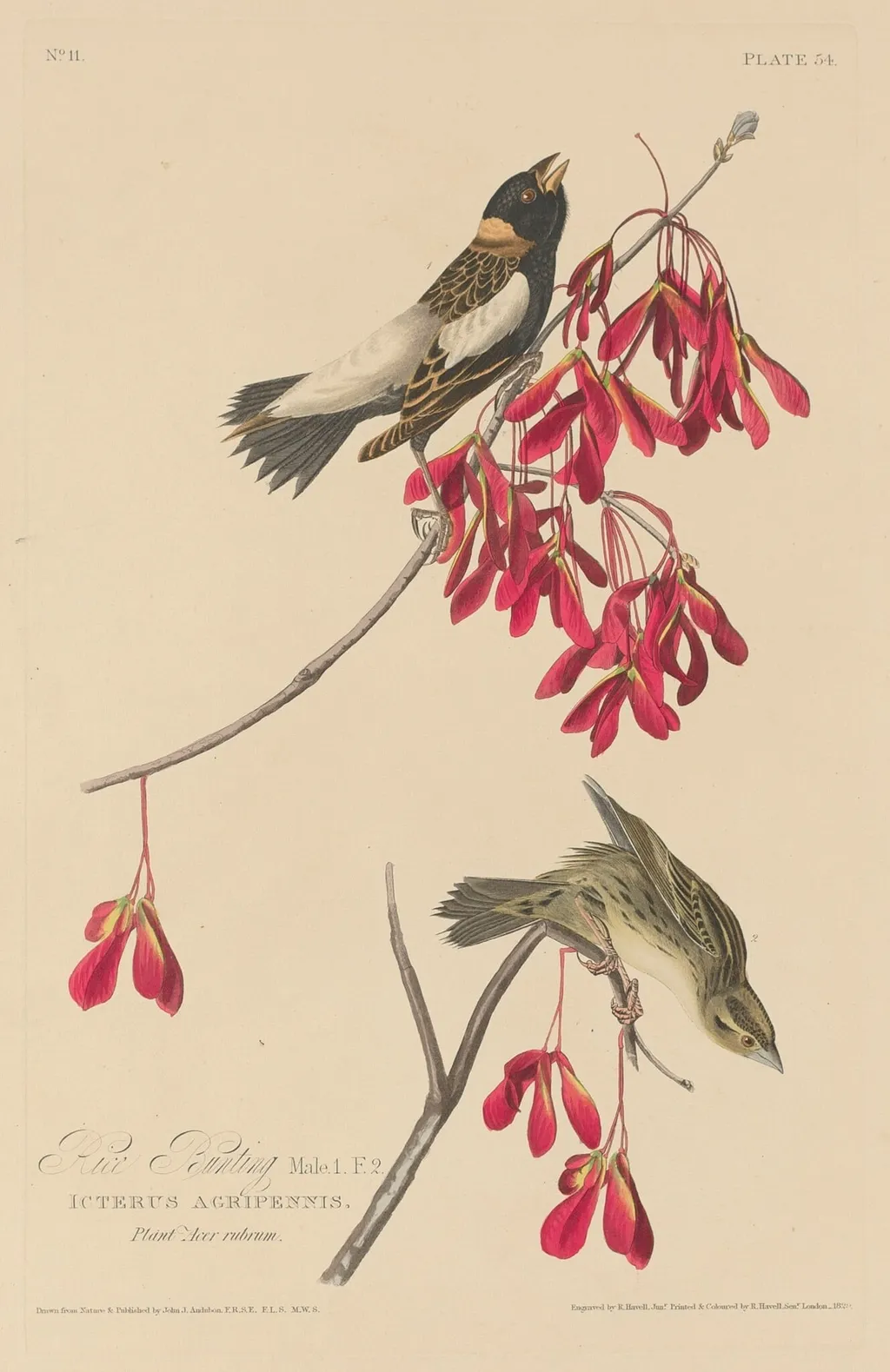
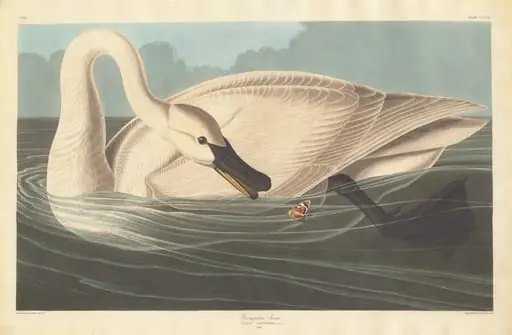
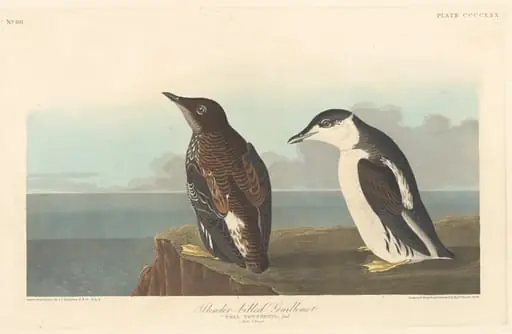
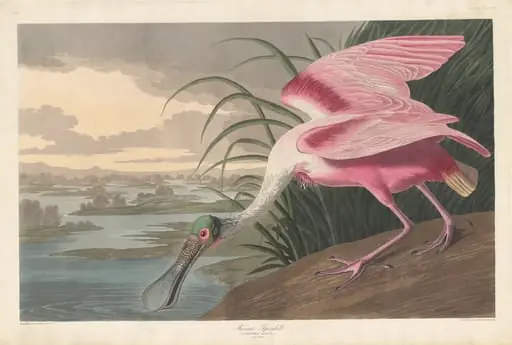
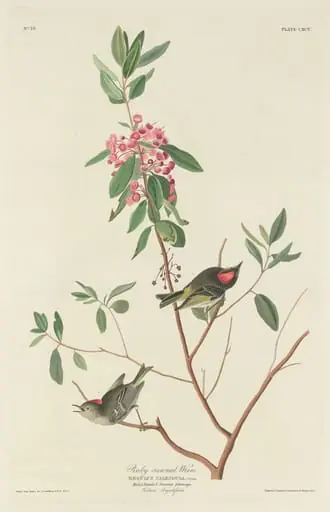
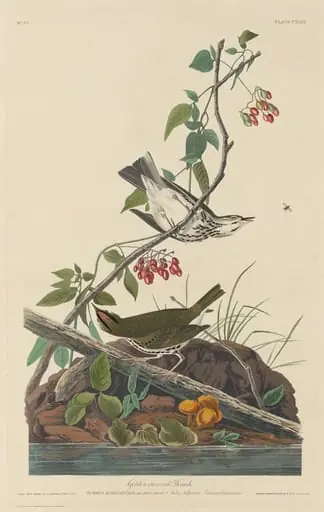
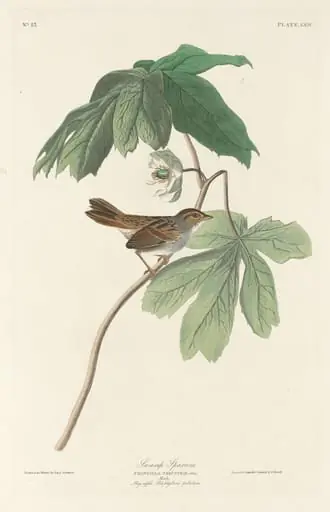
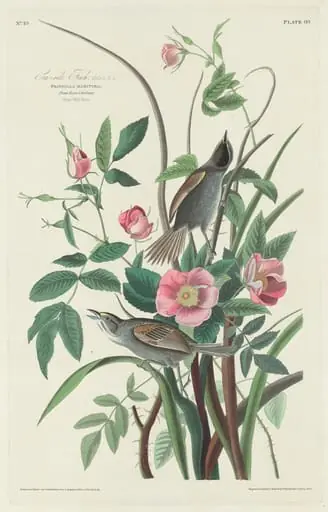
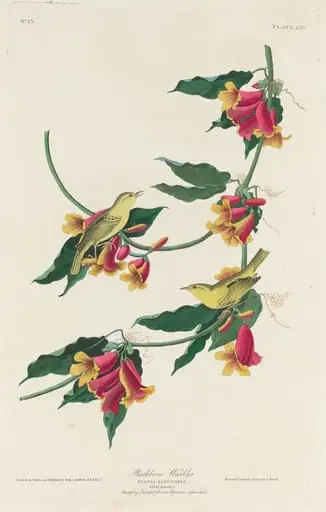
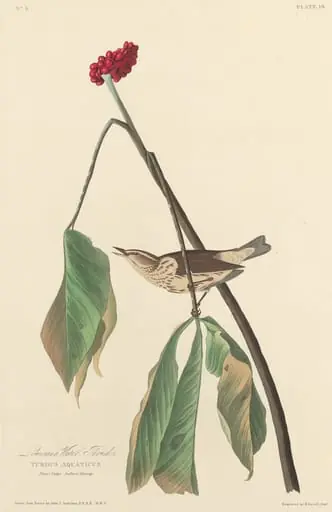
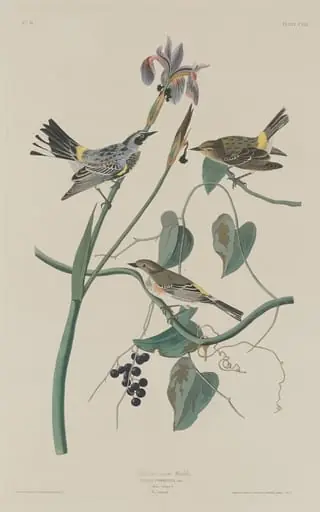
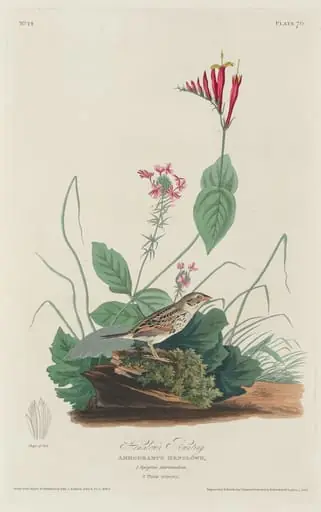
Rice Bunting is an ink print by the Romanticist artist Robert Havell Jr.. It dates from 1829 and is held in the collection of the National Gallery of Art.
About this work
Overview
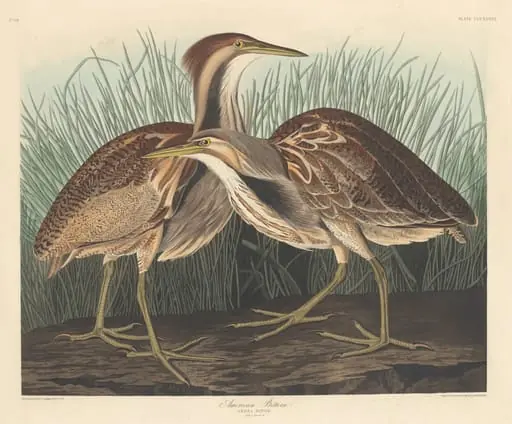
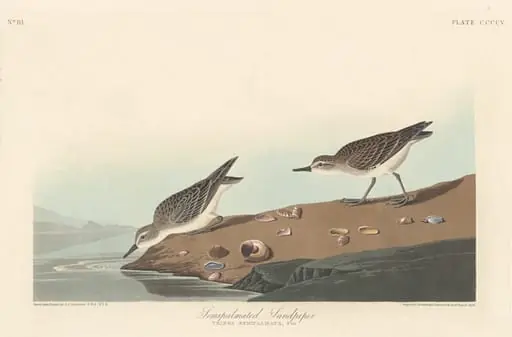
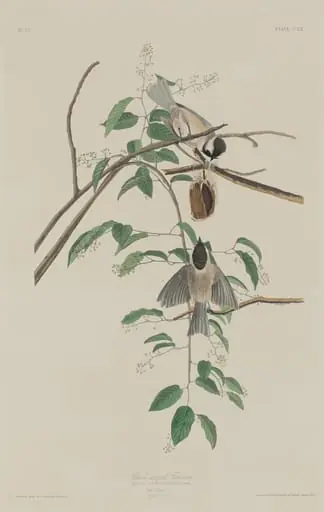
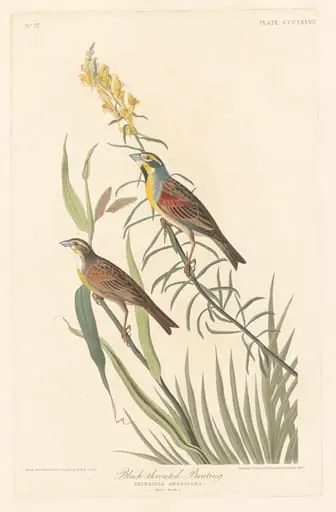
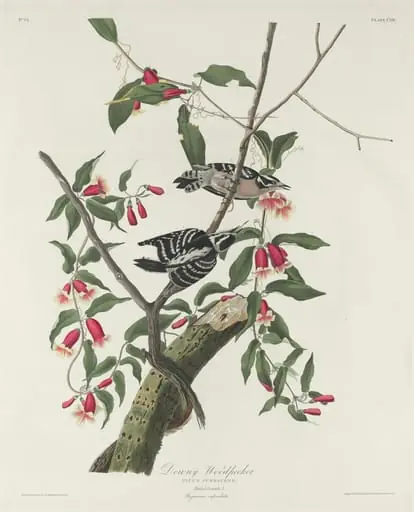
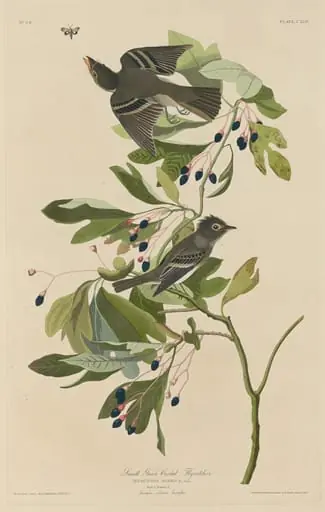
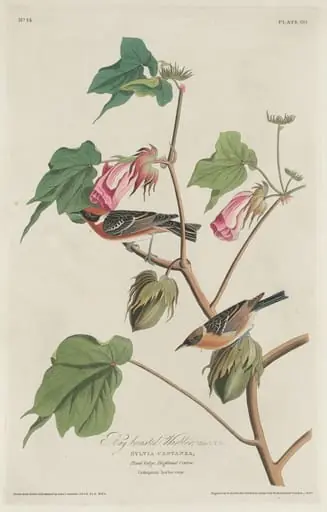
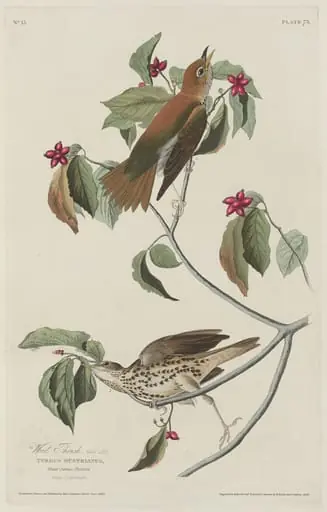
Created in 1829 by Robert Havell Jr., *Rice Bunting* is a hand‑colored engraving combined with aquatint, executed on fine Whatman wove paper. The print measures modestly and presents a solitary bird situated among slender rice stalks, rendered with the crisp line work and subtle tonal washes characteristic of early‑19th‑century British natural history illustration.
Subject & Meaning
The image focuses on a small passerine, identified as a rice bunting, perched amid cultivated rice. By placing the bird within an agricultural setting, the work highlights the relationship between native wildlife and human‑managed landscapes, reflecting contemporary interests in documenting the natural world for scientific and aesthetic purposes.
Technique & Style
Havell employed a dual process: precise copper engraving to define outlines and fine details, followed by aquatint to achieve broad, watercolor‑like tones. After printing, selective hand‑coloring added realistic hues to the bird’s plumage and the surrounding foliage, demonstrating the Havell family’s mastery of printmaking methods that balanced accuracy with visual appeal.
History & Provenance
was part of a prominent family of engravers; his father, Robert Havell the Elder, ran a successful publishing house that produced natural history volumes.
Robert Havell Jr. was part of a prominent family of engravers; his father, Robert Havell the Elder, ran a successful publishing house that produced natural history volumes. *Rice Bunting* was likely produced for inclusion in a larger series of ornithological plates, though its exact publication context remains undocumented. The print has survived in private collections and occasional museum holdings, illustrating the enduring interest in early scientific illustration.
Artist & collection

Artist
The Havell family of Reading, Berkshire, England, included a number of notable engravers, etchers and painters, as well as writers, publishers, educators, and musicians.