Artwork
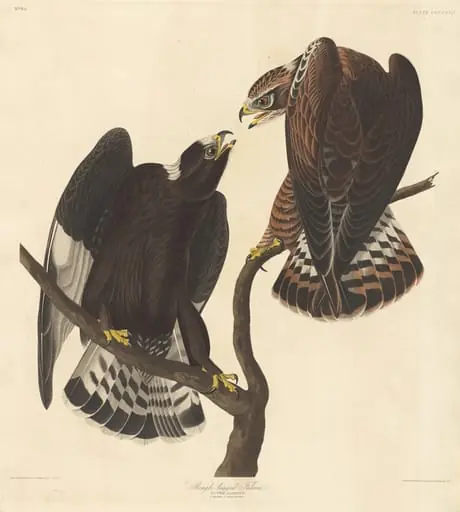
Rough-legged Falcon
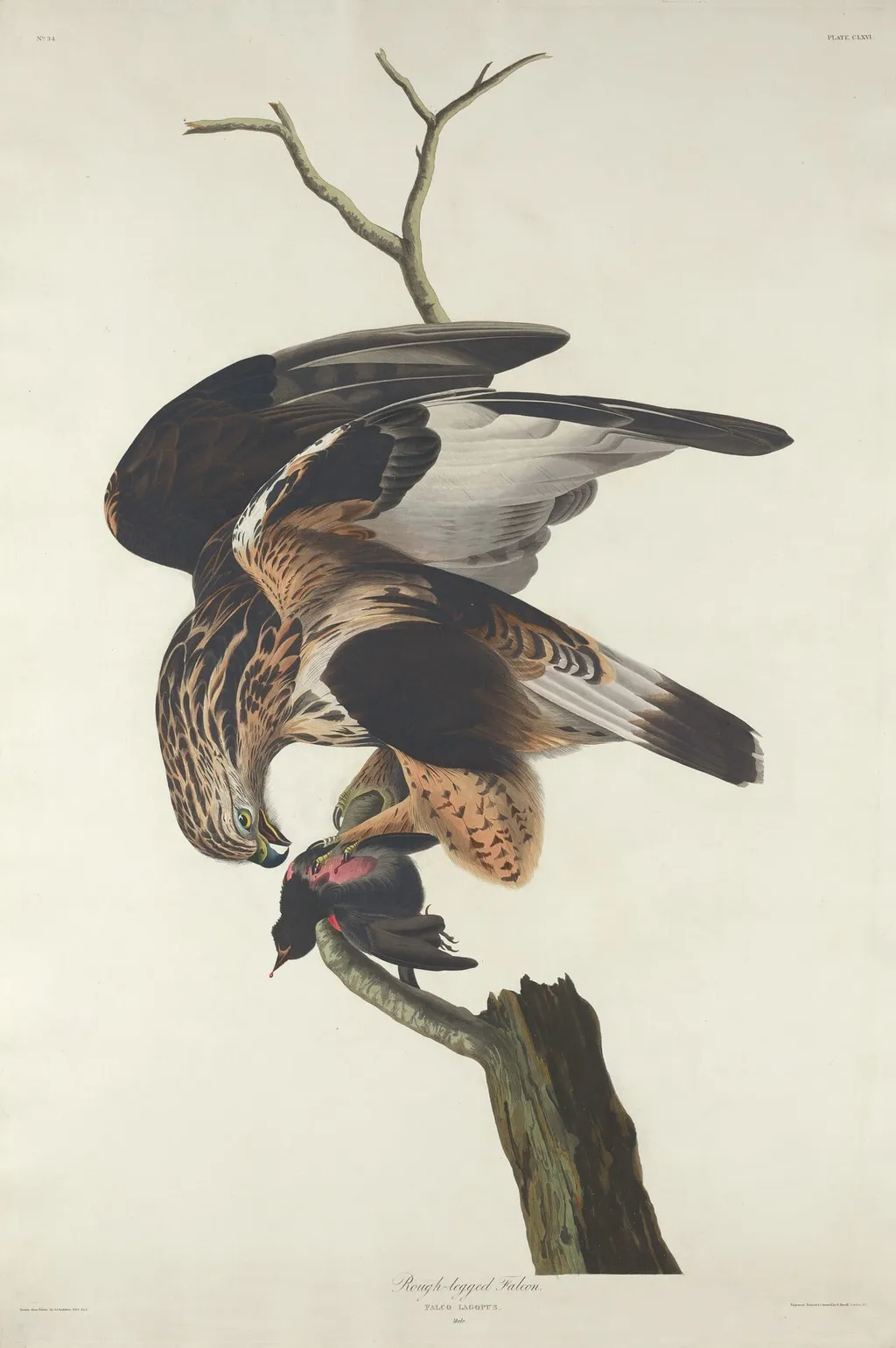
Rough-legged Falcon is an ink print by the Romanticist artist Robert Havell Jr.. It dates from 1833 and is held in the collection of the National Gallery of Art.
About this work
Overview
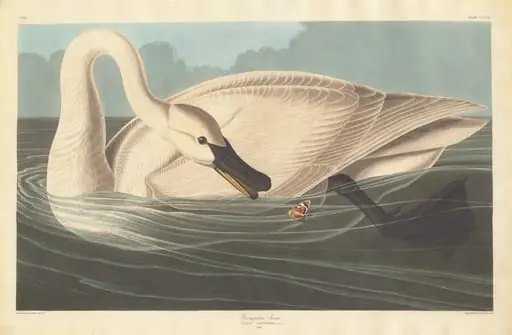
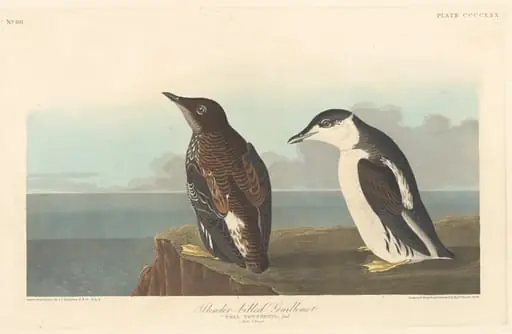
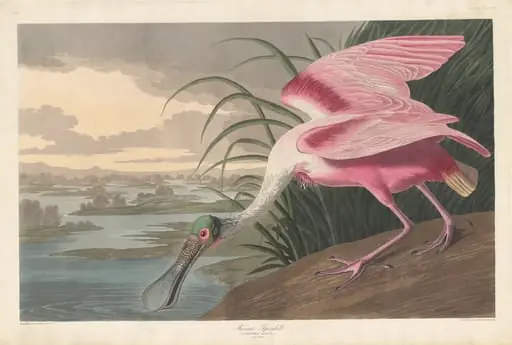
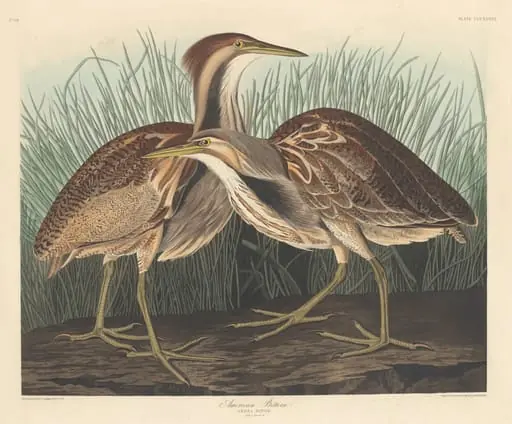
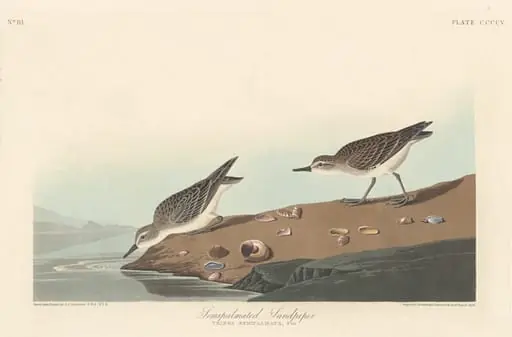
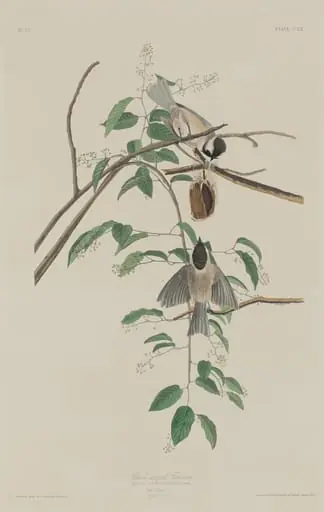
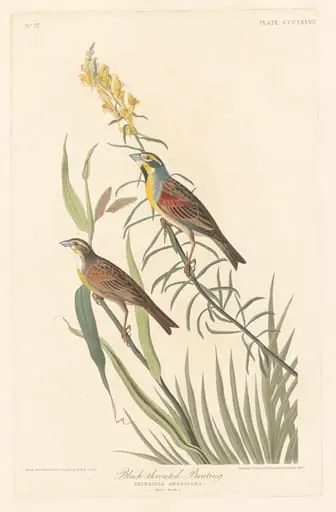
Havell, trained in his father’s engraving workshop, applied technical precision to depict wildlife with both accuracy and aesthetic care.
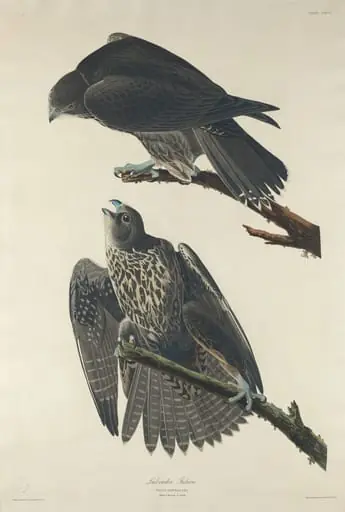
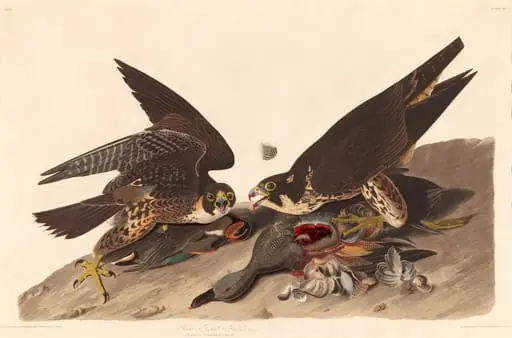
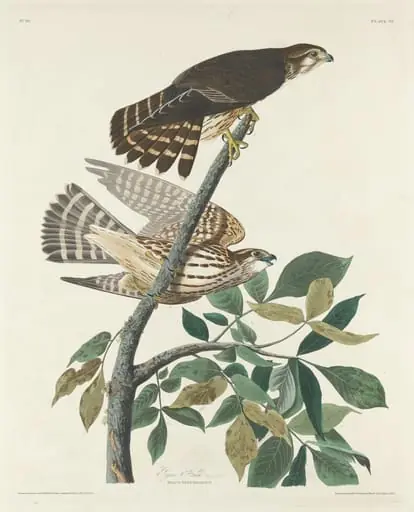
Created in 1833 by Robert Havell Jr., this print is a hand-colored engraving and aquatint on Whatman wove paper. It belongs to a series of ornithological illustrations produced during the early 19th century, reflecting a period of heightened scientific interest in natural history. Havell, trained in his father’s engraving workshop, applied technical precision to depict wildlife with both accuracy and aesthetic care.
Subject & Meaning
The image captures a rough-legged falcon in flight, talons gripping a small, lifeless bird. The scene conveys a moment of predatory action, rendered without sentimentality. The falcon’s outstretched wings and open beak emphasize its physical power, while the contrast between the prey’s stillness and the predator’s motion suggests the inevitability of natural cycles. No symbolic interpretation is imposed; the focus remains on observed behavior.
Technique & Style
Havell employed fine engraving lines to define feather textures and anatomical detail, augmented by delicate aquatint washes for tonal depth. Hand coloring was applied with restraint, enhancing natural hues without overwhelming form. The muted gray background isolates the birds, directing attention to their movement and structure. The technique balances scientific clarity with a sense of atmospheric space.
History & Provenance
The print was produced as part of a larger ornithological publication, likely linked to John James Audubon’s work, with Havell serving as the principal engraver for American bird illustrations in Europe. Robert Havell Jr. inherited his father’s London workshop, which specialized in high-quality natural history prints. This piece reflects the transatlantic collaboration between American naturalists and British printmakers of the era.
Context
In the 1830s, detailed wildlife imagery gained traction as natural history became a public pursuit. Scientific societies and collectors sought accurate depictions of species, often for educational or archival purposes. Havell’s work emerged within this context, aligning with the era’s emphasis on empirical observation and the visual documentation of biodiversity, particularly in North American fauna.
Legacy
Havell’s prints, including this one, remain valued for their technical fidelity and contribution to early ornithological literature. Though not widely exhibited today, they are held in institutional collections as key examples of 19th-century scientific illustration. Their enduring relevance lies in their role as intermediaries between art and natural science during a formative period of ecological study.
Artist & collection

Artist
The Havell family of Reading, Berkshire, England, included a number of notable engravers, etchers and painters, as well as writers, publishers, educators, and musicians.