Artwork
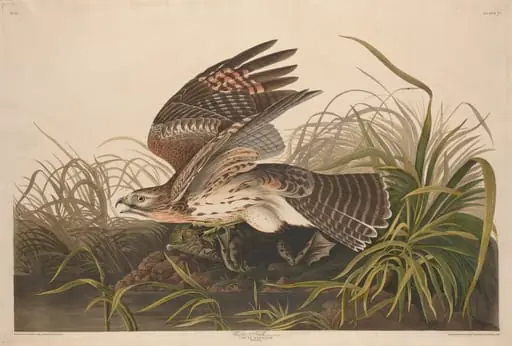
Great Footed Hawk
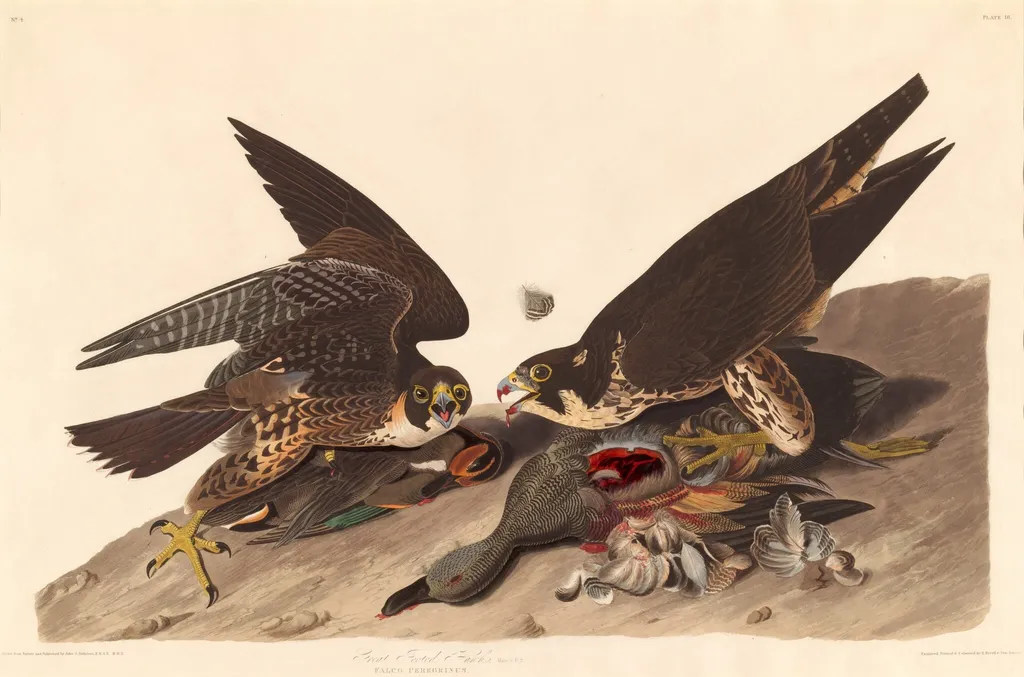
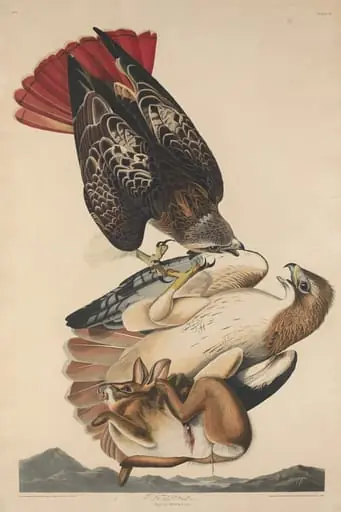
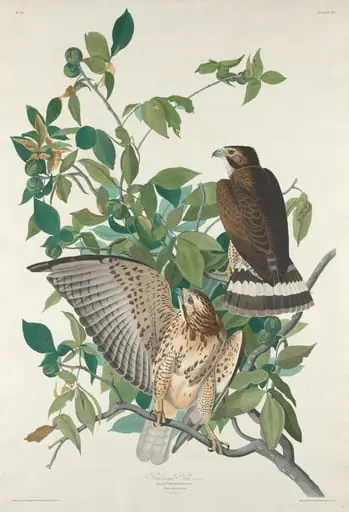
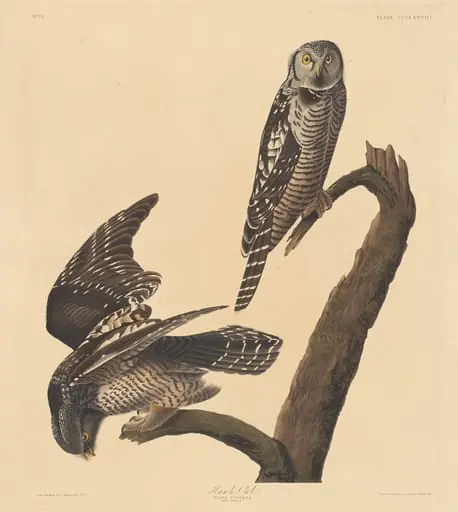
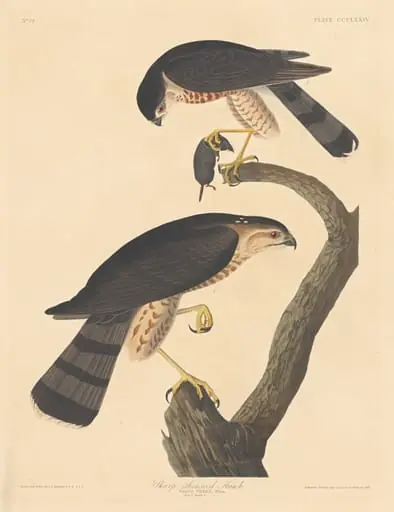
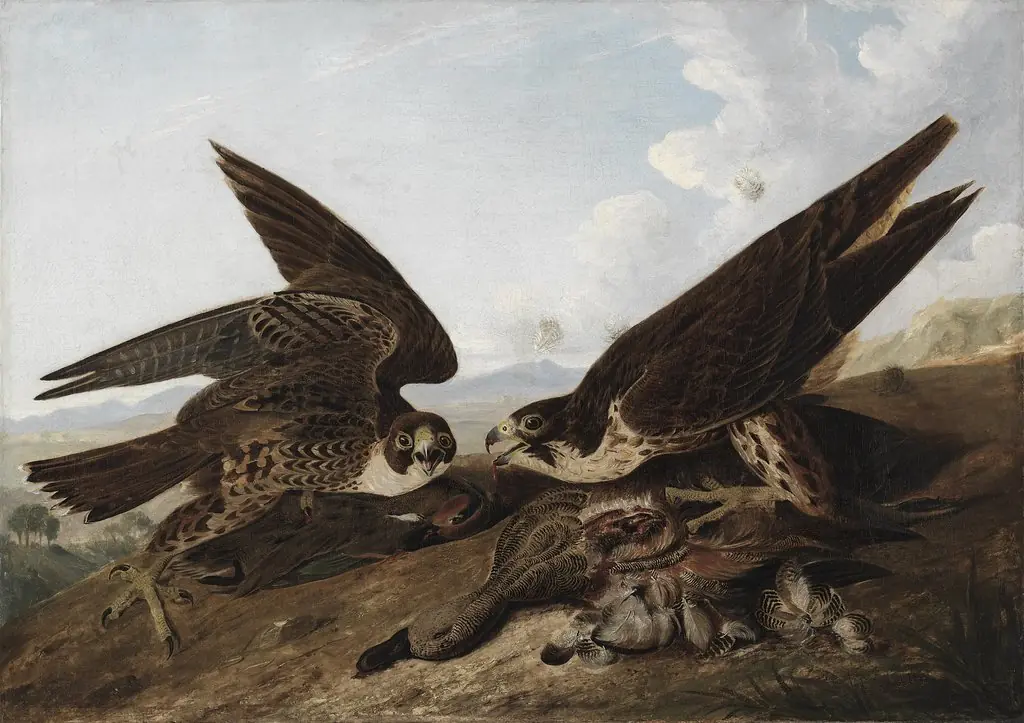
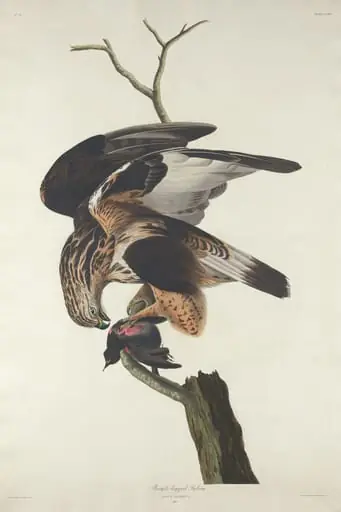
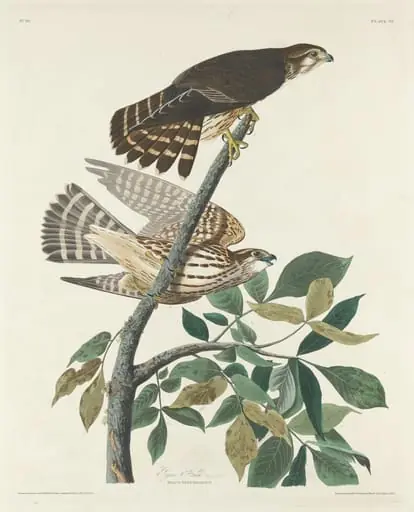
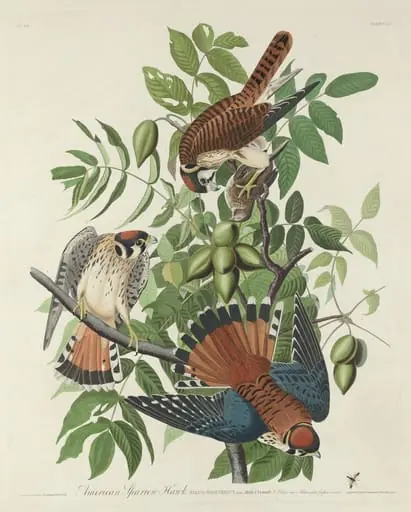
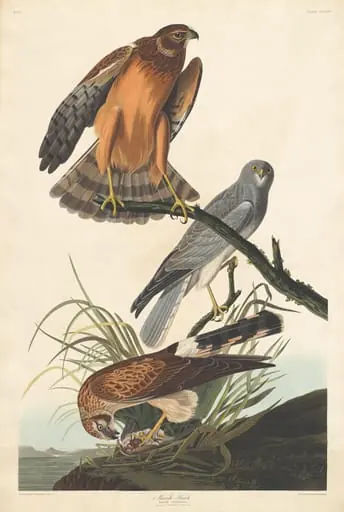
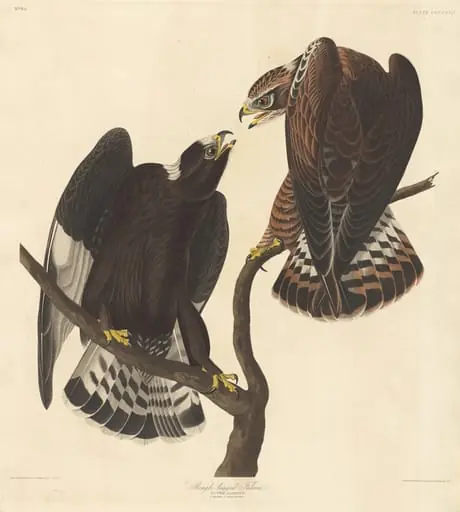
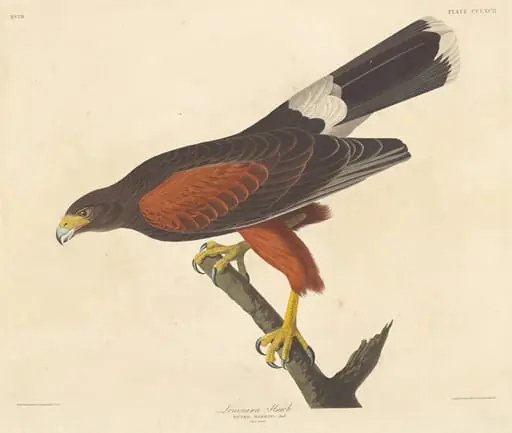
Great Footed Hawk is an ink print by the Romanticist artist Robert Havell Jr.. It dates from 1827 and is held in the collection of the National Gallery of Art.
About this work
Overview
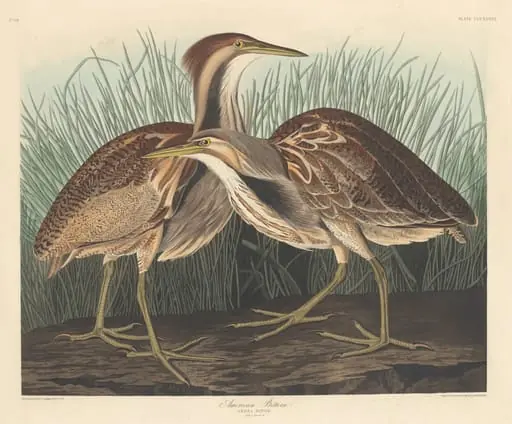
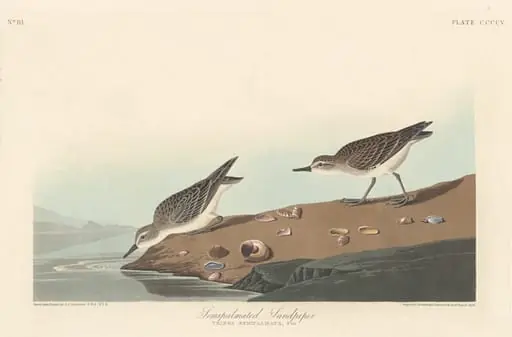
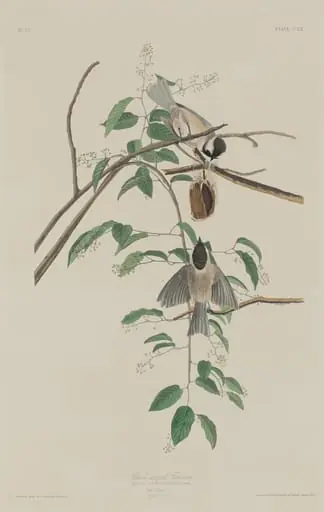
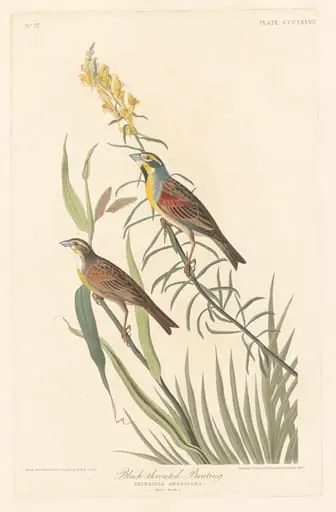
Great Footed Hawk is a hand‑colored engraving and aquatint produced in 1827 by Robert Havell Jr. The image was printed on Whatman wove paper, a high‑quality, smooth‑finished material favored for detailed prints in the early nineteenth century.
Subject & Meaning
The print portrays a raptor, identified as a great footed hawk, perched on a branch with its talons grasping the wood. The bird’s plumage is rendered with careful attention to feather texture, emphasizing its poised, alert stance.
Technique & Style
Havell combined line engraving with aquatint, first incising fine lines into a metal plate, then applying a tonal aquatint ground to achieve subtle washes. After the inked impression was transferred to paper, the image received hand‑applied color, enhancing the naturalistic detail of the feathers and background.
History & Provenance
The work reflects the Havell family’s long involvement in printmaking; Robert Havell Jr. continued the practice established by his father, Robert Havell the Elder, and his uncle Luke Havell. Their workshop was noted for expertise in aquatint and for producing images that catered to European interest in Indian subjects and natural history.
Context
Created during a period when British artists were documenting exotic wildlife, the print aligns with contemporary scientific illustration and the broader fascination with Indian fauna. The Havells’ engagement with Indian art and culture informed both the subject choice and the meticulous, reproducible style of the image.
Artist & collection

Artist
The Havell family of Reading, Berkshire, England, included a number of notable engravers, etchers and painters, as well as writers, publishers, educators, and musicians.