Artwork
Ruby-throated Humming Bird
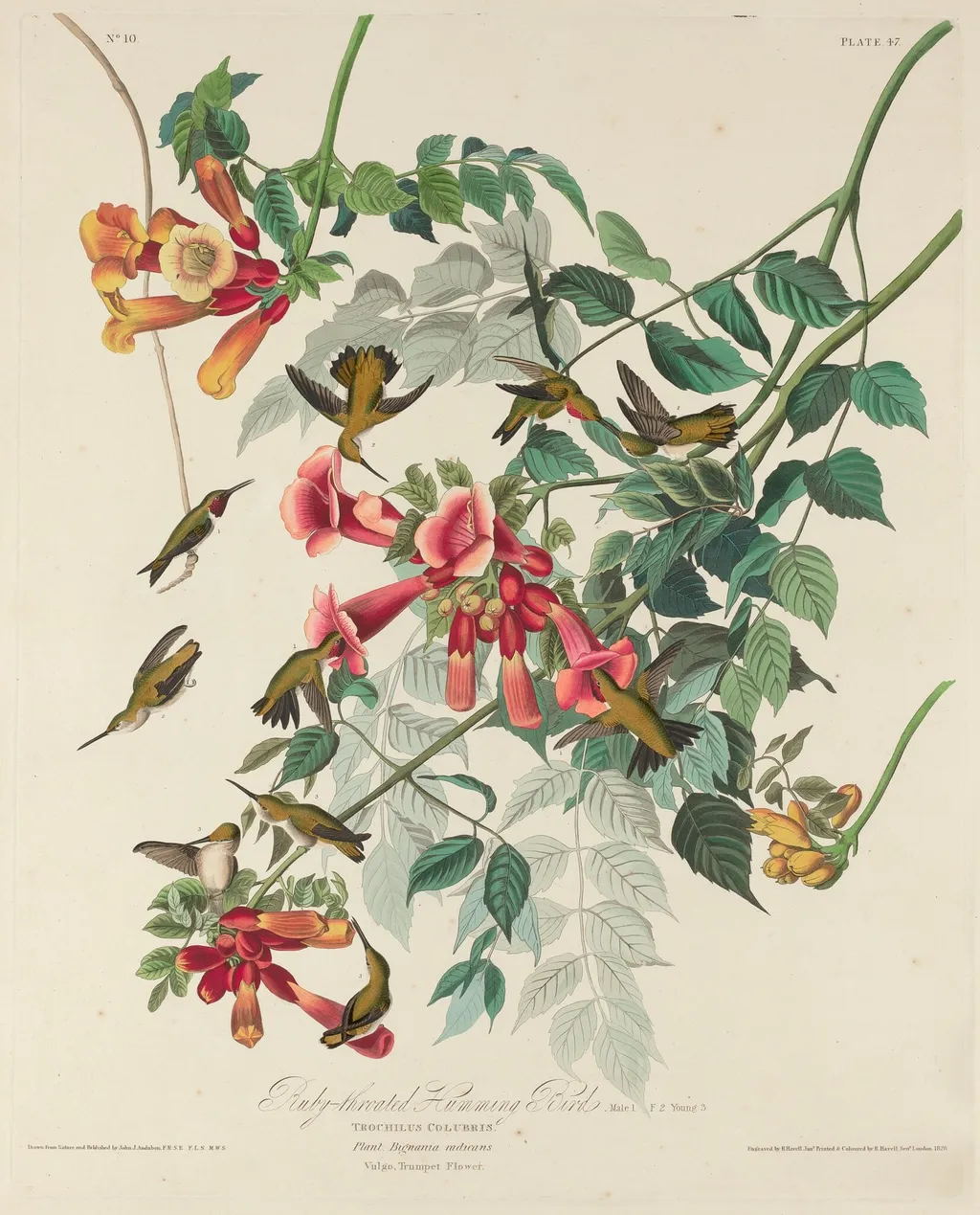
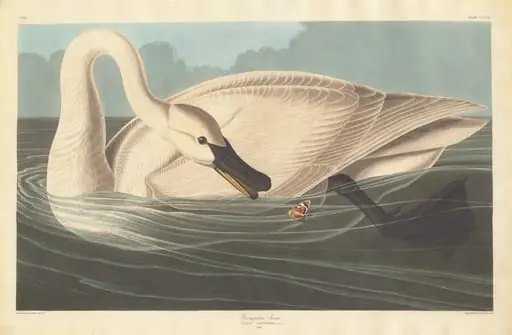
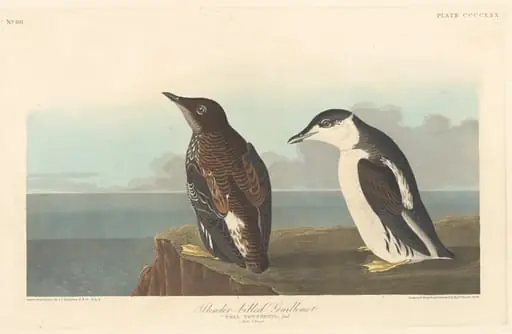
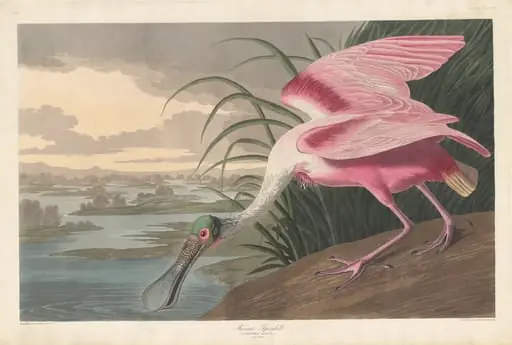
Ruby-throated Humming Bird is an ink print by the Romanticist artist Robert Havell Jr.. It dates from 1828 and is held in the collection of the National Gallery of Art.
About this work
Overview
It belongs to a series of ornithological illustrations produced during the early 19th century, reflecting the Havell family’s technical mastery in printmaking.
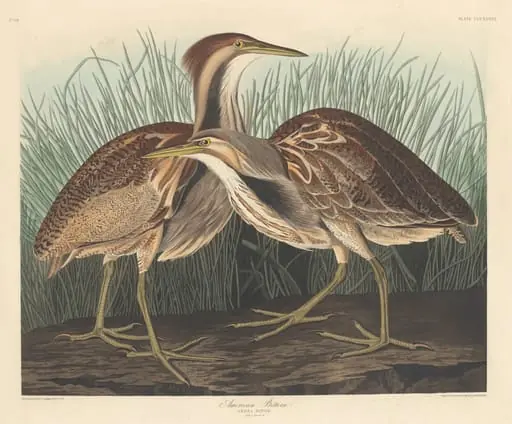
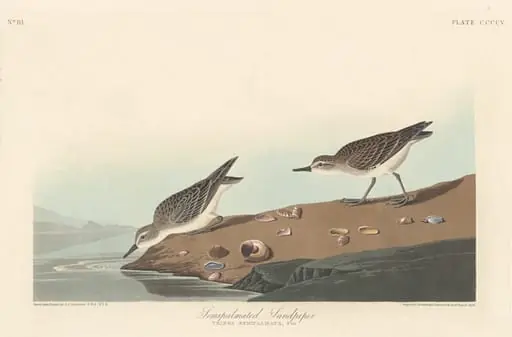
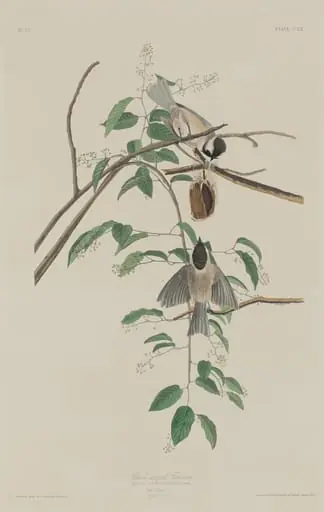
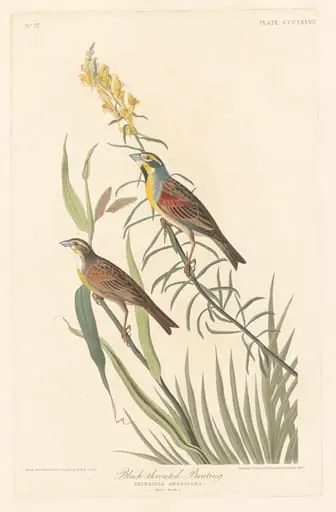
Created in 1828 by Robert Havell Jr., this print is a hand-colored engraving and aquatint on Whatman wove paper. It belongs to a series of ornithological illustrations produced during the early 19th century, reflecting the Havell family’s technical mastery in printmaking. The work combines precise line work with delicate tonal gradations, showcasing the artist’s skill in translating natural forms into printed media.
Subject & Meaning
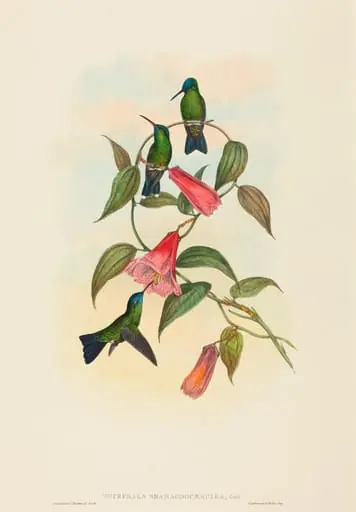
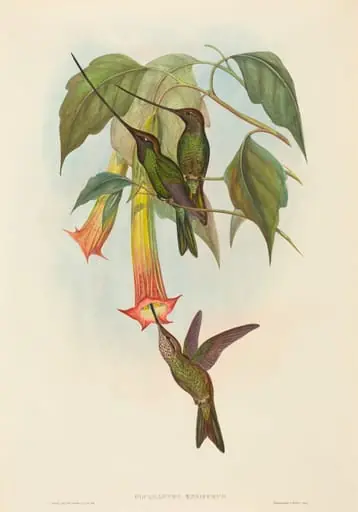
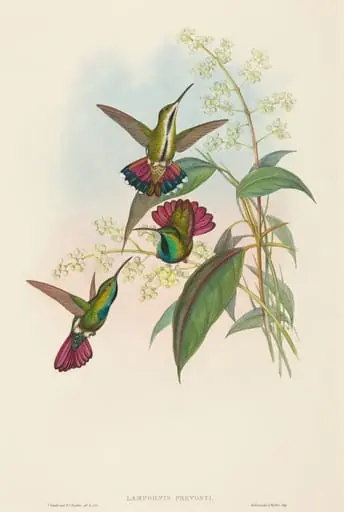
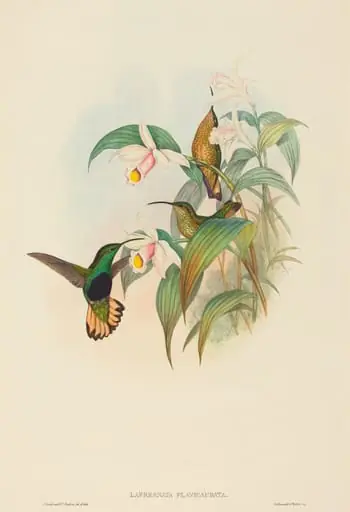
The image centers on a ruby-throated hummingbird, depicted mid-hover near a cluster of tubular flowers. Surrounding birds and blossoms suggest a dynamic natural environment, emphasizing the bird’s role as a pollinator. The composition conveys ecological interdependence without symbolic embellishment, grounding its purpose in scientific observation rather than allegory.
Technique & Style
Havell employed aquatint to achieve subtle shifts in tone, capturing the iridescence of the hummingbird’s plumage and the translucence of petals. Engraved lines define fine details like beaks and leaf veins, while hand-coloring added naturalistic hues—soft pinks, oranges, and greens—applied with precision. The use of Whatman paper ensured durability and fine ink absorption, enhancing the print’s clarity.
History & Provenance
Robert Havell Jr. worked within a family of London-based printmakers active in natural history illustration. His father, Robert Havell the Elder, and uncle Luke Havell were established engravers who contributed to major publications. This print likely originated as part of a larger project, possibly linked to ornithological studies of the period, though its exact publication context remains unconfirmed.
Context
In the 1820s, European and American naturalists increasingly sought accurate visual records of New World species. Havell’s work aligned with this trend, supporting scientific documentation through art. While the image reflects American fauna, the technique and production methods were rooted in British printmaking traditions, illustrating transatlantic exchange in natural history illustration.
Legacy
Havell’s prints contributed to the standardization of natural history imagery in the pre-photographic era. Though not widely known outside specialist circles, his technical approach influenced later illustrators in ornithology and botany. The work endures as an example of how artisanal printmaking served scientific inquiry, bridging art and empirical study in the early 19th century.
Artist & collection

Artist
The Havell family of Reading, Berkshire, England, included a number of notable engravers, etchers and painters, as well as writers, publishers, educators, and musicians.