Artwork
Scolopaceus Courlan
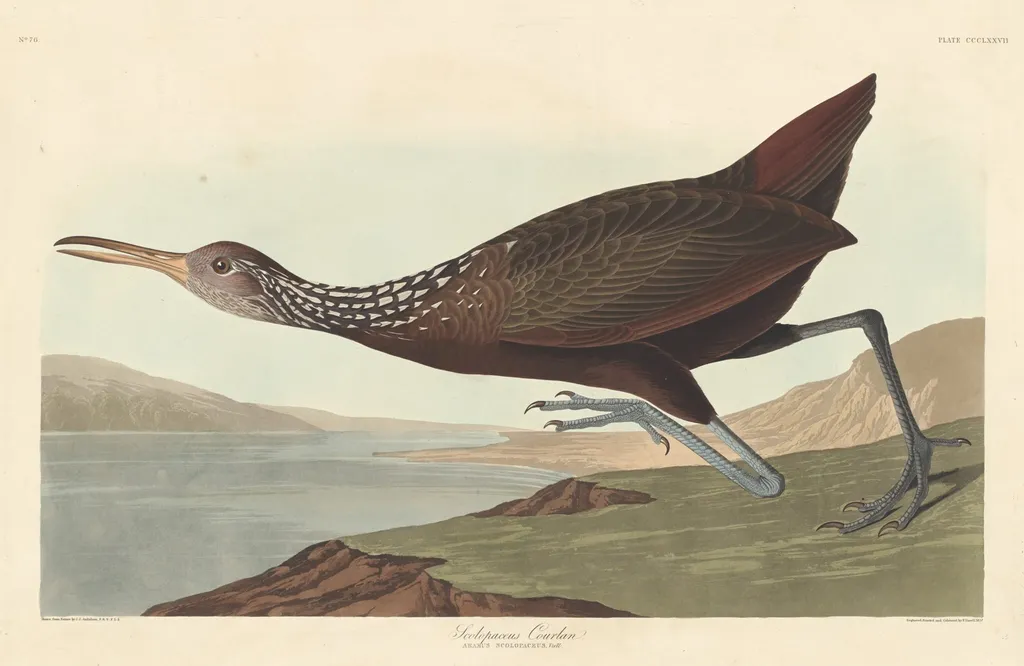
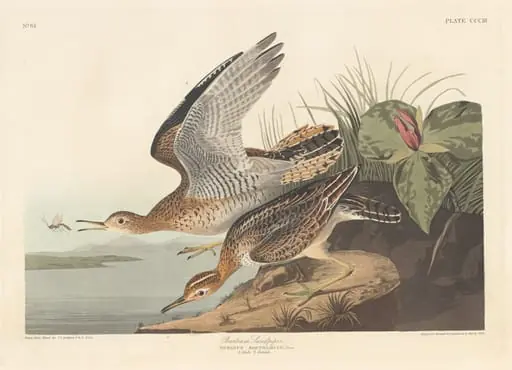
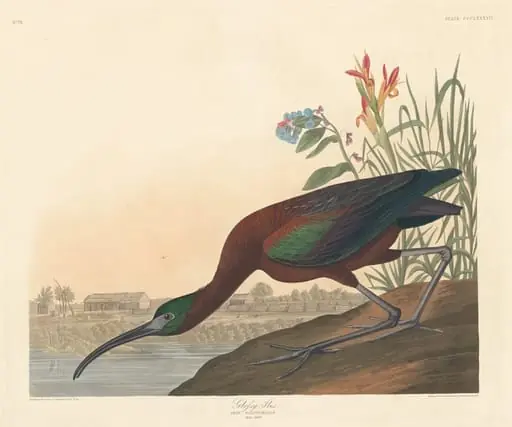
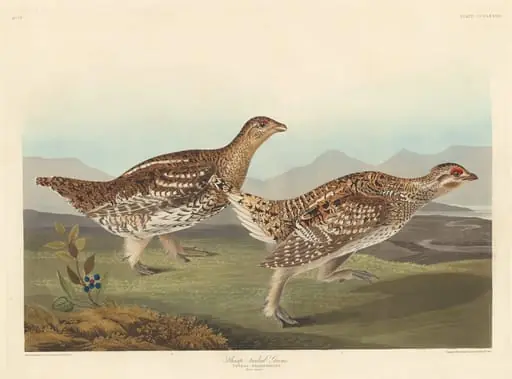
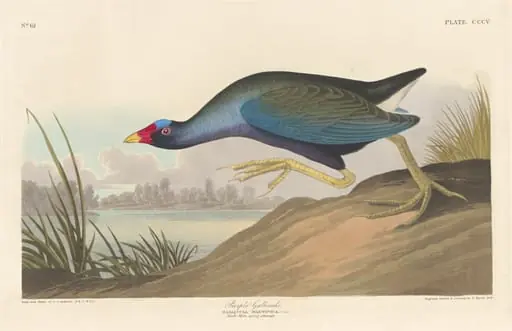
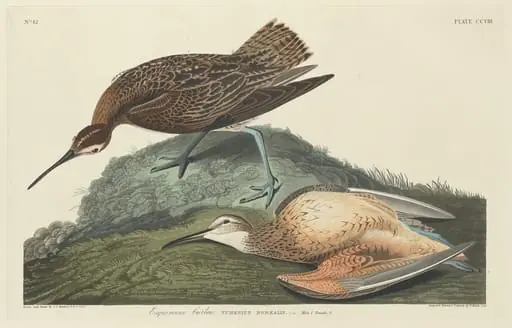
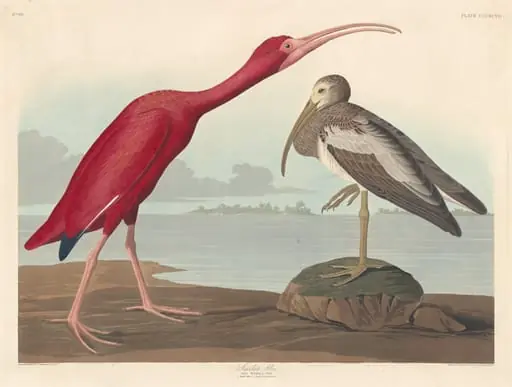
Scolopaceus Courlan is an ink print by the Romanticist artist Robert Havell Jr.. It dates from 1837 and is held in the collection of the National Gallery of Art.
About this work
Overview
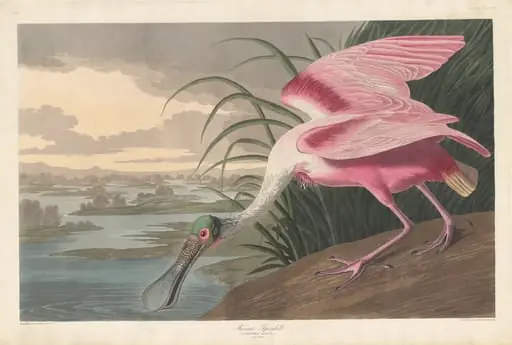
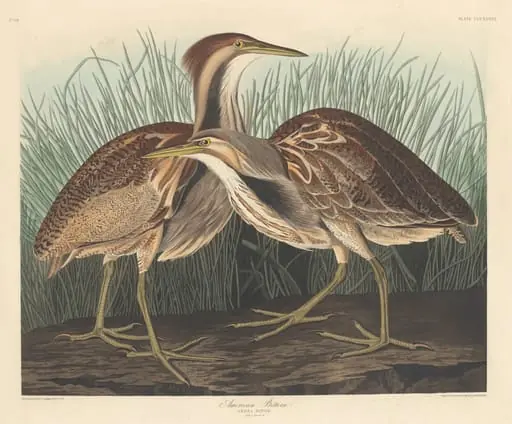
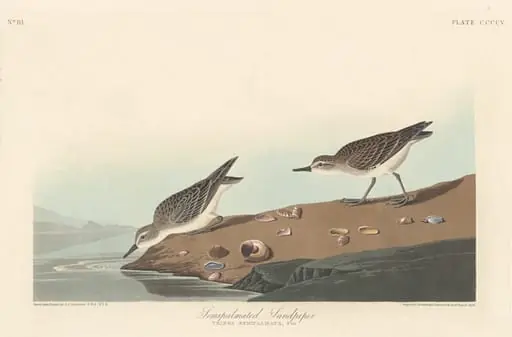
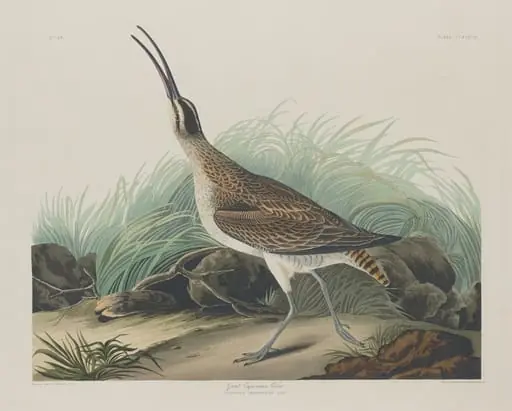
Created in 1837, *Scolopaceus Courlan* is a hand‑colored engraving combined with aquatint, executed on Whatman wove paper. The print depicts a bird poised on a rocky shoreline, its long legs and beak rendered in fine detail, while a muted landscape of water and distant hills frames the figure.
Subject & Meaning
The image portrays a bird identified by its scientific name, Scolopaceus courlan, a species native to South‑Asian habitats. By presenting the bird in mid‑stride, the work emphasizes the creature’s natural poise and its relationship to a coastal environment, inviting viewers to consider the diversity of Indian wildlife.
Technique & Style
Havell employed cross‑hatching to build texture in the feathers, layering fine lines to suggest depth and volume. The aquatint component provides subtle tonal washes, while hand‑applied watercolor adds earthy browns and soft whites, creating a balanced interplay between line work and color.
History & Provenance
The print was produced by Robert Havell Jr., a member of the Havell family renowned for their engraving and aquatint expertise. Based in Reading, Berkshire, the Havells were active in publishing and illustrating natural history subjects, particularly those related to Indian flora and fauna.
Context
During the early nineteenth century, British interest in Indian natural history grew, spurring demand for accurate visual records. The Havell workshop supplied such images for scientific publications, reflecting both artistic skill and the colonial era’s fascination with exotic species.
Artist & collection

Artist
The Havell family of Reading, Berkshire, England, included a number of notable engravers, etchers and painters, as well as writers, publishers, educators, and musicians.