Artwork
Swallow-tailed Hawk
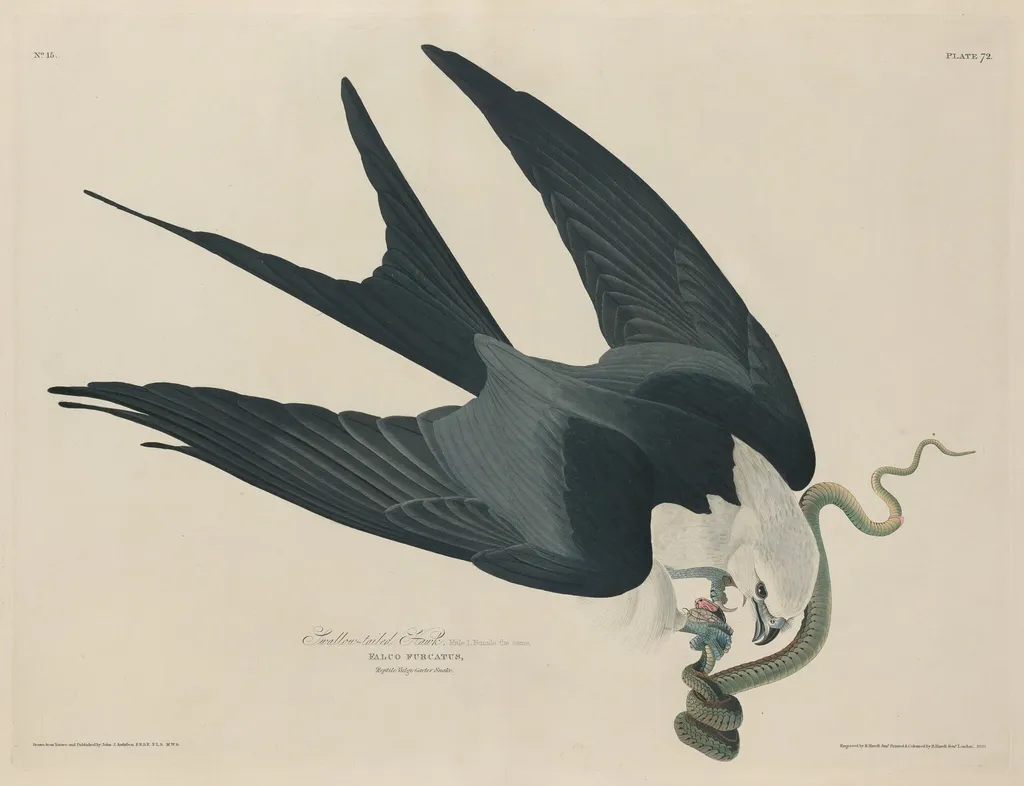
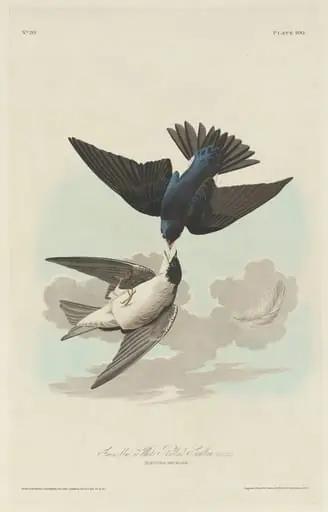
Swallow-tailed Hawk is an ink print by the Romanticist artist Robert Havell Jr.. It dates from 1829 and is held in the collection of the National Gallery of Art.
About this work
Overview
, this print is a hand-colored engraving and aquatint on Whatman wove paper.
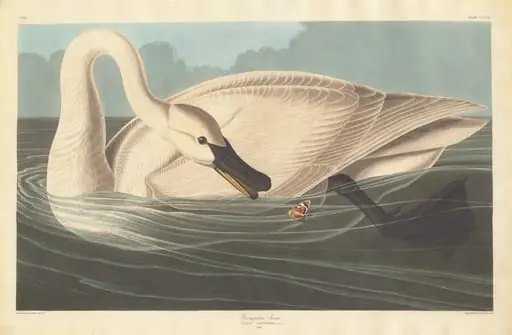
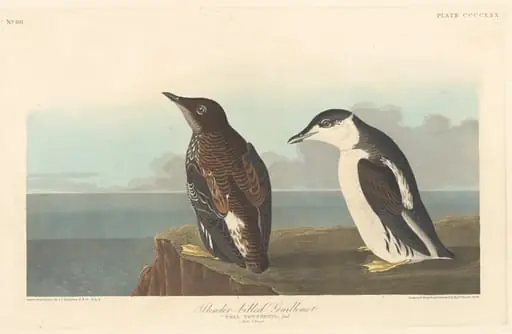
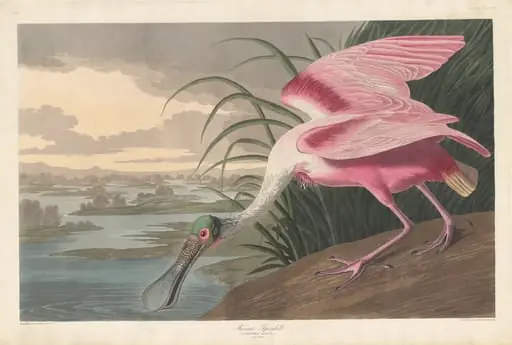
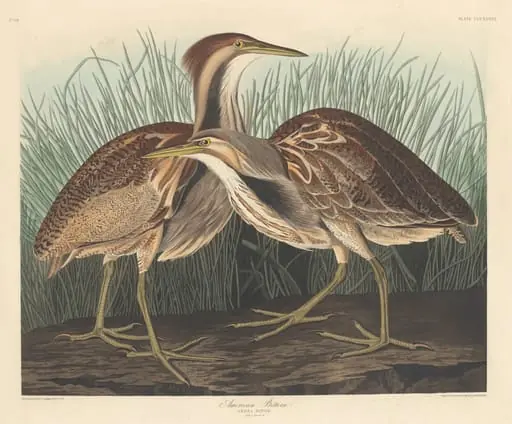
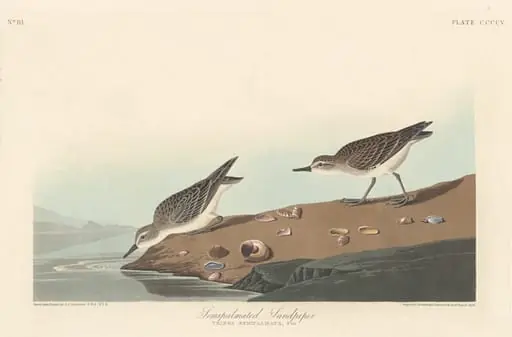
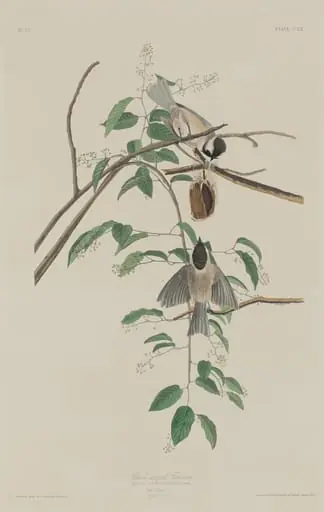
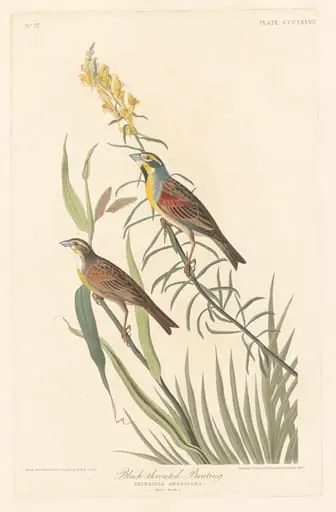
Created in 1829 by Robert Havell Jr., this print is a hand-colored engraving and aquatint on Whatman wove paper. It belongs to a series of ornithological illustrations produced during the early 19th century, reflecting the Havell family’s established reputation in reproductive printmaking. The work combines precise line work with subtle tonal gradations achieved through aquatint, demonstrating technical mastery rooted in a multi-generational tradition of British printmaking.
Subject & Meaning
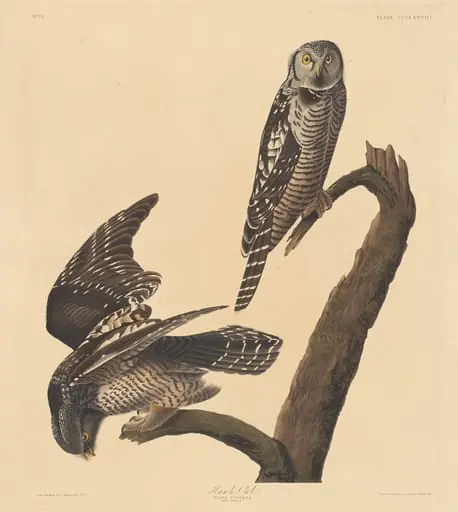
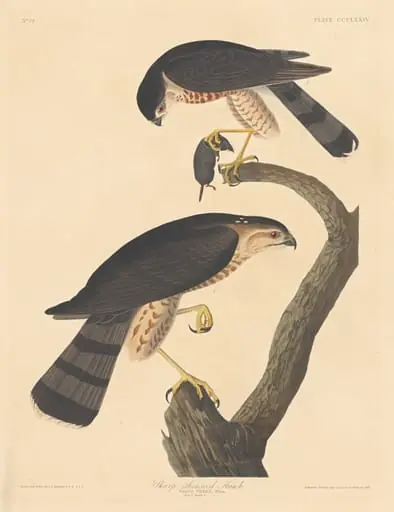
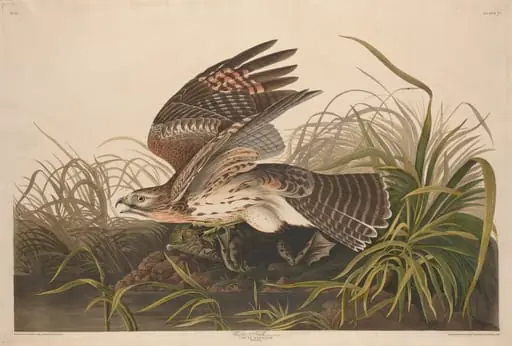
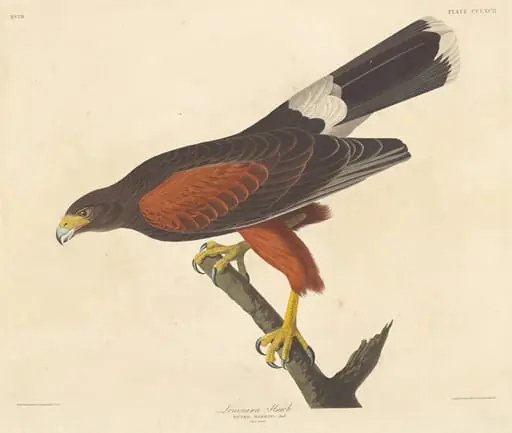
The image portrays a swallow-tailed hawk mid-flight, its wings fully extended, clutching a snake in its beak. This dynamic composition captures a moment of natural predation, emphasizing the bird’s agility and predatory role. The inclusion of the snake may reference themes of survival and the balance of nature, common in natural history illustrations of the period. The scene is rendered without anthropomorphism, maintaining a documentary tone aligned with scientific observation.
Technique & Style
Havell employed engraving for fine linear detail, particularly in the bird’s feathers, while aquatint provided soft tonal transitions across the plumage and background. The hand-coloring, applied with care, distinguishes the hawk’s gray and black feathers from the snake’s green and brown body. The light beige paper serves as a neutral ground, enhancing contrast without distraction. The texture of the Whatman paper supports the delicate ink and wash layers, preserving the subtlety of the medium.
History & Provenance
Robert Havell Jr. worked within a family workshop that included his father, Robert Havell the Elder, and uncle Luke Havell, all active in London’s print trade. This print likely originated as part of a larger project, possibly related to natural history publications of the time. Though specific early ownership records are sparse, the work aligns with the Havells’ known collaborations with naturalists and publishers seeking accurate, aesthetically refined zoological imagery.
Context
In the early 1800s, detailed natural history illustrations were in demand as scientific exploration expanded. Artists like Havell contributed to this movement by translating specimens into accessible visual records. While European audiences sought exotic wildlife imagery, the Havells’ work remained grounded in observed reality rather than fantasy. The use of aquatint and hand-coloring reflected both technical innovation and the expectation of high-quality reproduction in scientific and elite circles.
Legacy
Havell’s prints, including this one, helped define the aesthetic standards for ornithological illustration in the 19th century. His technical precision and commitment to fidelity influenced later natural history artists and publishers. Though overshadowed in popular memory by larger projects, his contributions remain valued for their craftsmanship and quiet accuracy, preserving a moment when art and science converged in the study of the natural world.
Artist & collection

Artist
The Havell family of Reading, Berkshire, England, included a number of notable engravers, etchers and painters, as well as writers, publishers, educators, and musicians.