Artwork
The Payment of Judas
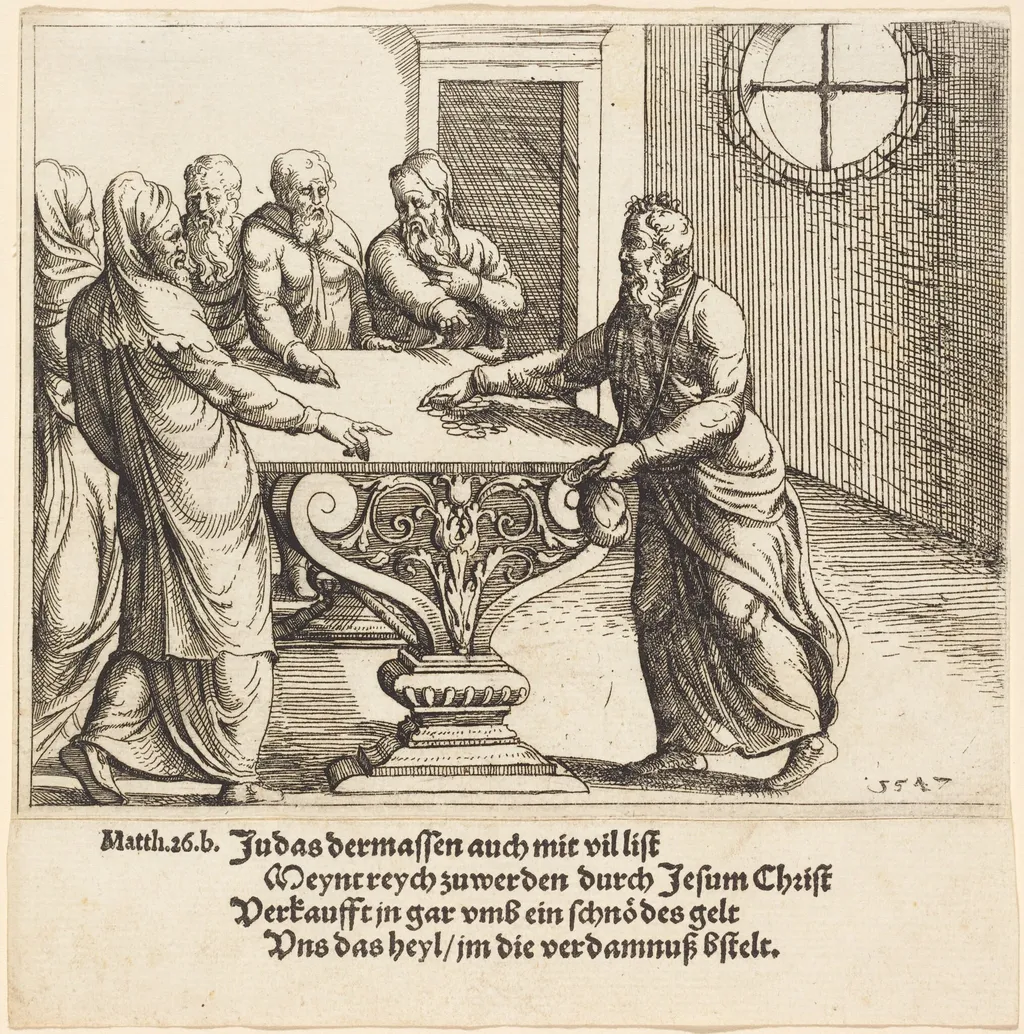
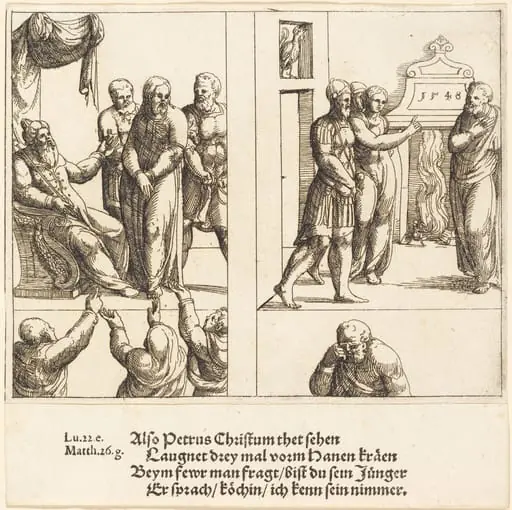
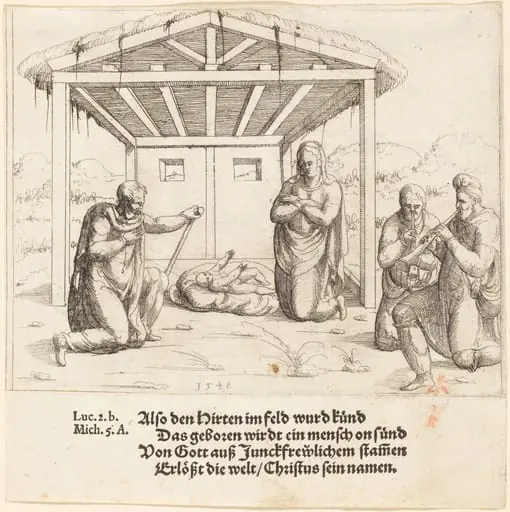
The Payment of Judas is an ink print by the Renaissance artist Augustin Hirschvogel. It dates from 1547 and is held in the collection of the National Gallery of Art.
About this work
Overview
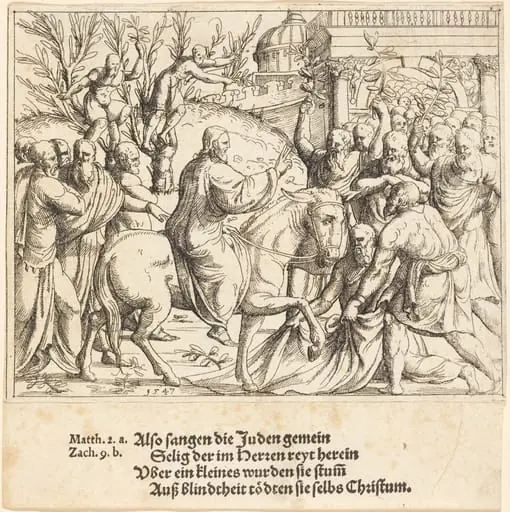
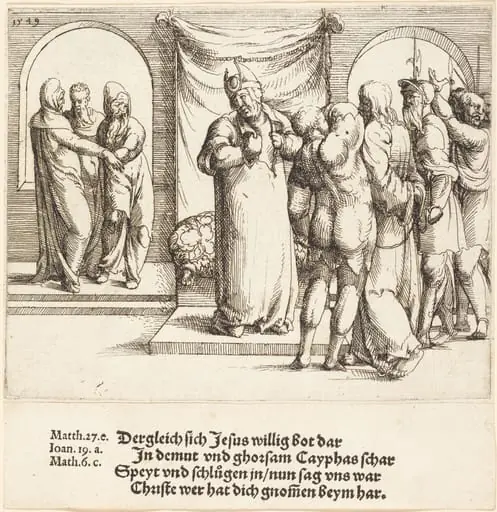
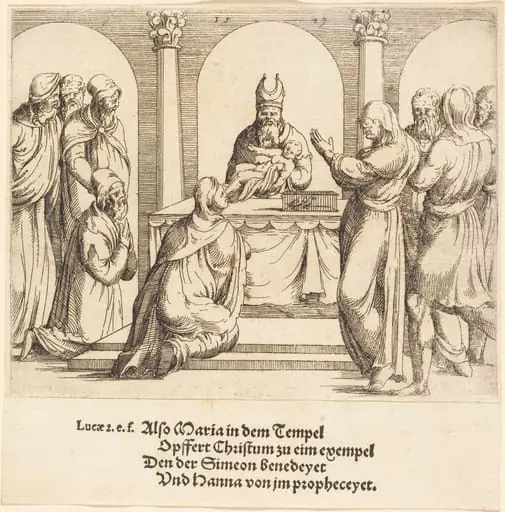
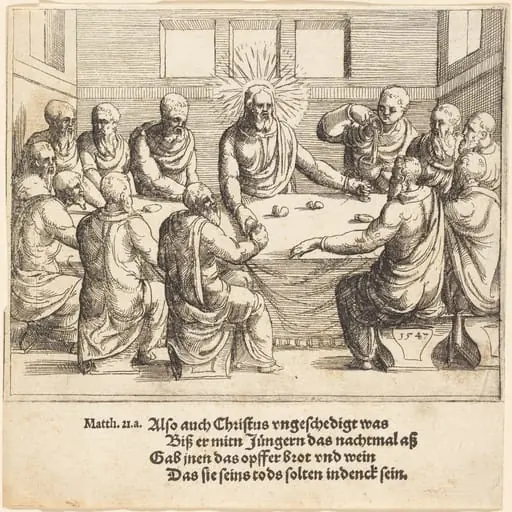
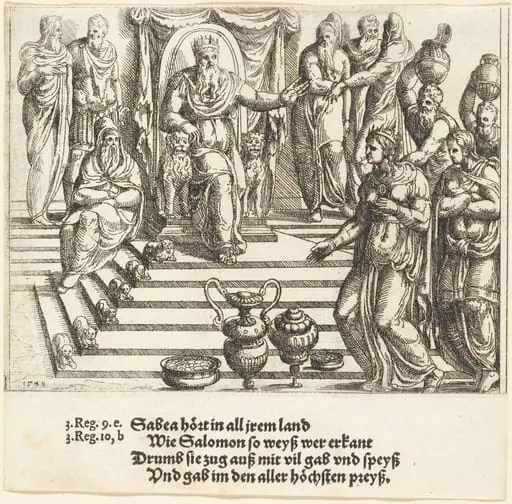
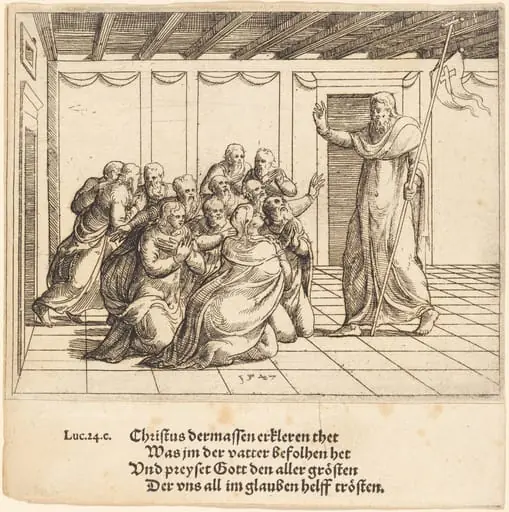
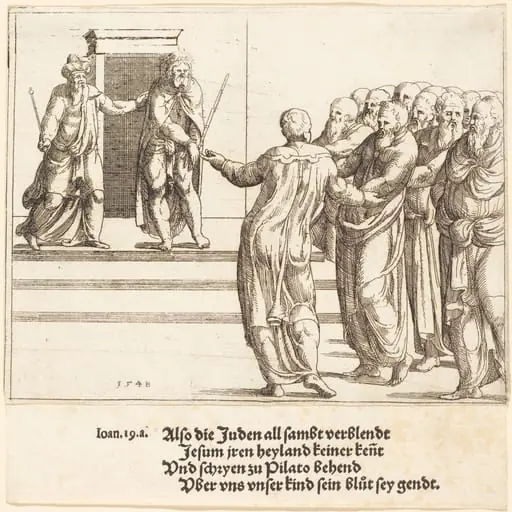
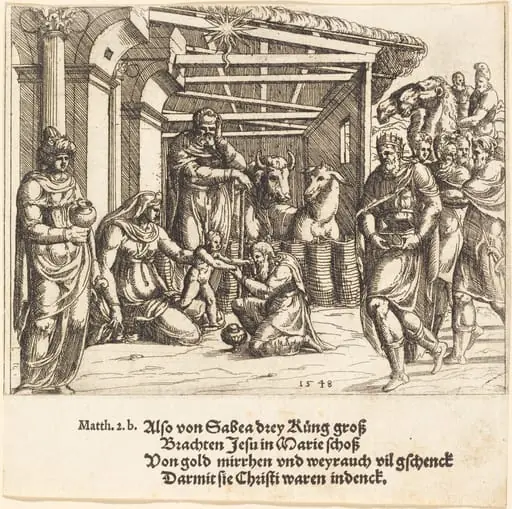
The Payment of Judas is an etching created by Augustin Hirschvogel in 1547. This black-and-white print is characteristic of Hirschvogel's work, which often explored the possibilities of the etching medium.
Subject & Meaning
The scene depicts a tense moment among robed figures gathered around a table, with one kneeling figure handing coins to another. The accompanying text, in German, suggests a biblical betrayal, likely referencing Judas's payment.
Technique & Style
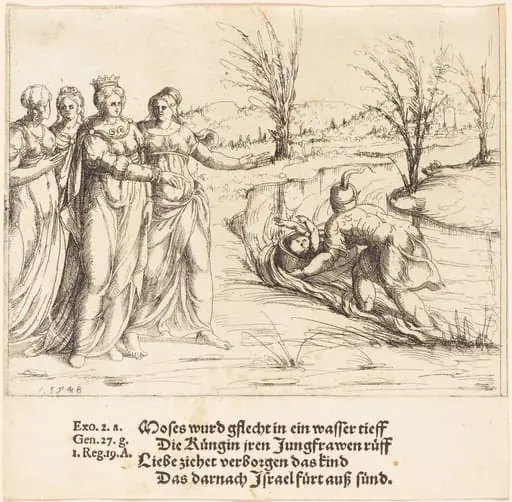
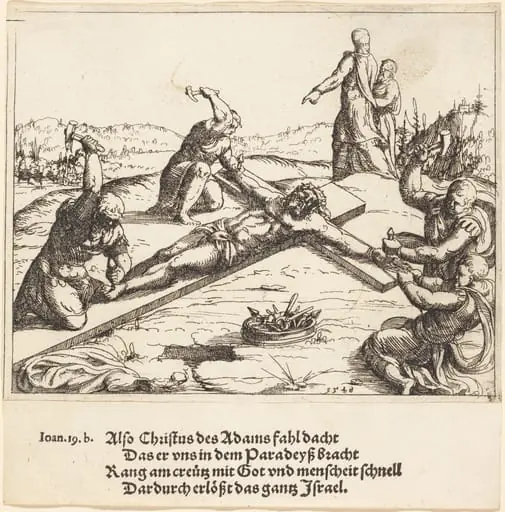
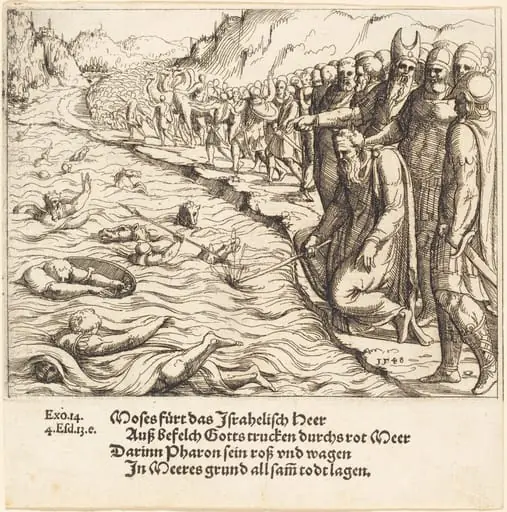
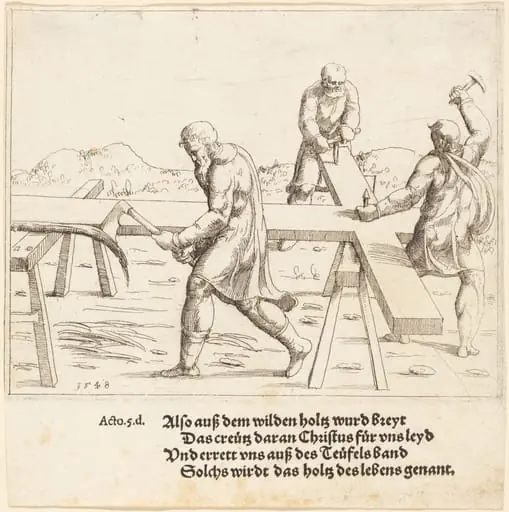
Hirschvogel employed fine lines to convey the folds of clothing and facial expressions, creating a dramatic atmosphere. The work showcases the artist's skill with etching, a technique that allowed for detailed renderings.
Context
As a member of the Danube School, Hirschvogel was part of a regional artistic movement in 16th-century Bavaria and Austria. His work reflects the period's printmaking techniques and stylistic approaches.
Artist & collection
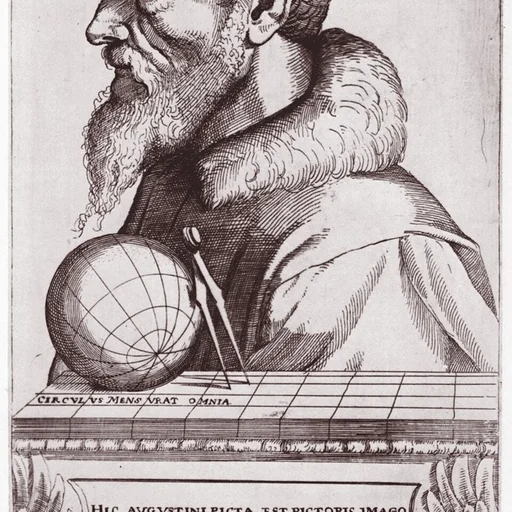
Artist
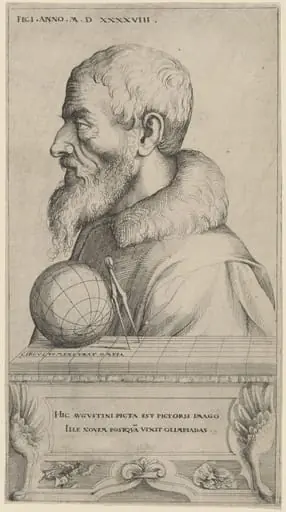
Augustin Hirschvogel (1503 – February 1553) was a German artist, mathematician, and cartographer known primarily for his etchings.