Artwork
Ecce Homo, and the Jews Deny Christ
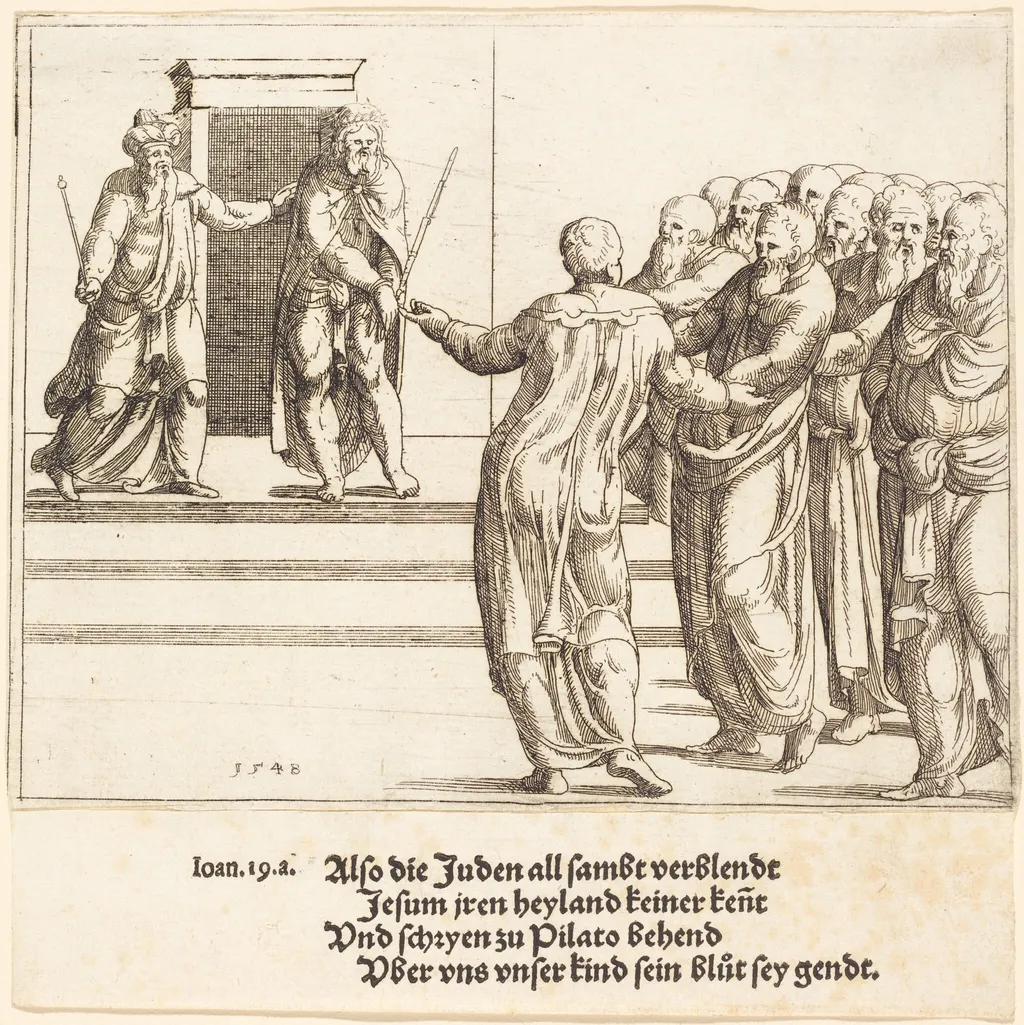
Ecce Homo, and the Jews Deny Christ is an ink print by the Renaissance artist Augustin Hirschvogel. It dates from 1548 and is held in the collection of the National Gallery of Art.
About this work
Overview
Created in 1548 by Augustin Hirschvogel, this etching depicts two moments from the Passion narrative: Christ presented to the crowd and the denial by Peter.
Created in 1548 by Augustin Hirschvogel, this etching depicts two moments from the Passion narrative: Christ presented to the crowd and the denial by Peter. As a German artist active in the mid-16th century, Hirschvogel combined technical precision with narrative clarity, using the etching medium to convey emotional intensity within a compact format. The work belongs to a series of small religious prints he produced during a brief but prolific period of landscape and biblical imagery.
Subject & Meaning
The scene captures Christ, weary and half-naked, standing before a crowd of Jewish leaders and onlookers, as described in the Gospel of John. One figure points accusingly, others gesture with tension or disbelief, emphasizing collective rejection. The plain background focuses attention on the psychological drama: the contrast between Christ’s resignation and the crowd’s agitation underscores themes of betrayal and judgment central to the Passion story.
Technique & Style
Hirschvogel employed fine, controlled lines typical of etching to render facial expressions and bodily tension with striking economy. The sharp contours define folds of fabric, the wooden frame, and the crowd’s postures, while subtle variations in line weight suggest depth and movement. His approach reflects the Danube School’s interest in emotional realism, even within small-scale prints, avoiding ornamental detail in favor of psychological immediacy.
History & Provenance
The print was made during Hirschvogel’s most active phase as a printmaker, between 1545 and 1549, when he produced around thirty-five landscape and religious etchings. Though few records of its early ownership survive, its survival in multiple museum collections suggests it circulated widely among collectors and religious communities in German-speaking regions during the Reformation era.
Context
Produced during the Protestant Reformation, the image resonated with audiences grappling with themes of faith, authority, and moral responsibility. While Hirschvogel worked in a Catholic region, his prints appealed to both Catholic and Protestant viewers through their focus on personal devotion and biblical narrative, avoiding overt doctrinal bias while reinforcing scriptural imagery familiar across denominations.
Legacy
Hirschvogel’s etchings, including this one, contributed to the spread of religious imagery in print form during the 16th century. His precise line work and narrative clarity influenced later German printmakers, though his reputation has often been overshadowed by contemporaries like Dürer. Today, his works are valued for their quiet intensity and technical discipline within the broader tradition of Northern Renaissance printmaking.
Artist & collection
Artist
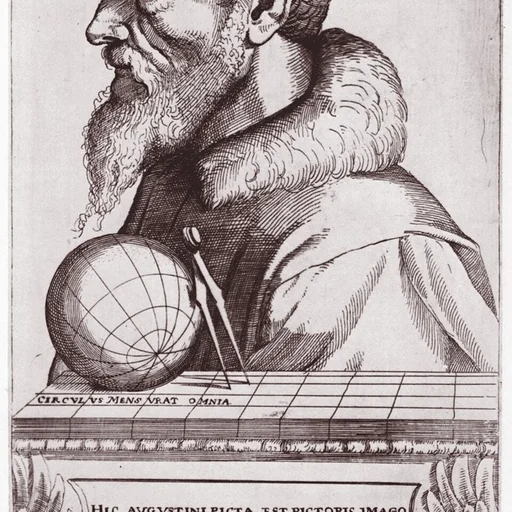
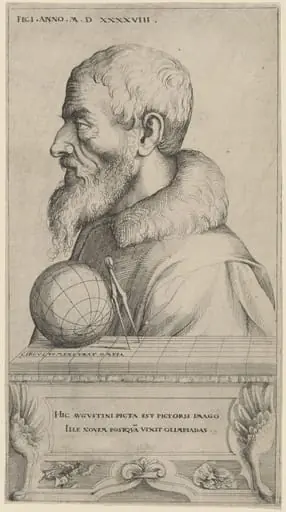
Augustin Hirschvogel (1503 – February 1553) was a German artist, mathematician, and cartographer known primarily for his etchings.

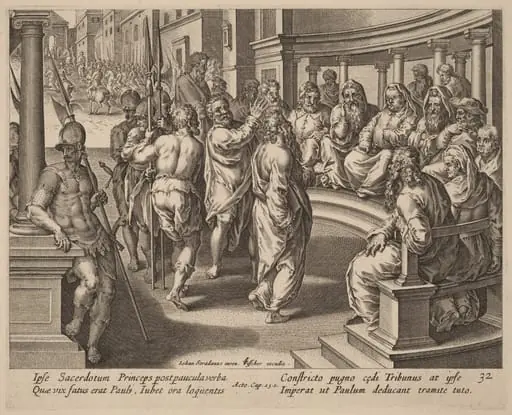 Saint Paul before the High Priest
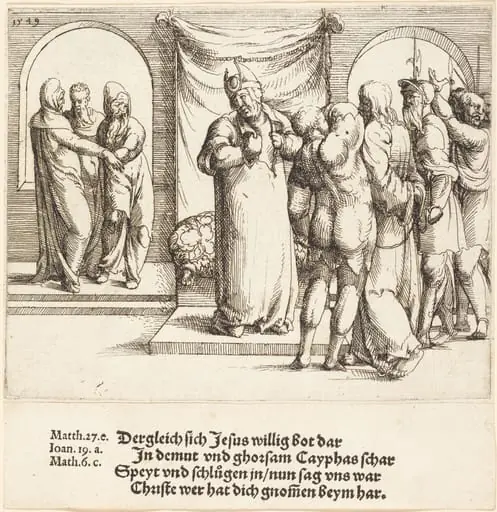 Christ is Mocked, and Caiaphas Rends His Garments
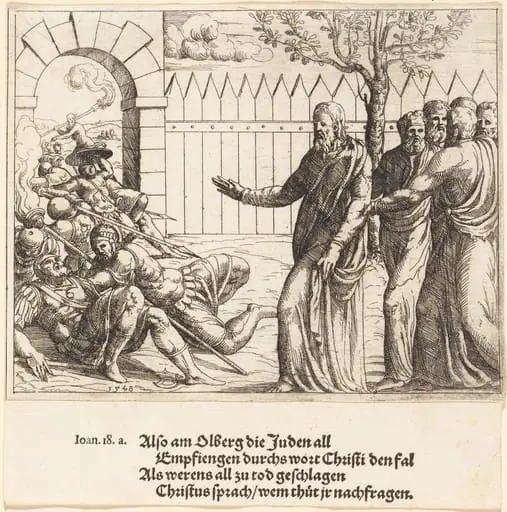 Jesus Identifies Himself before the Arrest
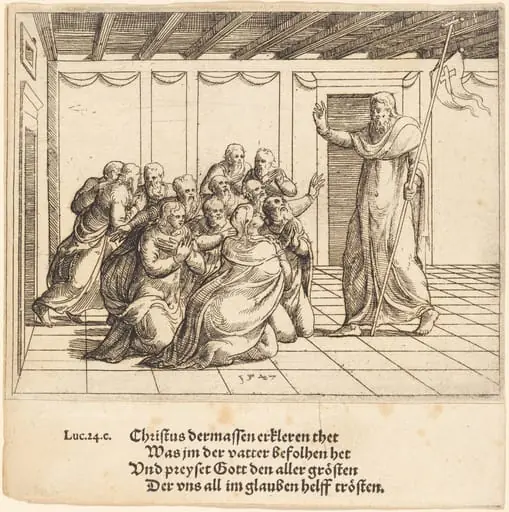 Christ Appears to the Apostles
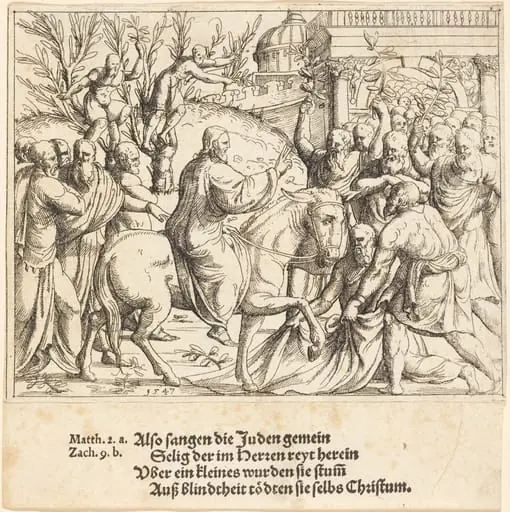 The Entry into Jerusalem
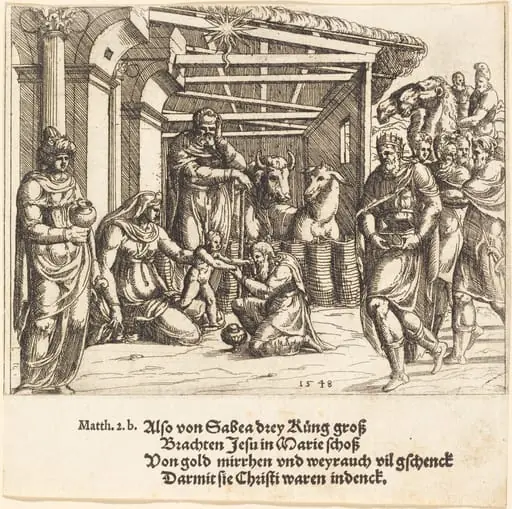 The Adoration of the Magi
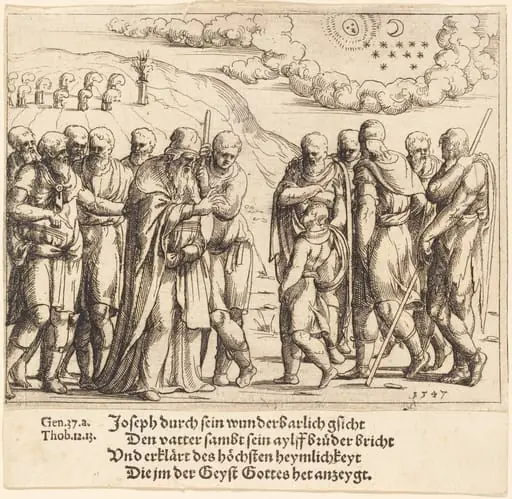 Joseph Recounts His Dreams
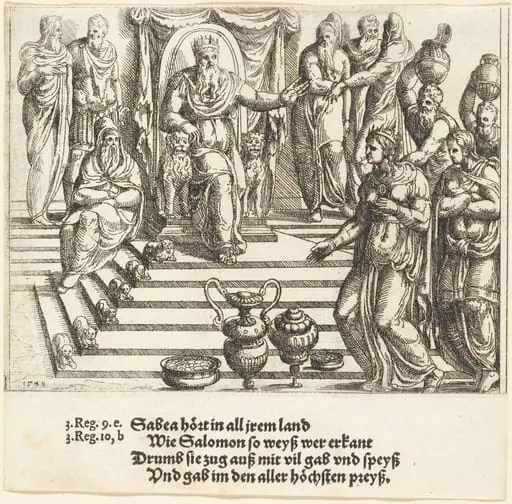 Queen of Sheba's Visit to Solomon
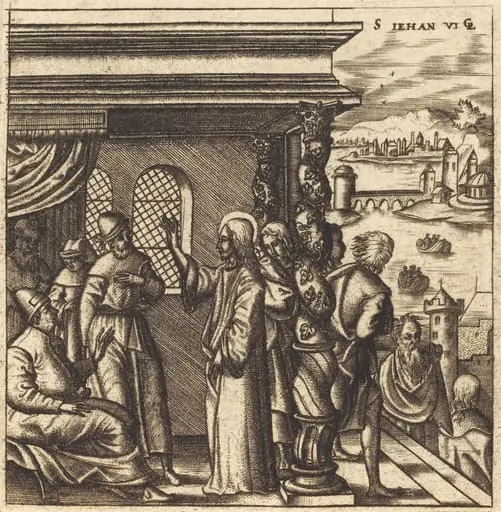 Christ Teaching in the Synagogue
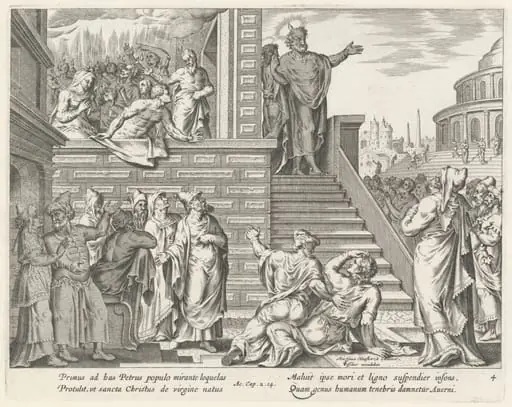 Saint Peter Speaks to the People about Christ
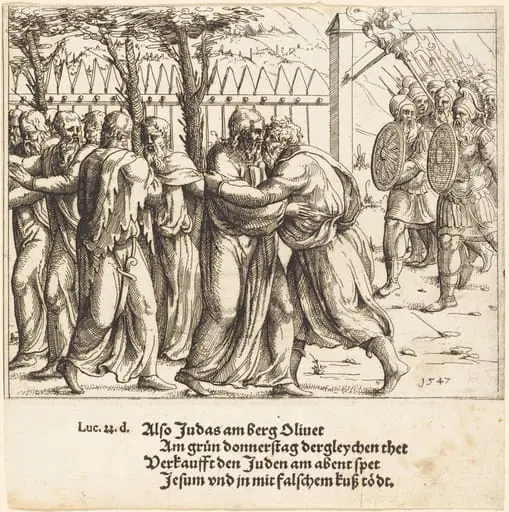 The Kiss of Judas