Artwork
Finding of Moses
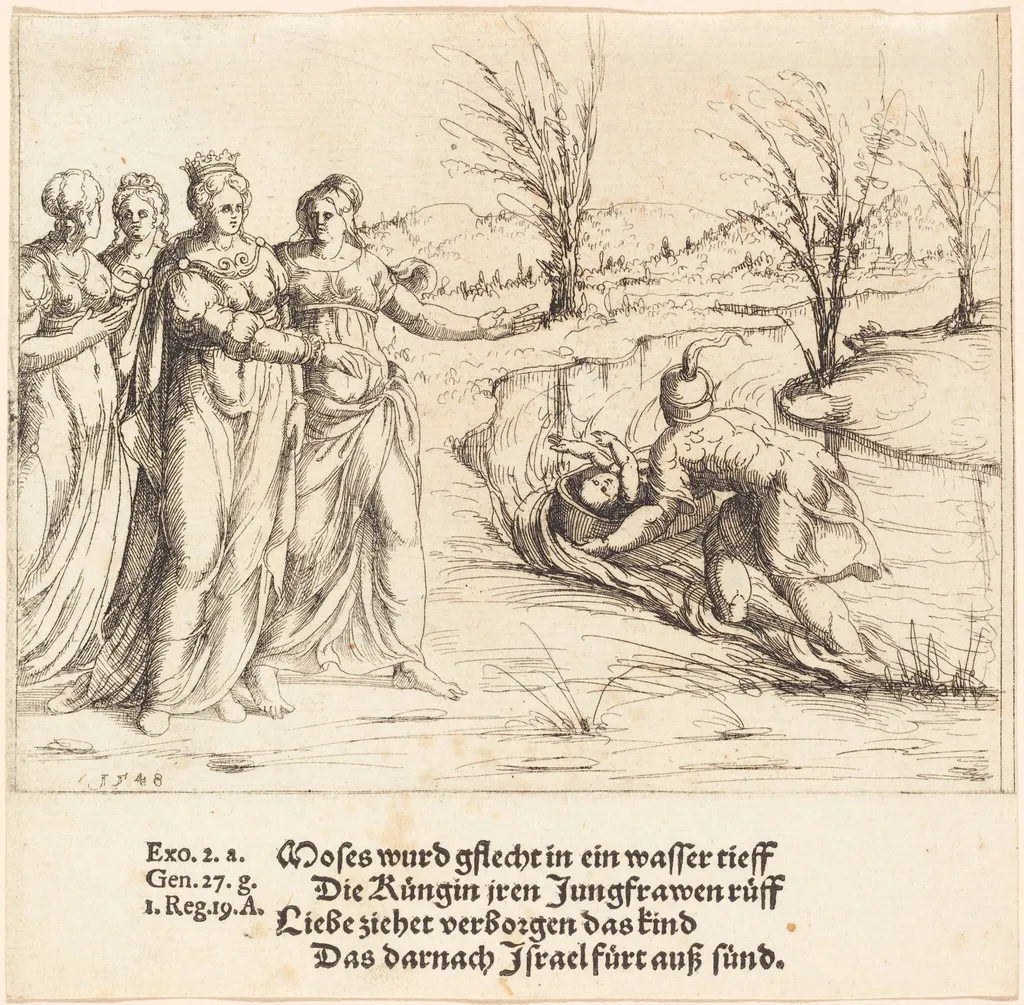
Finding of Moses is an ink print by the Renaissance artist Augustin Hirschvogel. It dates from 1548 and is held in the collection of the National Gallery of Art.
About this work
Overview
Finding of Moses is a 1548 etching by Augustin Hirschvogel, a German artist known for his contributions to etching, mathematics, and cartography. The work is characteristic of the Danube School, a 16th-century artistic movement active in Bavaria and Austria.
Subject & Meaning
The etching depicts a biblical scene, likely the discovery of the infant Moses by the Nile, as suggested by the riverbank setting and the narrative text in German below the image. Three women, one holding a swaddled baby and another gesturing towards the water, are central to the composition.
Technique & Style
Executed in etching, a technique allowing for detailed line work, the piece features Hirschvogel's signature small landscape format, common in his etchings from 1545 to 1549. Tall trees and wavy lines for water are notable stylistic elements.
History & Provenance
Created in 1548, the etching is part of Hirschvogel's output within the Danube School. Specific provenance details (ownership history) are not provided in the available information.
Context
As a Danube School piece, Finding of Moses reflects the regional artistic tendencies of 16th-century Bavaria and Austria, characterized by detailed, small-scale landscapes and religious themes.
Legacy
While specific influences or subsequent artworks directly inspired by Finding of Moses are not detailed, the piece contributes to the broader legacy of Hirschvogel's etchings in the history of printmaking.
Artist & collection
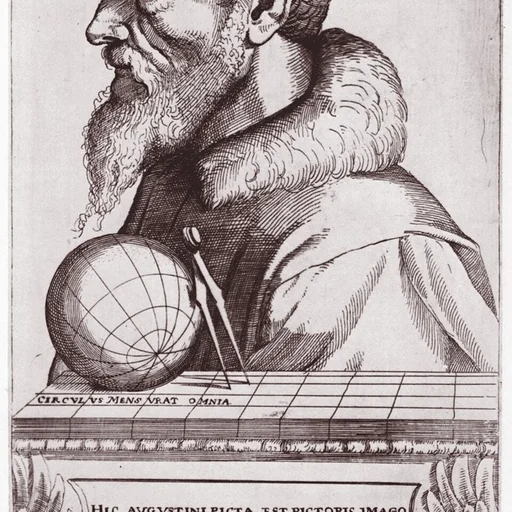
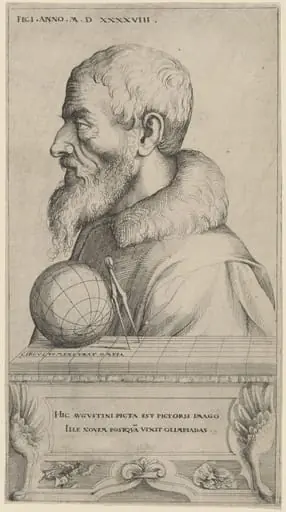
Artist
Augustin Hirschvogel (1503 – February 1553) was a German artist, mathematician, and cartographer known primarily for his etchings.

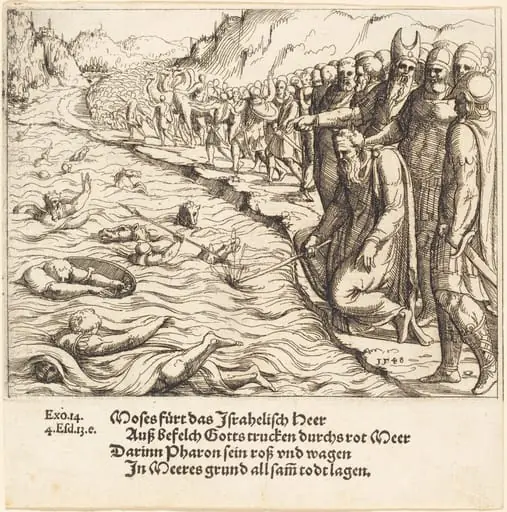
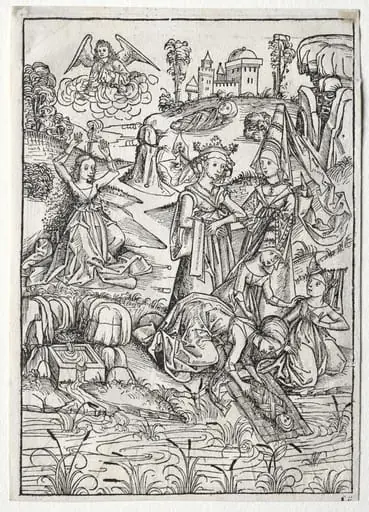 Der Schatzbehalter: Moses Found by Pharaoh's Daughter (recto)
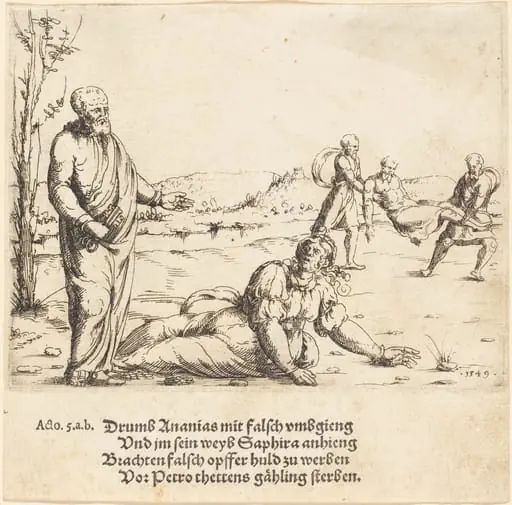 The Punishment of Ananias and Sapphira
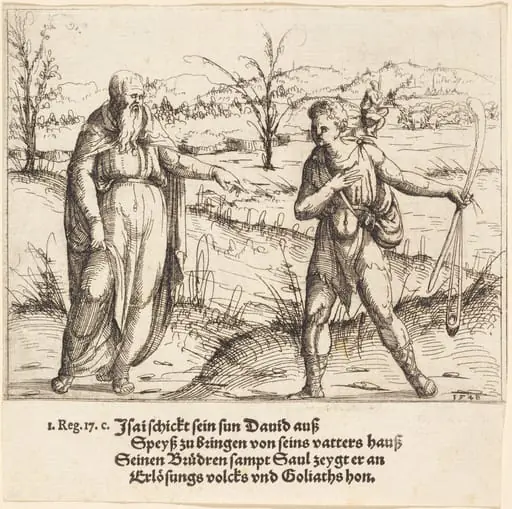 Jesse Sends David to His Brothers and Saul
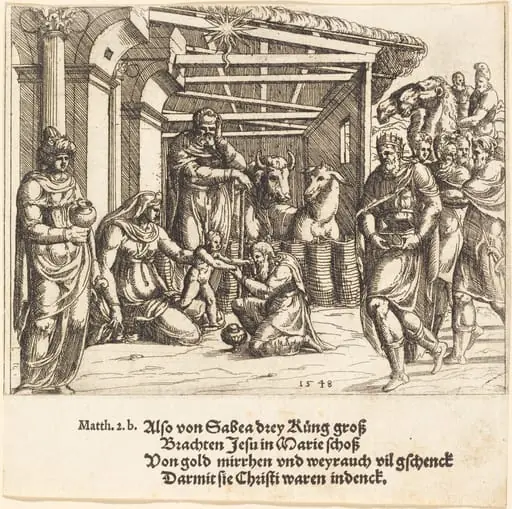 The Adoration of the Magi
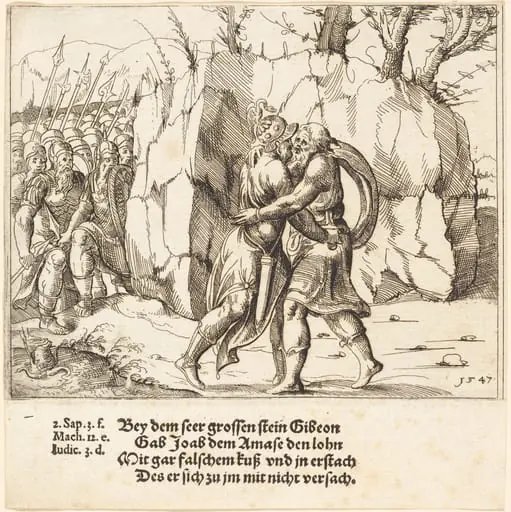 Joab Betrays Abner
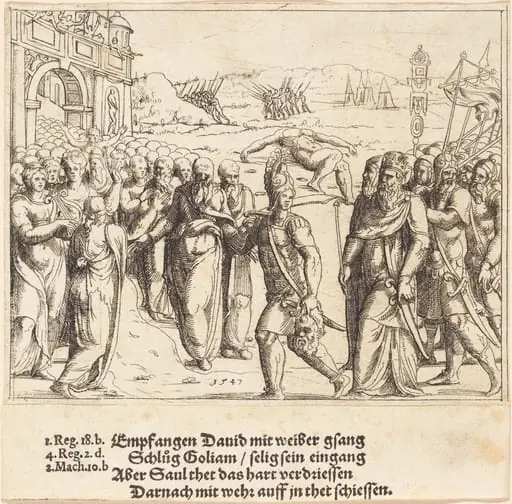 David is Welcomed after Killing Goliath, and Saul's Jealousy
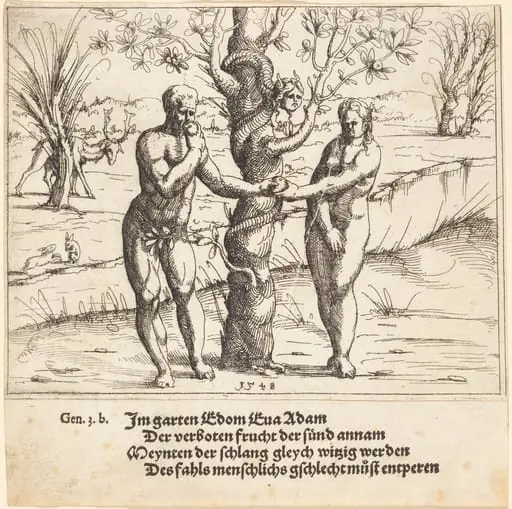 The Fall of Man
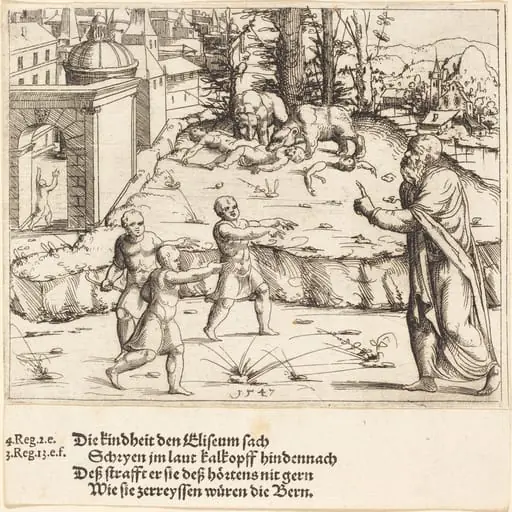 The Murder of the Children of Bethel
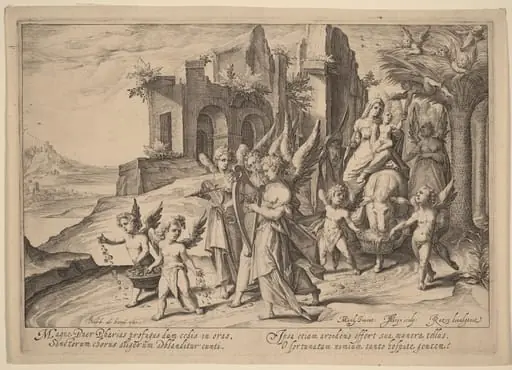 Return from the Flight into Egypt
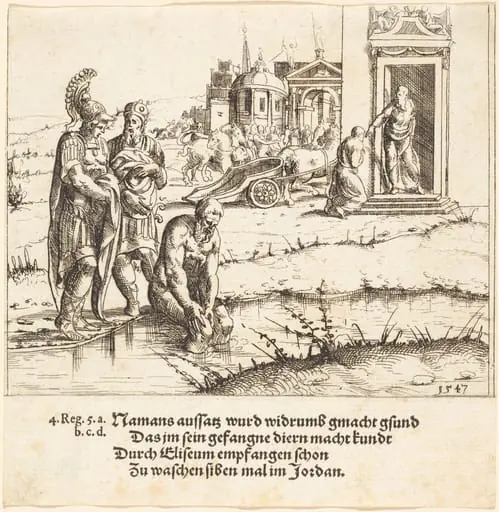 Naaman is Cured of Leprosy
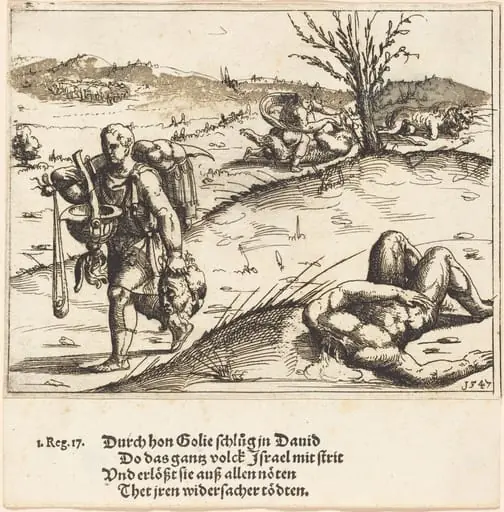 David Beheads Goliath
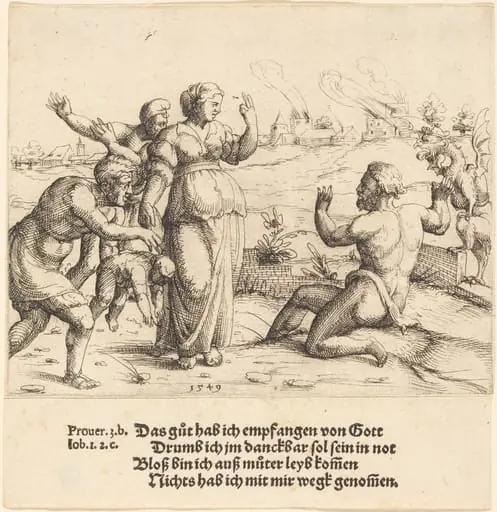 Job Learns of His Misfortunes