Artwork
Queen of Sheba's Visit to Solomon
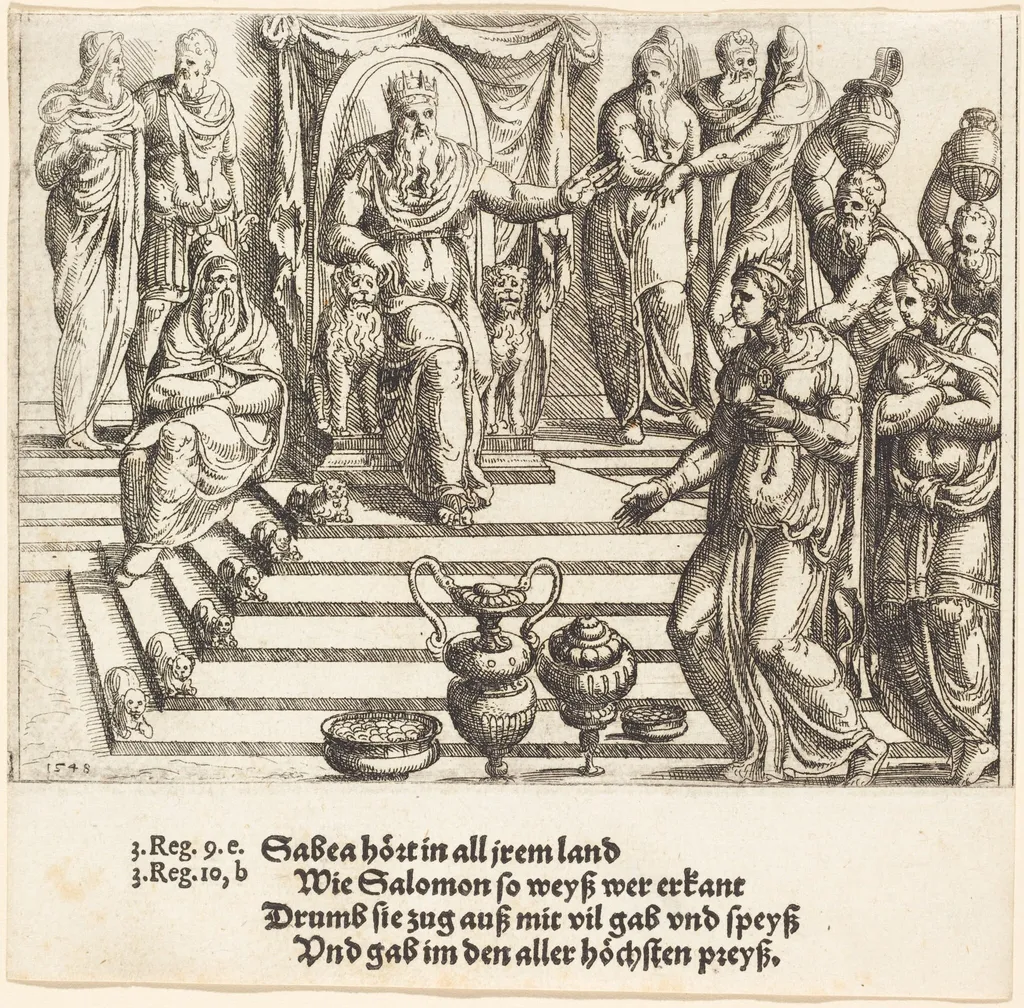
Queen of Sheba's Visit to Solomon is an ink print by the Renaissance artist Augustin Hirschvogel. It dates from 1548 and is held in the collection of the National Gallery of Art.
About this work
Overview
Queen of Sheba's Visit to Solomon is a 1548 etching by Augustin Hirschvogel, a multifaceted German artist, mathematician, and cartographer associated with the Danube School. The work captures a pivotal biblical encounter.
Subject & Meaning
The etching depicts the meeting between King Solomon and the Queen of Sheba, conveying themes of royal grandeur, diplomacy, and ceremonial formality through the interaction of the two figures and their respective entourages.
Technique & Style
Executed in etching, the piece showcases Hirschvogel's skill in the medium, characteristic of the Danube School's attention to detail. The composition's use of draped backgrounds, regal attire, and scattered symbolic objects reflects Renaissance influences.
History & Provenance
Created in 1548, this etching is part of Hirschvogel's notable series of thirty-five small landscape etchings produced between 1545 and 1549. It is now held in the collection of the National Gallery of Art, Washington.
Context
As a product of the Danube School, this work sits within the broader context of 16th-century Bavarian and Austrian art, blending religious narrative with the artistic innovations of the Renaissance.
Legacy
While specific lasting impacts of this etching on subsequent art are not widely documented, it remains a valued example of Hirschvogel's oeuvre and the artistic practices of its time, preserved for study and appreciation.
Artist & collection
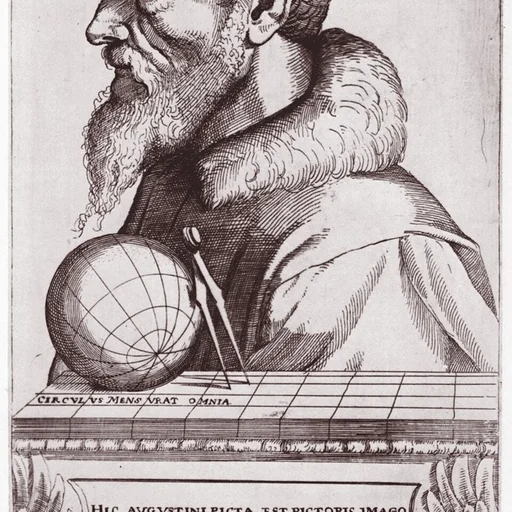
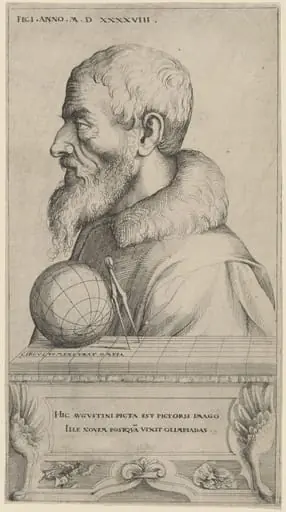
Artist
Augustin Hirschvogel (1503 – February 1553) was a German artist, mathematician, and cartographer known primarily for his etchings.

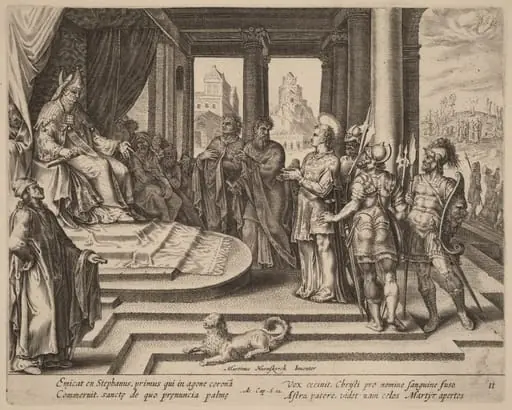 Saint Stephen before the Council
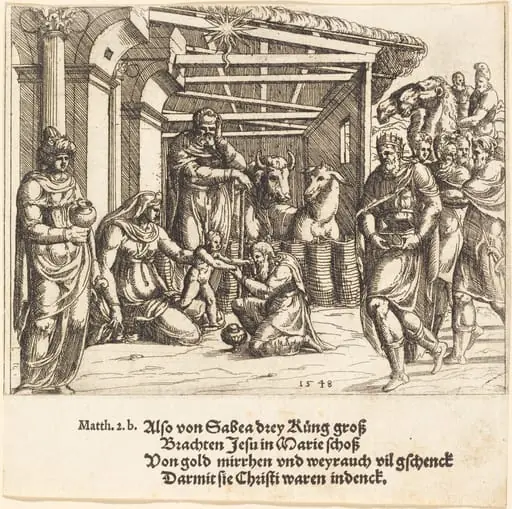 The Adoration of the Magi
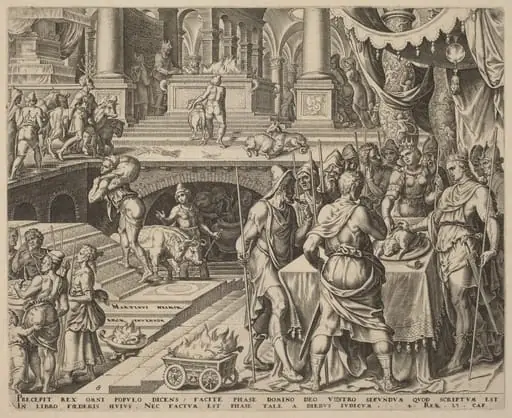 Josiah Celebrating Passover
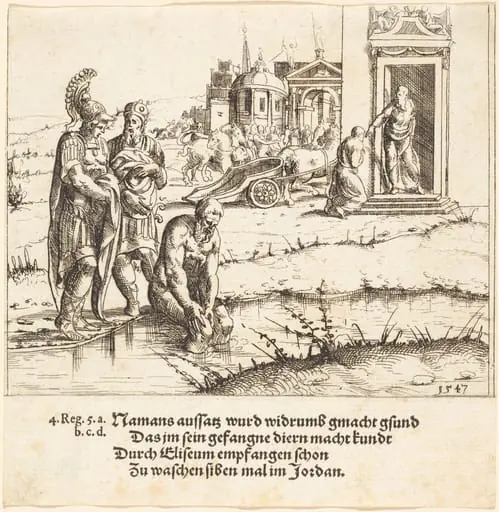 Naaman is Cured of Leprosy
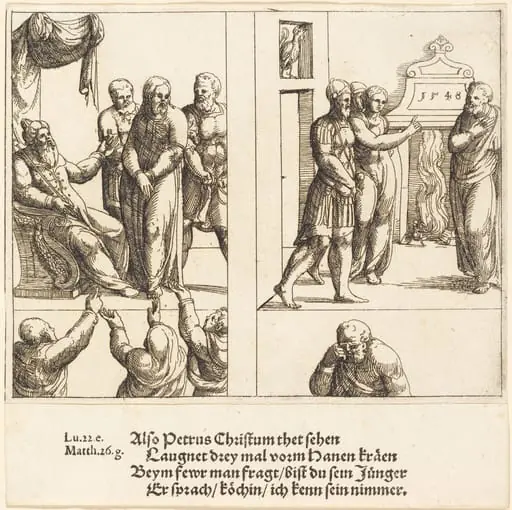
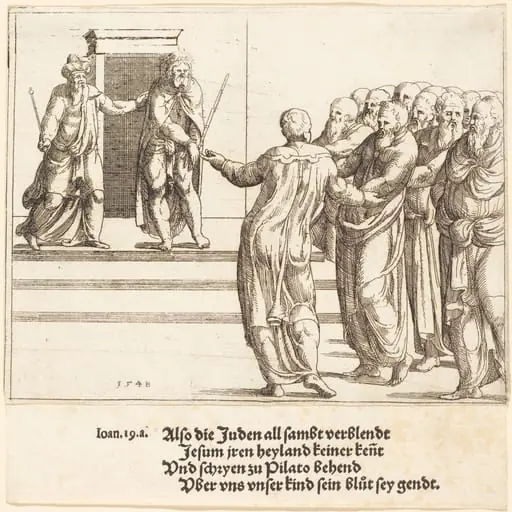 Ecce Homo, and the Jews Deny Christ
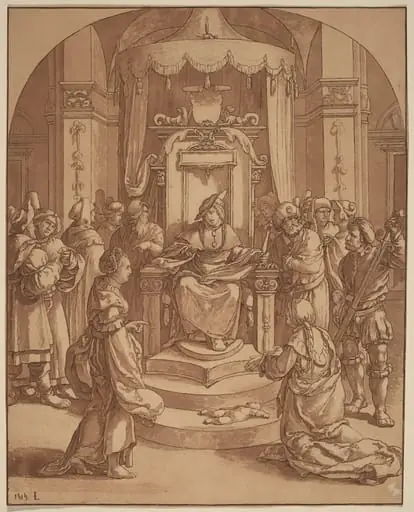 The Judgment of Solomon
 Christ is Mocked, and Caiaphas Rends His Garments
 The Book of the Law Read before the People
 The Presentation in the Temple
 David Playing the Harp before Saul
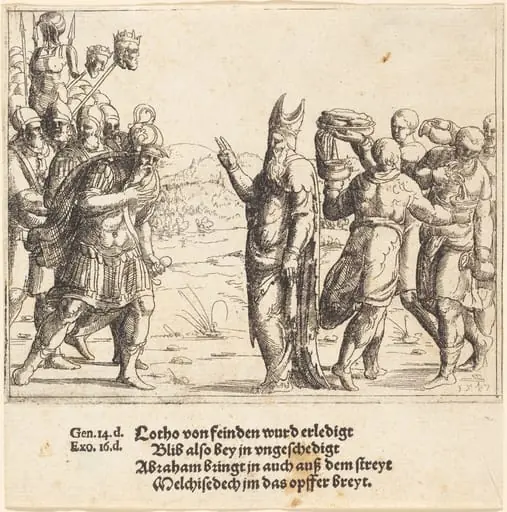 Melchizedek with Bread and Wine