Artwork
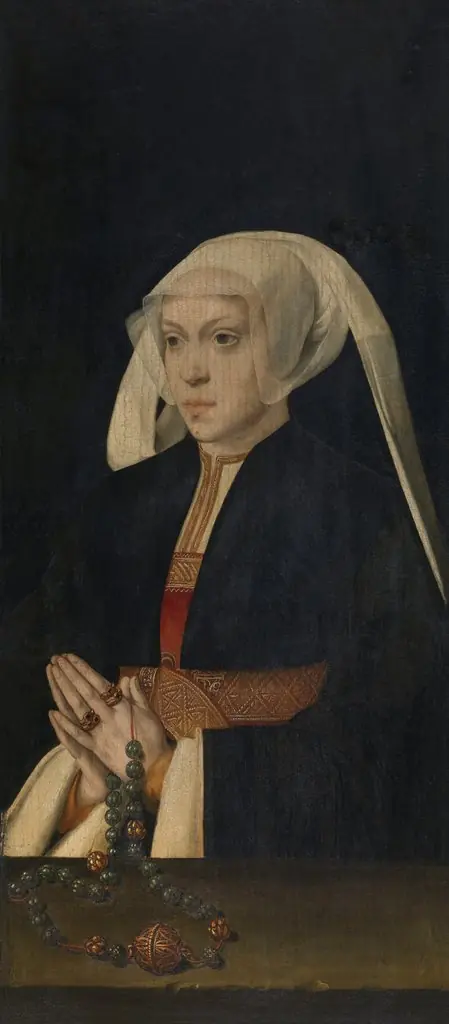
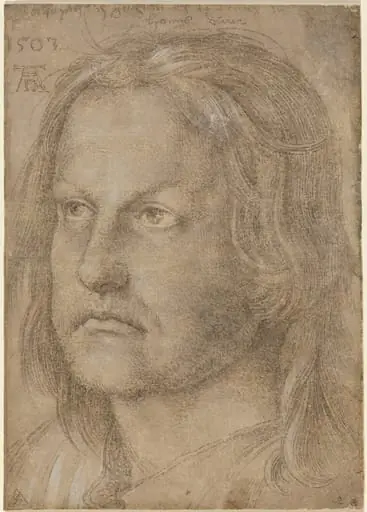
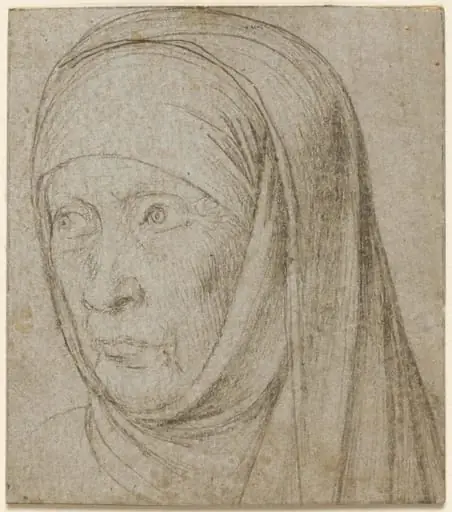
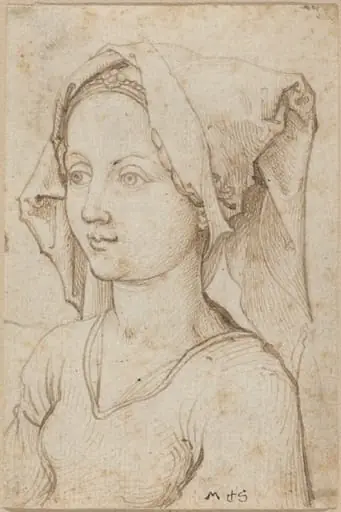
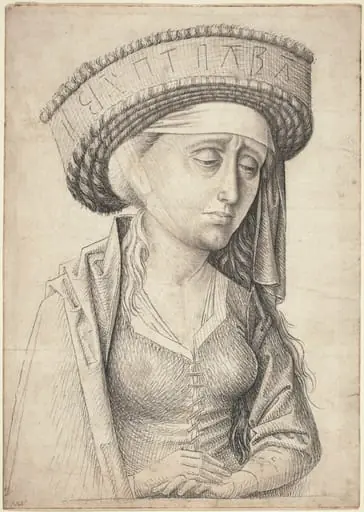
Portrait of a Woman [recto]
![Portrait of a Woman [recto], by Hans Holbein the Elder, ink, 1508](https://artifactworldgallery.com/img/hans-holbein-the-elder--portrait-of-a-woman-recto--193982c12461e0d4-w1024.webp)
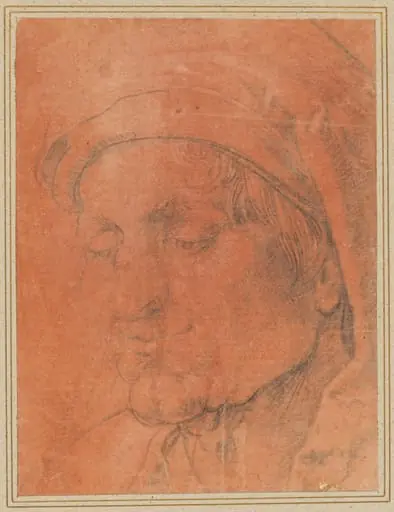
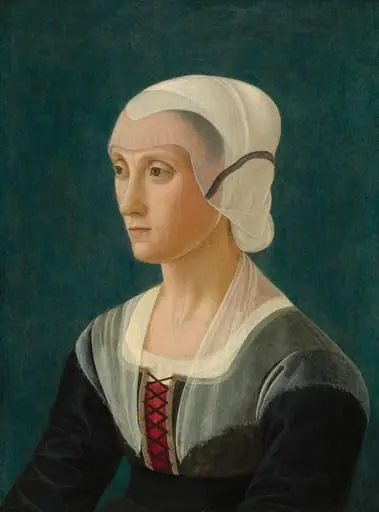
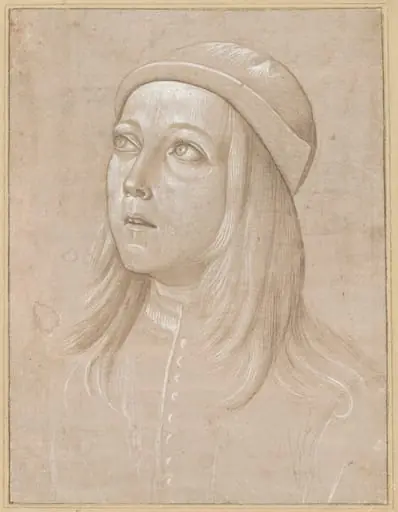
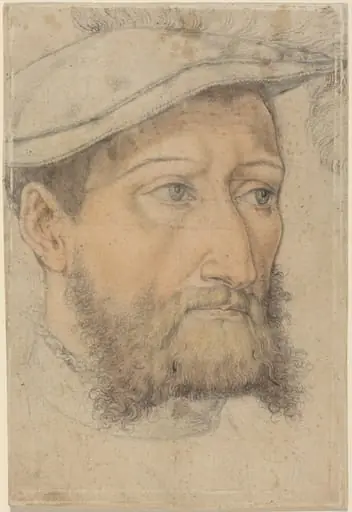
Portrait of a Woman [recto] is an ink drawing by the Renaissance artist Hans Holbein the Elder. It dates from 1508 and is held in the collection of the National Gallery of Art.
About this work
The painting is called Portrait of a Woman.
It was made around 1508 by Hans Holbein the Elder.
The artist used a mix of techniques to create the portrait, which is now held at the National Gallery of Art, Washington, and is part of the Renaissance movement.
You can learn more about this style by looking into the movement: Renaissance.
Overview
Created circa 1508, this drawing portrays a seated woman rendered in a delicate combination of silverpoint, brush, ink, charcoal and leadpoint on a specially prepared white paper. The artist, Hans Holbein the Elder, a leading figure of the early German Renaissance, employed subtle white heightening to accentuate the figure’s features, achieving a nuanced, lifelike presence typical of the period’s portraiture.
Technique & Style
Holbein the Elder blended several media: silverpoint for fine lines, charcoal and leadpoint for initial modeling, and ink applied with brush for deeper shadows.
Holbein the Elder blended several media: silverpoint for fine lines, charcoal and leadpoint for initial modeling, and ink applied with brush for deeper shadows. White pigment was added atop the paper to highlight areas of light, creating a luminous effect. This multi‑layered approach reflects the Northern Renaissance’s interest in meticulous detail and the exploration of texture through varied drawing implements.
Subject & Meaning
The work depicts an unidentified woman, rendered with careful attention to facial expression and attire, suggesting a private commission or a study of idealized feminine beauty. The emphasis on realistic rendering aligns with contemporary humanist values, where individual likeness and character were increasingly prized in portraiture.
History & Provenance
The drawing is part of the collection of the National Gallery of Art in Washington, D.C. It has remained attributed to Holbein the Elder, whose legacy includes mentoring his sons Ambrosius and Hans the Younger, both of whom achieved prominence in the later Renaissance. The piece exemplifies the artist’s role in the transition from medieval to early modern visual culture.
Artist & collection
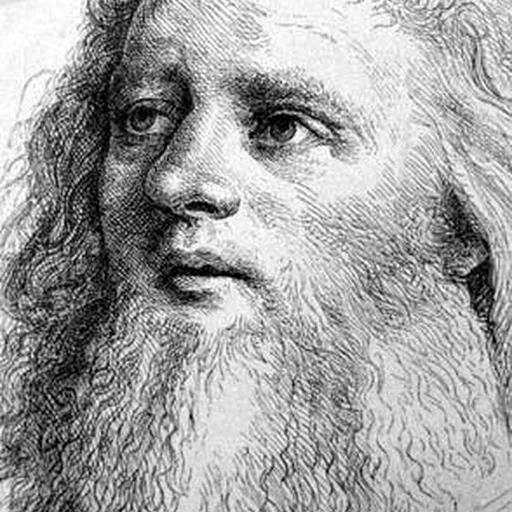
Artist
Hans Holbein the Elder (c. 1460/65 – 1524) was a German painter of the early German Renaissance. He was the father of painters Ambrosius and Hans the Younger.

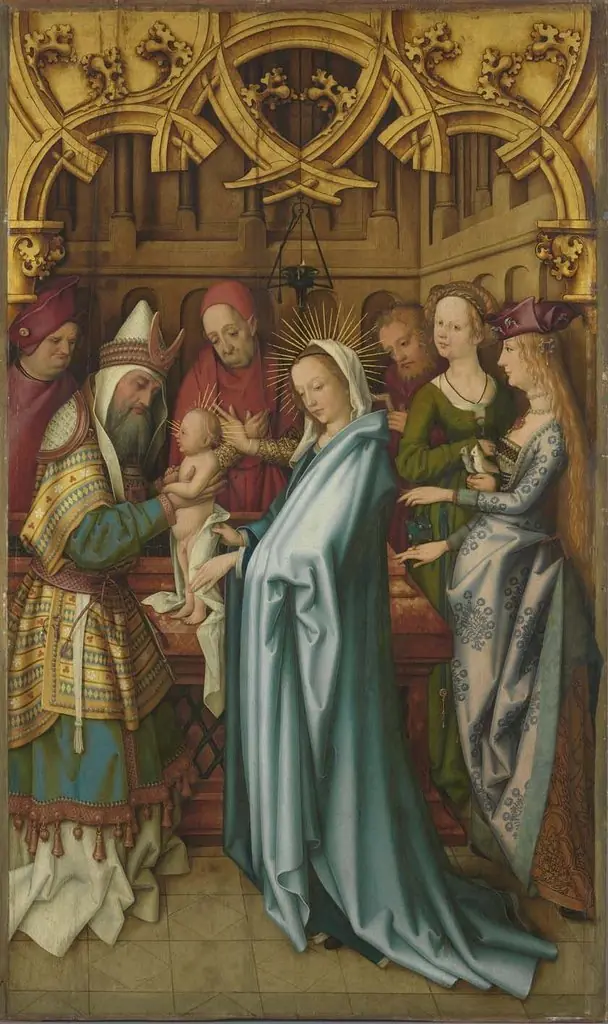 Kaisheimer Altar: Darbringung im Tempel
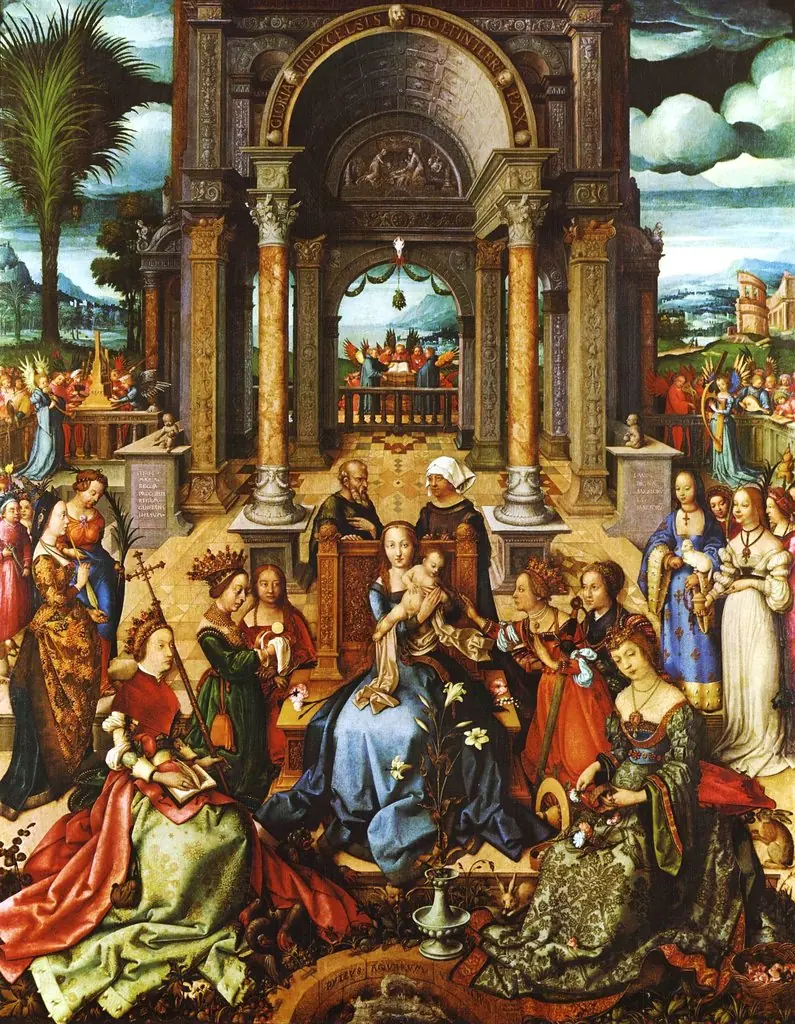 Virgin with Child by Hans Holbein the Elder, Museu Nacional de Arte Antiga
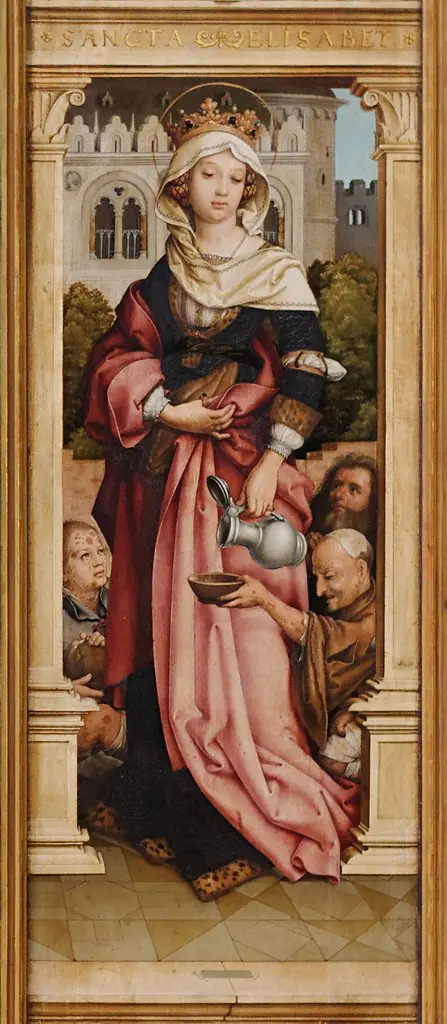 St. Sebastian Altar: St. Elizabeth of Hungary
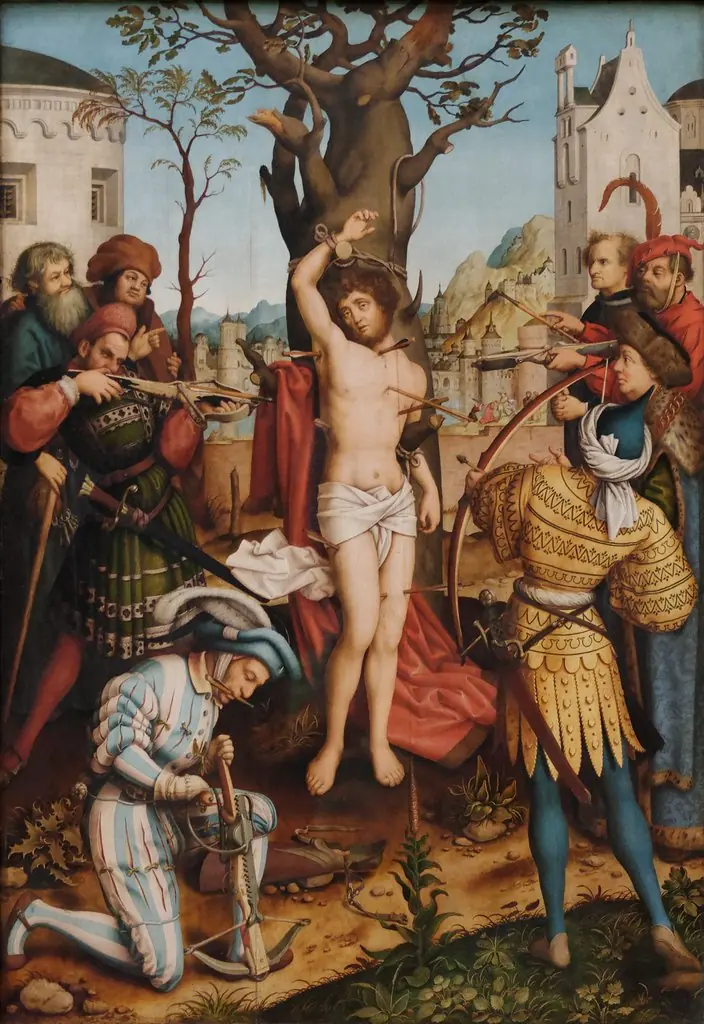 St. Sebastian Altar: The Martyrdom of St. Sebastian
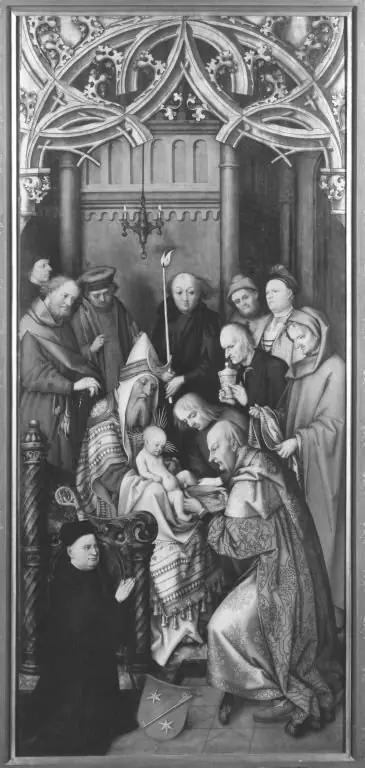 Kaisheimer Altar: Beschneidung Christi
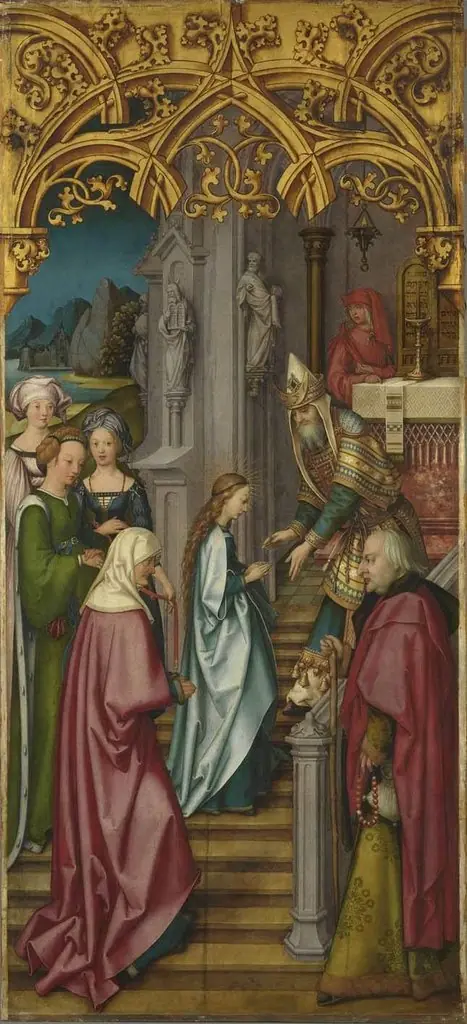 Kaisheimer Altar: Tempelgang Mariens
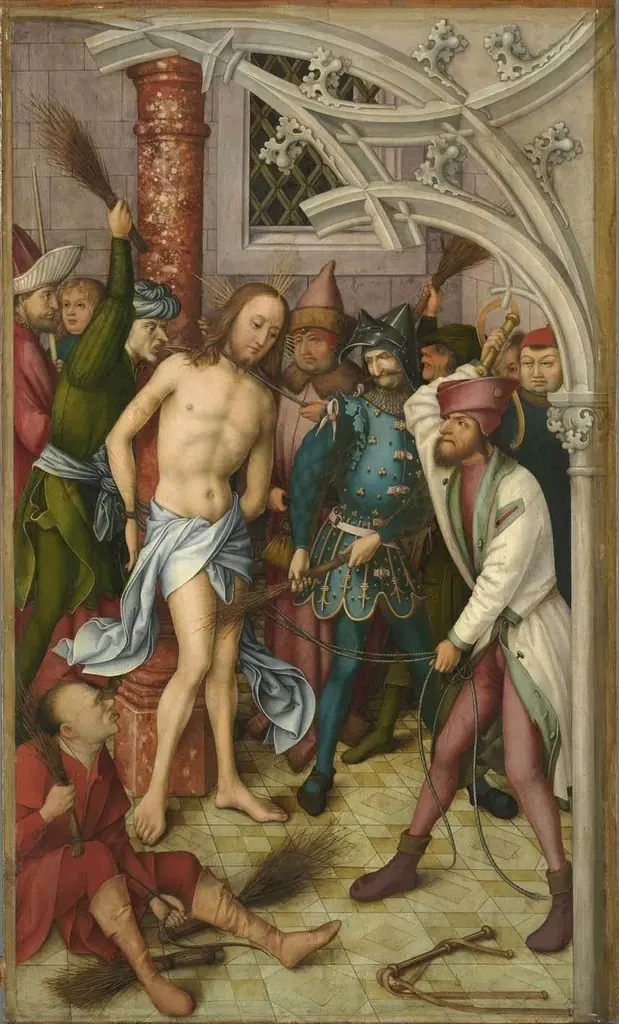 Kaisheimer Altar: Geißelung Christi
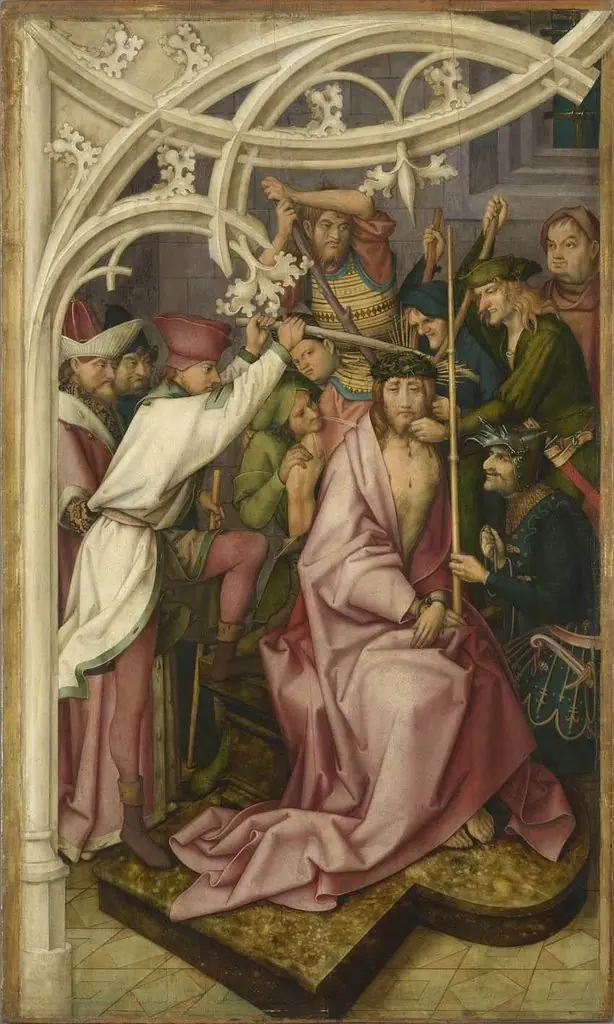 Kaisheimer Altar: Dornenkrönung Christi