Artwork
Peasant Brawl
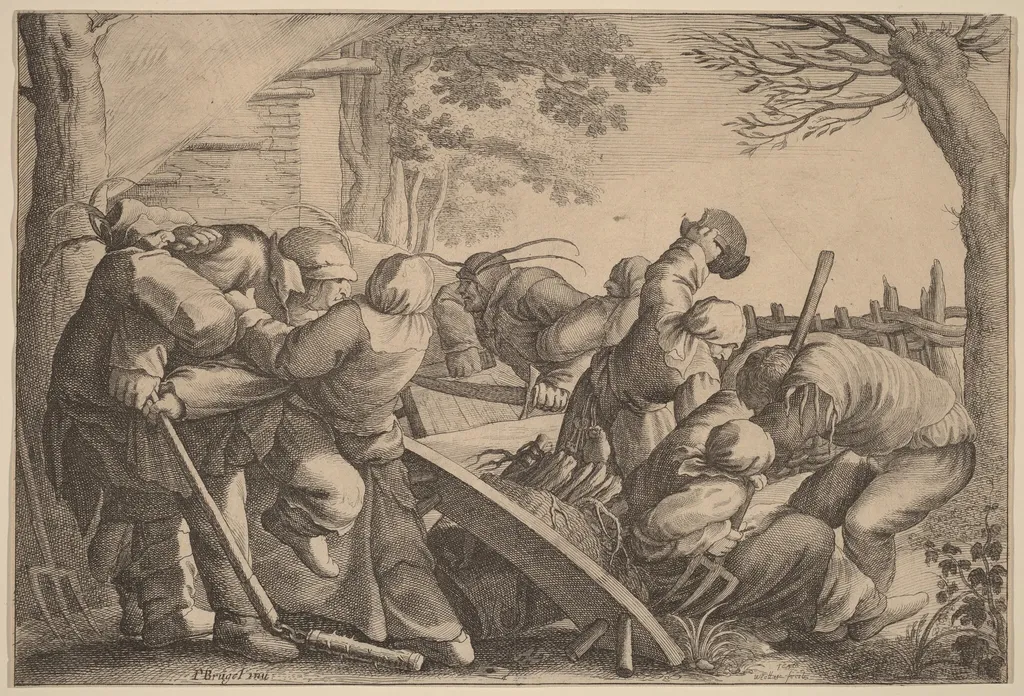
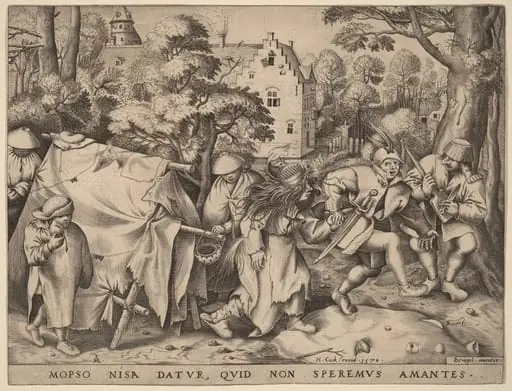
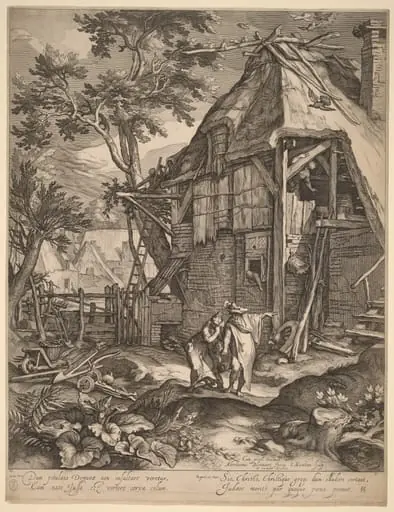
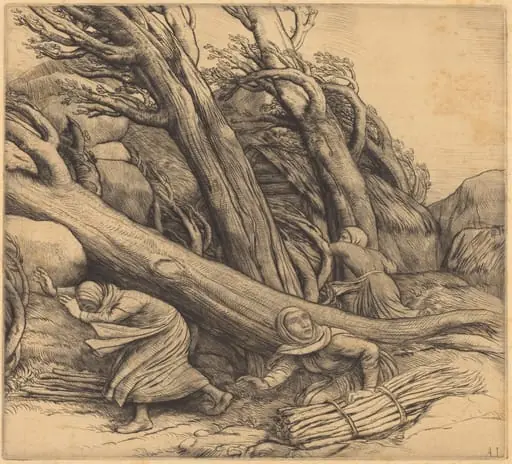
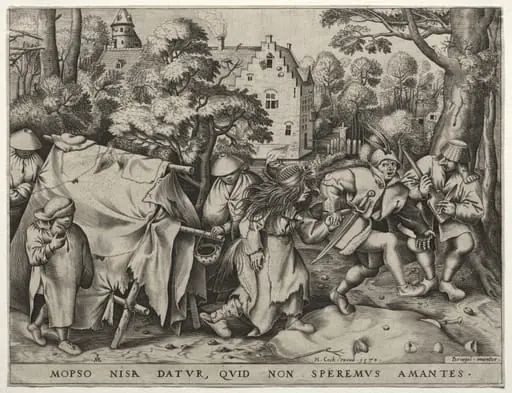
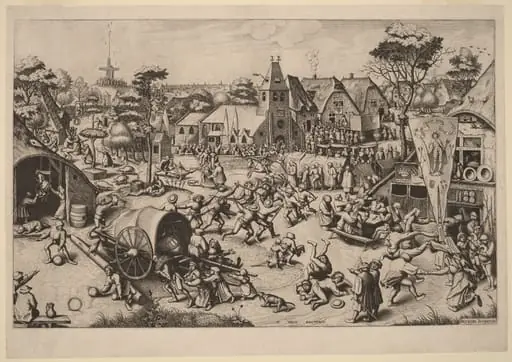
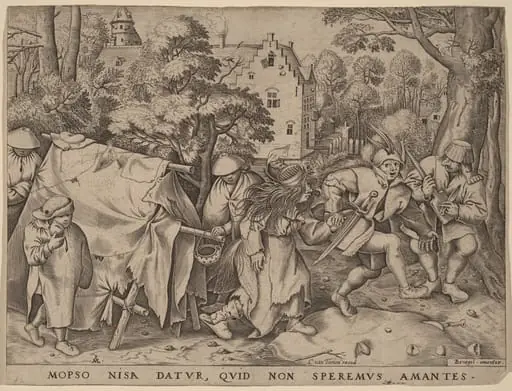
Peasant Brawl is an ink print by the Baroque artist Wenceslaus Hollar. It dates from 1646 and is held in the collection of the National Gallery of Art.
About this work
Overview
The scene is rendered with sharp, incised lines that convey motion and tension without idealization.
Created in 1646 by Wenceslaus Hollar, a Czech artist active in England, *Peasant Brawl* is an etching that captures a moment of violent disorder among rural laborers. Though Hollar is best known for precise architectural views, this work turns inward to the chaos of everyday life, reflecting his interest in social observation. The scene is rendered with sharp, incised lines that convey motion and tension without idealization.
Subject & Meaning
The print depicts a disordered group of peasants locked in physical conflict, their bodies entangled and limbs flailing. No clear victor emerges; instead, the scene emphasizes collective unruliness. The absence of authority figures and the crude setting suggest a world outside formal order, possibly commenting on class tensions or the volatility of rural life in mid-17th-century Europe.
Technique & Style
Hollar employed etching to achieve fine, controlled lines that define the figures’ rough clothing and dynamic postures. The use of cross-hatching and varied line weight creates texture and depth, giving weight to the figures amid the sparse background. The composition is tightly packed, enhancing the sense of claustrophobic chaos, while the background—fence, hut, and trees—remains minimal, focusing attention on the struggle.
History & Provenance
Produced during Hollar’s years in England, the etching likely circulated among collectors interested in genre scenes and social documentation. Though not commissioned, it aligns with a broader European trend of depicting peasant life with unvarnished realism. Its survival in multiple institutional collections suggests early recognition of its observational value, even if not its artistic prestige at the time.
Context
In the mid-1640s, England was embroiled in civil conflict, and rural communities faced economic strain and displacement. Hollar’s depiction of unregulated violence among peasants may reflect broader anxieties about social breakdown. Unlike idealized pastoral scenes, this work presents laborers without dignity or narrative resolution, offering a grounded, unsentimental view of their lived reality.
Legacy
While Hollar’s architectural works dominated his reputation, *Peasant Brawl* endures as a rare example of his engagement with raw social subject matter. It contributes to a visual record of early modern rural life, valued today for its unembellished portrayal of conflict. The print remains a reference point for scholars studying the intersection of print culture and social observation in 17th-century Europe.
Artist & collection
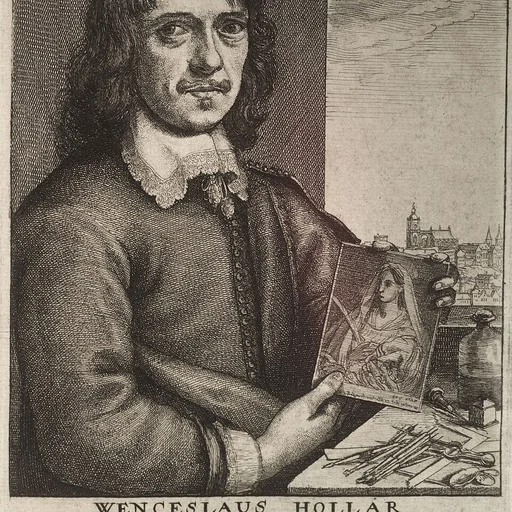
Artist
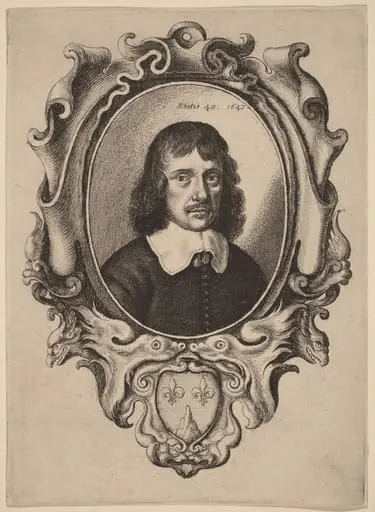
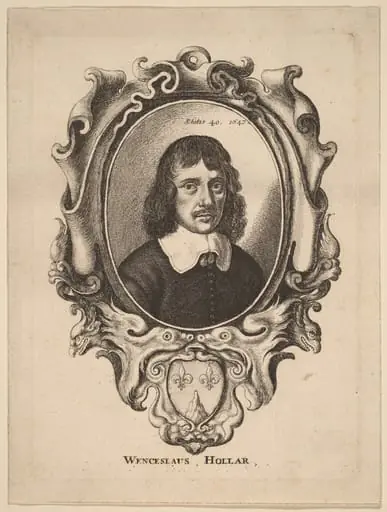
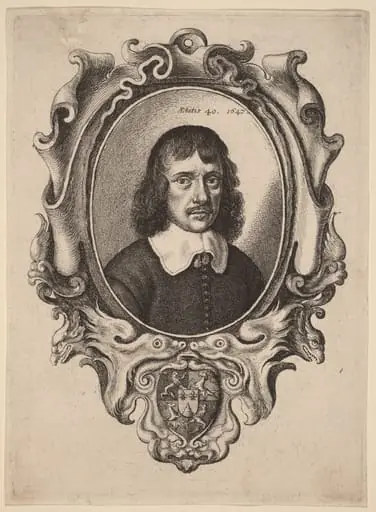
Wenceslaus Hollar (Czech: Václav Hollar (Czech pronunciation: ), German: Wenzel Hollar; 23 July 1607 – 25 March 1677) was a Czech engraver, etcher and painter.