Artwork
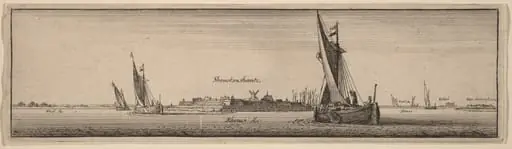
Schenkenschanz
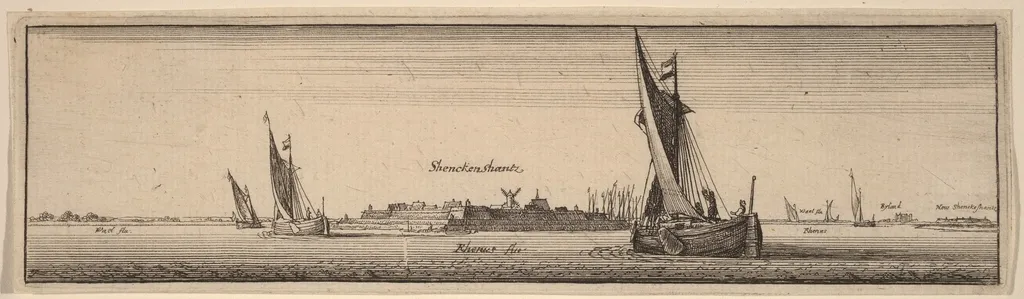
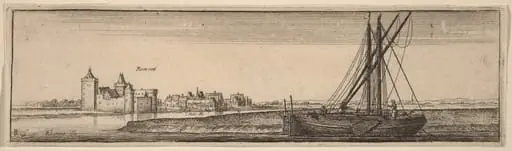
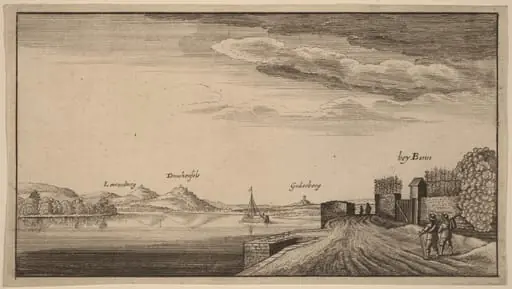
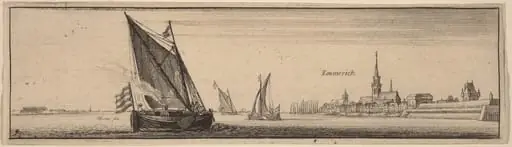
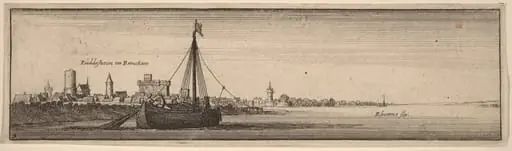
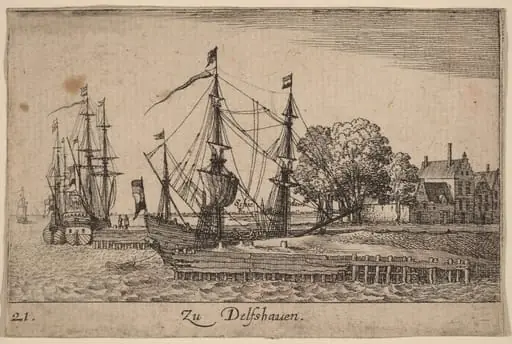
Schenkenschanz is an ink print by the Baroque artist Wenceslaus Hollar. It dates from 1632 and is held in the collection of the National Gallery of Art.
About this work
Overview
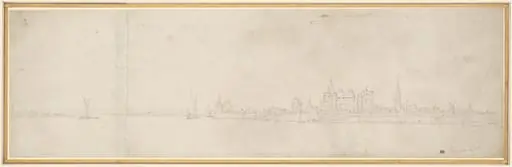
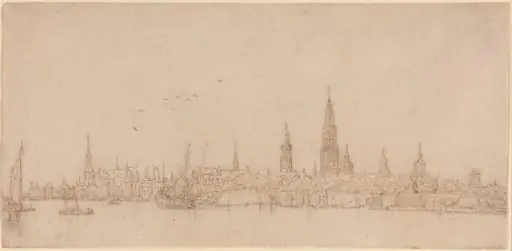
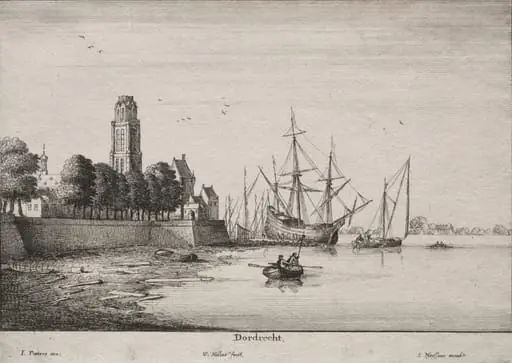
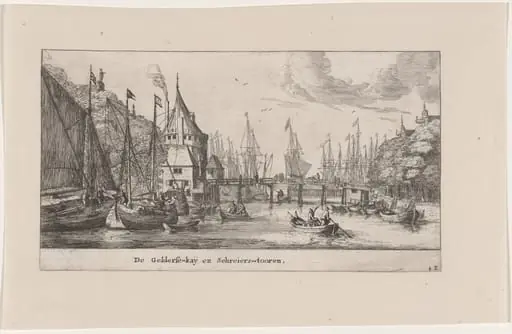
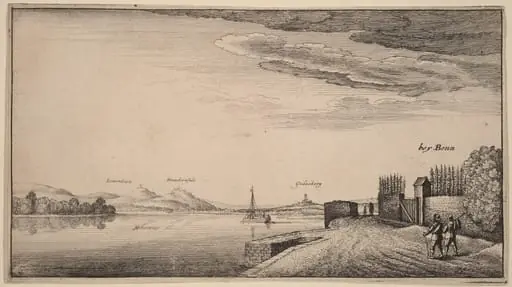
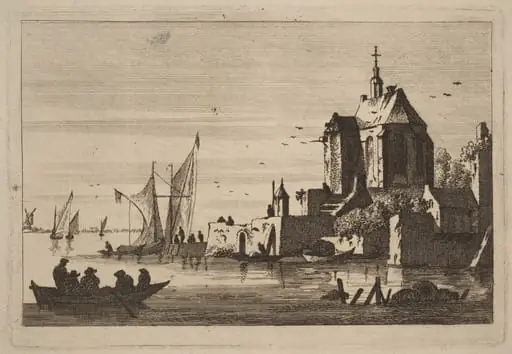
Created around 1632 by the Czech-born printmaker Wenceslaus Hollar, this etching on laid paper presents a panoramic view of a fortified settlement and its harbor. The composition stretches horizontally, capturing a tranquil waterway lined with anchored vessels and a modest village punctuated by windmills, while the fortified town dominates the central space.
Subject & Meaning
The image records a coastal stronghold, emphasizing the interplay between defensive architecture and everyday maritime activity. By juxtaposing the orderly town walls with the bustling harbor, Hollar highlights the strategic importance of such locales in the early modern period, offering a visual document of urban planning and naval presence.
Technique & Style
Executed through etching, Hollar incised fine lines onto a metal plate, allowing for intricate detailing of ship rigging, building façades, and landscape textures. The use of laid paper contributes a subtle ribbed surface that enhances the tonal variation, while the overall linear precision reflects the artist’s reputation for meticulous topographical rendering.
History & Provenance
During the 1630s Hollar was active in England, producing a series of topographical prints that catered to collectors interested in European locales. This particular work, titled *Schenkenschanz*, entered various private collections before being acquired by a museum specializing in early modern prints, where it remains part of the permanent holdings.
Artist & collection
Artist
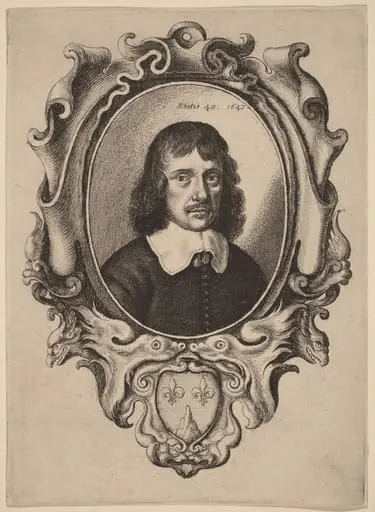
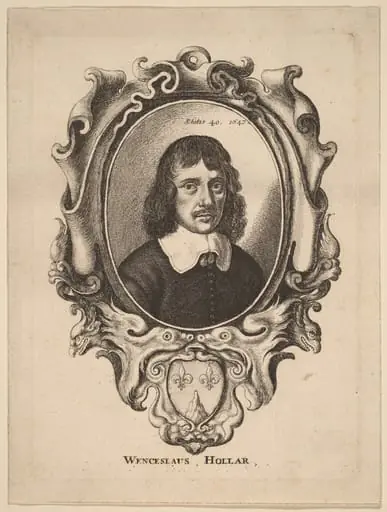
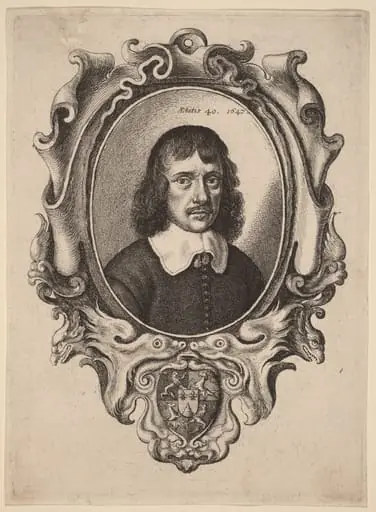
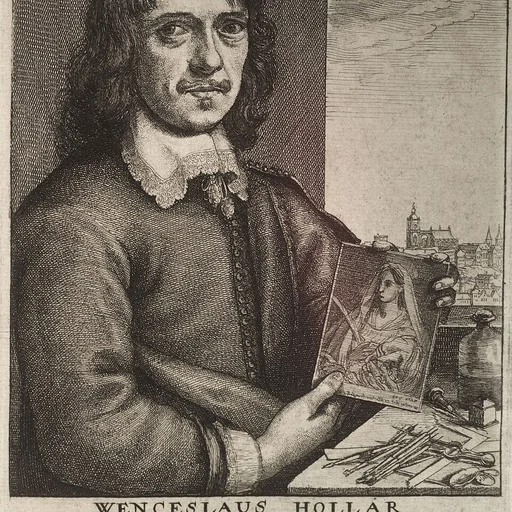
Wenceslaus Hollar (Czech: Václav Hollar (Czech pronunciation: ), German: Wenzel Hollar; 23 July 1607 – 25 March 1677) was a Czech engraver, etcher and painter.