Artwork
Saint John
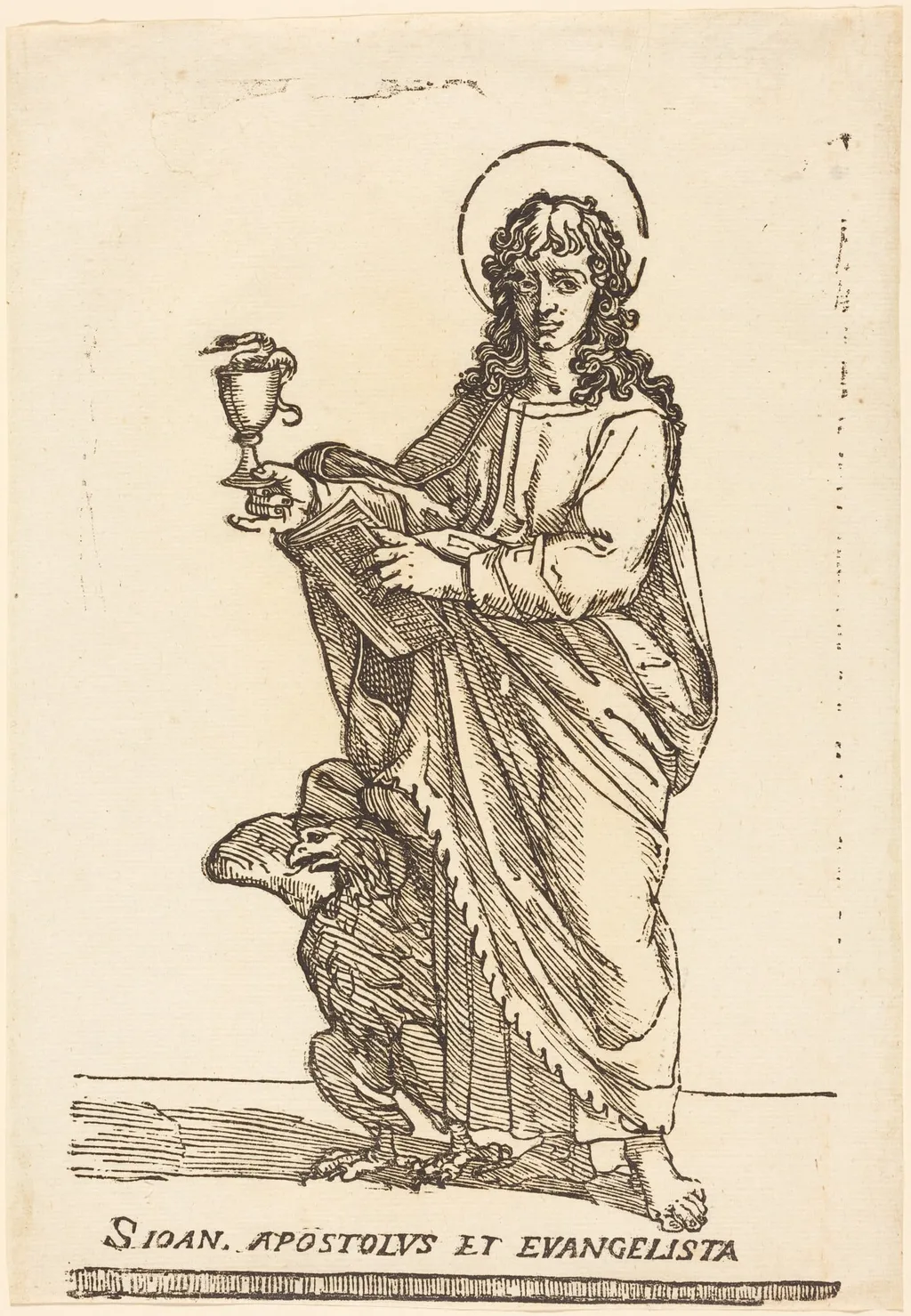
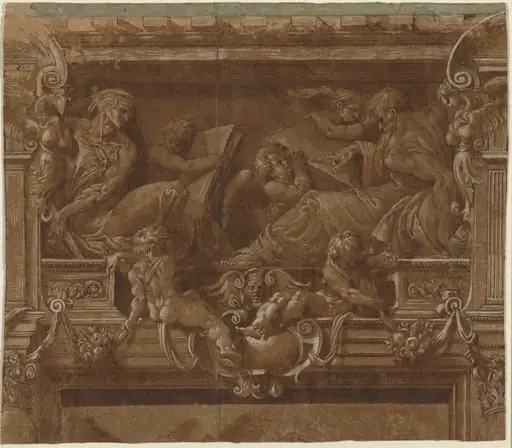
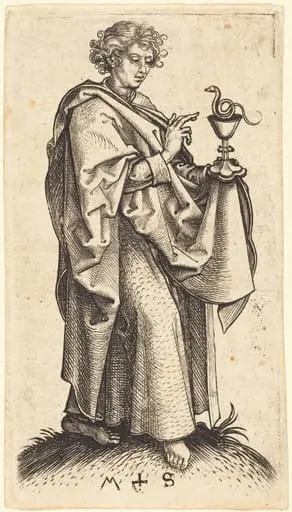
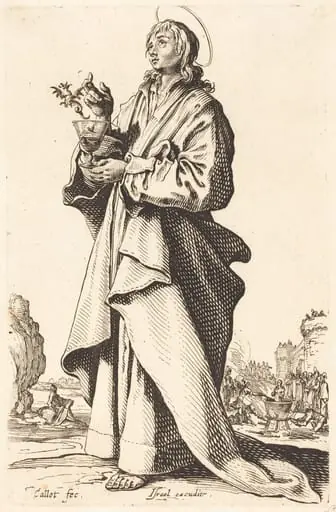
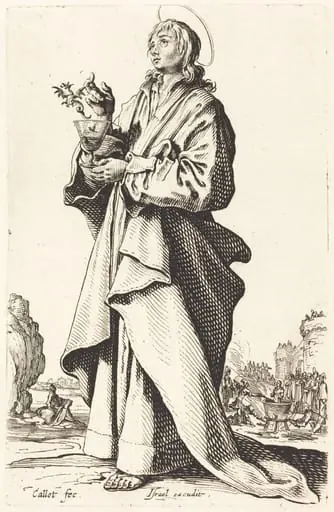
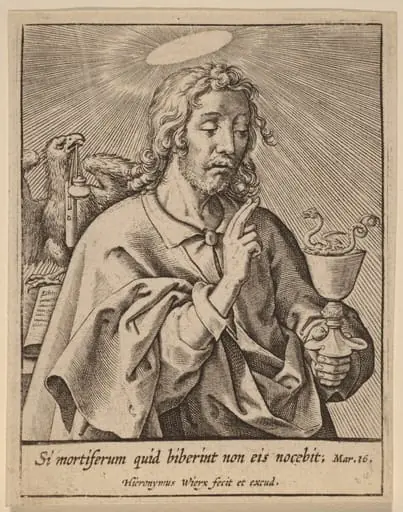
Saint John is an ink print by the Renaissance artist Italian 16th Century. It dates from 1626 and is held in the collection of the National Gallery of Art.
About this work
Overview
This print is a black-and-white woodcut on laid paper, depicting Saint John the Evangelist. Created using the traditional woodcut method, it relies on carved lines to form image and texture. The composition is restrained, focusing on the figure against a minimal background, emphasizing the artist’s skill in rendering detail through contrast and incised mark-making.
Subject & Meaning
Saint John is portrayed in quiet contemplation, likely as the author of the Gospel or the Apocalypse. His simple attire and unadorned setting suggest humility and spiritual focus, aligning with traditional iconography of the saint as a contemplative theologian. The absence of symbolic attributes like a chalice or eagle directs attention to his expression and presence.
Technique & Style
The artist employed a woodcut technique, carving lines into a wooden block to create tonal variation and texture. Fine hatching defines facial features and folds of fabric, demonstrating precision in hand-carving. The stark contrast between inked lines and paper highlights the medium’s capacity for clarity and economy, typical of early printed religious imagery.
History & Provenance
The print’s origin is not documented with certainty, but its style and paper type suggest production in late medieval or early Renaissance Europe. It likely served devotional or educational purposes, circulated among clergy or literate laypeople. No known collector records or exhibition histories accompany the work, indicating modest historical visibility.
Context
Woodcuts were the dominant form of image reproduction before movable type printing became widespread. Religious subjects like Saint John were common, used to convey doctrine to audiences with limited literacy. This print reflects the broader trend of making sacred figures accessible through affordable, reproducible imagery in pre-modern Europe.
Legacy
As an example of early printmaking, this work illustrates the transition from manuscript illumination to mechanical reproduction. While not attributed to a major named artist, it contributes to understanding how religious imagery was standardized and disseminated, laying groundwork for later developments in graphic arts and visual theology.
Artist & collection

Artist
A 16th-century Italian sculptor left us small bronze works in dark brown and gold.