Artwork
Triumph of Bacchus
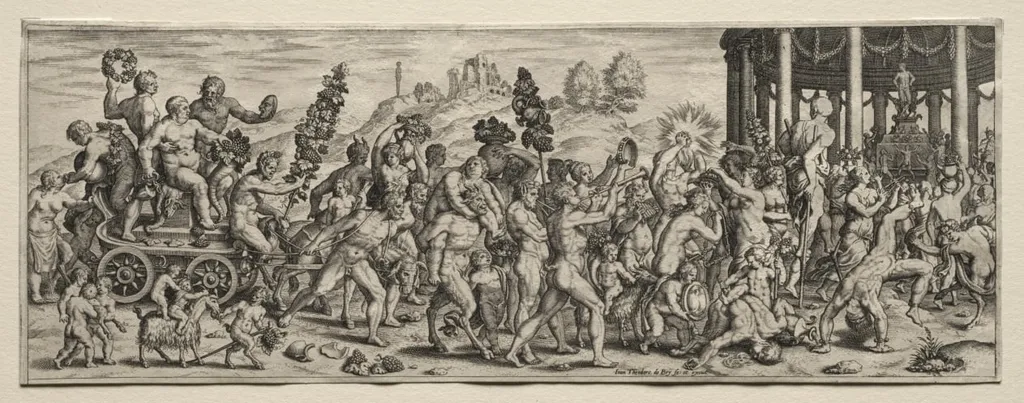
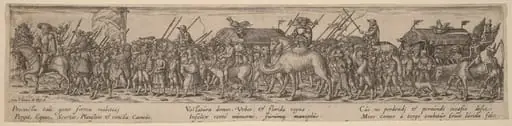
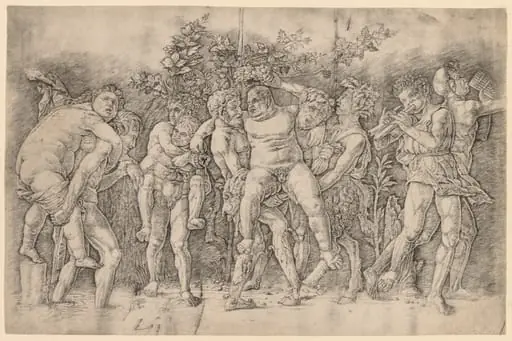
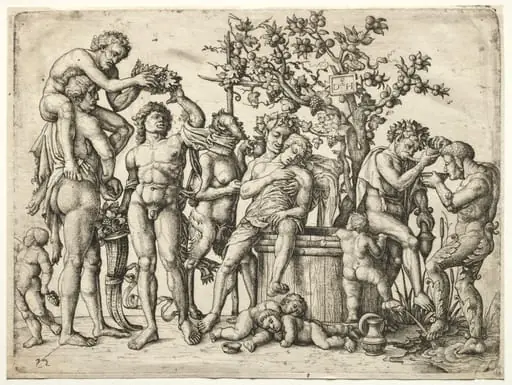
Triumph of Bacchus is a print by the Renaissance artist Johann Theodor de Bry. It dates from 1602 and is held in the collection of the Cleveland Museum of Art.
About this work
Overview
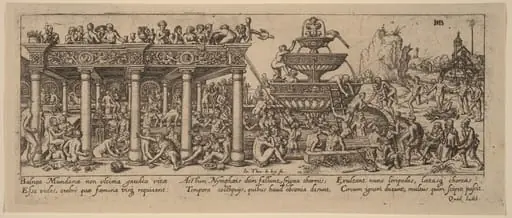
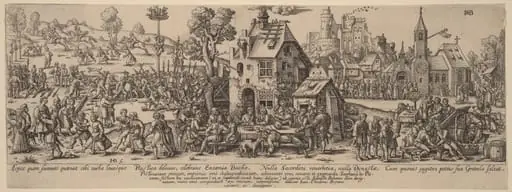
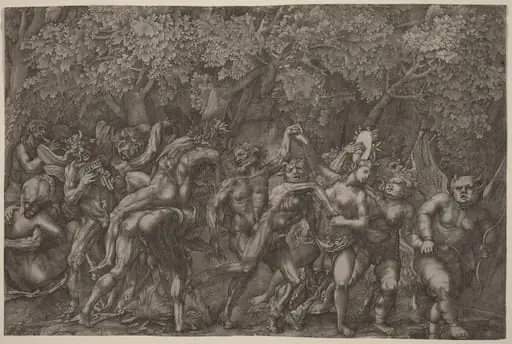
This small engraving depicts a festive procession honoring Bacchus, the Roman god of wine, in a format deliberately scaled for intimate viewing.
This small engraving depicts a festive procession honoring Bacchus, the Roman god of wine, in a format deliberately scaled for intimate viewing. Unlike monumental public triumphs, these prints transformed grand mythological themes into portable, handheld scenes—meant for private contemplation rather than public display. Their diminutive size invites close inspection, turning the viewer into an intimate observer of mythic revelry.
Subject & Meaning
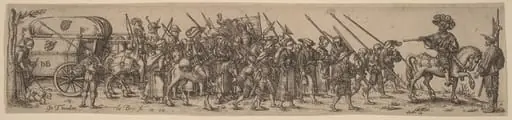
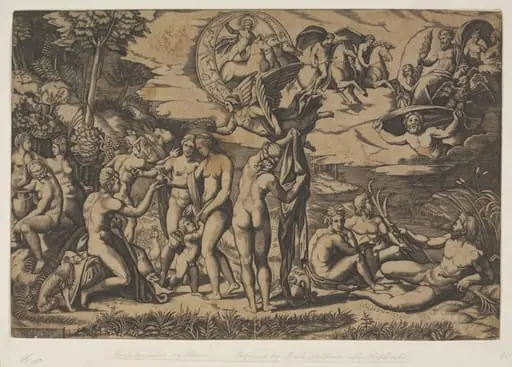
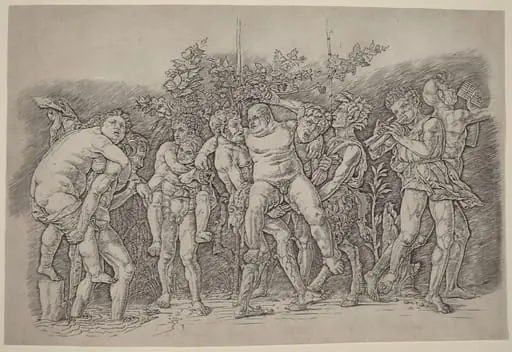
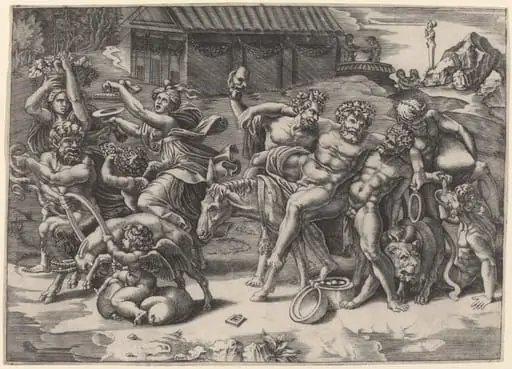
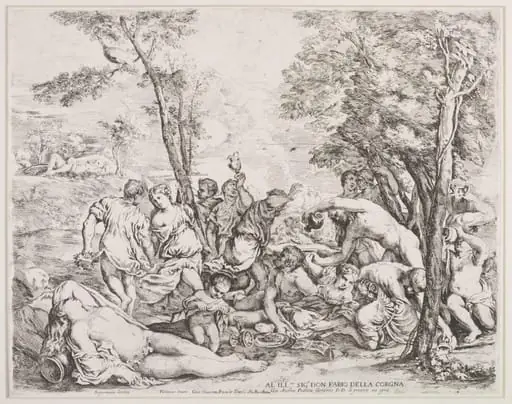
The scene portrays Bacchus at the center of a disorderly parade of satyrs, nymphs, and half-naked followers, evoking the ecstatic rituals associated with his cult. The imagery draws from classical antiquity but reimagines it with playful, almost satirical energy. Rather than celebrating military victory, it celebrates indulgence and abandon, reflecting Renaissance fascination with myth as a vehicle for human folly and delight.
Technique & Style
Executed in fine, precise lines typical of Northern Renaissance engraving, the composition balances chaotic movement with controlled detail. Figures are densely packed yet individually rendered, allowing subtle expressions and gestures to emerge under close scrutiny. The artist uses contrast and delicate cross-hatching to suggest texture and motion, enhancing the sense of lively, intimate theater.
History & Provenance
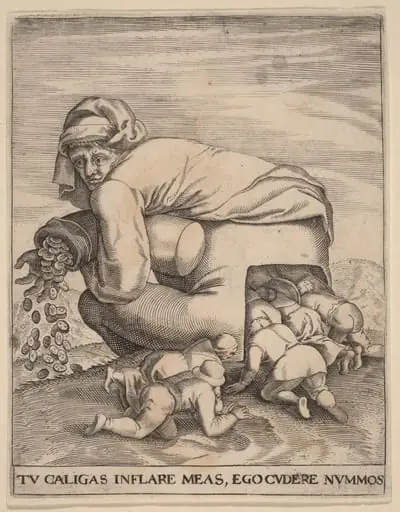
Created in the early 16th century by Georg Pencz, this print belongs to a broader trend among German and Flemish engravers who produced small mythological scenes for collectors. These works circulated among educated elites who appreciated classical allusions and the tactile pleasure of finely made prints. Their portability made them ideal for personal collections and scholarly exchange.
Context
During the Renaissance, classical themes were revived not only in grand frescoes and sculpture but also in miniature formats suited to private study. Artists like Pencz and de Bry responded to a market that valued wit and craftsmanship over scale. These prints offered a counterpoint to official ceremonial art, presenting myth as personal amusement rather than civic ideology.
Legacy
The tradition of small-scale mythological prints influenced later generations of printmakers who explored humor, eroticism, and domesticated myth. Their popularity helped democratize access to classical imagery, shifting its reception from public spectacle to private curiosity. These works remain valuable for understanding how Renaissance audiences engaged with antiquity beyond formal monuments.
Artist & collection

Artist
Johann Theodor de Bry (1561–1623) was a German artist, born in Strasbourg.