Artwork
Ispola and Sultan Kheyl Villages
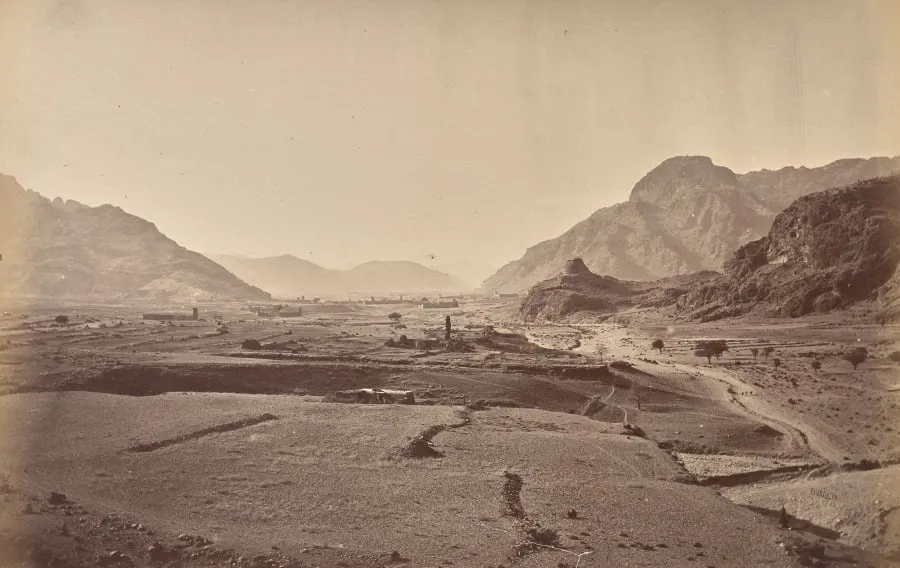
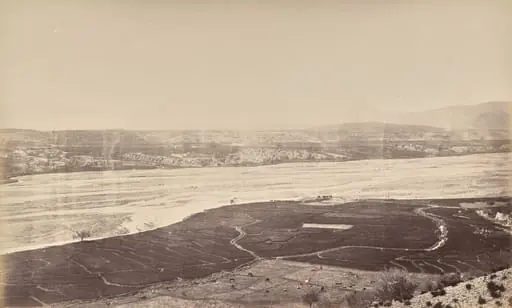
Ispola and Sultan Kheyl Villages is a photography by the Impressionist artist John Burke. It dates from 1879 and is held in the collection of the Cleveland Museum of Art.
About this work
John Burke traveled with British troops during the Second Anglo-Afghan War, but his camera couldn’t freeze battle scenes.
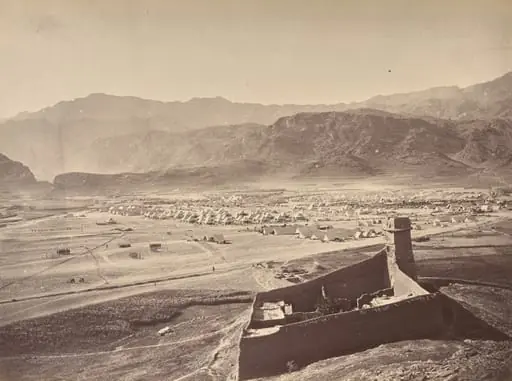
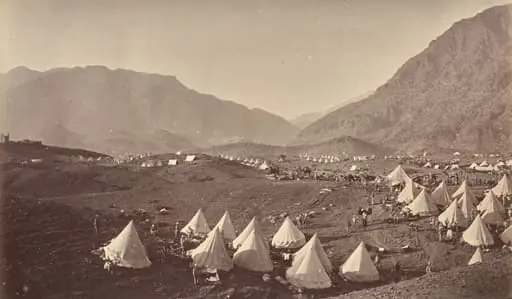
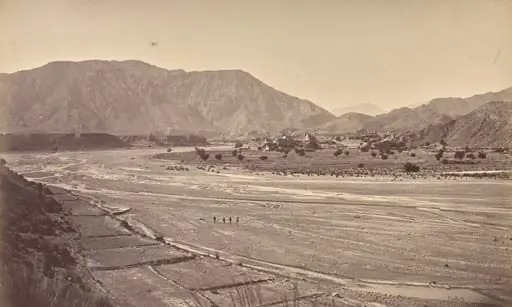
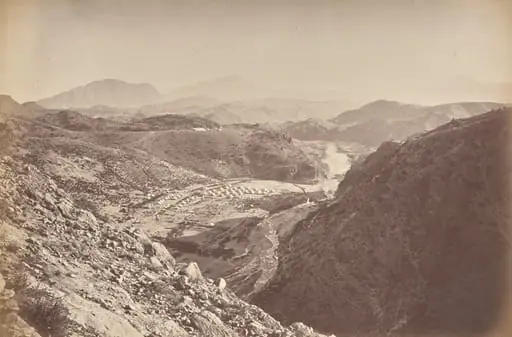
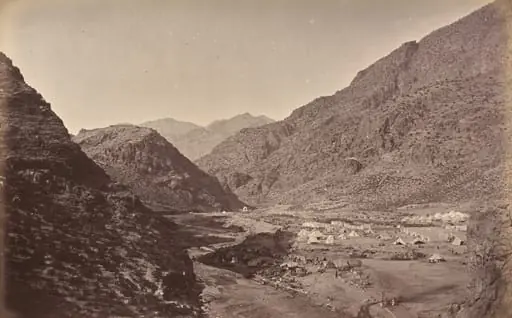
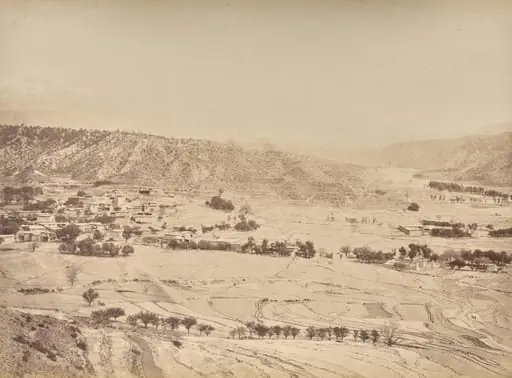
You see two Afghan villages nestled in a dry valley, with low stone walls and a few scattered tents.
This isn’t a painting—it’s one of the first photographs ever taken in Afghanistan. John Burke traveled with British troops during the Second Anglo-Afghan War, but his camera couldn’t freeze battle scenes. Instead, he showed the quiet moments: the land, the camps, and the people caught in the middle. His work helped shape how the world saw the conflict.
If you want to see more of Afghanistan’s early history, look up other photographs by John Burke (Irish, 1845–1915).
Overview
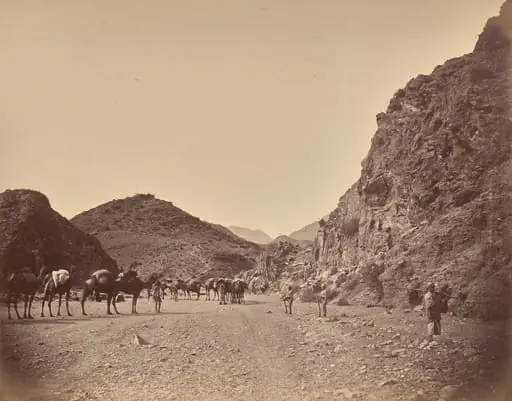
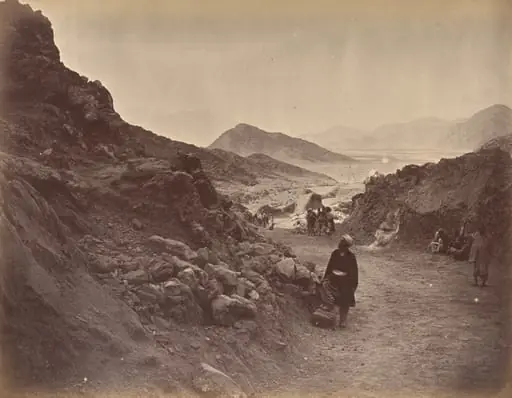
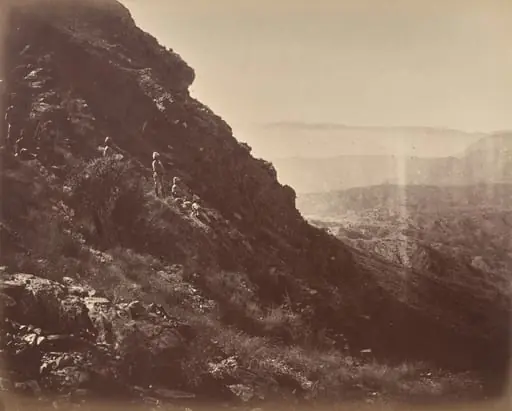
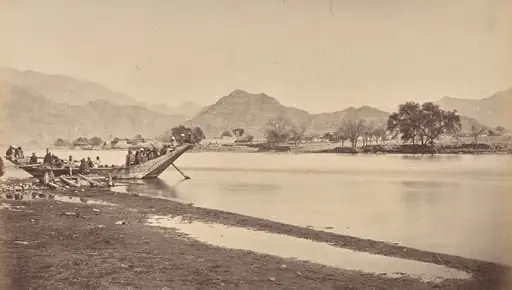
The photograph captures two Afghan villages set within a dry valley, their low stone walls and scattered tents defining a modest settlement landscape. Taken during the Second Anglo‑Afghan War (1878‑1880), the image is part of an early visual record of Afghanistan, produced by John Burke, the first photographer to work extensively in the country.
Subject & Meaning
Rather than depicting combat, the picture documents the everyday environment surrounding the conflict: the terrain, the architecture of rural habitations, and the civilian presence that persisted amid military operations. It offers a glimpse of how ordinary life continued in a war‑torn region, emphasizing the juxtaposition of peace and hostilities.
Technique & Style
Created with the photographic technology of the late 19th century, the image is a static, black‑and‑white view lacking motion. The limitations of the era’s cameras prevented action shots, so Burke focused on composition that highlighted landscape and structural details, employing a straightforward, documentary approach typical of early war photography.
History & Provenance
John Burke (1845–1915), an Irish photographer attached to British forces, traveled with troops throughout the campaign. His work, including this photograph, was compiled into an album that served as one of the first visual accounts of the war, influencing contemporary and later perceptions of the Afghan theater.
Context
The Second Anglo‑Afghan War was fought over British strategic interests in Central Asia, leading to several military engagements and a temporary occupation. Photographic documentation was rare at the time, and Burke’s images provided rare visual evidence of the war’s setting, complementing written reports and maps used by officials and the public.
Legacy
Burke’s photographs remain valuable primary sources for historians studying the period, offering insight into Afghan rural architecture and the war’s impact on civilian spaces. They also mark a milestone in the development of conflict photography, illustrating early attempts to record war environments beyond battlefield action.
Artist & collection