Artwork
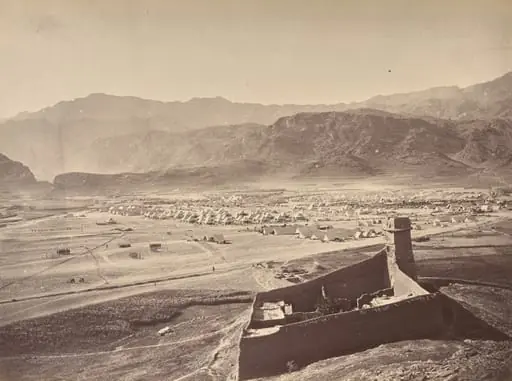
South Wall, Bala Hissar & Residency
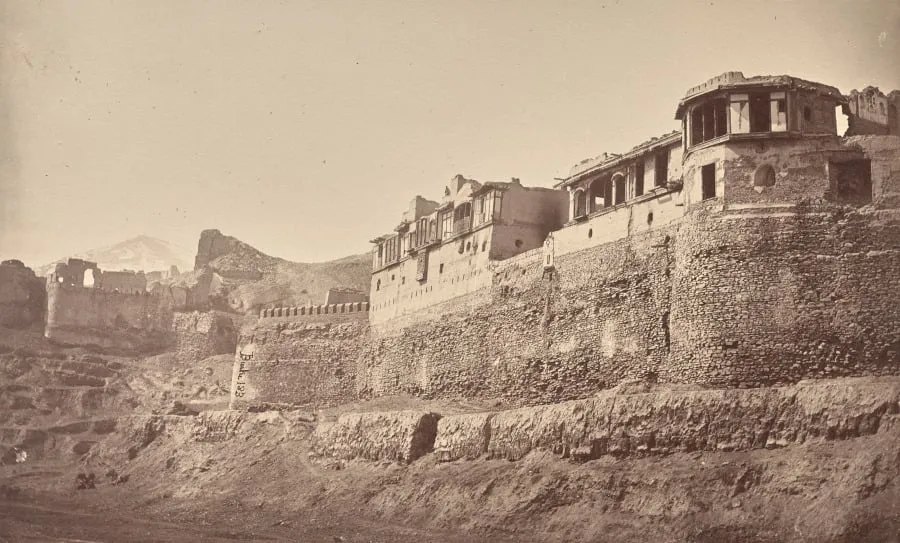
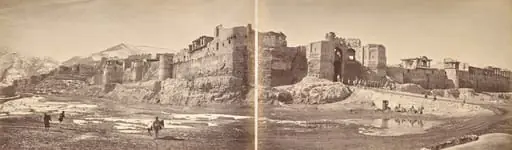
South Wall, Bala Hissar & Residency is a photography by the Impressionist artist John Burke. It dates from 1879 and is held in the collection of the Cleveland Museum of Art.
About this work
This photo is from the Second Anglo-Afghan War, taken by one of the first photographers to work in Afghanistan.
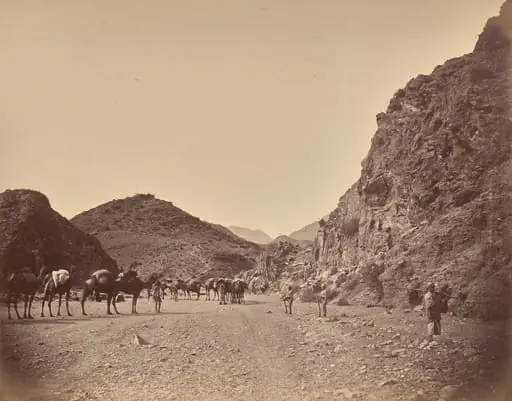
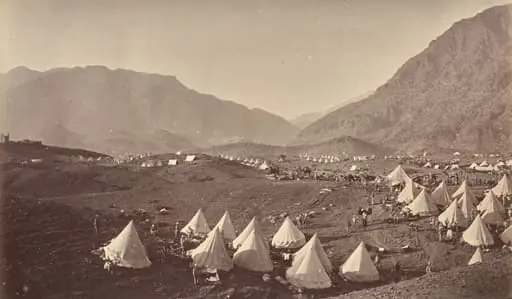
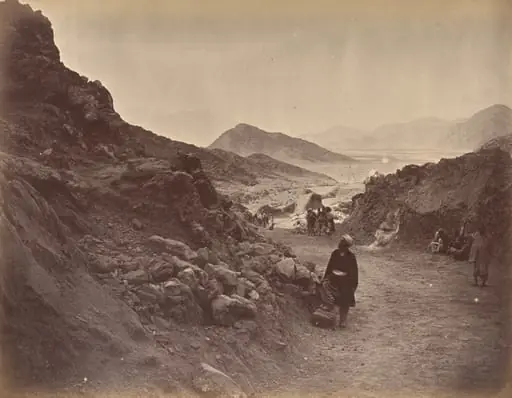
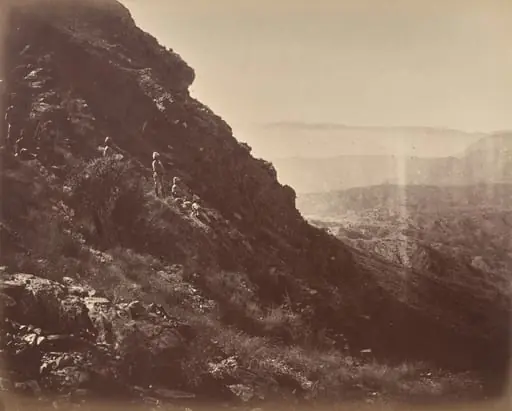
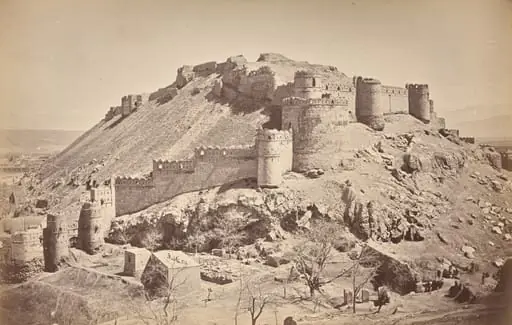
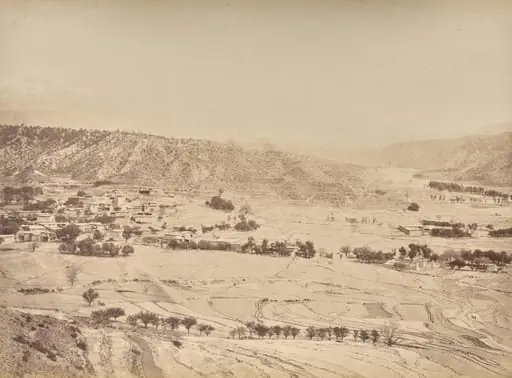
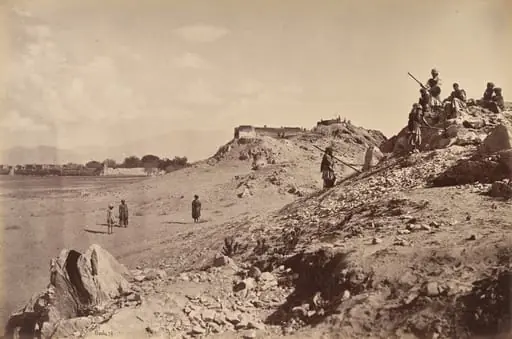
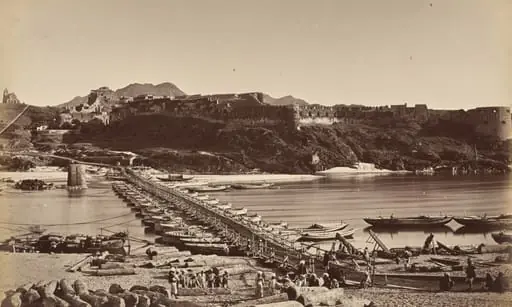
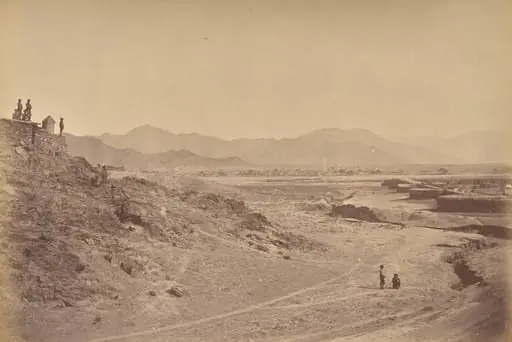
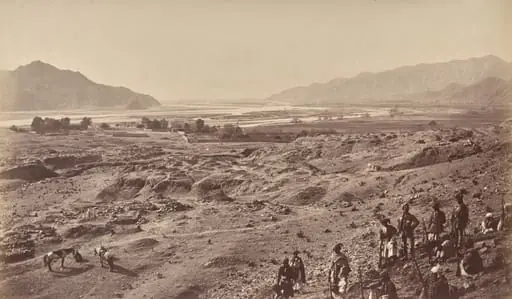
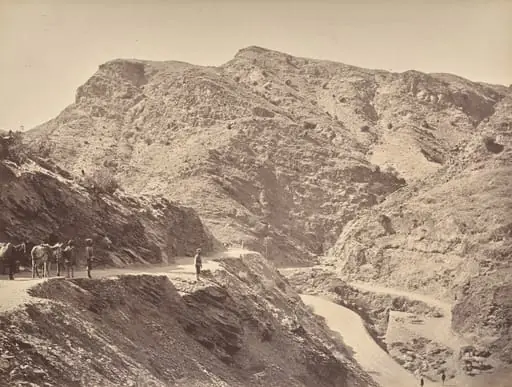
You’re looking at a quiet hillside with stone walls and a few British tents. The sky is hazy, the light flat—no drama, just the place itself.
This photo is from the Second Anglo-Afghan War, taken by one of the first photographers to work in Afghanistan. Because cameras were slow, Burke couldn’t shoot battles. Instead, he documented the land and the camps where history happened.
If you want to see more of this kind of early war photography, look up John Burke (Irish, 1845–1915).
Overview
This photograph is part of a series documenting the Second Anglo-Afghan War (1878–1880), captured by John Burke, among the earliest photographers to work in Afghanistan. Due to the limitations of 19th-century equipment, Burke could not record active combat. Instead, his images focus on the quiet aftermath—empty landscapes, military encampments, and architectural remnants—offering a restrained record of war’s physical footprint.
Subject & Meaning
The image depicts the South Wall of Bala Hissar and a nearby British Residency, rendered in muted tones under a hazy sky. No figures or action are present; the scene conveys absence rather than event. These locations were strategic points during the conflict, and their depiction as still, unoccupied spaces suggests the withdrawal or temporary occupation of forces, emphasizing the impermanence of military control.
Technique & Style
Burke used large-format glass plate negatives and a slow, laborious process requiring long exposures. The resulting images lack motion, sharp contrast, or dramatic lighting, instead favoring even, diffused light and careful composition. His approach prioritized documentary clarity over emotional impact, aligning with the technical constraints and the era’s preference for evidentiary imagery over narrative spectacle.
History & Provenance
John Burke, an Irish photographer based in India, accompanied British forces during the war and produced one of the most comprehensive visual records of the campaign. His photographs were compiled into albums distributed to military officials and collectors. This particular image likely originated from one such album, later acquired by institutions preserving colonial-era visual archives.
Context
Early war photography often avoided direct combat due to technological limits and cultural norms. Burke’s work reflects a broader trend: documenting terrain, infrastructure, and personnel as proxies for conflict. His images served both as intelligence aids and as historical records, shaping British perceptions of Afghanistan as a land of ruins and remote outposts rather than active battlefields.
Legacy
Burke’s photographs remain among the earliest visual records of Afghanistan’s architecture and military presence during colonial intervention. Though not sensational, they provide invaluable insight into the material conditions of war and the limitations of photographic representation in the 1870s. His work continues to inform historical studies of British imperialism and early photojournalism.
Artist & collection