Artwork
Bala Hissar
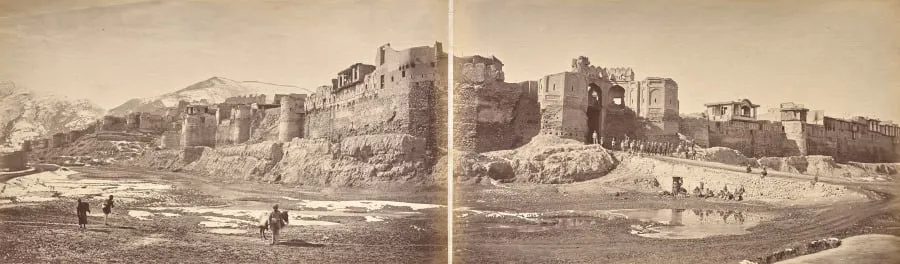
Bala Hissar is a photography by the Impressionist artist John Burke. It dates from 1879 and is held in the collection of the Cleveland Museum of Art.
About this work
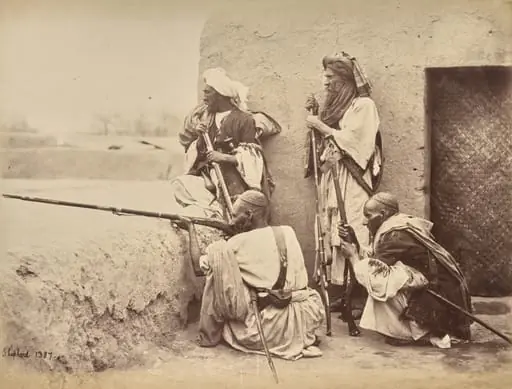
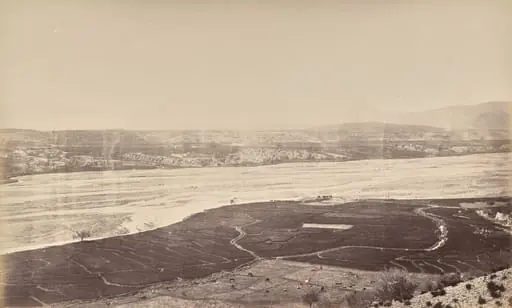
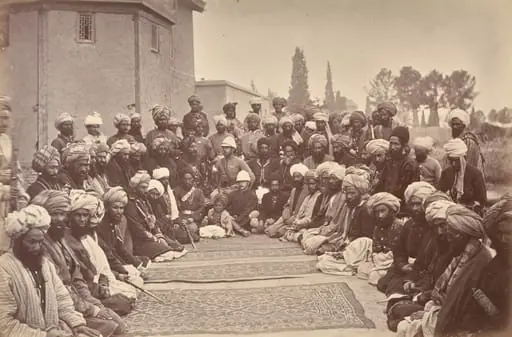
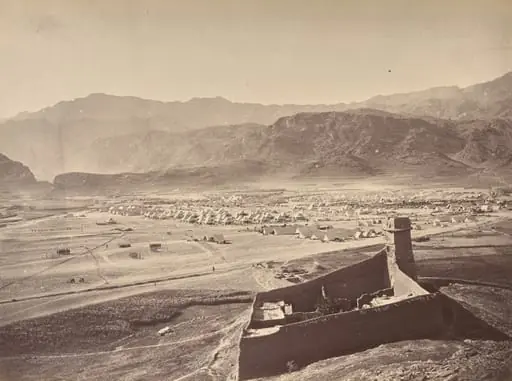
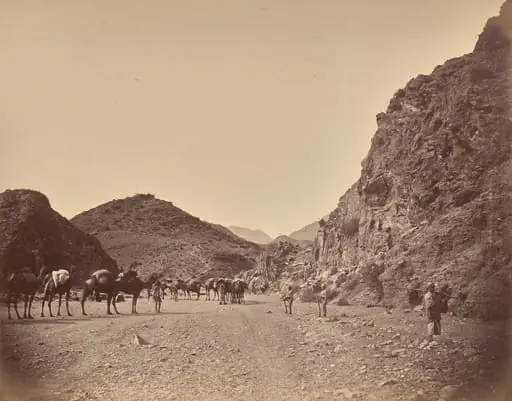
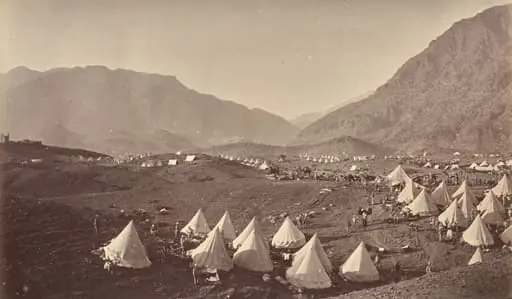
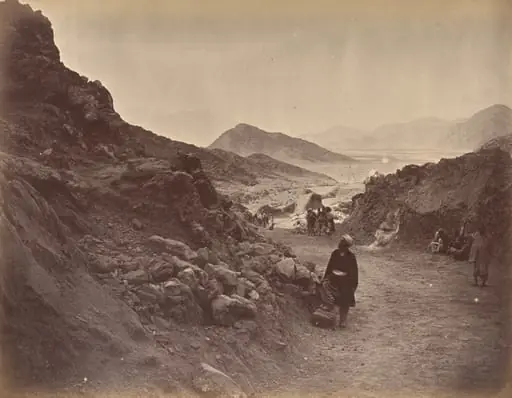
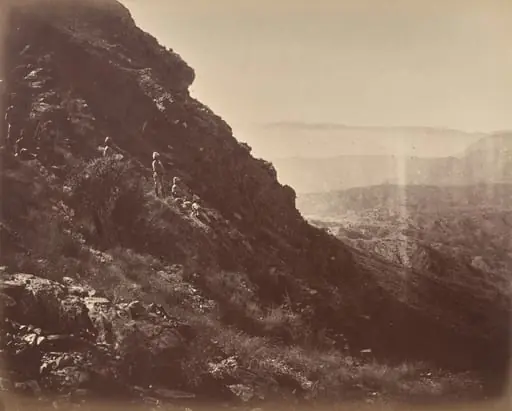
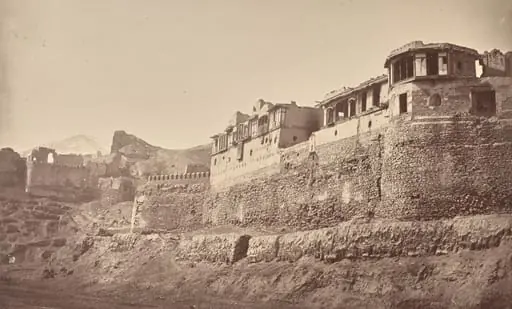
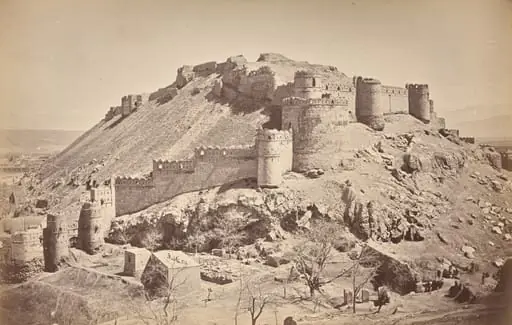
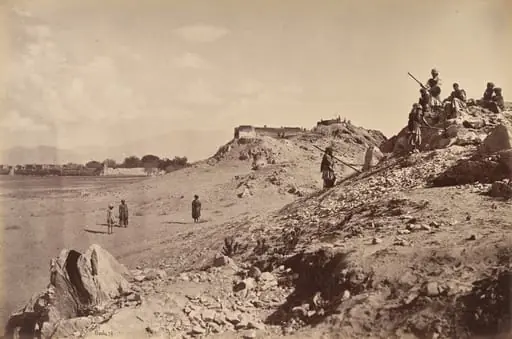
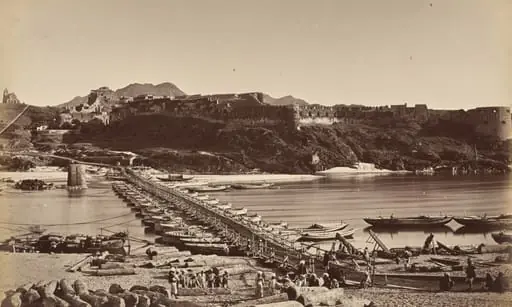
You see a quiet hillside fortress under a pale sky, walls made of sun-bleached stone and a few soldiers standing near the gate.
You see a quiet hillside fortress under a pale sky, walls made of sun-bleached stone and a few soldiers standing near the gate.
Burke didn’t paint this—he took it with a heavy camera on a tripod. The photo shows the Bala Hissar fort during the Second Anglo-Afghan War, but no battle is happening. Instead, it’s a still moment, like a breath held between gunfire. The technology of the time couldn’t freeze fast action, so Burke framed the places where history unfolded.
To see more of these early war photos, look up John Burke (Irish, 1845–1915).
Overview
Bala Hissar is a photograph documenting the Second Anglo-Afghan War (1878-1880). Captured by John Burke, a pioneering photographer in Afghanistan, the image presents a serene landscape of the Bala Hissar fort under a pale sky, with sun-bleached stone walls and a few soldiers near the gate.
Subject & Meaning
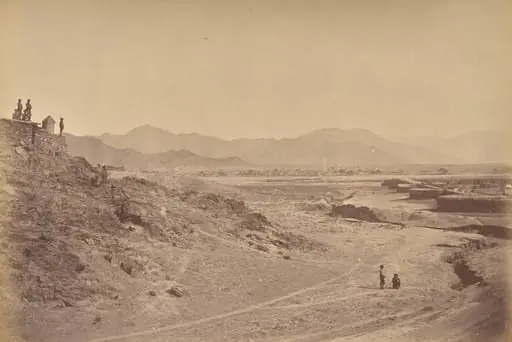
The photograph depicts a moment of calm at the Bala Hissar fort during the conflict, eschewing action for a contemplative portrayal of a strategic location. The stillness underscores the limitations of early photography technology, which precluded capturing dynamic battle scenes.
Technique & Style
Shot with a heavy camera on a tripod, the image reflects the technical constraints and deliberate composition characteristic of early conflict photography. Burke's approach emphasizes landscape, architecture, and subtle human presence.
History & Provenance
John Burke (Irish, 1845-1915) was the primary photographer of the Second Anglo-Afghan War, producing an extensive body of work in Afghanistan. This photograph is part of his documentation of the war's key sites and personnel.
Context
Created during a period when photography was nascent in war reporting, Bala Hissar represents an early example of conflict photography's focus on capturing the aftermath, settings, and participants rather than the action itself.
Artist & collection