Artwork
The Khan of Lalpura and Officers
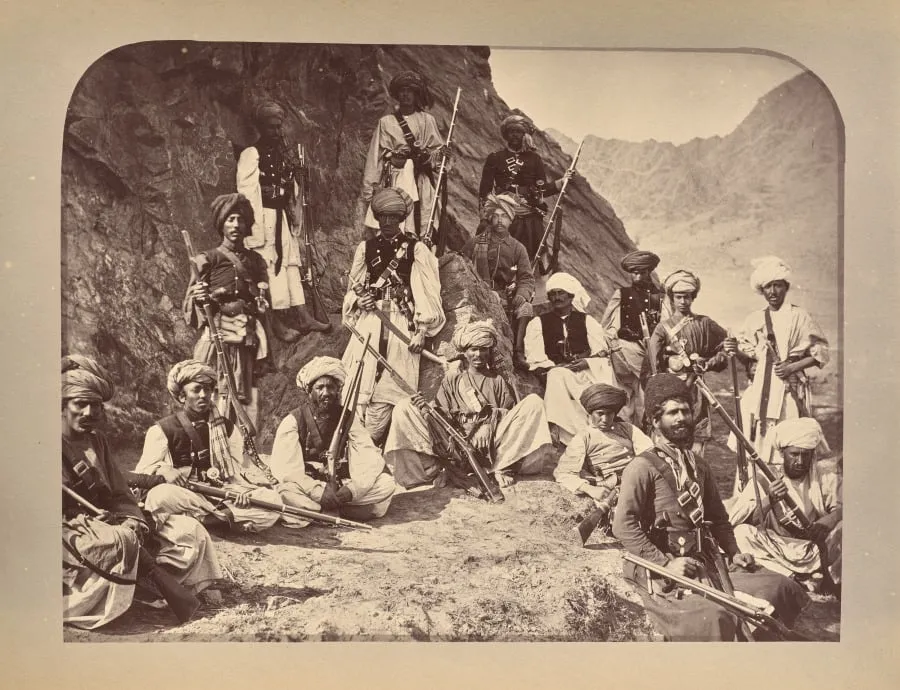
The Khan of Lalpura and Officers is a photography by the Impressionist artist John Burke. It dates from 1879 and is held in the collection of the Cleveland Museum of Art. This photograph, taken during the Second Anglo-Afghan War (1878–1880), captures a group of Afghan military figures posed before a tent.
About this work
This photo is rare for its time—it’s one of the first taken during the Second Anglo-Afghan War.
You see a group of men in military uniforms and turbans standing stiffly in front of a tent.
This photo is rare for its time—it’s one of the first taken during the Second Anglo-Afghan War. Most early war photos show empty battlefields or camps, not people. Burke had to pose his subjects carefully because cameras couldn’t yet freeze fast action.
If you want to see more early war photography, look up John Burke (Irish, 1845–1915).
Overview
This photograph, taken during the Second Anglo-Afghan War (1878–1880), captures a group of Afghan military figures posed before a tent. It is among the earliest known images from the conflict to focus on individuals rather than landscapes or ruins. John Burke, an Irish photographer, documented the war extensively using bulky, slow-sensitive equipment that required long exposures and deliberate staging.
Subject & Meaning
The men depicted include the Khan of Lalpura and his officers, dressed in traditional turbans and military attire. Their formal posture reflects the constraints of early photographic technology, which could not capture motion. The image serves as a record of local leadership aligned with British forces, offering a rare glimpse into the human dimension of a war otherwise documented through empty terrain and infrastructure.
Technique & Style
Burke employed wet-plate collodion photography, a process demanding long exposure times and careful preparation. Subjects had to remain perfectly still, resulting in rigid, posed compositions. The lighting is even and natural, suggesting an outdoor setting at midday. The tent behind the figures provides context without distraction, emphasizing the dignity and presence of the individuals.
History & Provenance
John Burke traveled with British troops during the war, producing one of the most comprehensive photographic records of the campaign. This image likely originated from his personal album, later dispersed through private collections and institutional archives. Its survival is notable, as many early war photographs were lost, destroyed, or neglected due to their perceived documentary rather than artistic value.
Context
At the time, war photography was largely limited to post-battle scenes and encampments. Portraits of local leaders were uncommon, especially those taken with the cooperation of Afghan figures. Burke’s access to such subjects reflects the complex political alliances of the conflict and the British military’s effort to visually assert authority through imagery.
Legacy
Burke’s work laid foundational material for the visual documentation of colonial conflicts in South Asia. This photograph, though technically restrained, contributed to a shift in war imagery—from anonymous landscapes to human subjects. It remains a key reference for historians studying representation, power, and perception in 19th-century colonial photography.
Artist & collection

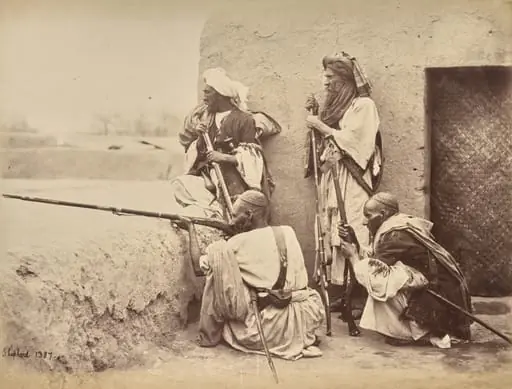
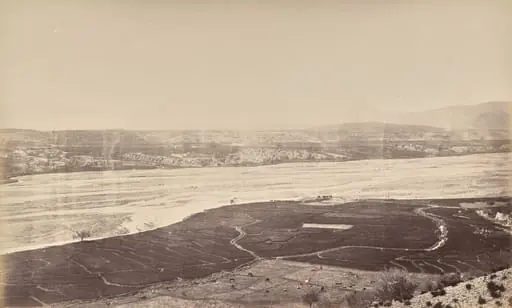
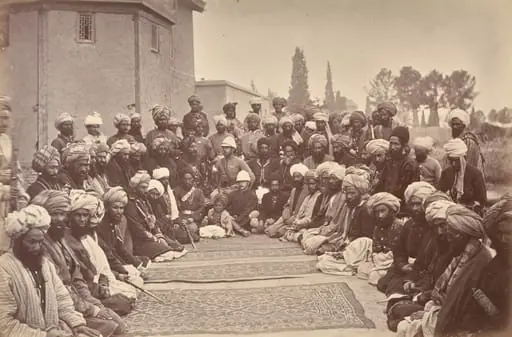
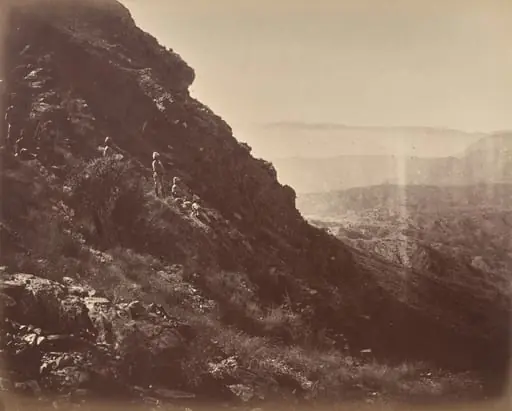
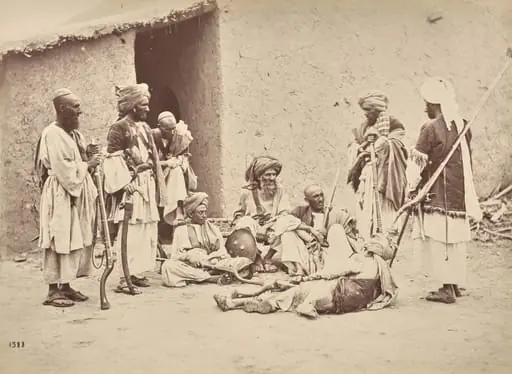 Group of Natives from Near Khyber Pass
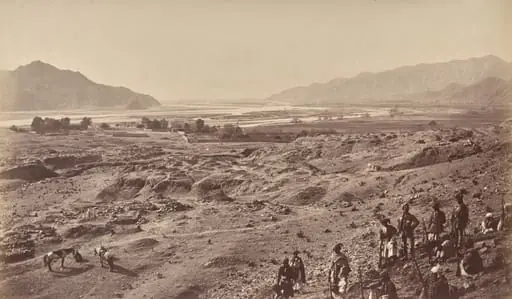 River Gorge Above Lalpura
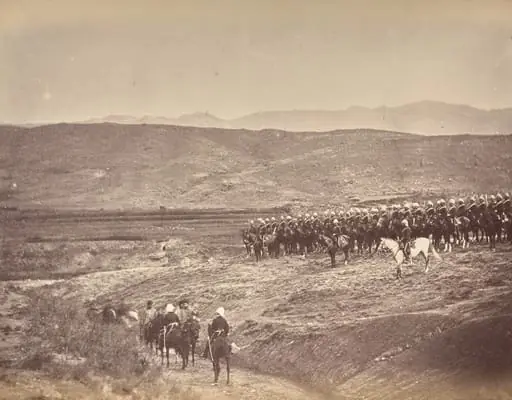 The Amir Yakub Khan. The First Meeting with Major Cavagnari and Mr. Jenkins, 7 Miles from Safed Sang
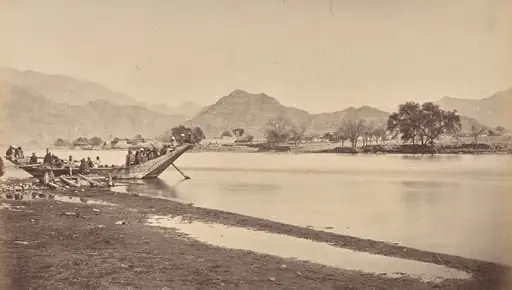 Lalpura from the Ferry
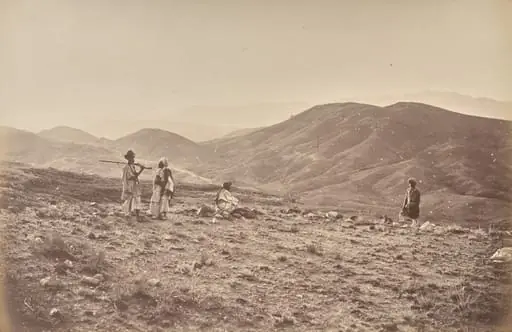 The 44th Hill, Looking Towards Jugdalluck
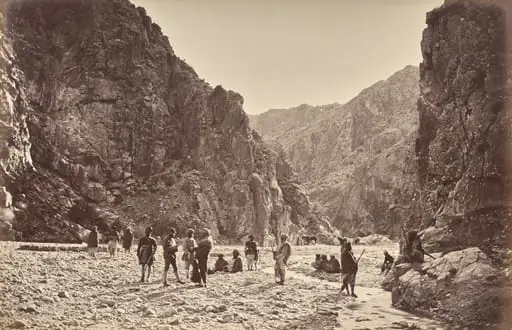 Midway in Jugdalluck
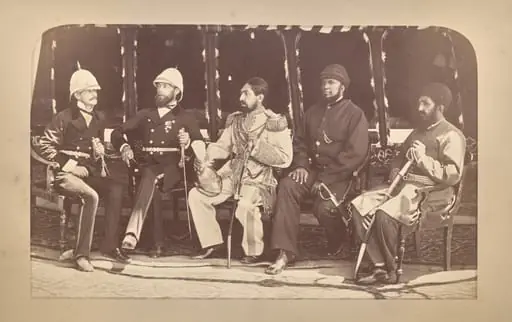 The Amir Yakub Khan, General Daod Shah, Habeebula Moustafi, Major Cavagnari, Mr. Jenkyns