Artwork
The Amir Yakub Khan, General Daod Shah, Habeebula Moustafi, Major Cavagnari, Mr. Jenkyns
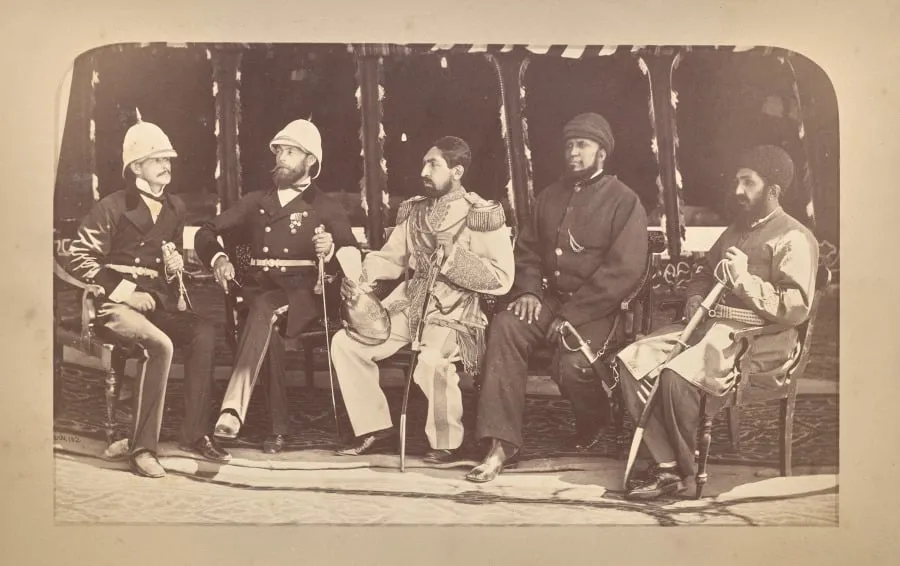
The Amir Yakub Khan, General Daod Shah, Habeebula Moustafi, Major Cavagnari, Mr. Jenkyns is a photography by the Impressionist artist John Burke. It dates from 1879 and is held in the collection of the Cleveland Museum of Art.
About this work
Overview
This photograph captures five figures in formal military attire standing before a tent, likely taken during the Second Anglo-Afghan War (1878–1880).
This photograph captures five figures in formal military attire standing before a tent, likely taken during the Second Anglo-Afghan War (1878–1880). It is one of many images produced by John Burke, a pioneering photographer who documented the conflict. Due to technical limitations of early photography, dynamic battle scenes were impossible to capture; instead, posed group portraits and static landscapes became the norm for recording wartime presence and authority.
Subject & Meaning
The image includes four British officers and one Afghan leader, Amir Yakub Khan, alongside other officials. Their arranged posture suggests a moment of diplomatic negotiation rather than combat. The proximity of opposing figures in a single frame reflects the fragile political alliances of the time, offering a rare visual record of the uneasy cooperation between colonial forces and Afghan leadership before hostilities resumed.
Technique & Style
Shot using wet-plate collodion technology, the photograph required long exposure times and careful preparation, making spontaneous imagery unfeasible. Subjects were positioned deliberately, often against simple backdrops like tents or terrain features. The resulting images emphasize formality and stillness, prioritizing clarity and dignity over movement, consistent with early war photography’s focus on documentation rather than drama.
History & Provenance
John Burke, commissioned by the British government and commercial publishers, traveled with military units to record the campaign. This photograph was likely part of a larger album distributed in Britain to inform public perception of the war. Burke’s negatives and prints were later acquired by institutions such as the British Library and the Victoria and Albert Museum, preserving them as key historical records of British imperial activity in Afghanistan.
Context
The Second Anglo-Afghan War arose from British fears of Russian influence in Central Asia. Photographs like this one served both as intelligence tools and propaganda, reinforcing narratives of British control and diplomatic engagement. While the war ended in British withdrawal, the visual record shaped imperial identity at home, framing distant conflicts through the lens of orderly hierarchy and controlled interaction.
Legacy
Burke’s photographs established a visual archive of Afghanistan during a critical period of colonial intervention. Though his work is sometimes misattributed to other regions—such as the erroneous reference to Ireland—it remains foundational to the study of 19th-century war photography. These images continue to inform historical analysis of empire, representation, and the limits of photographic truth in conflict zones.
Artist & collection

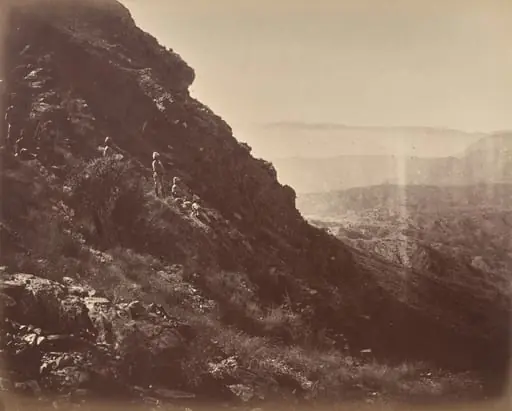
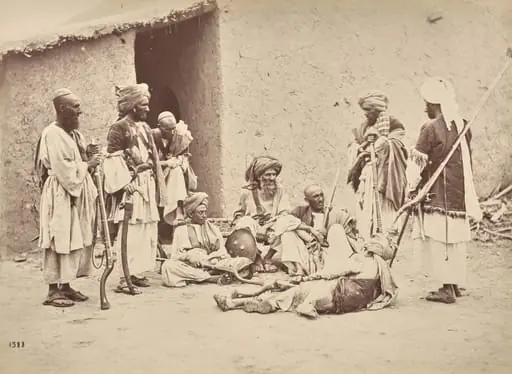 Group of Natives from Near Khyber Pass
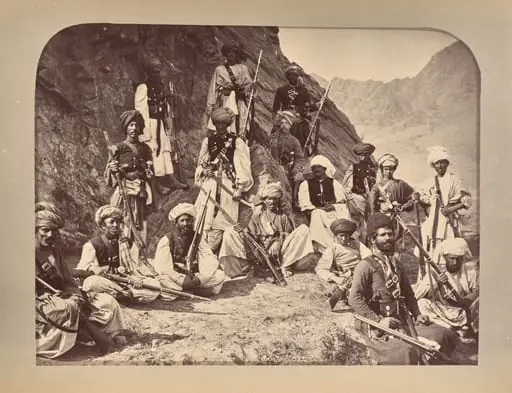 The Khan of Lalpura and Officers
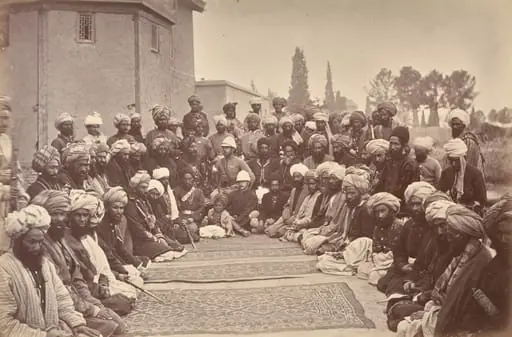
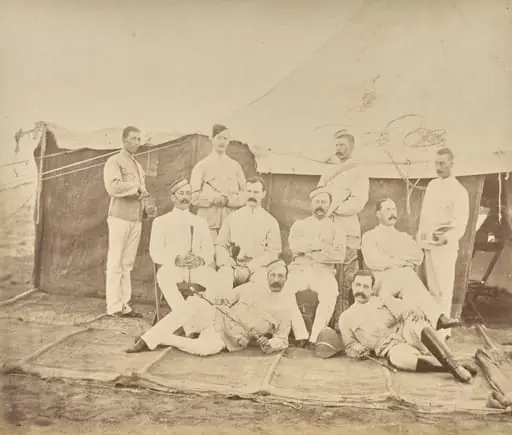 Untitled (Group of Men)
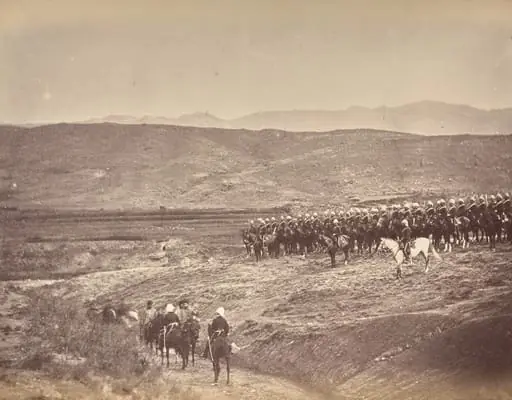 The Amir Yakub Khan. The First Meeting with Major Cavagnari and Mr. Jenkins, 7 Miles from Safed Sang
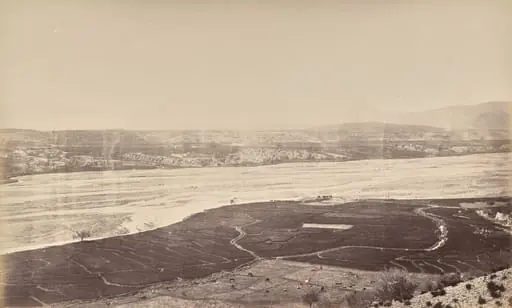
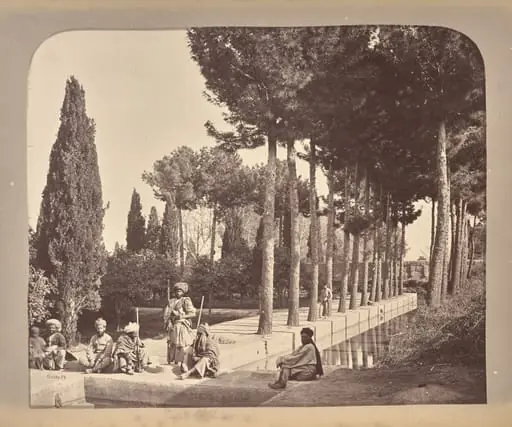 View in the Large Garden, Jellalabad
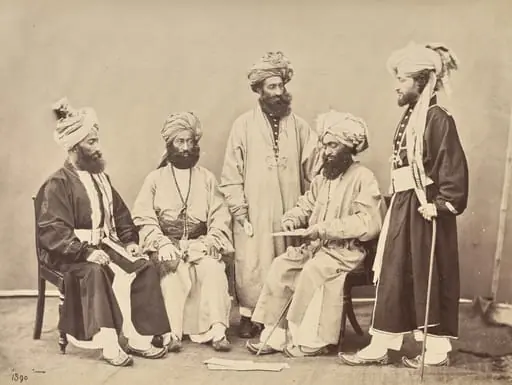 Cabulese
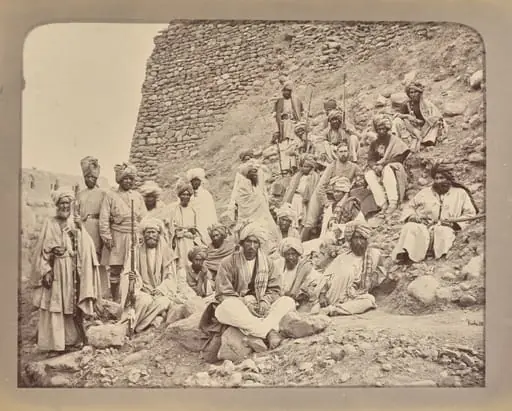 Khyber Chiefs with Captain Tucker
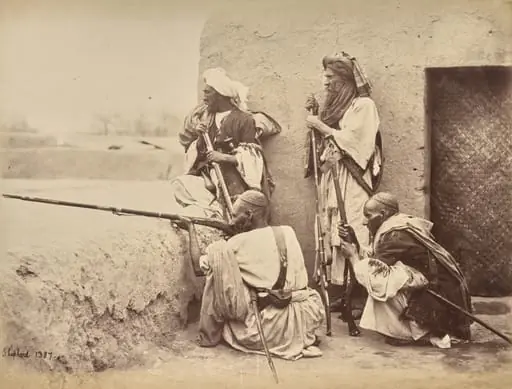
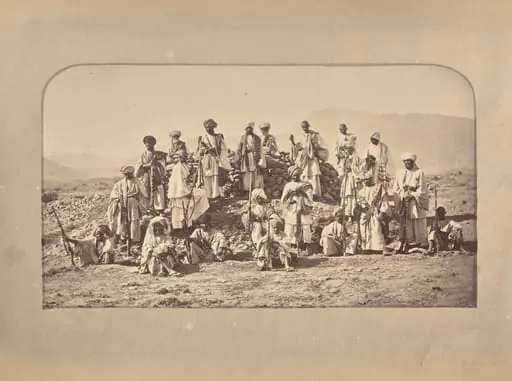 Afridi Picket near Jumrood
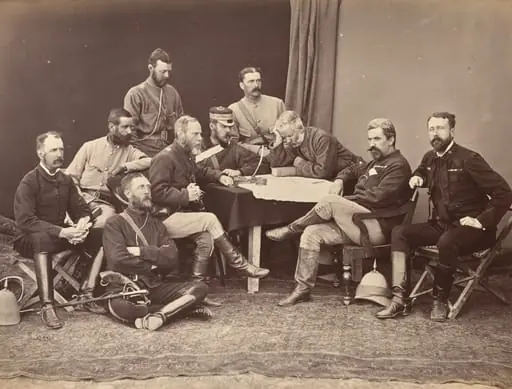 General Roberts and Staff
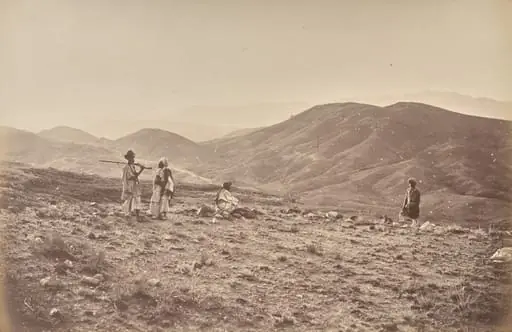 The 44th Hill, Looking Towards Jugdalluck