Artwork
Pilatos lavándose las manos
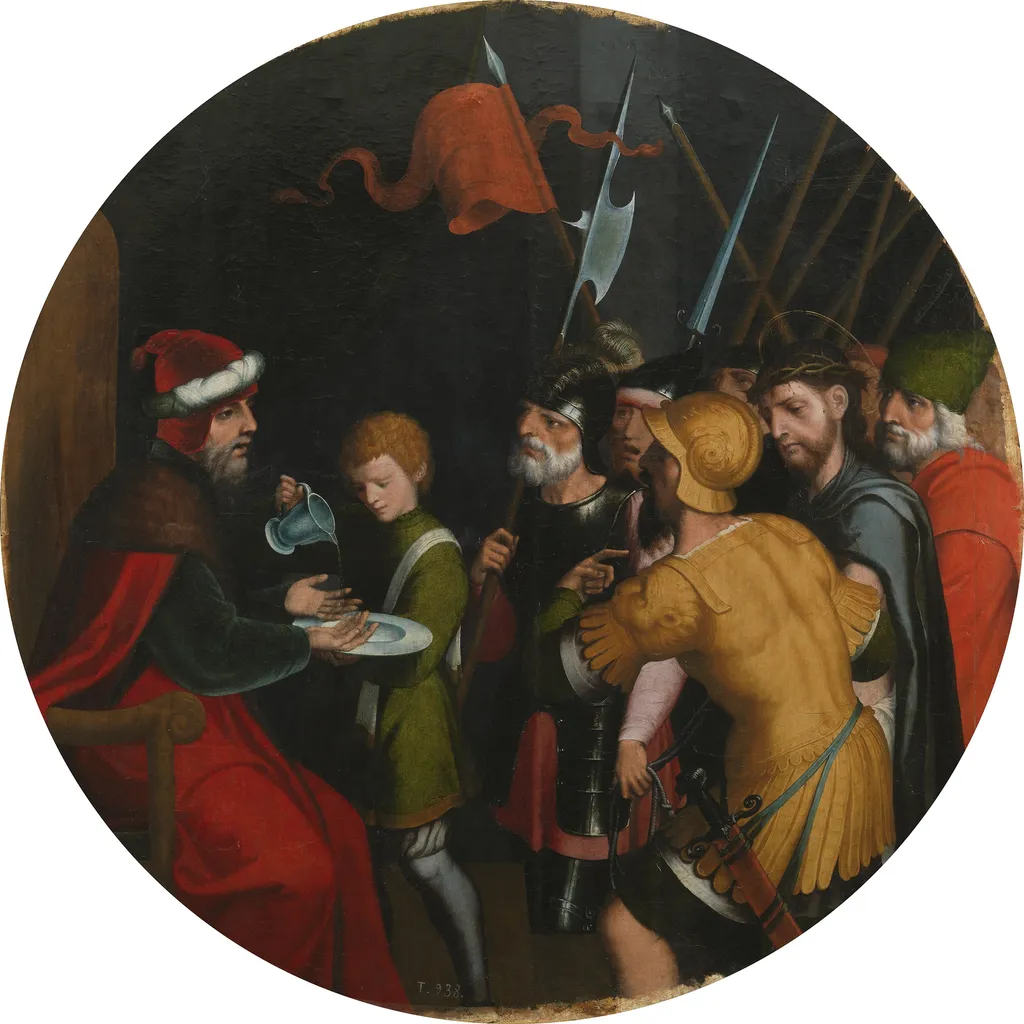
Pilatos lavándose las manos is a tempera painting by the Mannerist artist Juan Correa de Vivar. It dates from 1540 and is held in the collection of the Museo del Prado.
About this work
Overview
Created in 1540 by Spanish painter Juan Correa de Vivar, this tempera work is part of the Museo del Prado collection. The composition centers on a group of men assembled around a central figure in a vivid red robe, who holds a plate and a cup. The scene is rendered in muted tones, punctuated by a bright red banner in the background.
Subject & Meaning
The gathering appears to portray a moment of collective attention, perhaps a ceremonial or judicial episode, suggested by the presence of armor, swords, and spears. The central figure’s red garment and the objects he bears may allude to authority or ritual, while the surrounding men’s varied dress underscores a mixture of military and civilian participants.
Technique & Style
Executed in tempera, the painting displays the precise, layered brushwork typical of mid‑16th‑century Spanish art. The artist employs a restrained palette of earth tones, allowing the red elements—robe, banner, and flag—to stand out dramatically. Light is subdued, creating a chiaroscuro effect that emphasizes the figures’ forms within a dim interior space.
History & Provenance
The work entered the Museo del Prado’s holdings as part of its early acquisitions of Spanish Renaissance paintings. Its attribution to Correa de Vivar, a noted painter of the period, is based on stylistic analysis and archival records linking the piece to his workshop in the 1540s.
Context
During the mid‑1500s, Spanish art frequently depicted biblical or historical narratives with a focus on moral gravity. Although the exact episode represented here is not identified, the inclusion of armor and a ceremonial figure aligns with contemporary visual conventions for scenes of justice, loyalty, or martyrdom.
Artist & collection

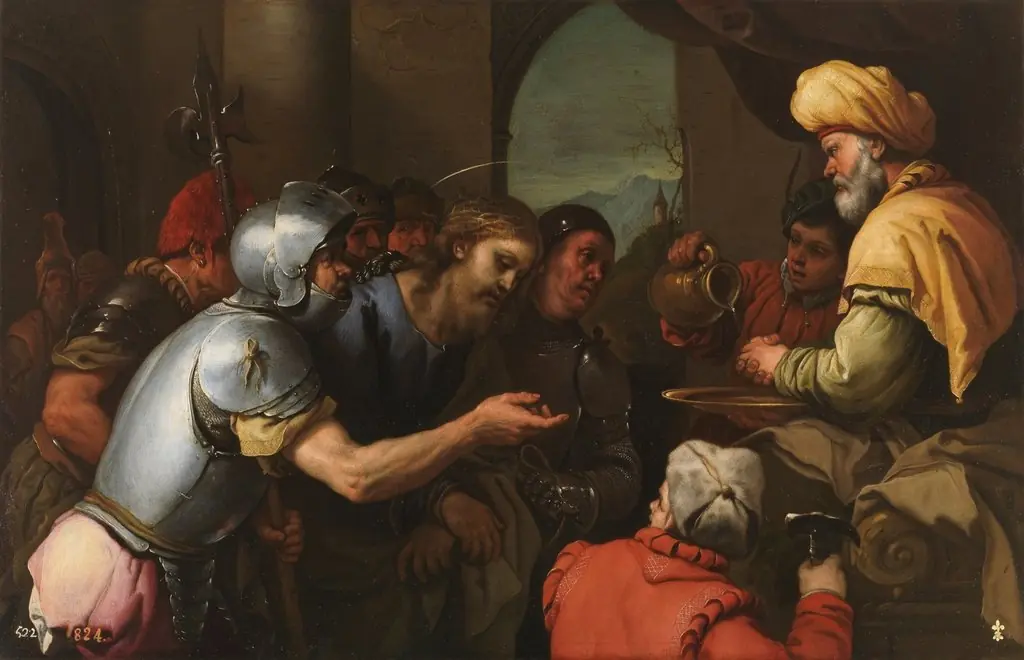 Pilate washing his Hands
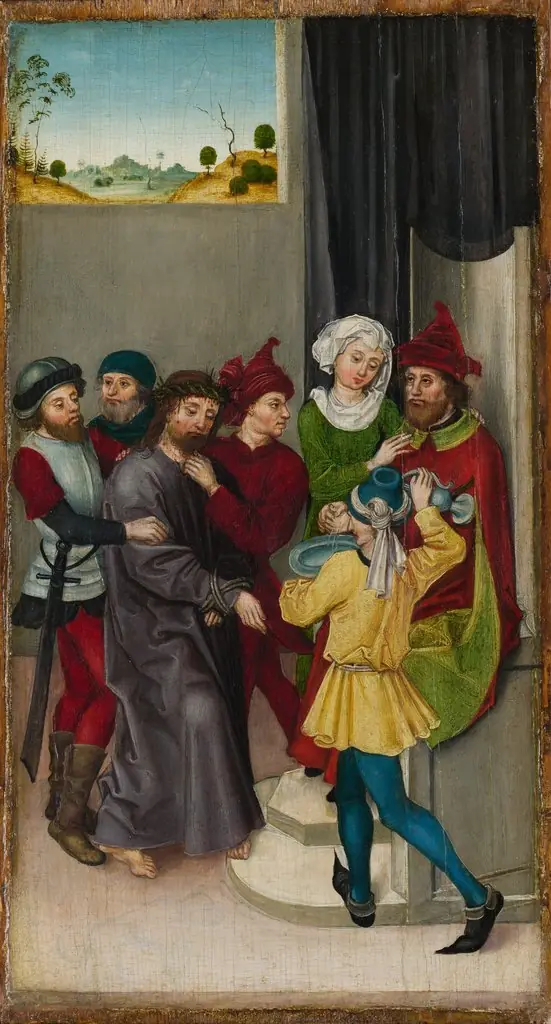 Christ before Pilate; The Resurrection
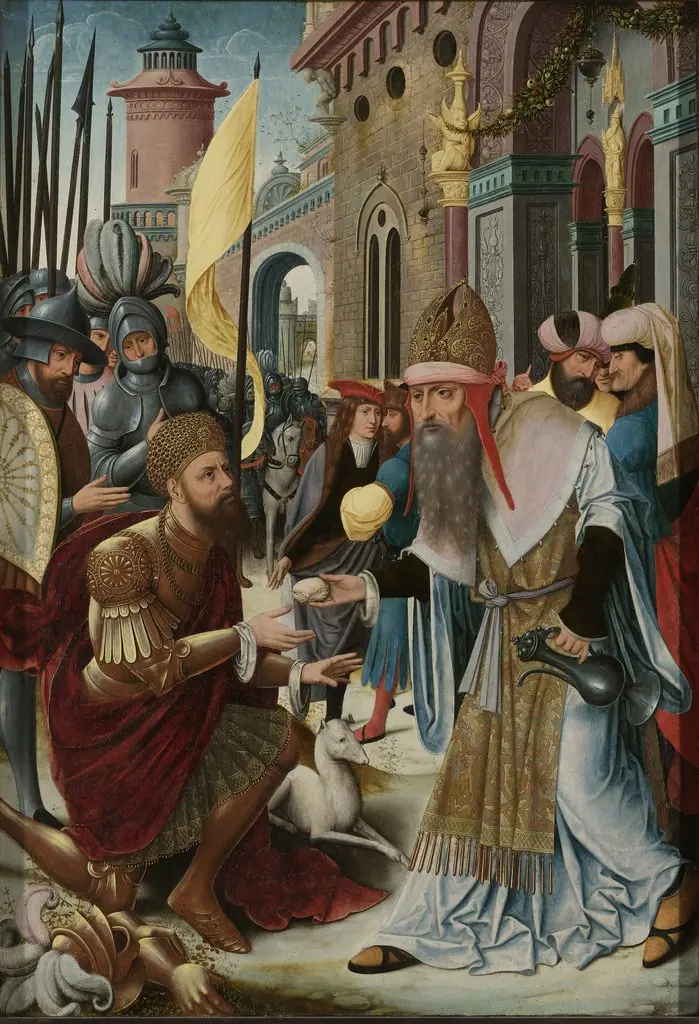 Left wing of an altarpiece with the meeting of Abraham and Melchizedek (inner wing) and Synagoga (outer wing)
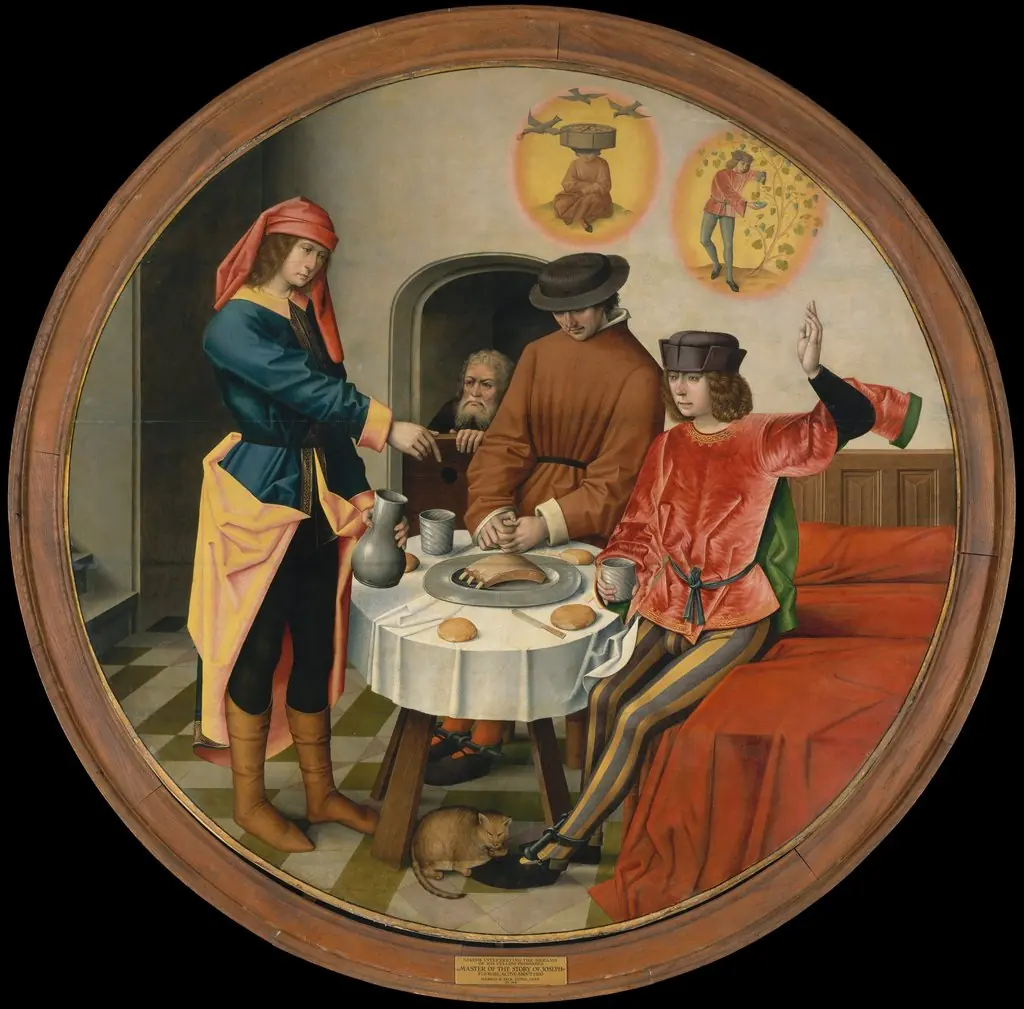 Joseph Interpreting the Dreams of His Fellow Prisoners
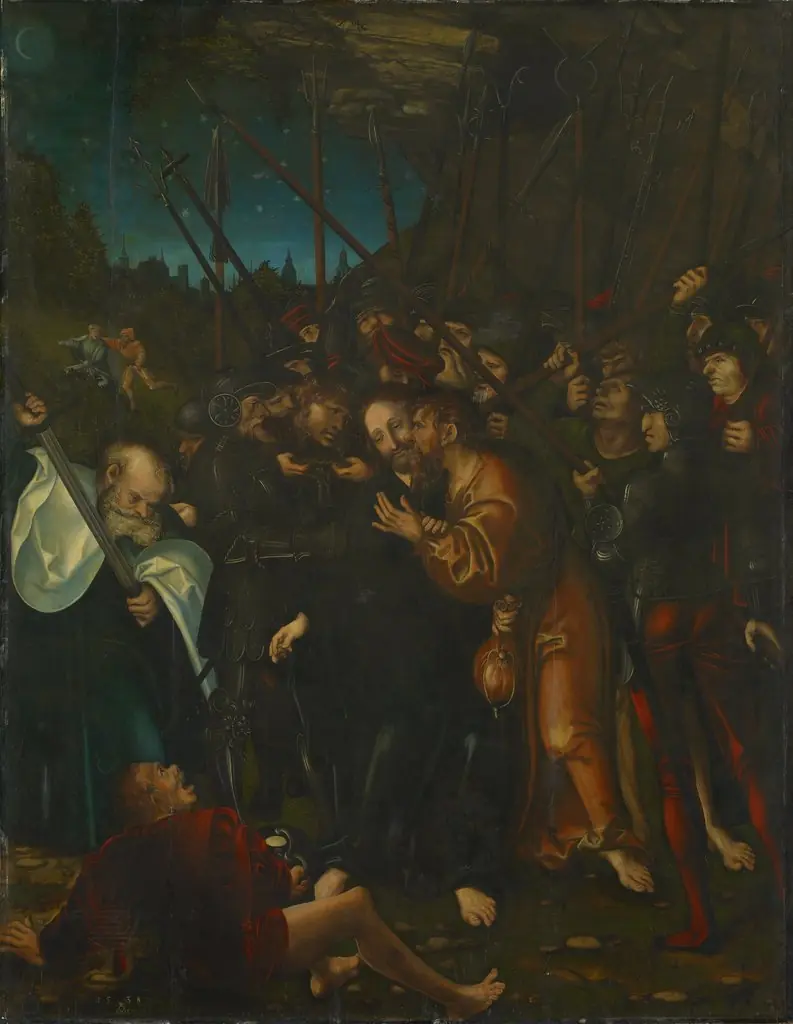 Christ's Arrest
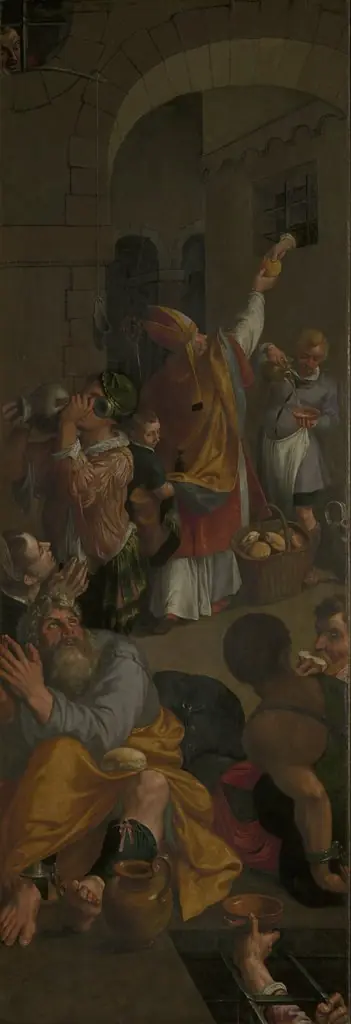 Saint Eligius visits the prisoners
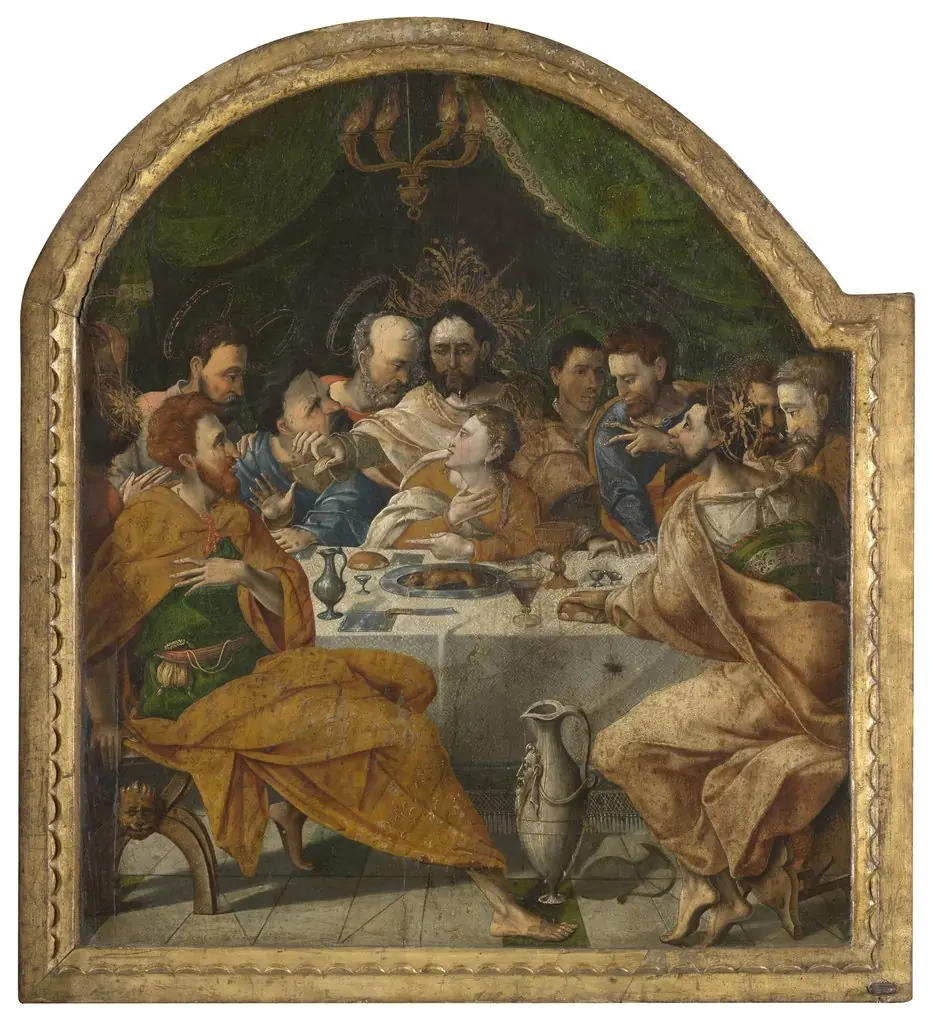 The Last Supper
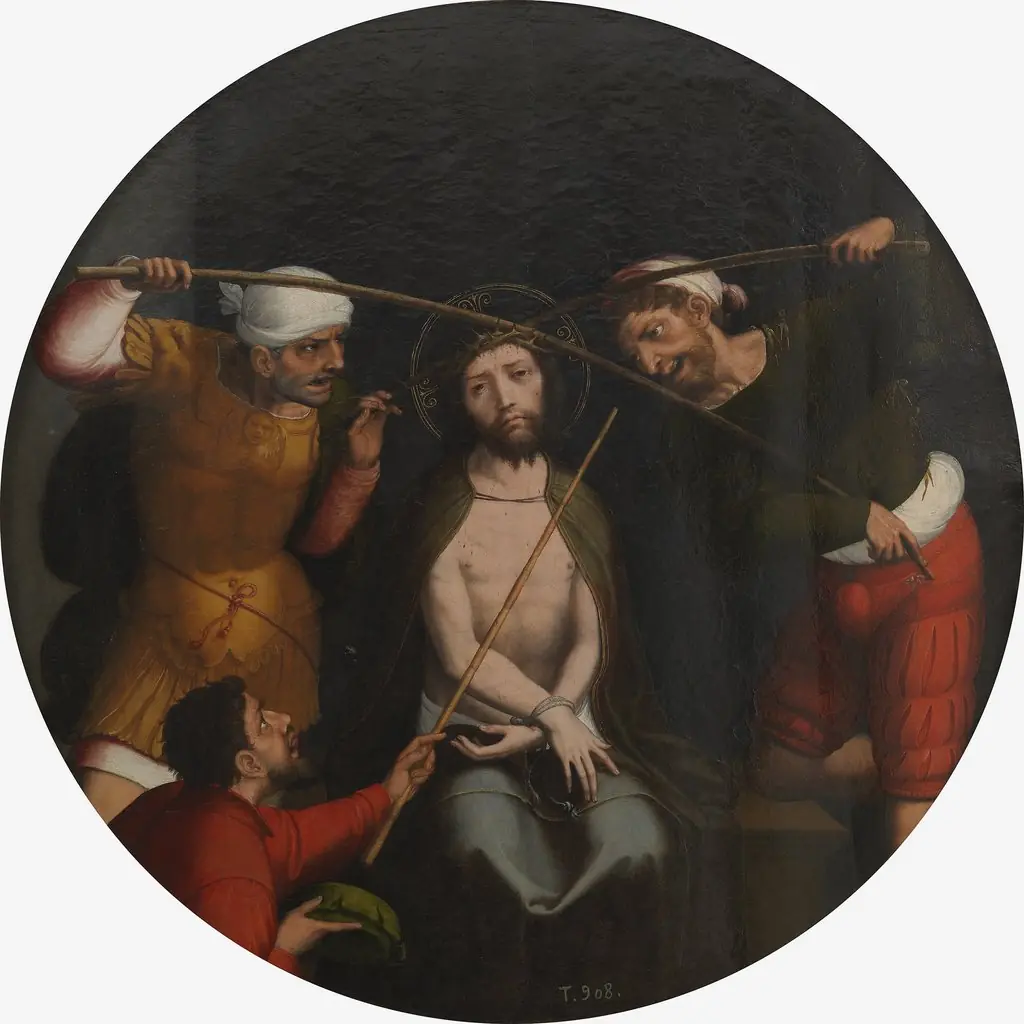 The Crowning with Thorns
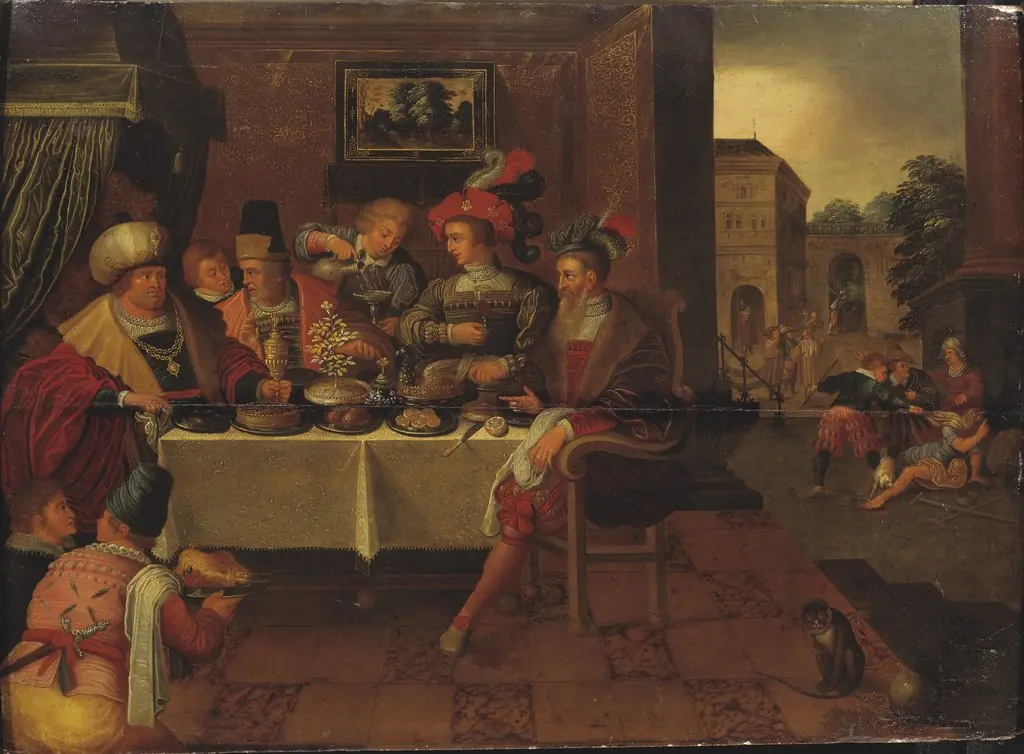 The Rich Man and Lazarus
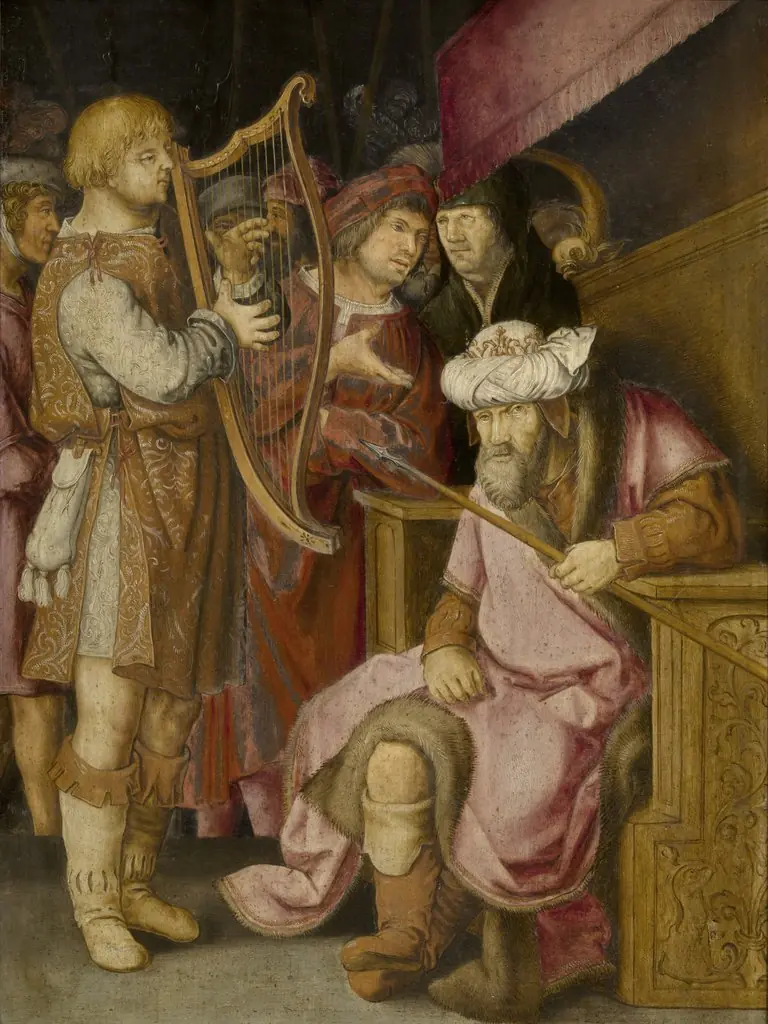 David Playing his Harp for Saul
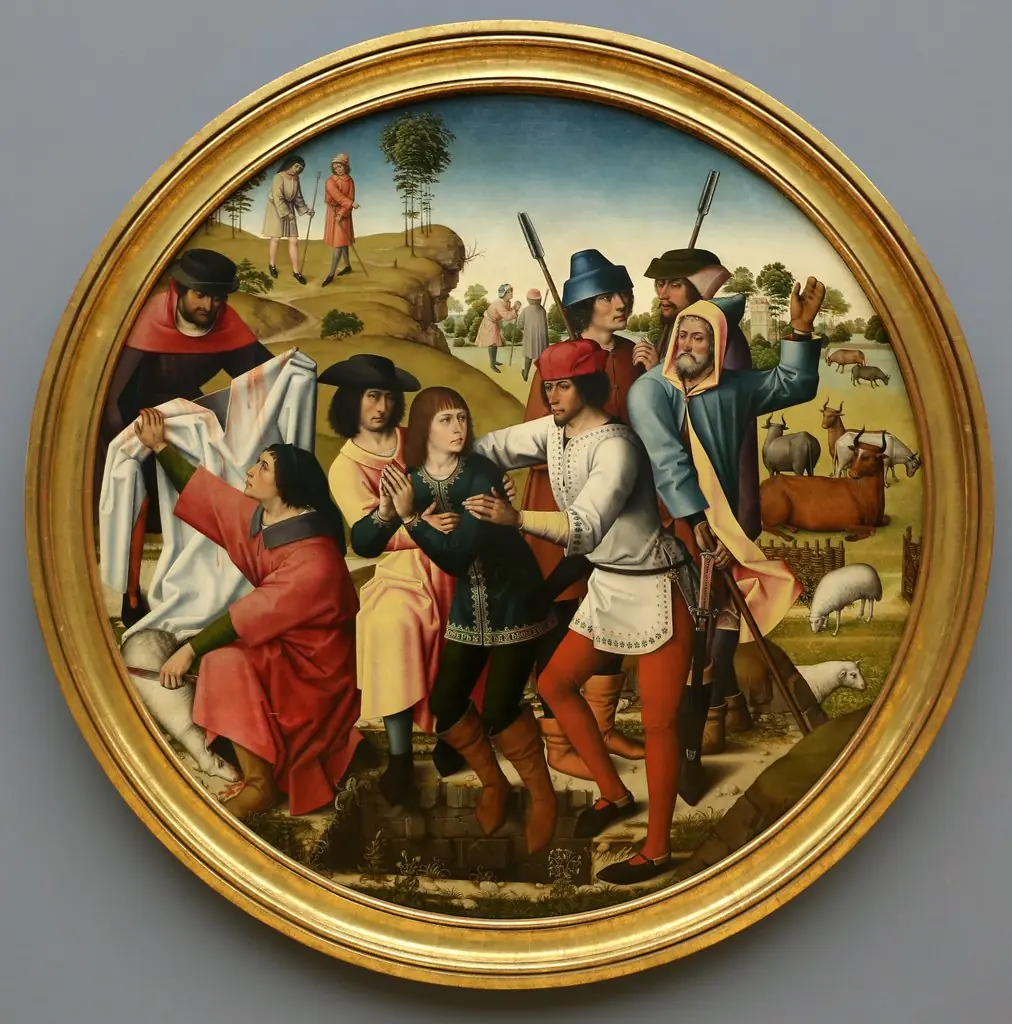 Joseph's Brothers Throw Him Into the Pit
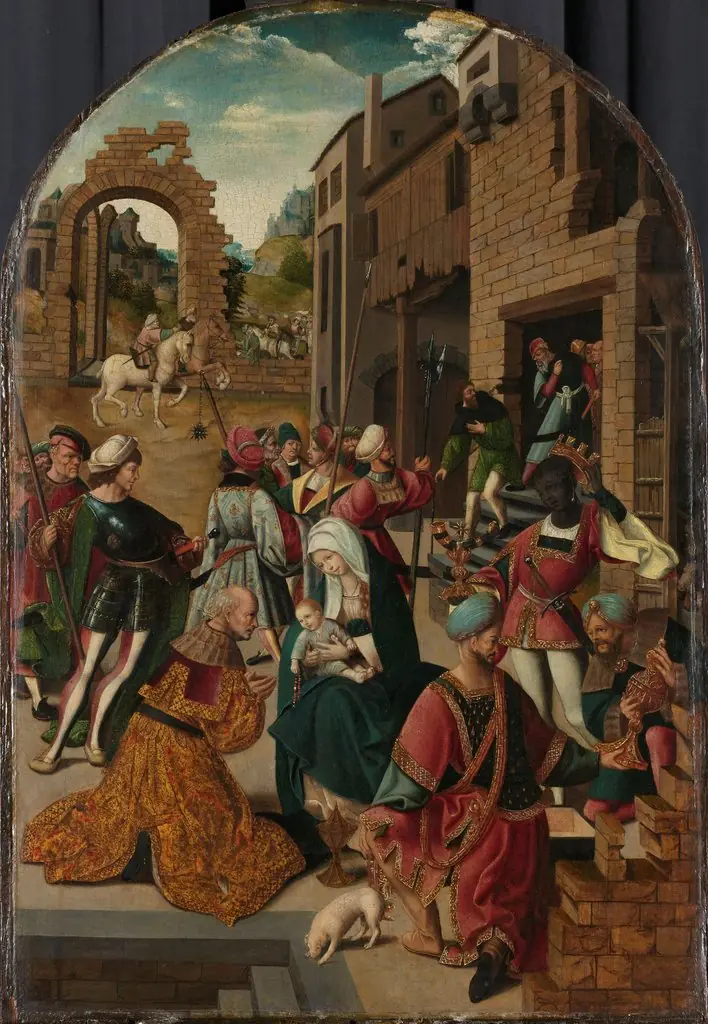 The adoration of the magi