Artwork
The Crowning with Thorns
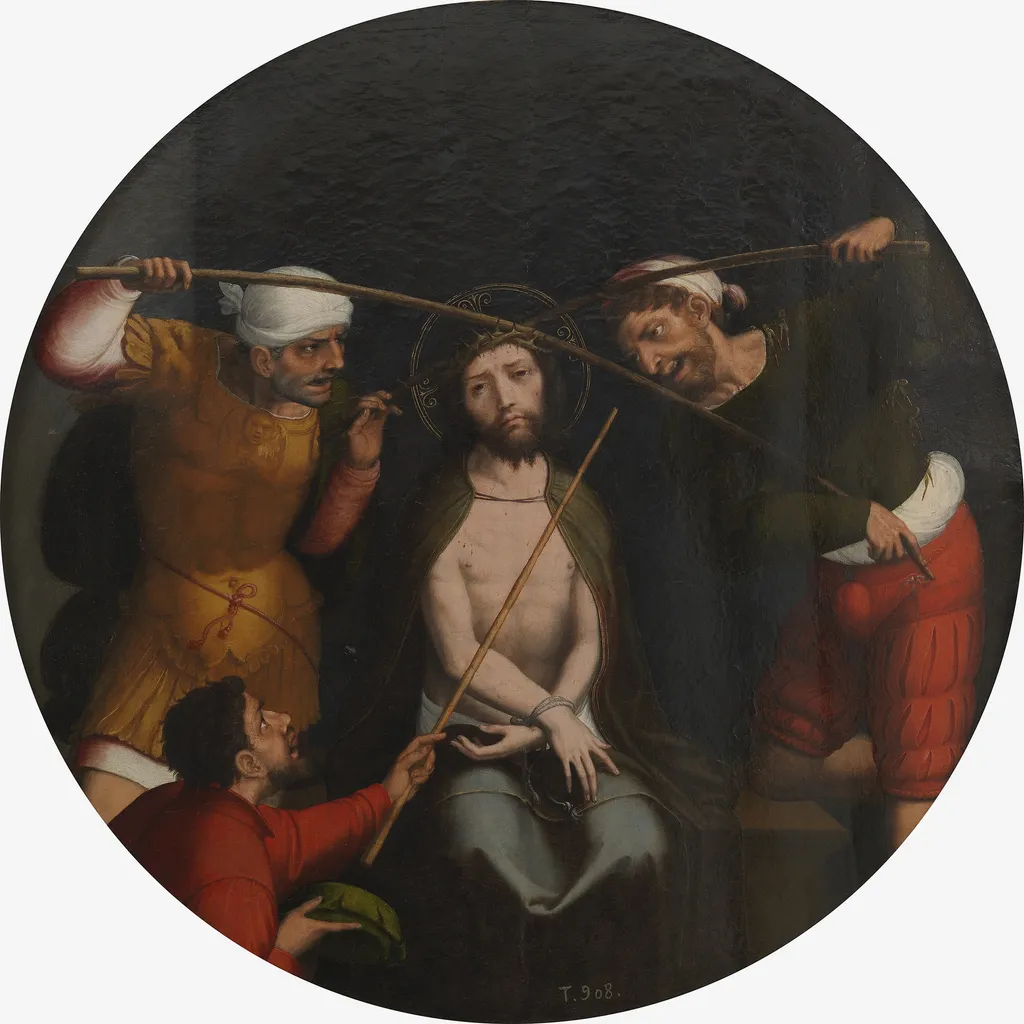
The Crowning with Thorns is an oil painting by the Mannerist artist Juan Correa de Vivar. It dates from 1540 and is held in the collection of the Museo del Prado.
About this work
Overview
Juan Correa de Vivar’s oil painting *The Crowning with Thorns*, executed around 1540, portrays the moment when Christ is mocked with a thorned crown. The work is part of the collection at Madrid’s Museo del Prado and measures the dramatic encounter in a compact, centrally focused composition.
Subject & Meaning
The central figure is a bearded Christ, his expression composed despite the surrounding torment. Four attendants encircle him: two press a long staff across his shoulders, one wipes his face, and another clutches a red cloth. The scene captures the biblical episode of humiliation preceding the crucifixion, emphasizing both suffering and serene acceptance.
Technique & Style
Correa de Vivar employs a pronounced chiaroscuro, allowing light to strike the faces and garments while the background recedes into deep shadow. Bright hues—yellow, red, and green—highlight the figures against the dark setting, creating a visual contrast that guides the viewer’s eye to the emotional intensity of each character.
History & Provenance
Painted in the mid‑16th century, the work reflects the Spanish Renaissance’s interest in devotional subjects. After its creation, the painting entered private collections before being acquired by the Museo del Prado, where it has remained on public display, contributing to the museum’s representation of religious art from the period.
Context
The composition aligns with contemporary Counter‑Reformation art, which sought to evoke empathy and contemplation through vivid, narrative scenes. Correa de Vivar’s handling of light and color mirrors the influence of Italian masters, while his focus on the psychological states of the figures underscores the era’s emphasis on personal piety.
Artist & collection

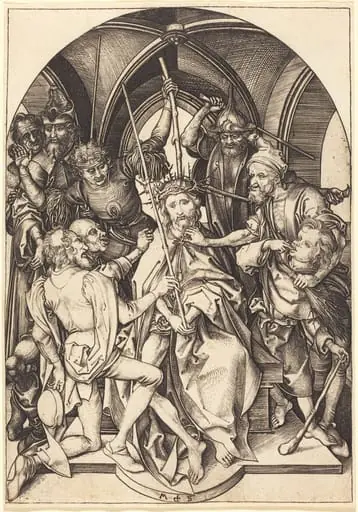 Christ Crowned with Thorns
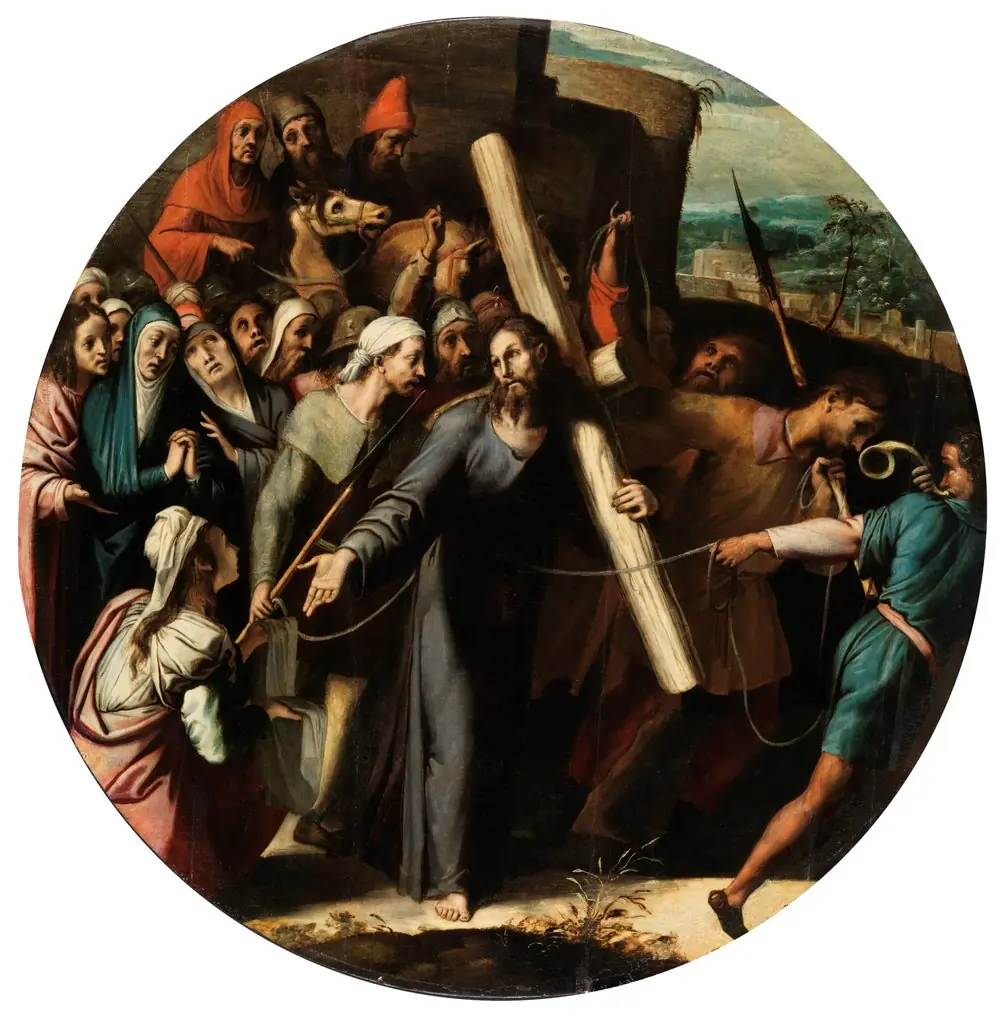 Christ on the Way to Calvary
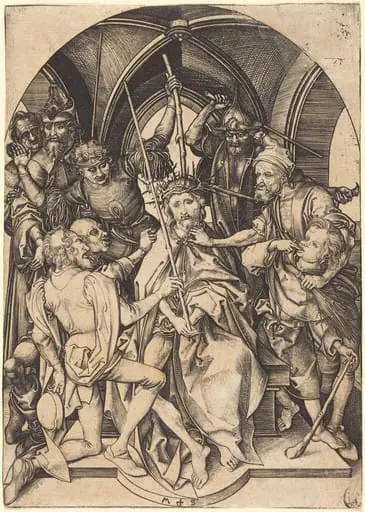 Christ Crowned with Thorns
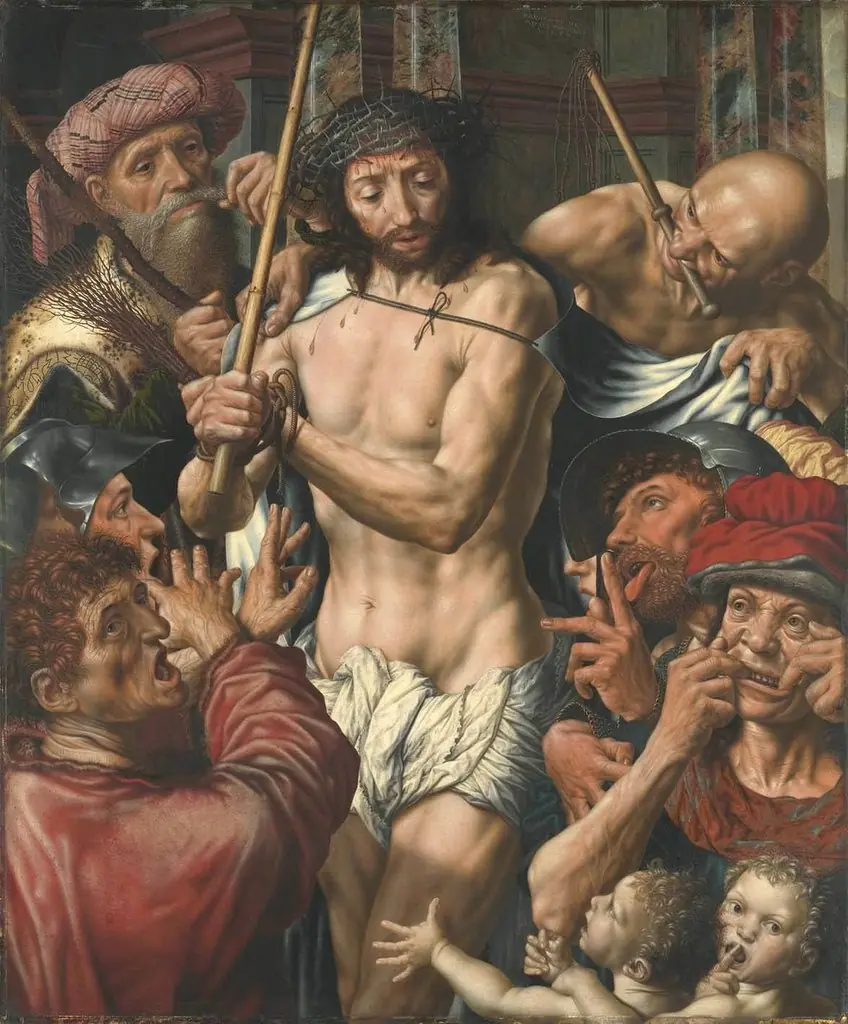 Ecce Homo
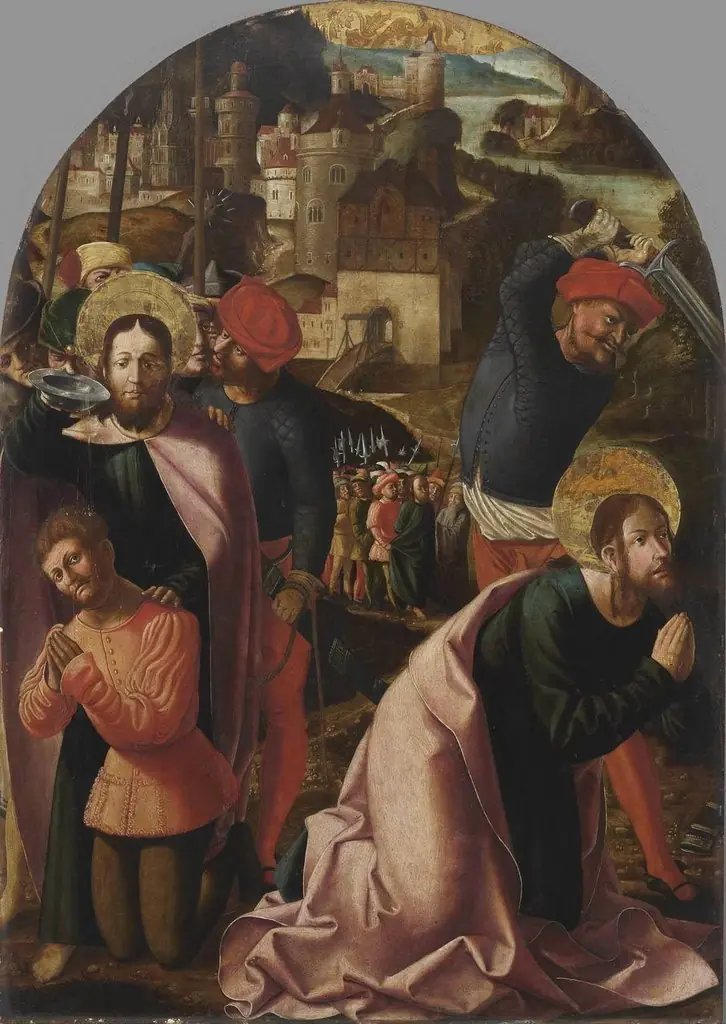 Jakobus-Stephanus-Altar: Der hl. Jakobus tauft Josias und Hinrichtung des Jakobus
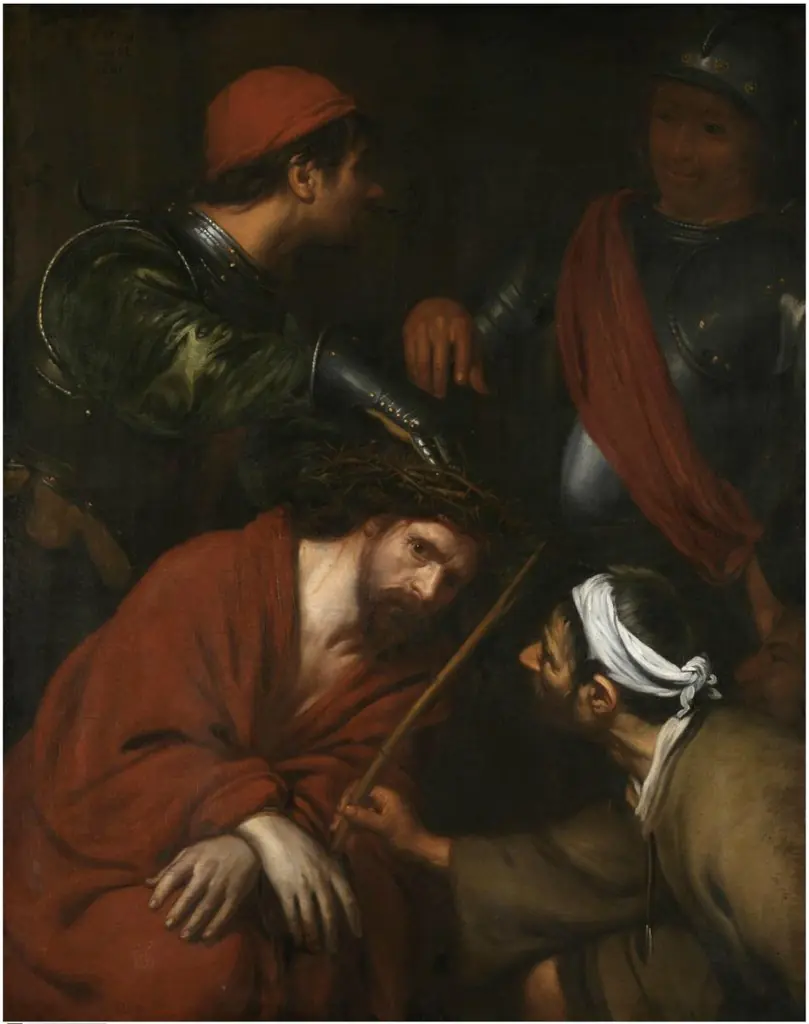 Christ Crowned with Thorns
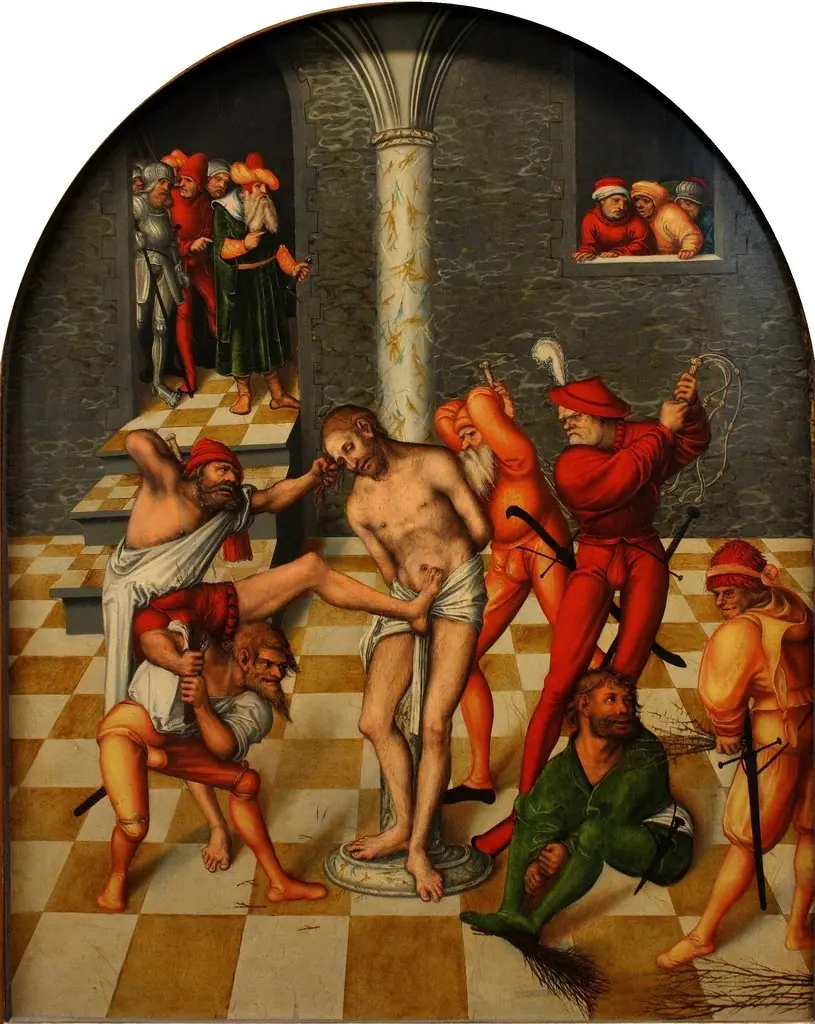 Flagellation of Christ
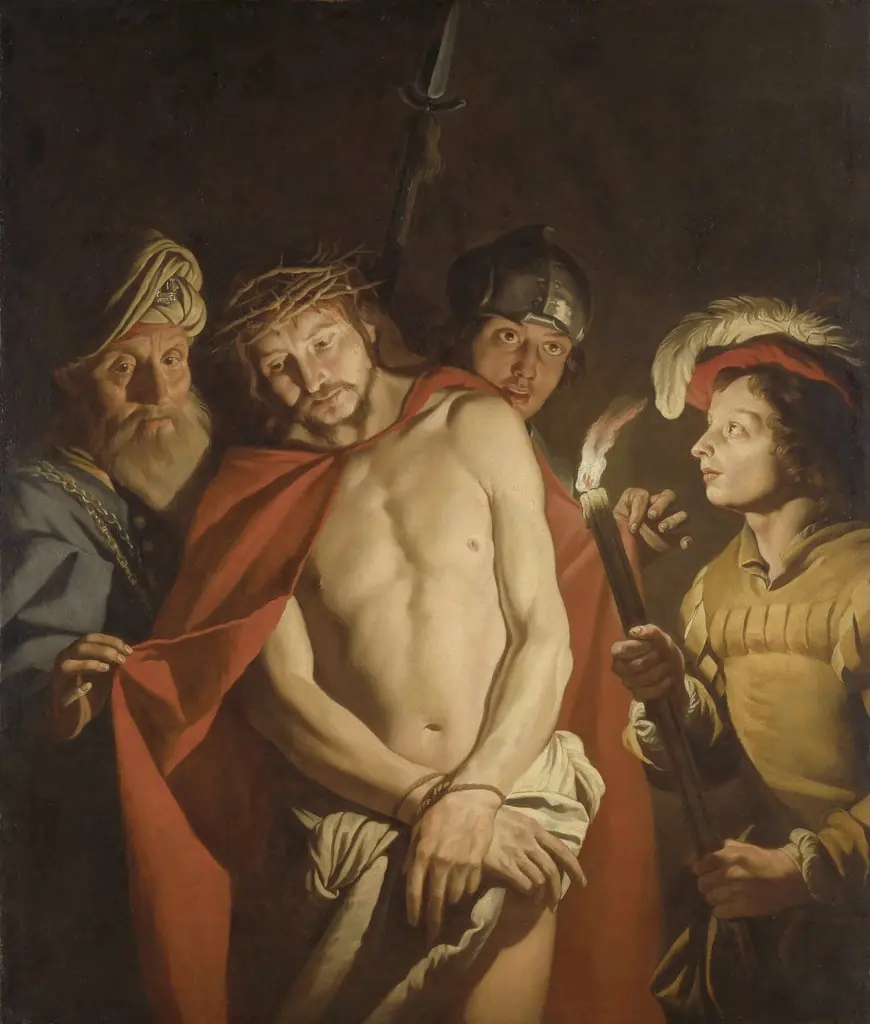 Ecce Homo
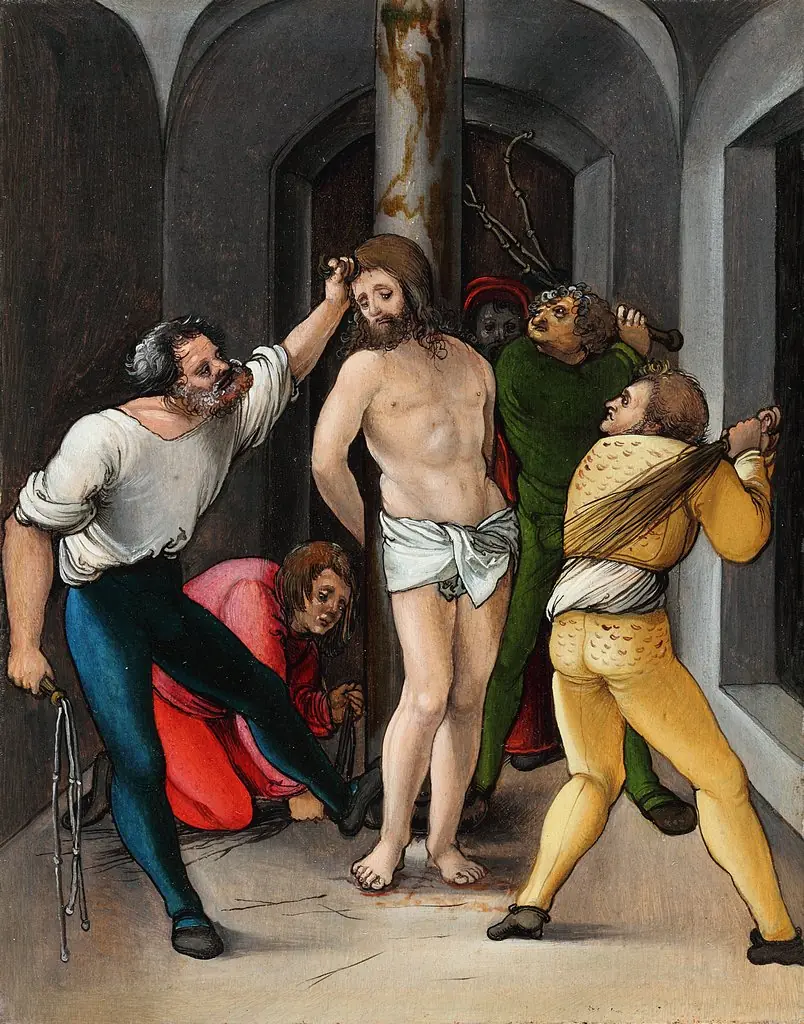 The Flagellation of Christ
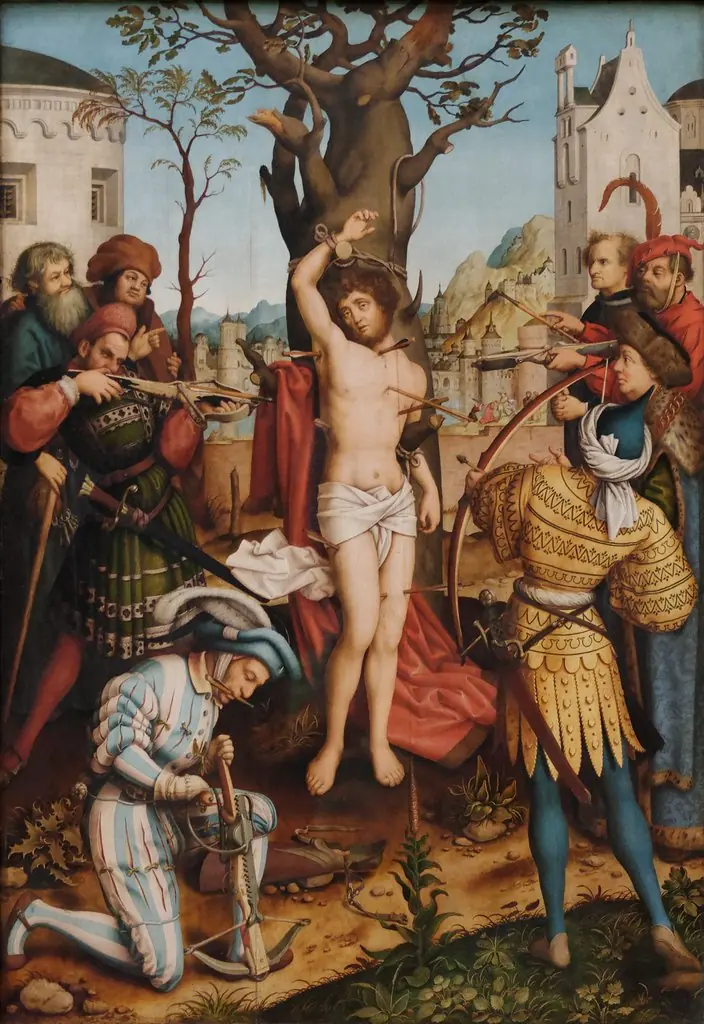 St. Sebastian Altar: The Martyrdom of St. Sebastian