Artwork
Durweston
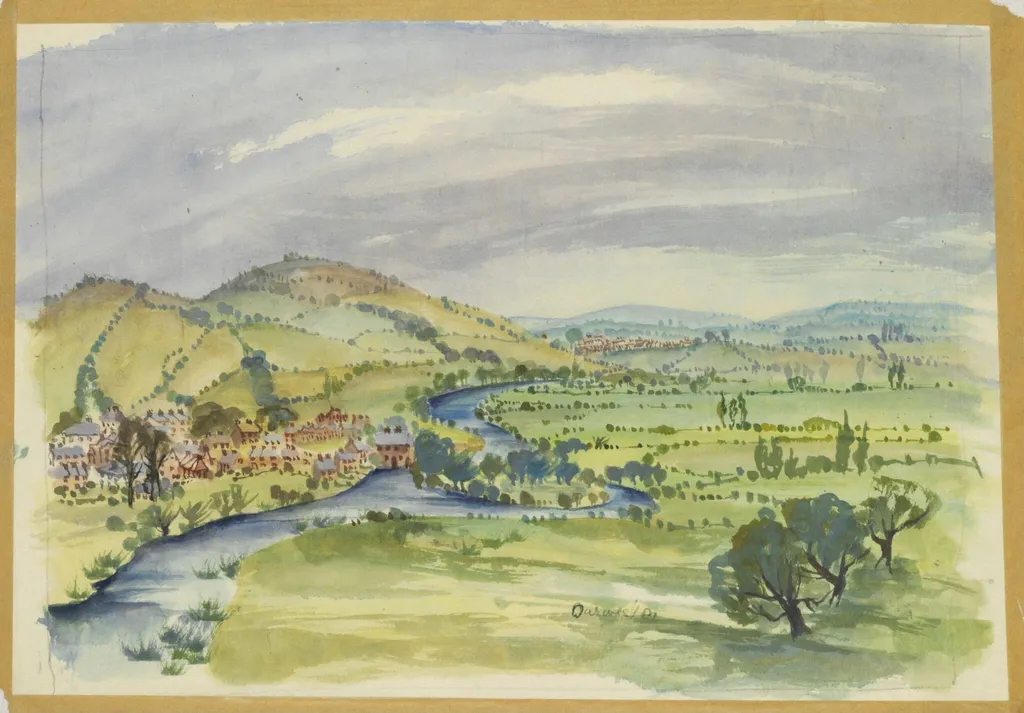
Durweston is a watercolor work on paper by Kirk. It dates from 1940 and is held in the collection of the Victoria and Albert Museum.
About this work
The colors are mostly pale greens, blues, and yellows, with loose, sketchy brushstrokes that keep it feeling light and airy.
This watercolor shows a quiet countryside scene. Rolling green hills stretch into the distance, with a winding river cutting through the middle. A small village sits near the water, its houses clustered together under a soft sky. The colors are mostly pale greens, blues, and yellows, with loose, sketchy brushstrokes that keep it feeling light and airy.
The artist signed it "Kirk" in the corner—likely the same person who painted it around 1940. The whole scene feels peaceful, like a moment frozen in time.
If you like this style, check out the Victoria and Albert Museum to see more works like it.
Overview
Durweston is a watercolour executed in 1940 as part of the Recording Britain scheme, a wartime programme that sent artists across the country to capture landscapes and built heritage at risk from conflict, development and social change. The work records a tranquil rural setting, featuring gentle hills, a meandering river and a modest village under a muted sky.
Subject & Meaning
The composition presents an idyllic English countryside scene, emphasizing the continuity of rural life amid the uncertainties of war. By portraying a small settlement nestled beside water and surrounded by rolling fields, the image underscores the enduring character of the landscape that the Recording Britain project sought to preserve as part of national identity.
Technique & Style
Executed with loose, sketch‑like brushwork, the watercolour relies on a restrained palette of pale greens, blues and yellows. The fluid handling of pigment conveys atmosphere and depth while maintaining a light, airy quality that suggests a fleeting, almost photographic observation of the place.
History & Provenance
The piece was commissioned by the Committee for the Employment of Artists in Wartime, under the Ministry of Labour and National Service, and funded by the Pilgrim Trust. Sir Kenneth Clark, then director of the National Gallery, oversaw the project. The artist signed the work with the name "Kirk," indicating authorship around the time of its creation.
Context
Recording Britain focused primarily on English locales—market towns, churches and rural vistas—deemed emblematic of the nation’s cultural heritage. Produced during the early years of World War II, the series aimed to create a visual archive before possible wartime destruction or post‑war modernization altered the countryside.
Artist & collection
Artist
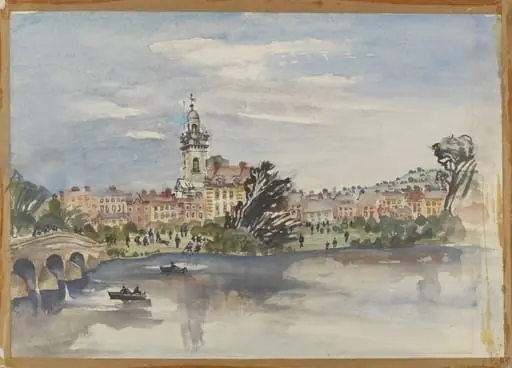
This British artist left a small but vivid trail of watercolours, all painted around 1940.

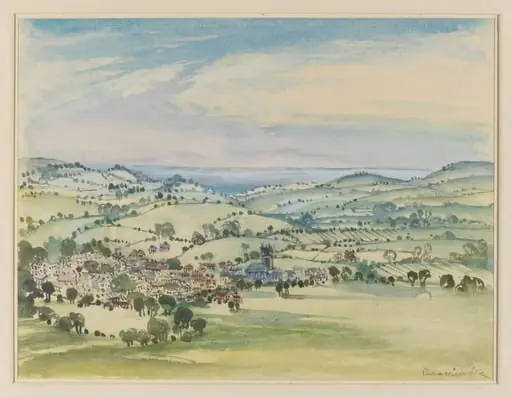 Beaminster
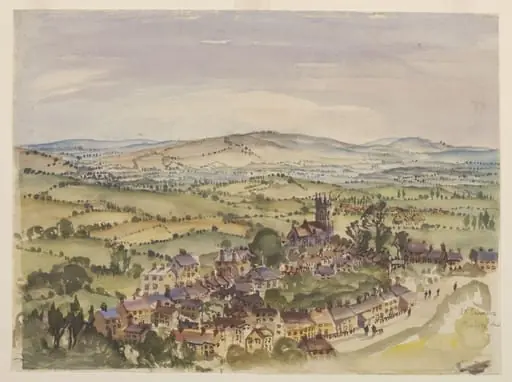 Shaftesbury St. James
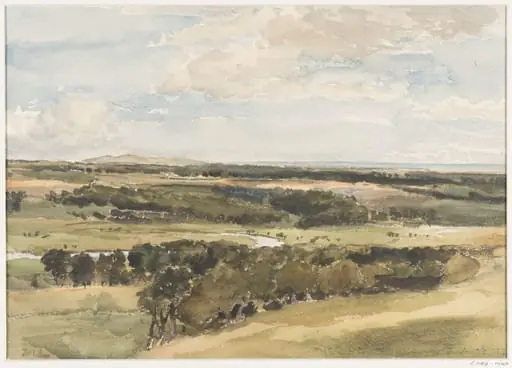 Arundel Park
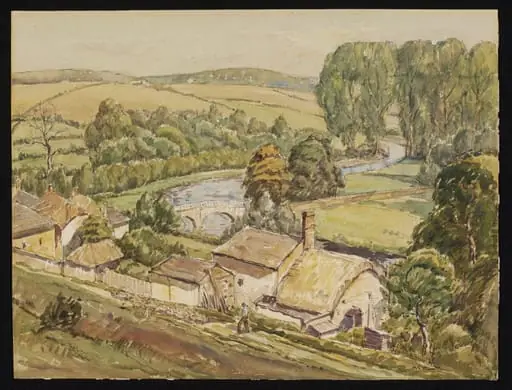 Woodford Bridge in the Avon Valley
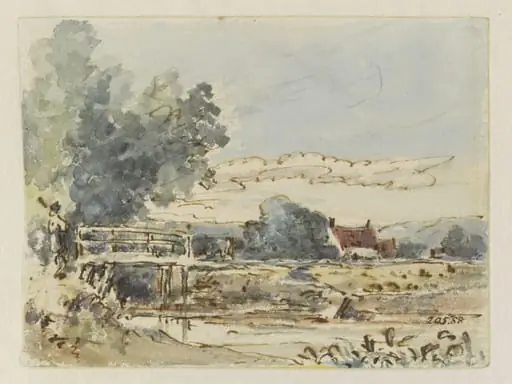 A bridge over a stream, with a cottage behind
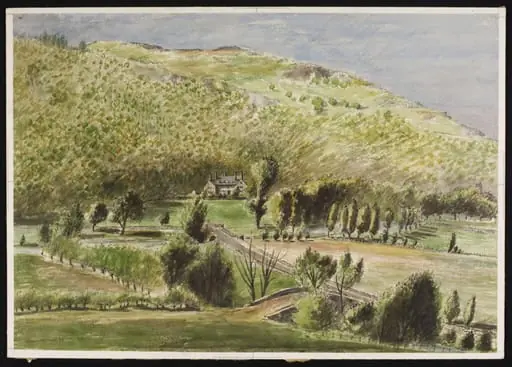 Pont Dol-y-moch and Pont dol Rhiw Gelen, over the River Goedel, Merionethshire
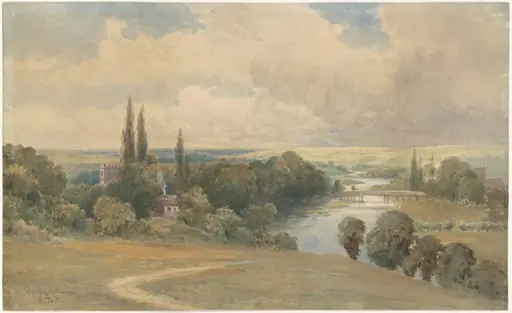 View of Streatley-on-Thames
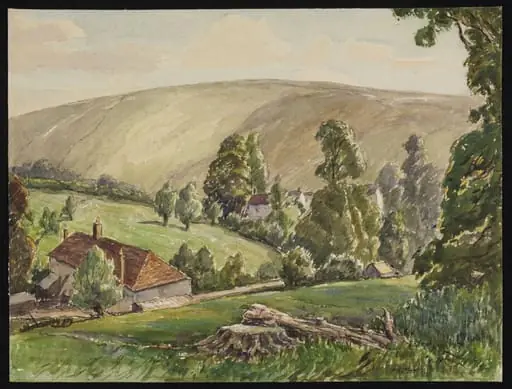 Bowerchalke
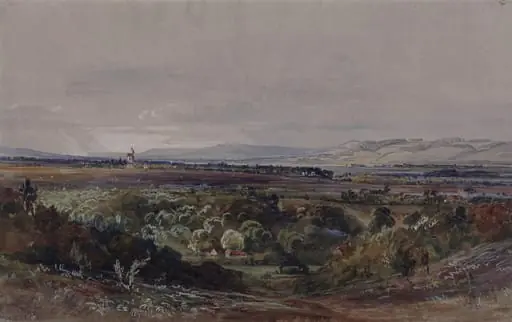 Landscape with Distant Windmill
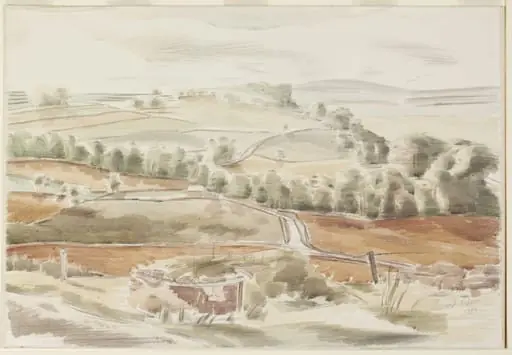 The Porter Valley, No.1
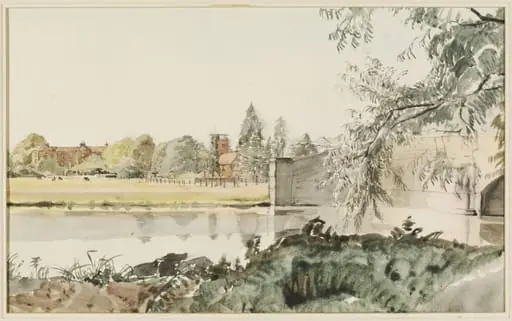 Cranford