Artwork
Celtes Surrounded by Greek and Roman Gods
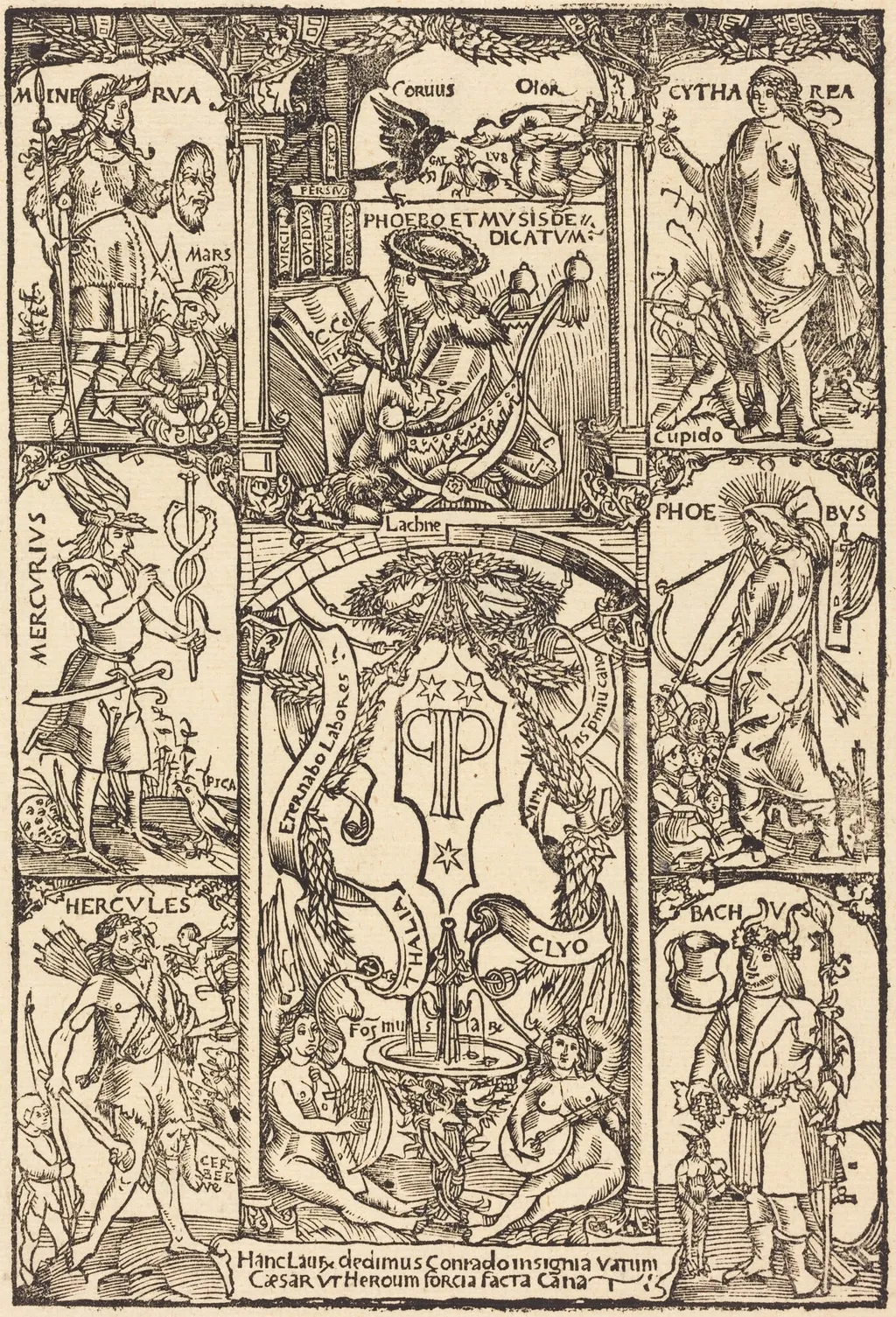
Celtes Surrounded by Greek and Roman Gods is an ink print by the Renaissance artist Hans Süss von Kulmbach. It dates from 1502 and is held in the collection of the National Gallery of Art.
About this work
Overview
Executed on a single wood block, the print arranges numerous mythological figures in tightly confined compartments, each often accompanied by a label.
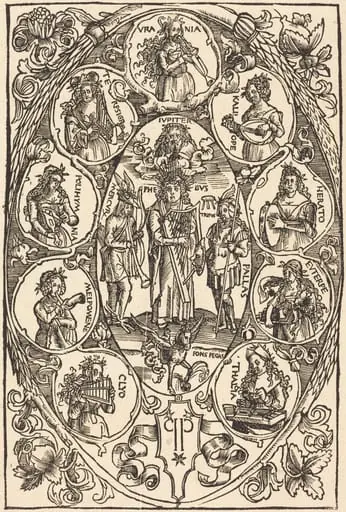
Hans Süss von Kulmbach’s woodcut, dated 1502, presents a densely populated tableau titled *Celtes Surrounded by Greek and Roman Gods*. Executed on a single wood block, the print arranges numerous mythological figures in tightly confined compartments, each often accompanied by a label. The central motif features a throne bearing a dedication to Phoebus and the Muses, surrounded by a swirling assembly of deities, humans, and animals.
Subject & Meaning
The composition juxtaposes a range of classical personages—Mercury, Hercules, Cupid, among others—against a backdrop that suggests a celebration of the arts. The inscription “Phoebo et Musis dicatum” (dedicated to Phoebus and the Muses) indicates an homage to poetry and music, while the crowded arrangement may reflect the Renaissance fascination with the unity of mythic wisdom and creative endeavor.
Technique & Style
Carved with fine, intersecting lines, the woodcut demonstrates Süss’s skill in rendering intricate detail within a limited space. Individual figures are confined to small panels, each outlined and filled with hatching to suggest texture and depth. The overall effect is a highly ornamental, almost diagrammatic visual, characteristic of early 16th‑century Northern European printmaking, where narrative complexity often trumped naturalistic proportion.
History & Provenance
Created in Kulmbach, the work belongs to the early phase of Süss’s career, when he was active in the courts of the Holy Roman Empire. The print was likely produced for a patron interested in classical learning, perhaps as part of a larger manuscript or devotional collection. Surviving copies are held in several European libraries, indicating its circulation among scholarly and artistic circles of the period.
Artist & collection

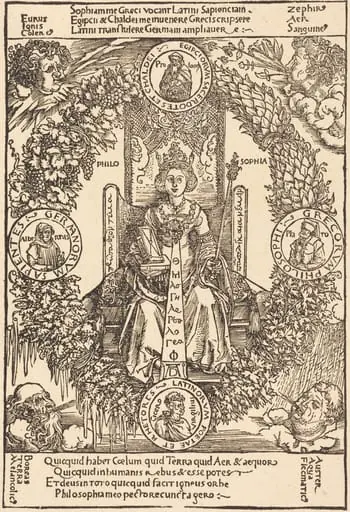 Philosophy
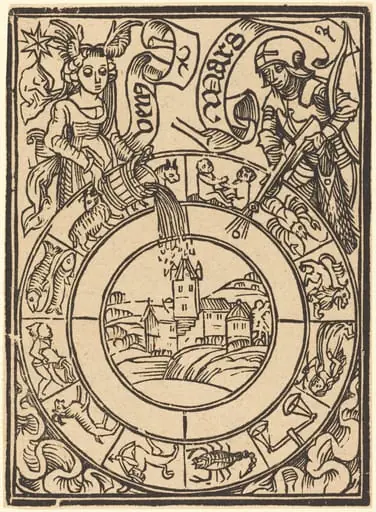 Mars and Venus
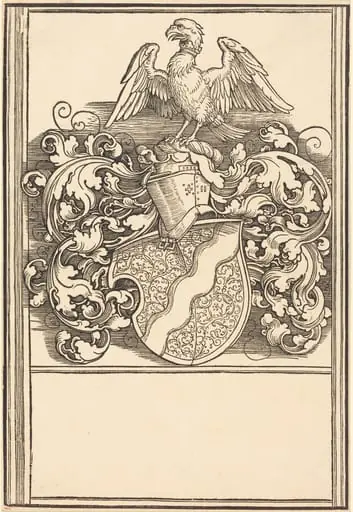 Coat of Arms of Michael Behaim
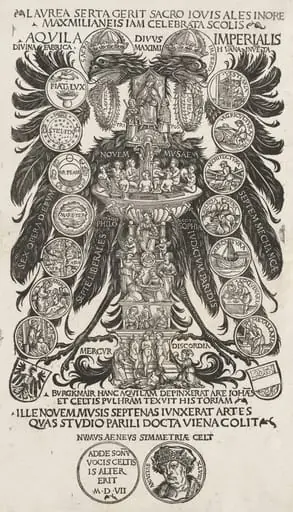 The Imperial Eagle
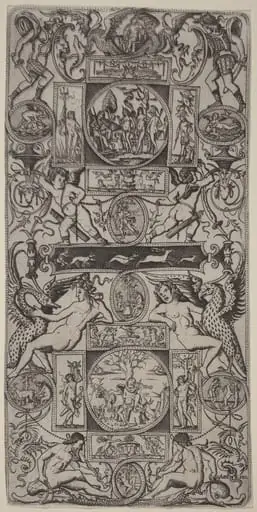 Ornament Panel with Orpheus and the Judgment of Paris
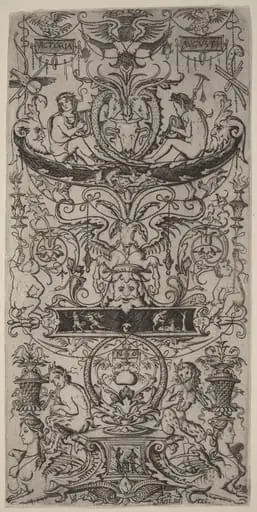 Ornament Panel: Victoria Augusta
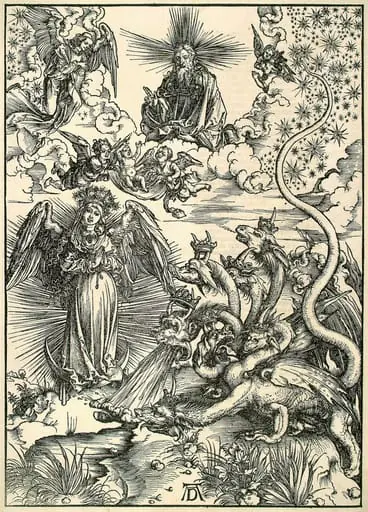 The Apocalyptic Woman
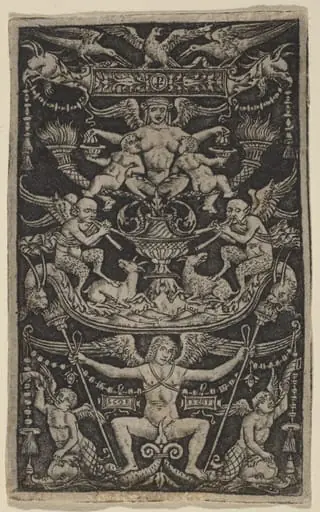 Panel of Ornament with a Satyress Feeding Two Children
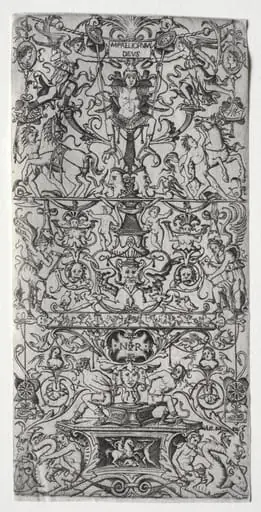 Ornament Panel: Mars, God of Battles
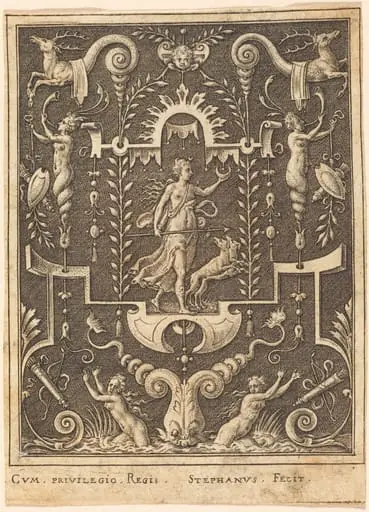 Diana
Diana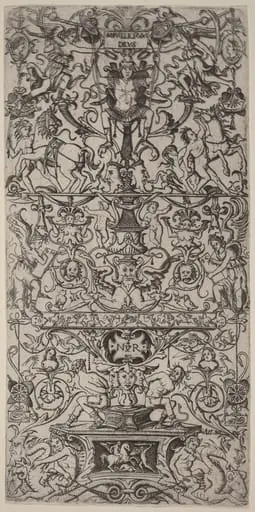 Ornament Panel: Mars, God of Battles