Artwork
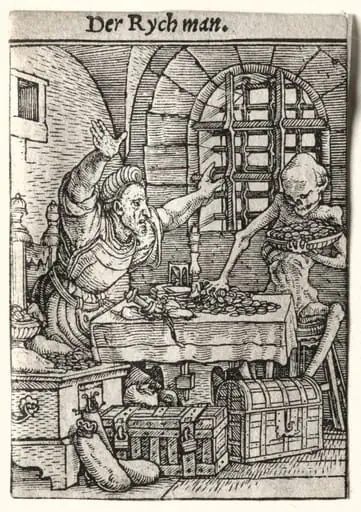
Der Rychman (The Rich Man)
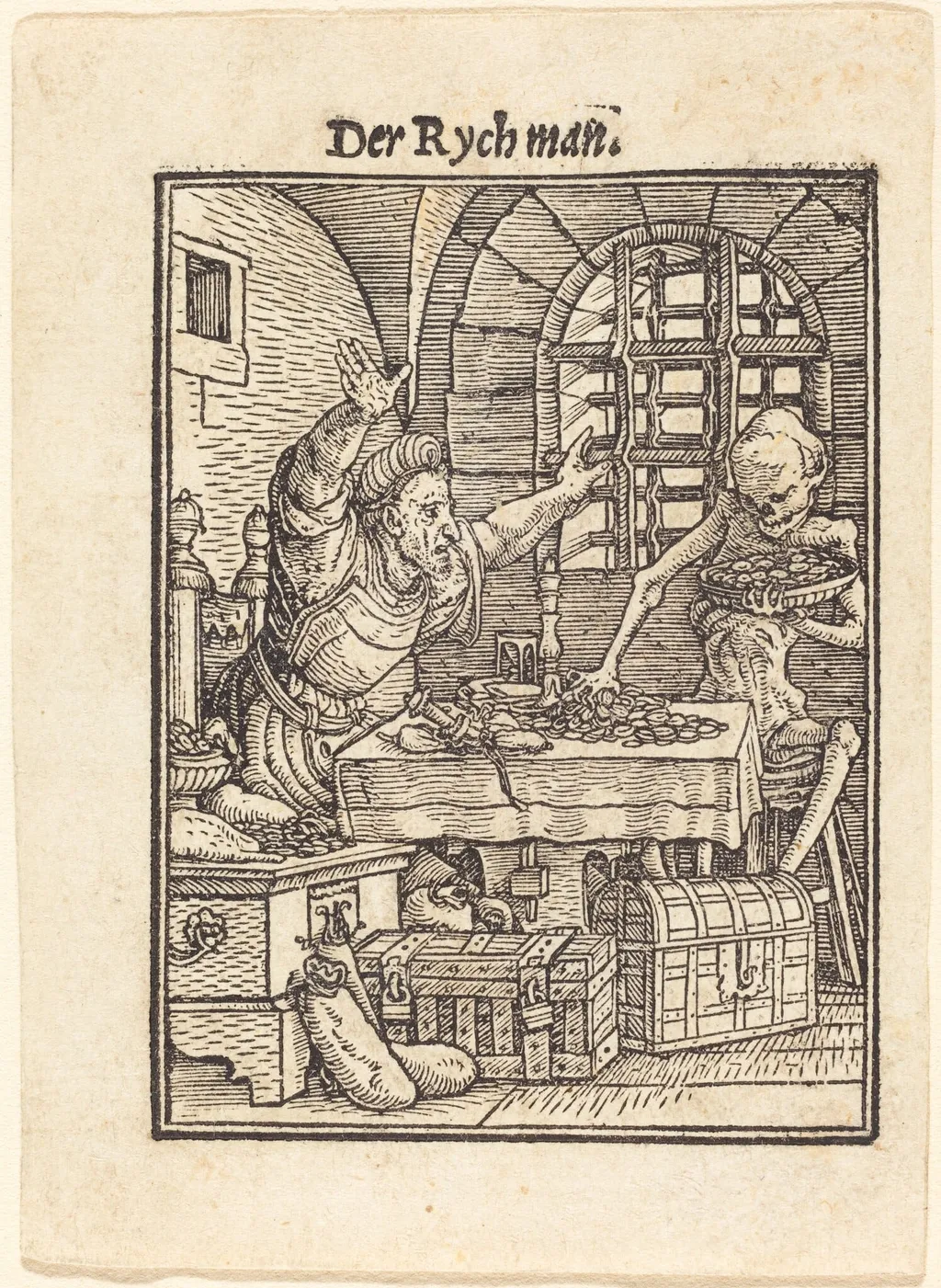
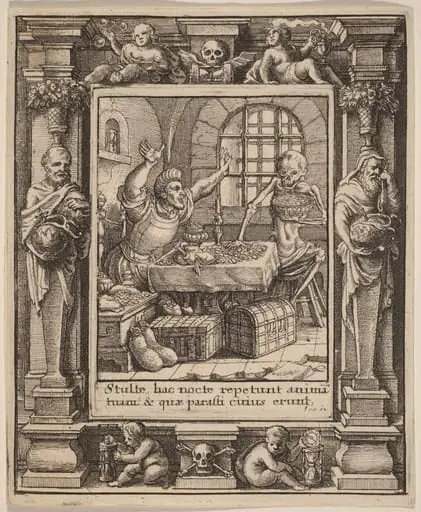
Der Rychman (The Rich Man) is an ink print by the Renaissance artist Hans Lützelburger. It dates from 1526 and is held in the collection of the National Gallery of Art.
About this work
Overview
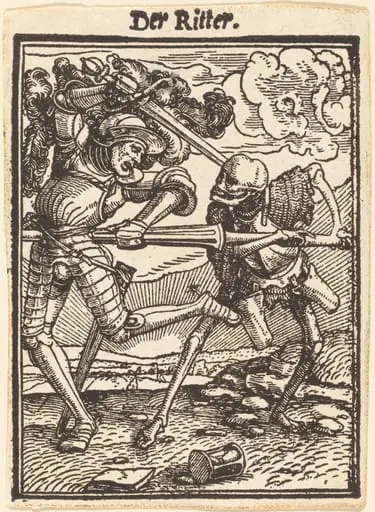
Der Rychman (The Rich Man) is a woodcut on laid paper, created circa 1526 by Hans Lützelburger, a renowned German blockcutter. The work exemplifies his technical skill, though it remains part of his unfinished output due to his death in June 1526.
Subject & Meaning
The woodcut depicts a greedy man attempting to grasp coins from a skeleton, set against a backdrop of wealth (coins, chest) and everyday life (window, door). This allegory warns against the dangers of greed and the transience of wealth, with the skeleton symbolizing the inevitability of death.
Technique & Style
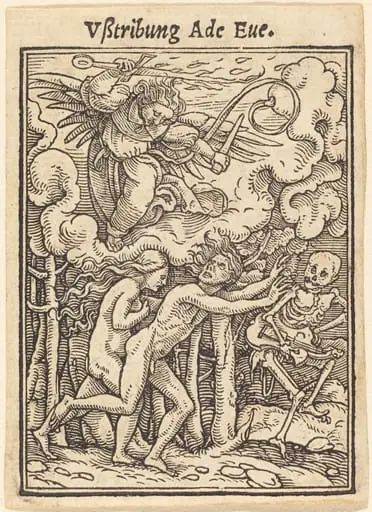
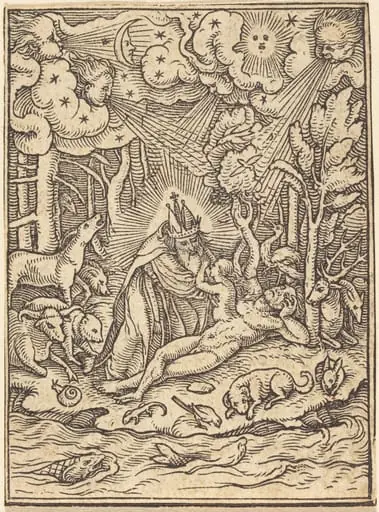
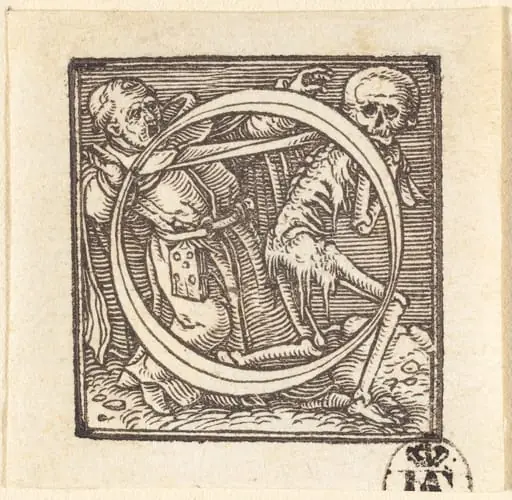
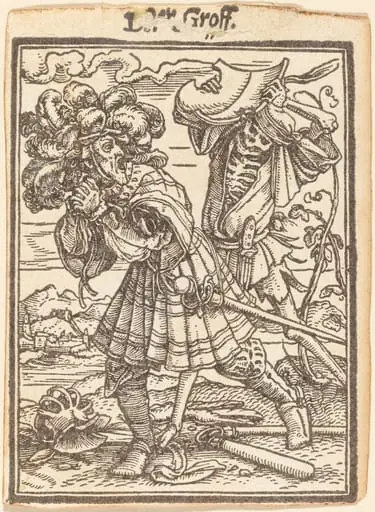
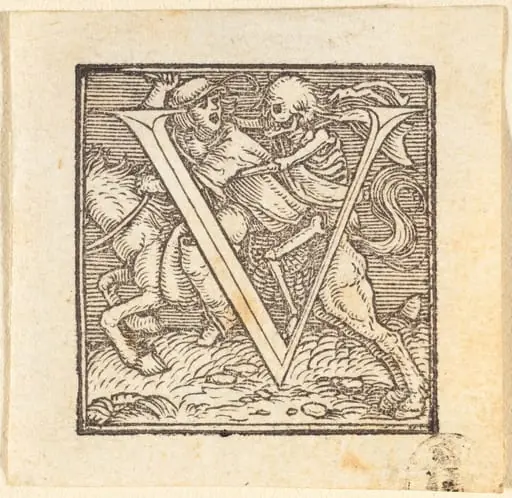
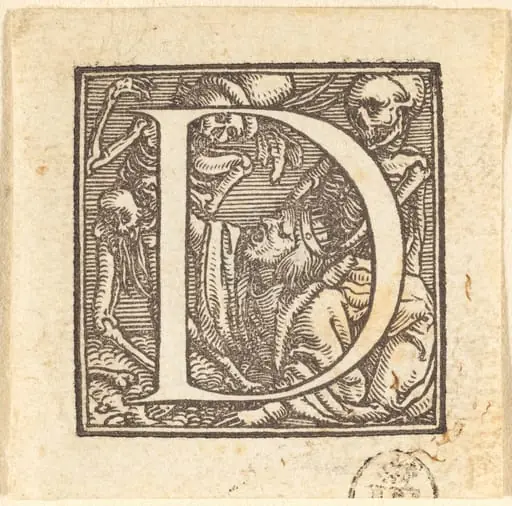
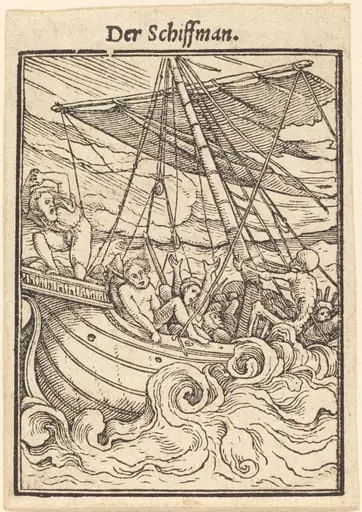
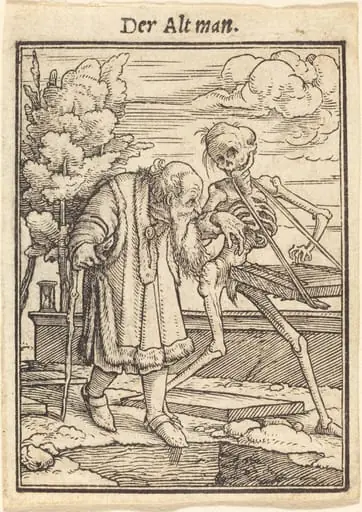
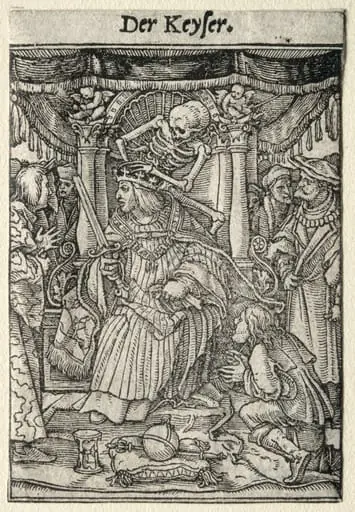
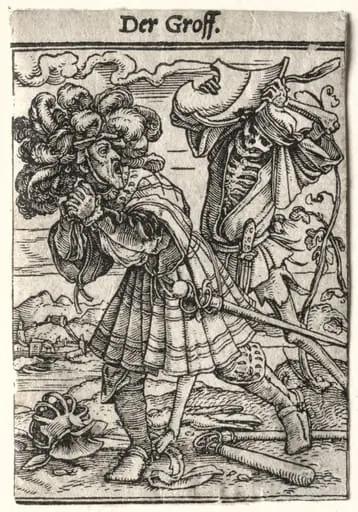
Executed in woodcut on laid paper, the piece showcases Lützelburger's intricate craftsmanship, characteristic of his contributions to notable series like the Dance of Death. His role as a blockcutter, rather than designer, highlights his technical expertise.
History & Provenance
Lützelburger, active in Augsburg from around 1516, collaborated under Jost de Negker, signing the reverse of his blocks. This work was left unfinished at his death in 1526, reflecting his established yet truncated career.
Context
Der Rychman aligns with Renaissance themes of moral allegory and the symbolic use of death. While Lützelburger's direct influence from the broader Renaissance movement is nuanced due to his role as a blockcutter, the work's themes and execution place it within the era's artistic and philosophical currents.
Legacy
Though Der Rychman itself may not be widely recognized beyond art historical circles, it represents Lützelburger's legacy as a master blockcutter, particularly through his work on the Dance of Death series, which has had a lasting impact on the understanding of Renaissance printmaking.
Artist & collection

Artist
Hans Lützelburger (died June 1526), also known as Hans Franck, was a German blockcutter ("formschneider") for woodcuts, regarded as one of the finest of his day.