Artwork
Der Kuniginn (The Queen)
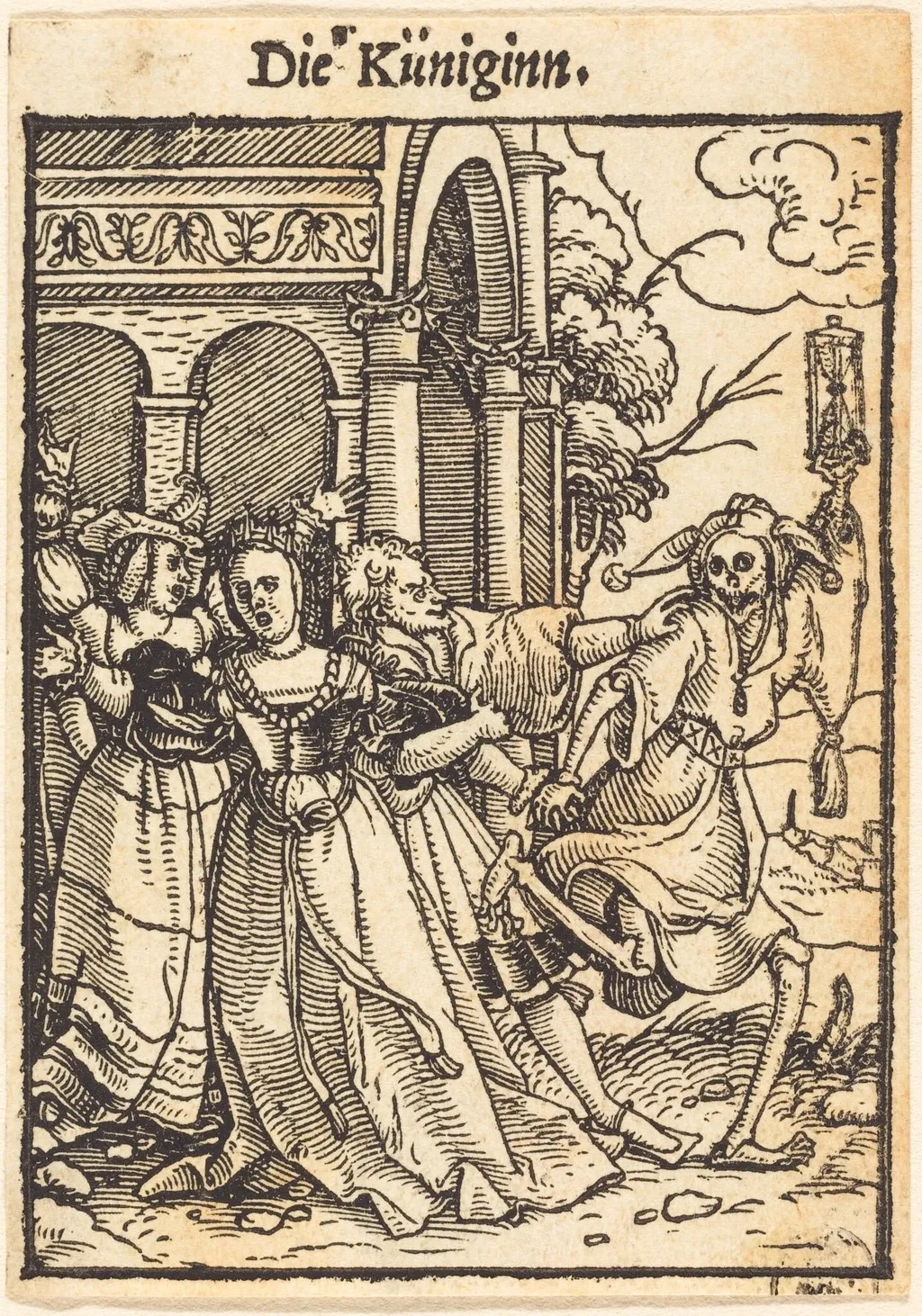
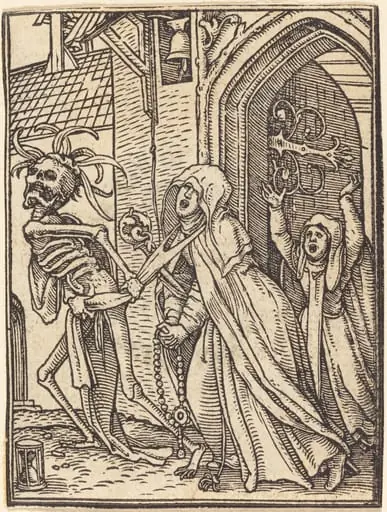
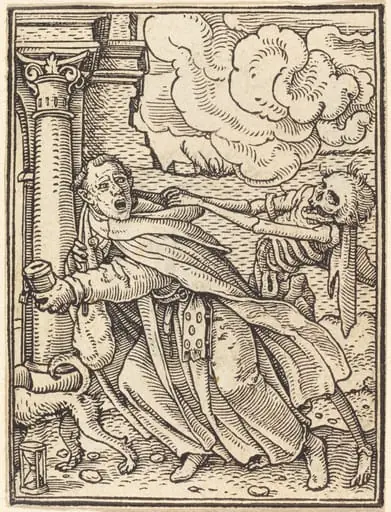
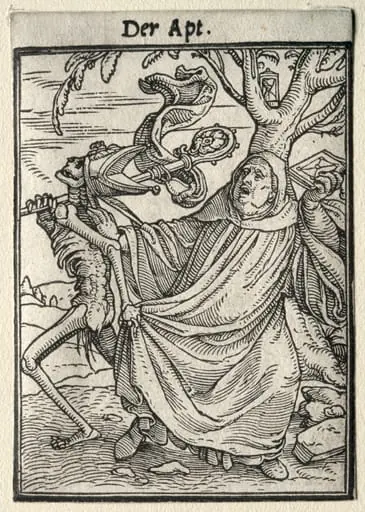
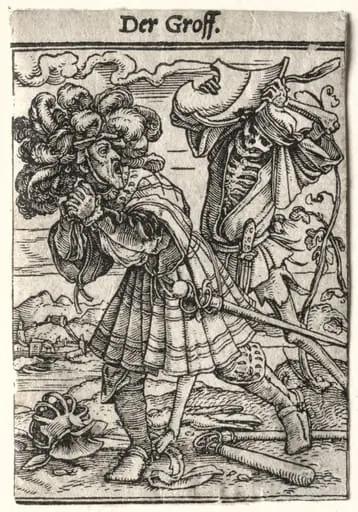
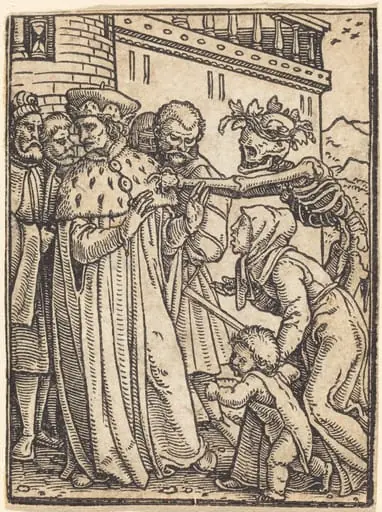
Der Kuniginn (The Queen) is an ink print by the Renaissance artist Hans Lützelburger. It dates from 1526 and is held in the collection of the National Gallery of Art.
About this work
Overview
Der Kuniginn (The Queen) is a woodcut print created by Hans Lützelburger around 1526 in Augsburg, Germany. Characterized by a stark, linear style, it depicts a complex scene centered on a crowned female figure.
Subject & Meaning
The woodcut portrays a chaotic scene featuring a royally or nobly dressed woman holding a child, flanked by multiple figures, including one with a skull-like face. This figure may symbolize death or danger, hinting at themes of power, fate, or mortality.
Technique & Style
Executed in a typical woodcut style of the period, the print emphasizes bold lines and stark contrasts, reflecting Lützelburger's renowned craftsmanship as a blockcutter.
History & Provenance
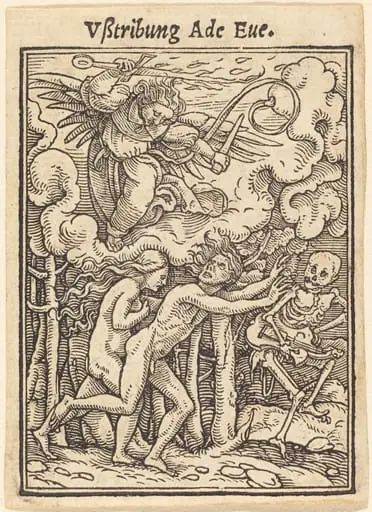
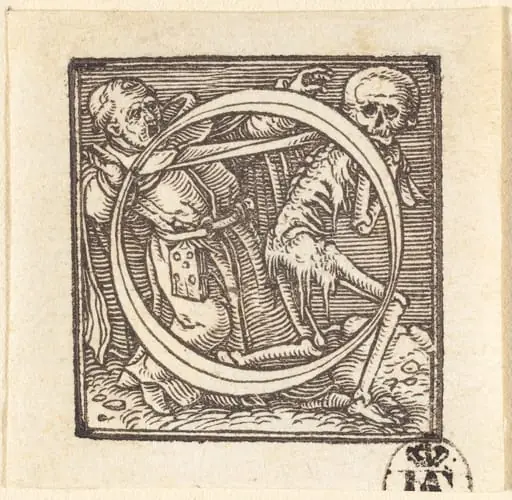
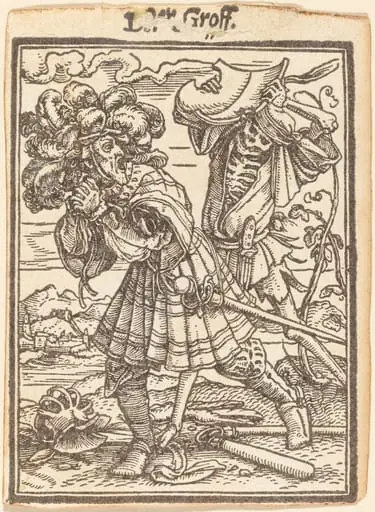
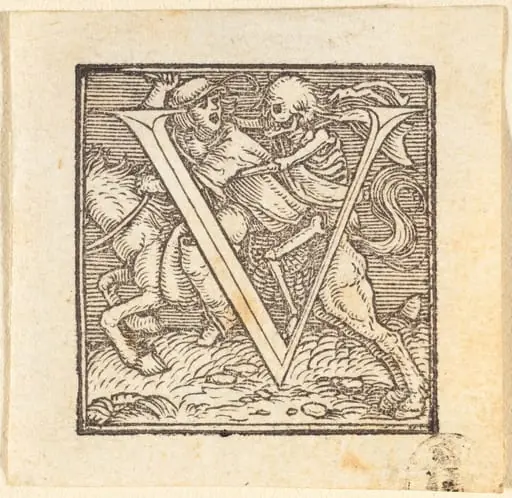
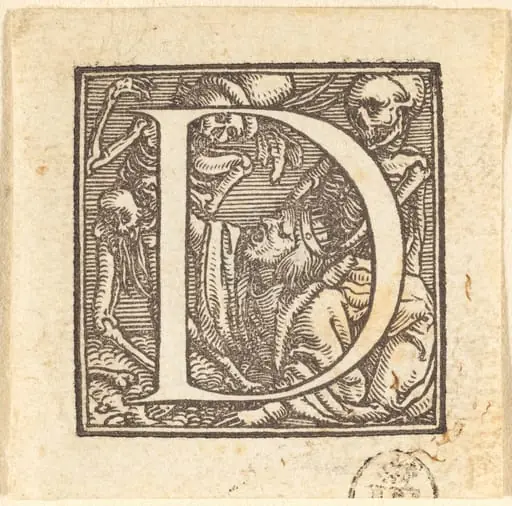
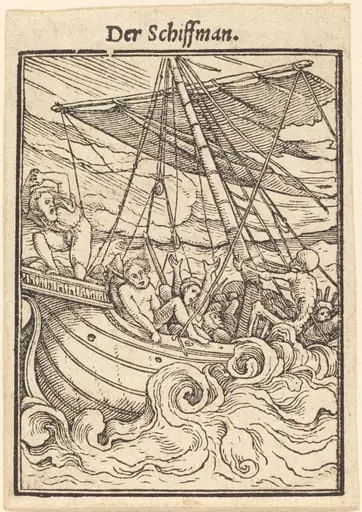
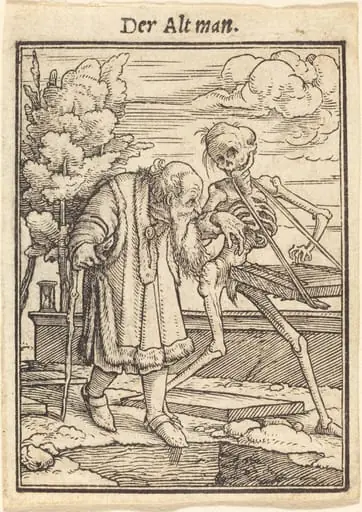
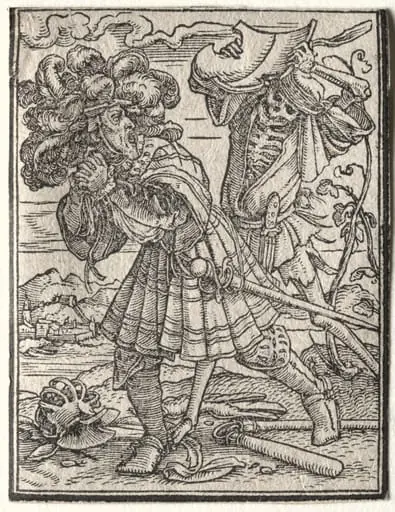
Hans Lützelburger, active in Augsburg from circa 1516 until his death in June 1526, produced this work. Notably, he also cut blocks for Hans Holbein the Younger's *Dance of Death* series, leaving 41 blocks unfinished at his passing.
Artist & collection

Artist
Hans Lützelburger (died June 1526), also known as Hans Franck, was a German blockcutter ("formschneider") for woodcuts, regarded as one of the finest of his day.