Artwork
Ecorche drawing of the head of a dog
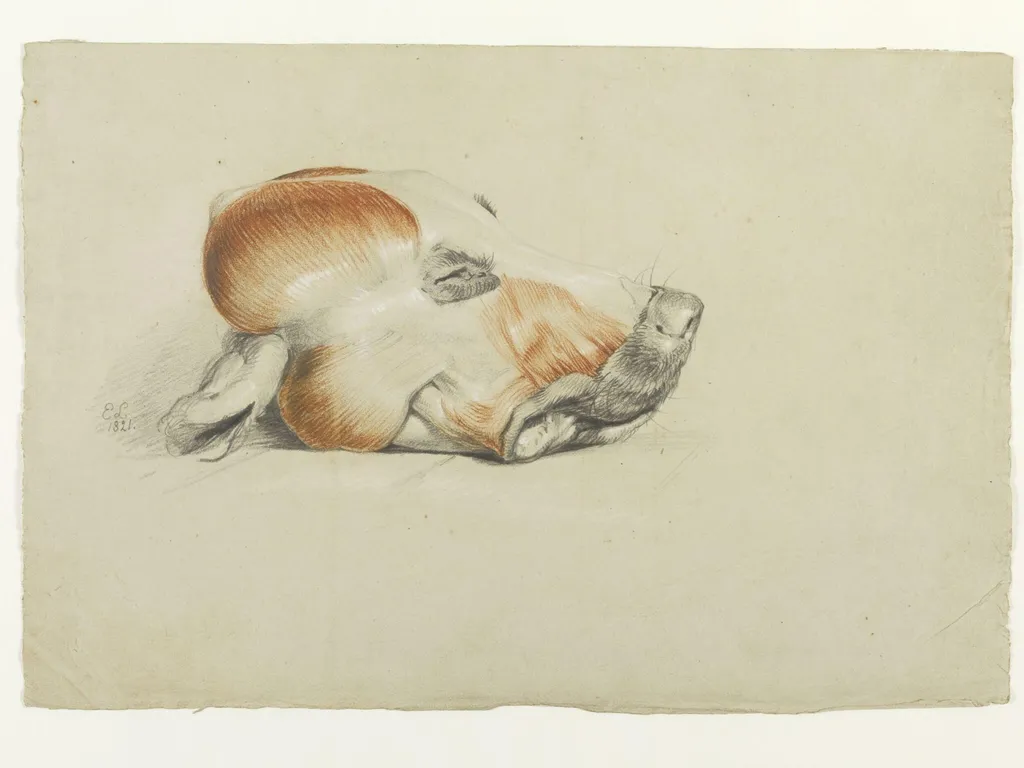
Ecorche drawing of the head of a dog is a drawing by the Romanticist artist Edwin Landseer. It dates from 1821 and is held in the collection of the Victoria and Albert Museum.
About this work
Overview
Executed in his mid-teens, it depicts the skinned head of a dog, reflecting his early commitment to understanding animal structure through direct observation.
This drawing is one of eight anatomical studies of dogs and cats created by Edwin Landseer between 1817 and 1821. Executed in his mid-teens, it depicts the skinned head of a dog, reflecting his early commitment to understanding animal structure through direct observation. The work belongs to a series held by the V&A, showcasing his disciplined approach to anatomy before he gained public recognition.
Subject & Meaning
The subject is the exposed musculature of a dog’s head, rendered without embellishment to reveal underlying form. Landseer focused on the functional architecture of animal anatomy, not idealized beauty. This study served as foundational training, grounding his later depictions of animals in observed reality rather than convention. The absence of skin emphasizes the mechanics of movement and expression.
Technique & Style
Executed in pencil or ink on paper, the drawing employs precise, controlled lines to map muscle groups and tendons. Shading is minimal but deliberate, clarifying volume without theatrical contrast. The composition is frontal and centered, prioritizing clarity over drama. Landseer’s hand shows early mastery of observational accuracy, influenced by scientific illustration rather than artistic flourish.
History & Provenance
Created during Landseer’s adolescence, the drawing emerged from his intensive study under surgeon Sir Charles Bell in Soho and visits to London’s Exeter Exchange menagerie. It was likely made for personal use or as part of academic exercises. The eight related studies entered the V&A’s collection as a cohesive group, preserved as evidence of his formative years in anatomical study.
Context
In early 19th-century Britain, artistic training increasingly incorporated scientific disciplines. Landseer’s engagement with dissection and anatomy aligned with broader trends in natural history and medical education. His access to Bell’s lectures and live specimens was unusual for an artist, reflecting both privilege and a growing cultural emphasis on empirical observation in art.
Legacy
These early studies established Landseer’s reputation for anatomical fidelity in animal portraiture. Though later known for sentimental scenes, his foundation in dissection informed the lifelike precision of his mature work. The V&A’s collection of his adolescent drawings remains a key record of how scientific rigor shaped Victorian animal art.
Artist & collection

Artist
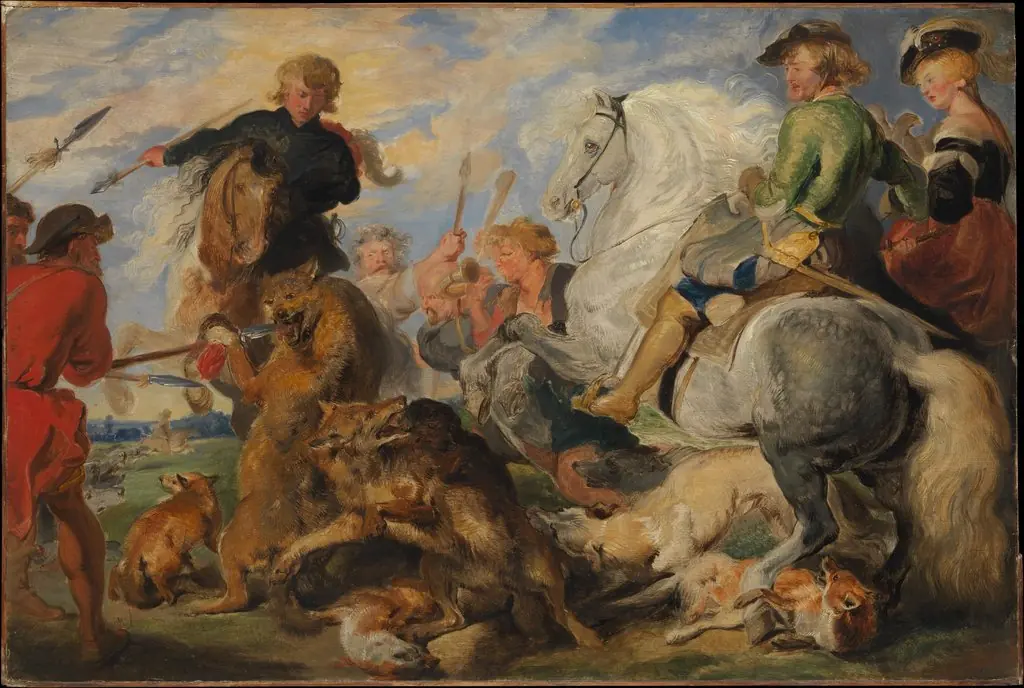
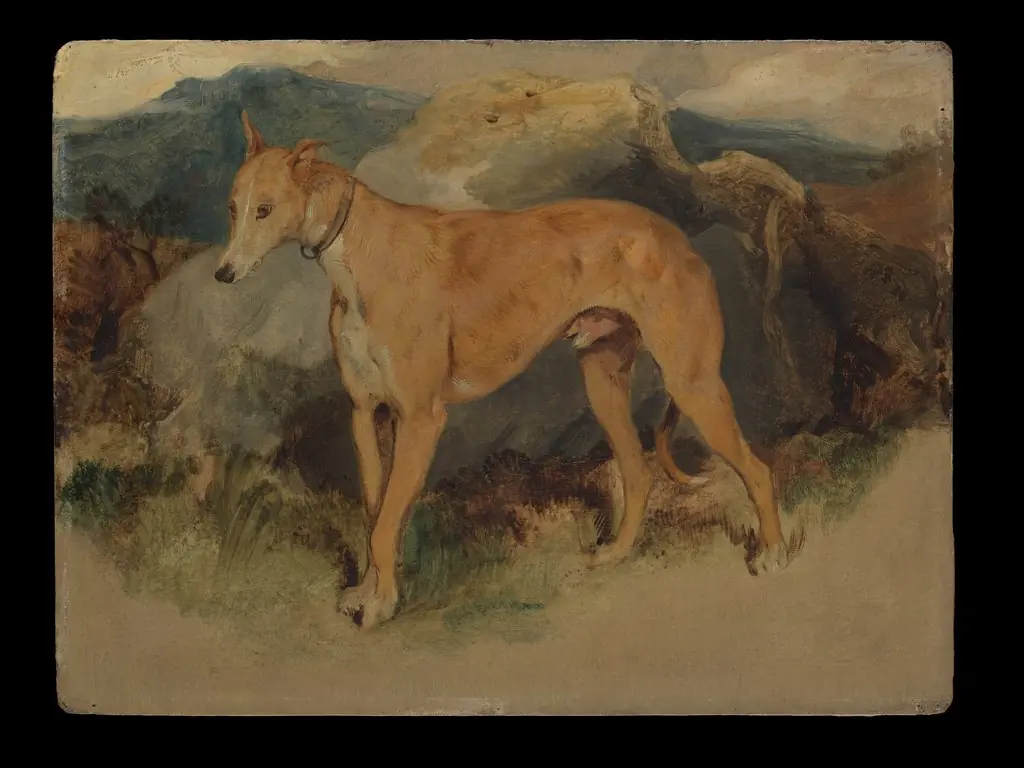
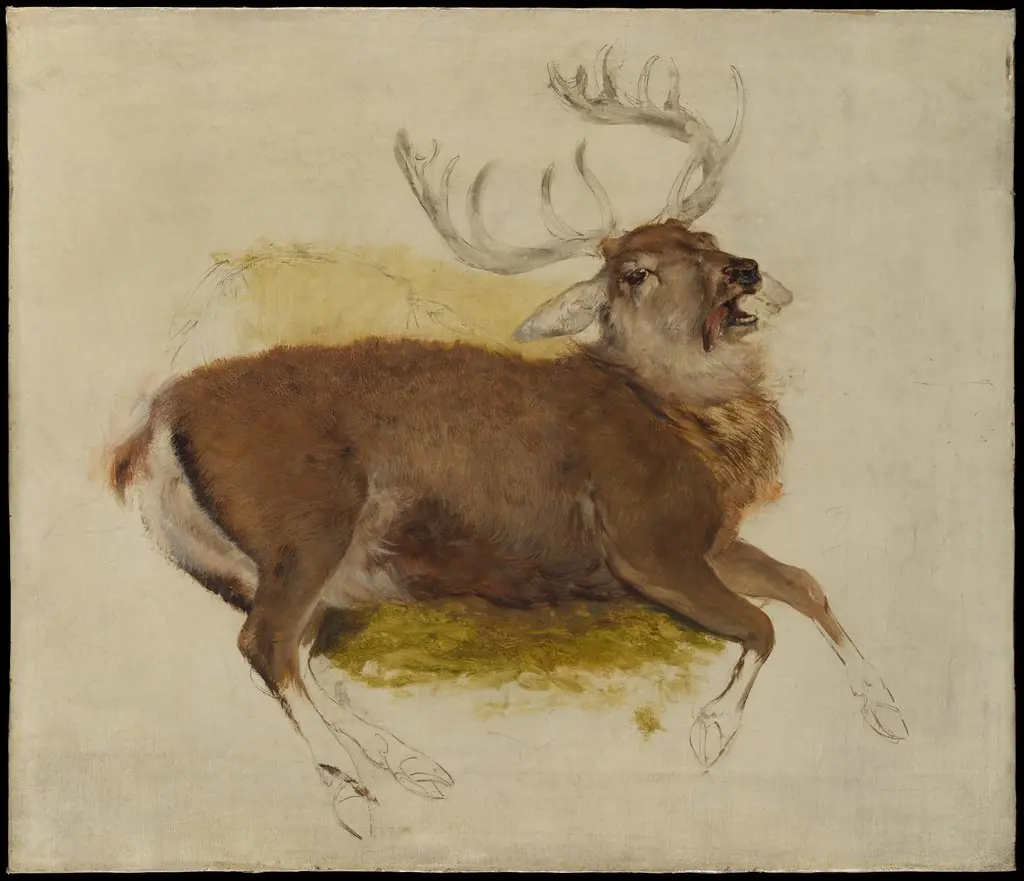
Sir Edwin Henry Landseer was an English painter and sculptor, well known for his paintings of animals – particularly horses, dogs, and stags. His best-known work is the lion sculptures at the base of Nelson's Column in Trafalgar Square.

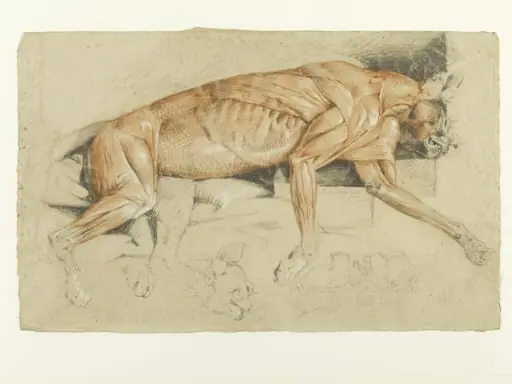 Ecorche drawing of a wild cat
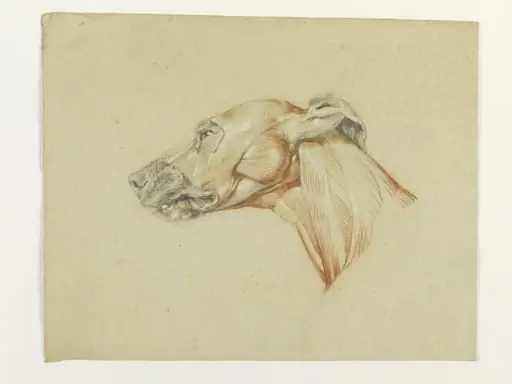 Ecorche drawing of the head of a greyhound
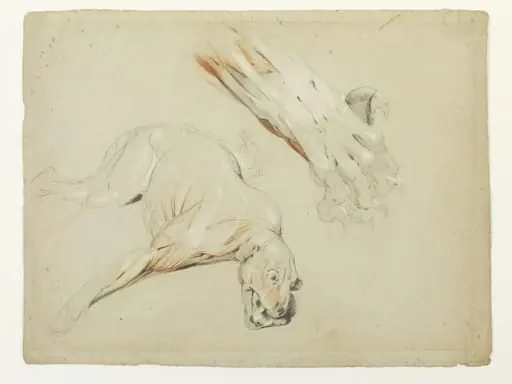 Ecorche drawing of a dog and enlarged detail of a paw
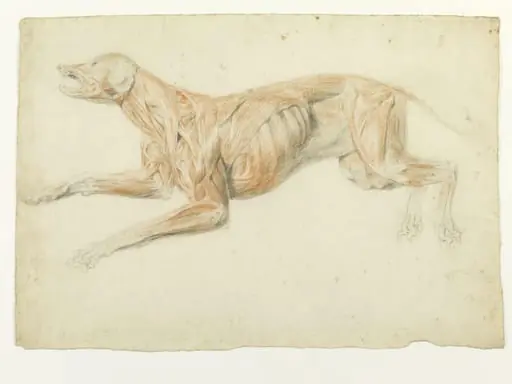 Ecorche drawing of a dog
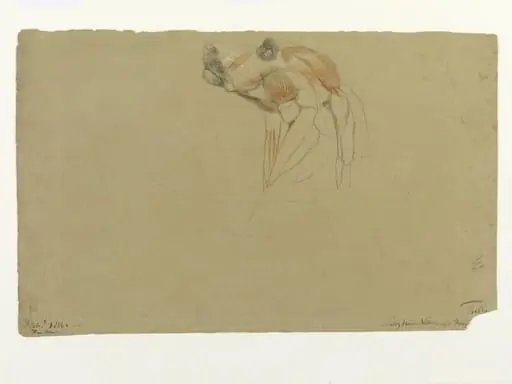 Ecorche drawing of the head of a dog
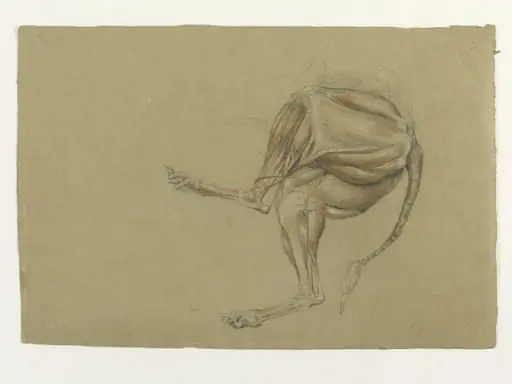 Ecorche drawing of the hind legs of a dog
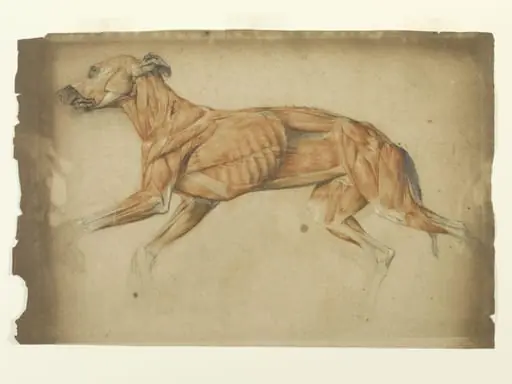 Ecorche drawing of a greyhound
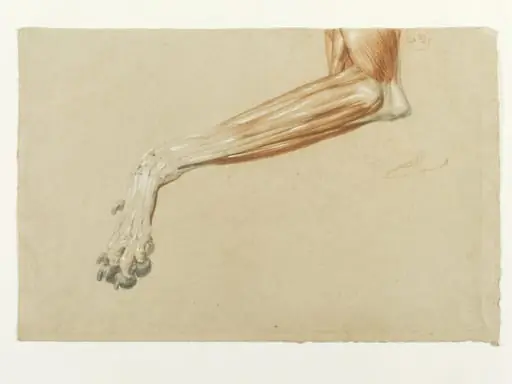 Ecorche drawing of a dog's leg
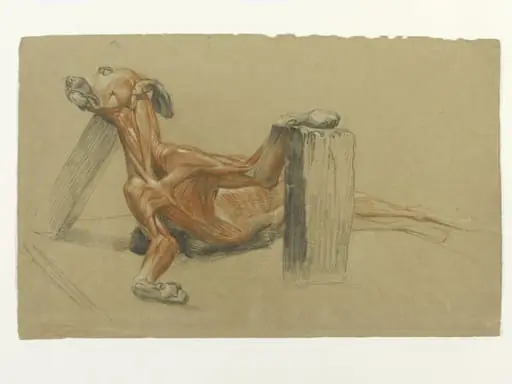 Ecorche drawing of a greyhound supported by planks
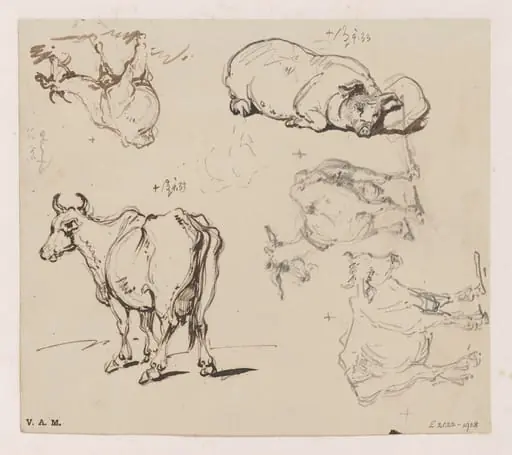 Drawings of animals