Artwork
Henri, duc de Bar
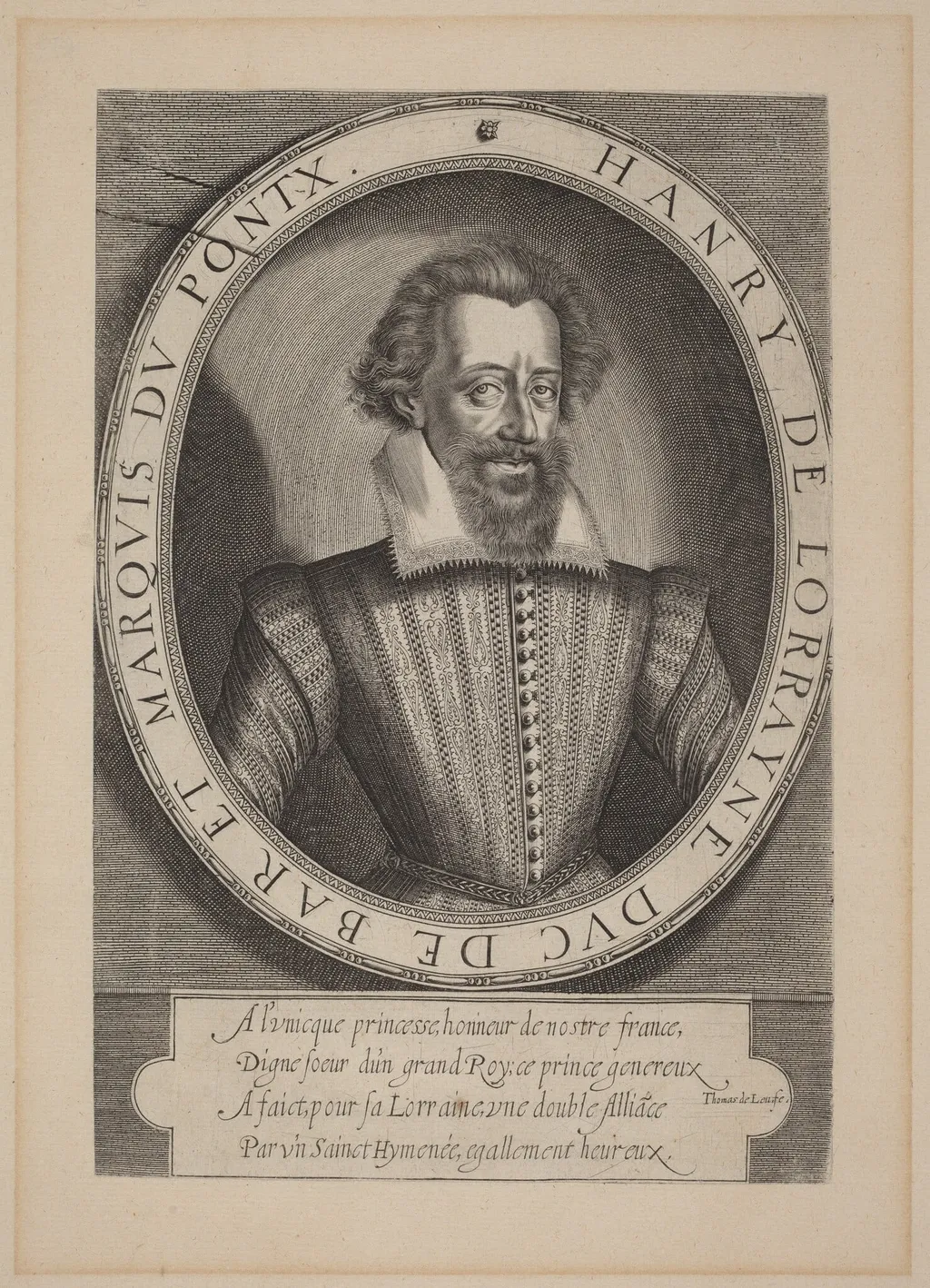
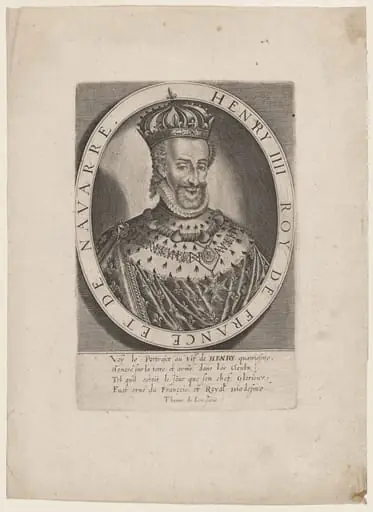
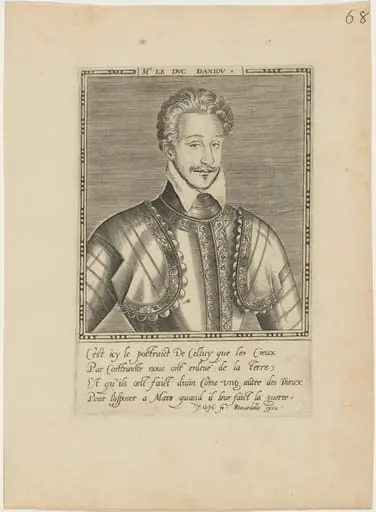
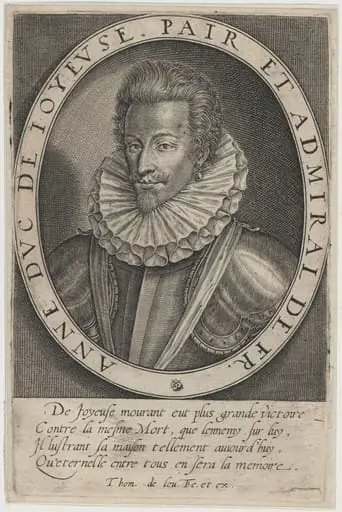
Henri, duc de Bar is an ink print by the Renaissance artist Thomas de Leu. It dates from 1590 and is held in the collection of the National Gallery of Art.
About this work
Overview
The work exemplifies the era’s reliance on engraved portraiture to disseminate images of aristocracy, combining technical precision with formal dignity.
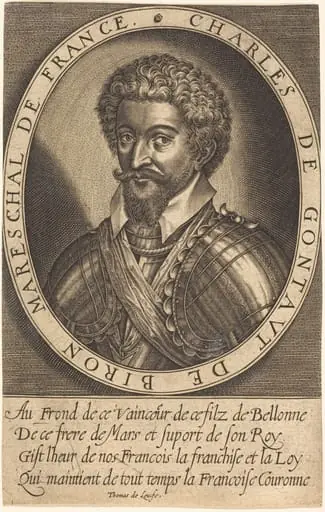
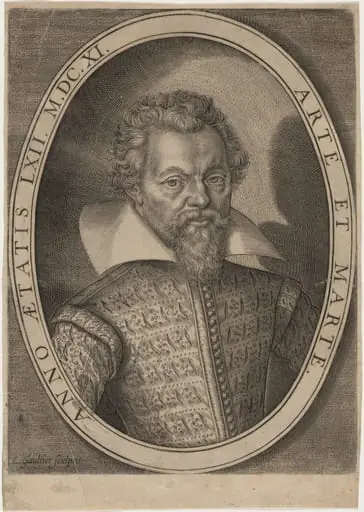
Created in 1590 by Thomas de Leu, this engraving on laid paper portrays Henri, duc de Bar, a French nobleman of the late Renaissance. De Leu, a French engraver of Flemish descent, specialized in portrait prints and operated as both artist and publisher. The work exemplifies the era’s reliance on engraved portraiture to disseminate images of aristocracy, combining technical precision with formal dignity. Its circular frame and inscriptive border reflect conventions of commemorative printmaking at the time.
Subject & Meaning
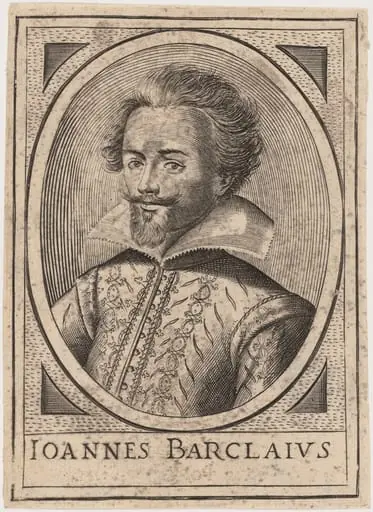
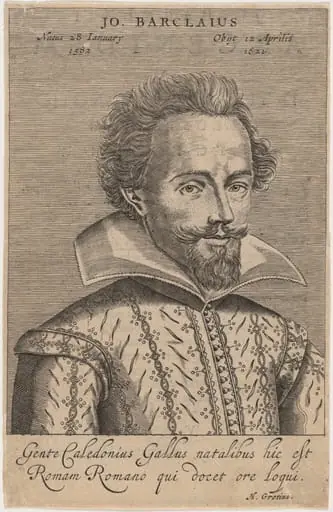
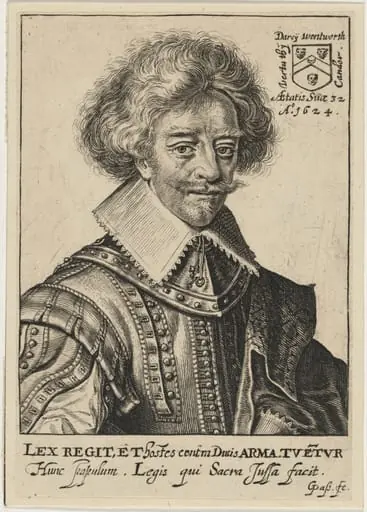
Henri, duc de Bar, was a member of the French nobility whose lineage connected him to the ruling houses of Lorraine and Bar. The portrait presents him with restrained authority: his full beard, curled hair, and direct gaze convey status without ostentation. The inclusion of his title in the border text situates the image as a formal identification, likely used for circulation among courtly circles. It functions less as a personal likeness and more as a symbol of lineage and social rank.
Technique & Style
De Leu employed fine, controlled lines typical of Renaissance engraving to model volume and texture. The doublet’s intricate patterning and the subtle gradations of shadow on the face demonstrate mastery of hatching and cross-hatching. The circular composition directs focus to the sitter’s features, while the crisp, even ink lines ensure clarity in reproduction. The absence of color and reliance on tonal contrast align with the medium’s capacity for detail and reproducibility, key to its popularity in early modern Europe.
History & Provenance
The print was produced during a period when engraved portraits circulated widely among European elites, often commissioned or sold by print dealers like de Leu. Though specific early ownership records are sparse, its survival in institutional collections suggests it was preserved as a historical document. De Leu’s role as both creator and publisher implies the print may have been part of a broader series of noble portraits intended for commercial distribution across France and the Low Countries.
Context
In late 16th-century France, engraving served as a primary means of visual communication beyond painting. With the rise of print culture, portraits of nobility became tools for political visibility and dynastic memory. De Leu’s work fits within a network of artists producing similar images for courts and collectors. The use of a circular frame and Latin or French inscriptions reflects enduring Renaissance traditions, linking the image to humanist ideals of order and representation.
Legacy
This engraving remains a representative example of French printmaking in the decades before the Baroque era. While not widely reproduced in modern scholarship, it contributes to the understanding of how aristocratic identity was visually constructed and distributed. De Leu’s technique influenced later generations of engravers, and the work endures as evidence of the print’s role in shaping public perception of nobility during a time of political and religious upheaval.
Artist & collection
Artist
Thomas de Leu or Leeuw or Le Leup or Deleu (1560–1612) was a French engraver, publisher, and print dealer of Flemish origin.