Artwork
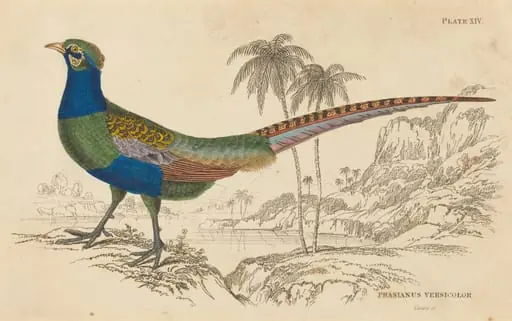
Phasianus Versicolor - Female
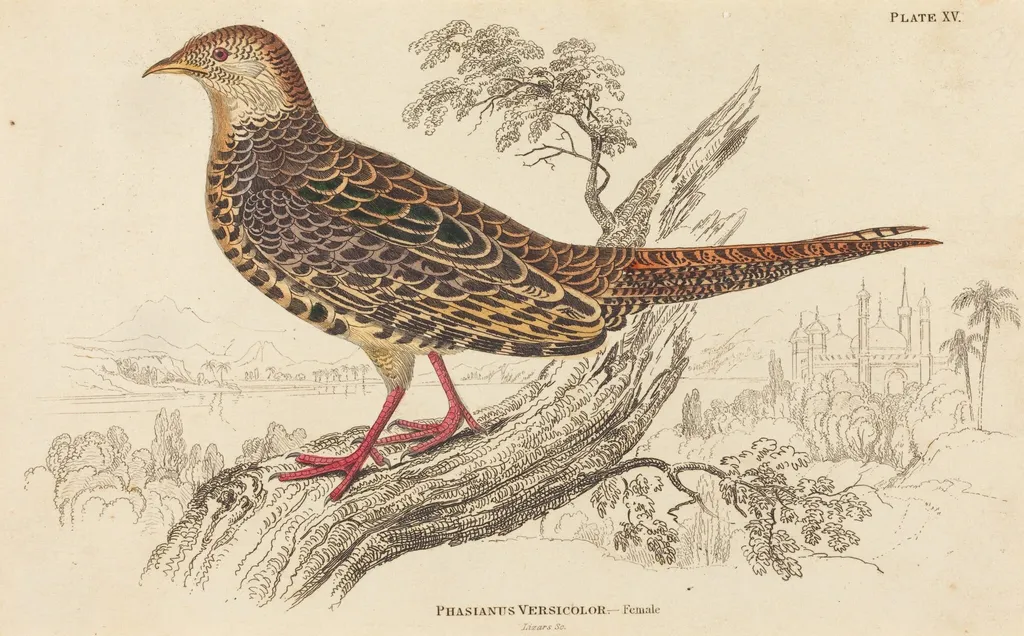
Phasianus Versicolor - Female is an ink print by the Romanticist artist William Home Lizars. It dates from 1824 and is held in the collection of the National Gallery of Art.
About this work
Overview
The bird dominates the composition, its plumage rendered with fine detail, while the background recedes in lighter tones.
William Home Lizars produced a hand‑coloured etching in 1824 titled *Phasianus Versicolor – Female*. The print portrays a single green pheasant perched on a curved branch, set against a softened landscape of distant trees, rolling hills and a low‑lying structure resembling a castle or temple. The bird dominates the composition, its plumage rendered with fine detail, while the background recedes in lighter tones.
Subject & Meaning
The work depicts the female of the species *Phasianus versicolor*, commonly known as the green pheasant, native to East Asia. By focusing on the bird’s intricate feather pattern and delicate posture, the image reflects the 19th‑century interest in natural history illustration, emphasizing both scientific observation and aesthetic appreciation of wildlife.
Technique & Style
Lizars employed traditional copper‑plate etching, later enhanced with hand‑applied colour to accentuate the bird’s brown and green hues and the pink tones of its legs. The line work defines the bird’s slender beak and feather texture, while the broader washes on the background create atmospheric depth without detracting from the central figure.
History & Provenance
Created in 1824, the print forms part of Lizars’s broader series of ornithological plates produced for natural‑history publications of the period. Original impressions were likely distributed to collectors and scholars interested in avian studies. Subsequent ownership records trace the piece through private collections before entering museum holdings, where it remains a reference for early scientific illustration.
Artist & collection

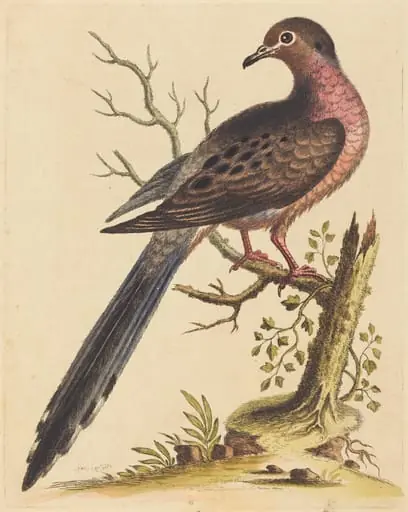 Fedoa Americana pectore ruso
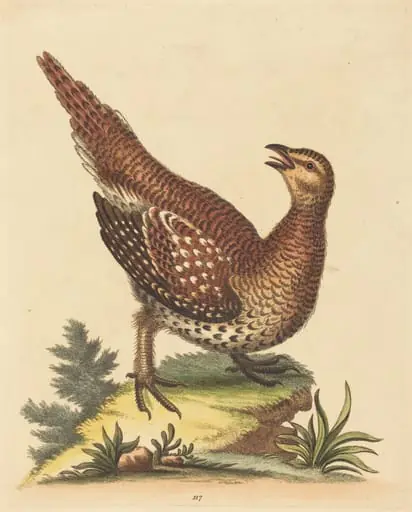 Brown Speckled Bird
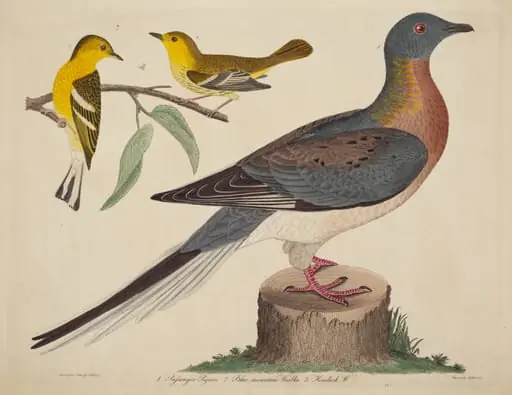 Passenger Pigeon, Blue-mountain Warbler, and Hemlock Warbler
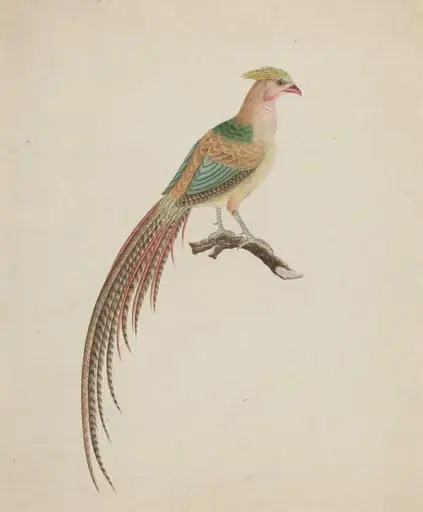 Golden Pheasant (Chrysolophus pictus)
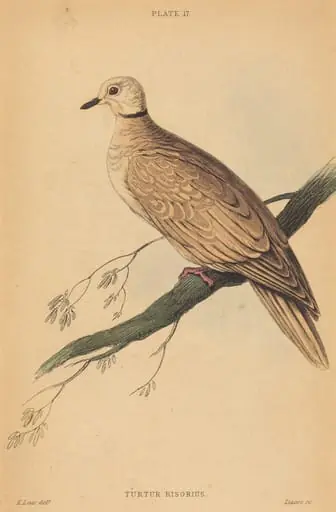 Turtur Risorius
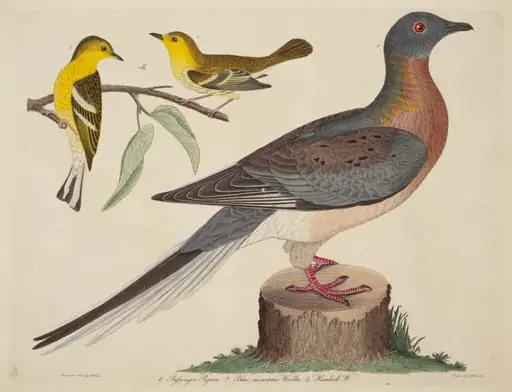 Passenger Pigeon, Blue-mountain Warbler, and Hemlock Warbler
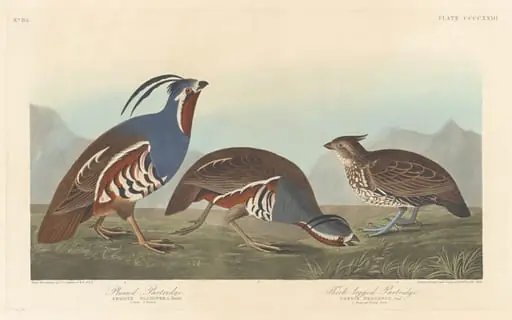 Plumed Partridge and Thick-legged Partridge
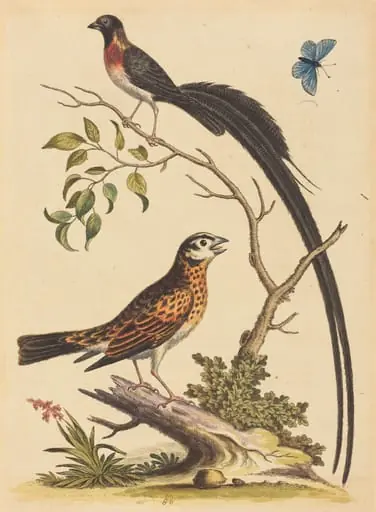 Two Birds, One with Very Long Tailfeathers, and Blue Butterfly
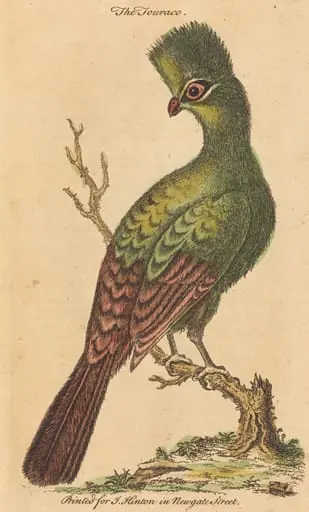 The Touraco Bird
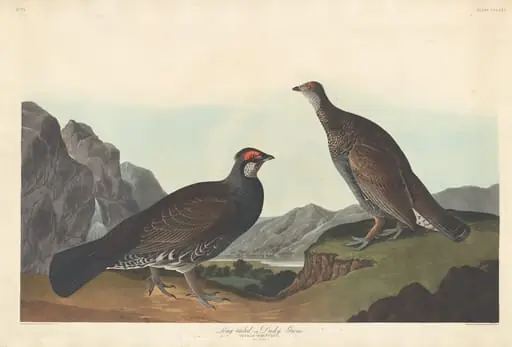 Long-tailed or Dusky Grous
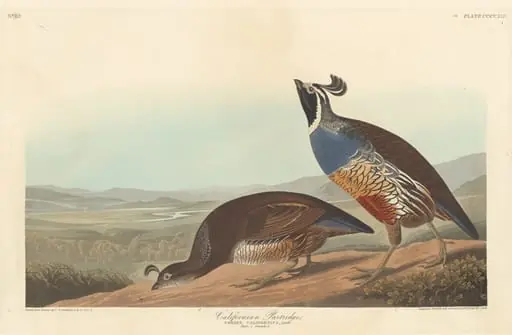 Californian Partridge