Artwork
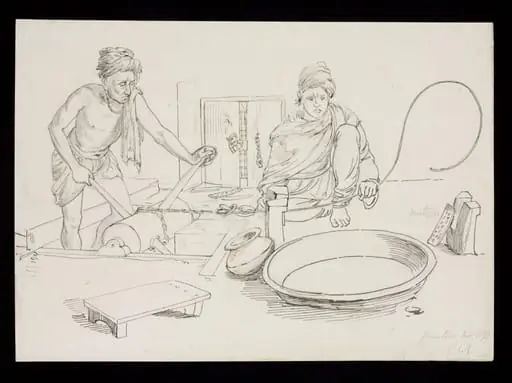
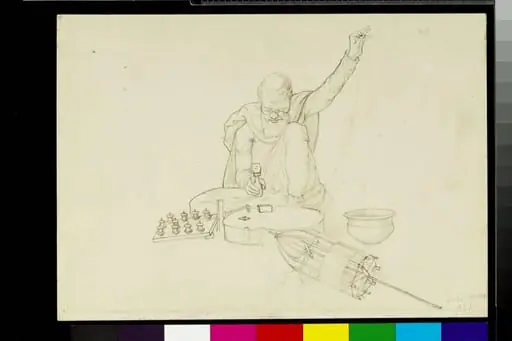
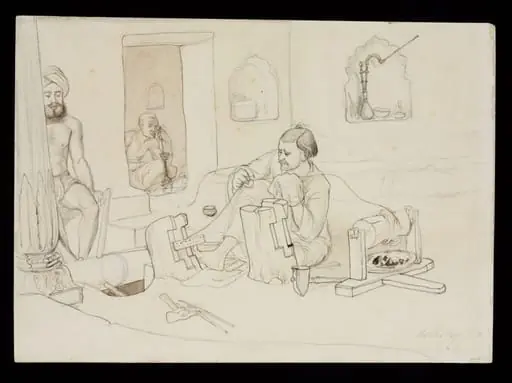
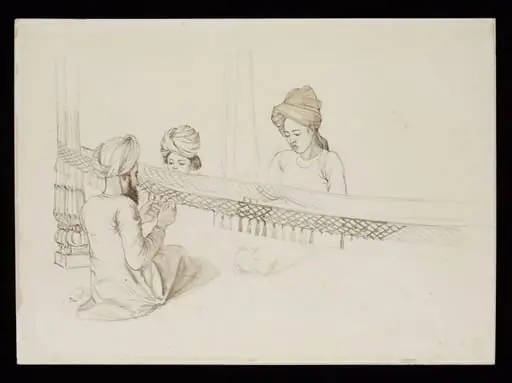
A man making a gold fringe
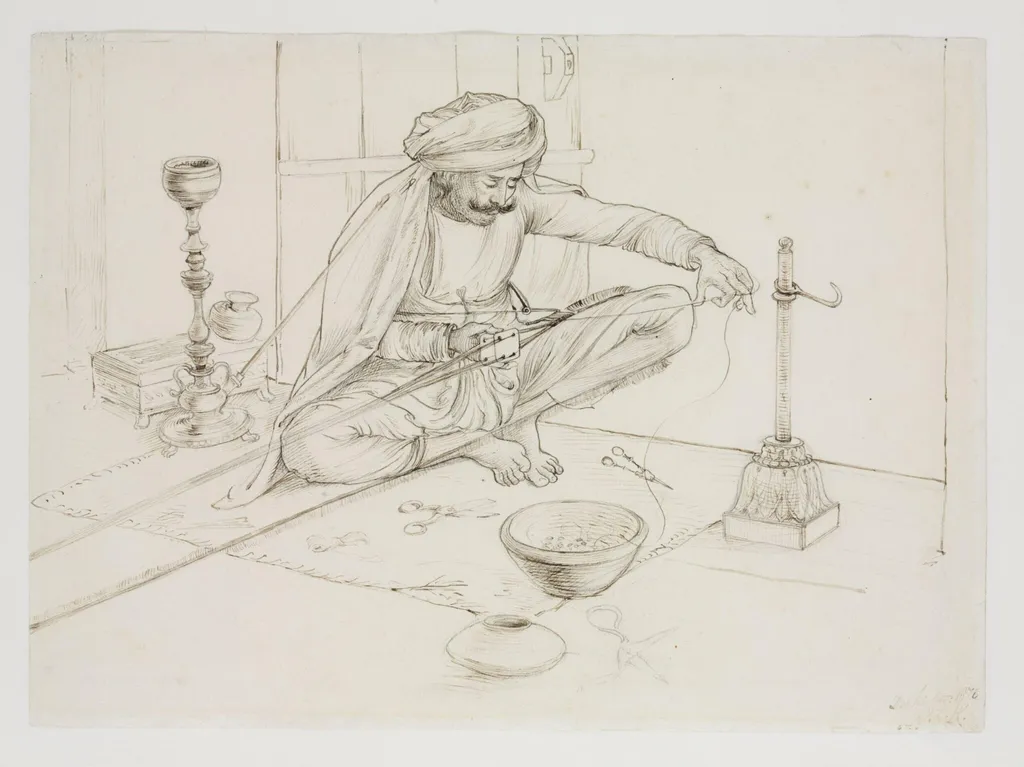
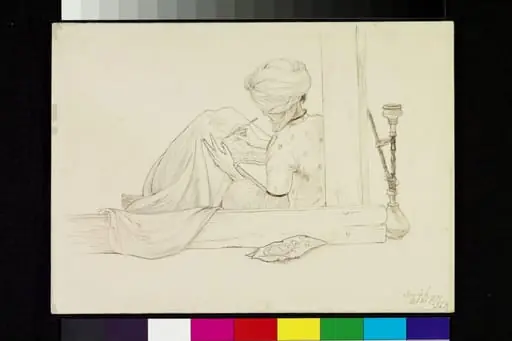
A man making a gold fringe is a drawing by the Impressionist artist John Lockwood Kipling. It dates from 1870 and is held in the collection of the Victoria and Albert Museum.
About this work
He also taught at the Sir Jamsetjee Jeejeebhoy School of Art and Industry in Bombay, where he later became Principal.
This drawing is titled "A man making a gold fringe". It's a work by John Lockwood Kipling from 1870.
John Lockwood Kipling was involved in the decoration of the Victoria and Albert Museum. He also taught at the Sir Jamsetjee Jeejeebhoy School of Art and Industry in Bombay, where he later became Principal.
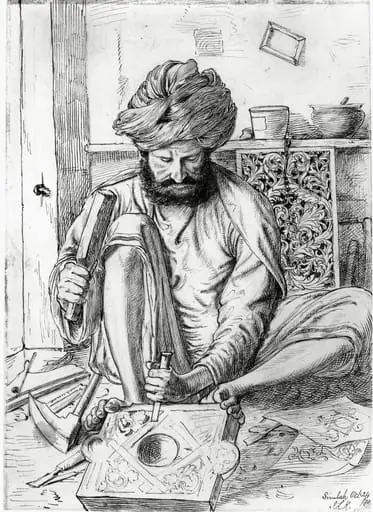
You can learn more about the techniques used in this drawing by looking up the technique of cross-hatching.
Overview
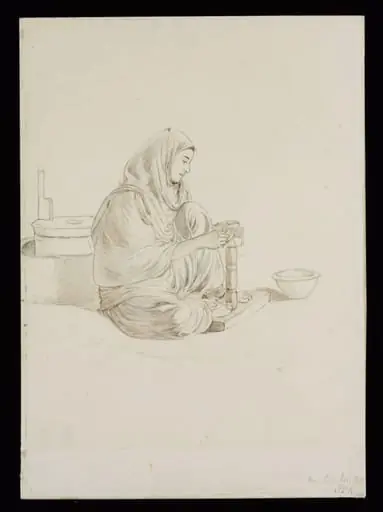
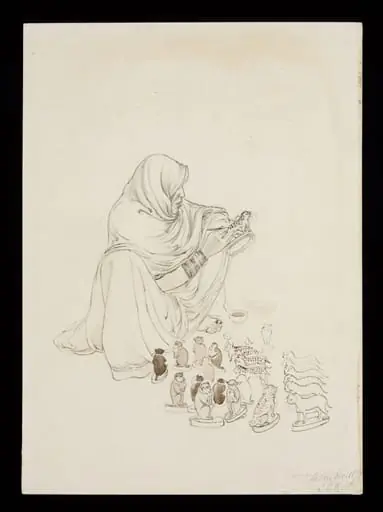
A man making a gold fringe is an 1870 drawing by John Lockwood Kipling, created during his government-commissioned tour of the North-West Provinces in India. The work depicts a craftsman at work, highlighting Kipling's interest in documenting traditional Indian crafts.
Subject & Meaning
The drawing focuses on a gold fringe maker, emphasizing the preservation of traditional Indian craftsmanship. This aligns with Kipling's efforts to promote such arts, which were facing decline due to European imports.
Technique & Style
The drawing utilizes cross-hatching, a technique characteristic of Kipling's work, to achieve detailed, textured representations of the craftsman's tools and the fringe itself.
History & Provenance
Commissioned by the government in 1870, the drawing was made in Delhi during Kipling's tour. Its current location and full provenance are not specified here, though it is associated with Kipling's time in India as an educator and crafts promoter.
Context
Created amidst the British Empire's expansion in India, the piece reflects Kipling's dual role as a British educator and an advocate for Indian traditional arts, navigating the complexities of cultural preservation under colonial rule.
Legacy
While specific legacy details of this piece are not provided, it contributes to the broader historical record of Indian crafts during the late 19th century, reflecting Kipling's influence in promoting these arts both in India and, by extension, in British cultural institutions.
Artist & collection
Artist
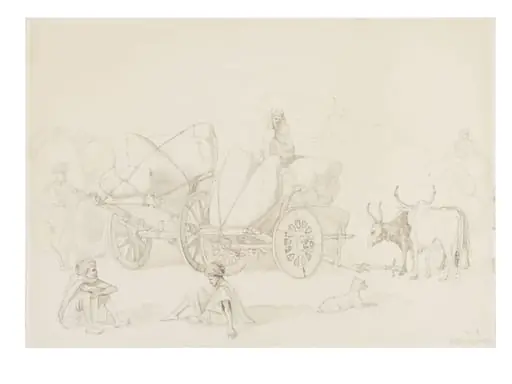
John Lockwood Kipling filled sketchbooks with the daily life he saw around him in British India, drawing craftsmen at work, farmers at market, and seed planters in fields.