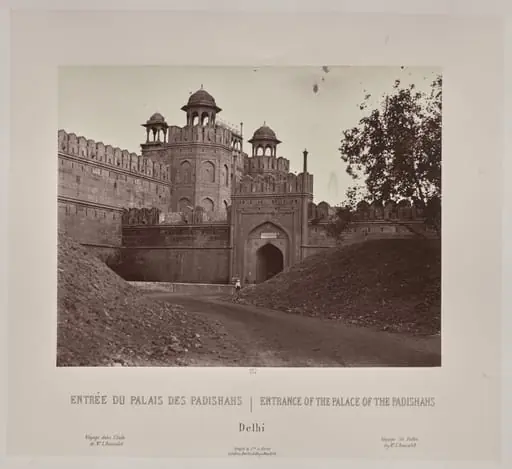
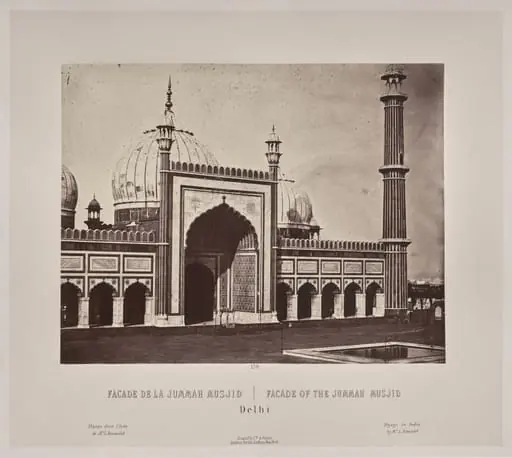
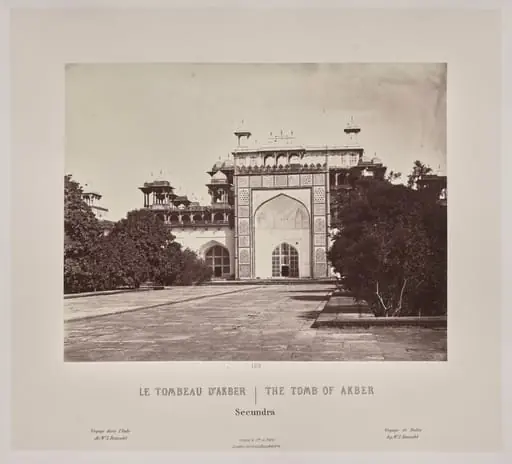
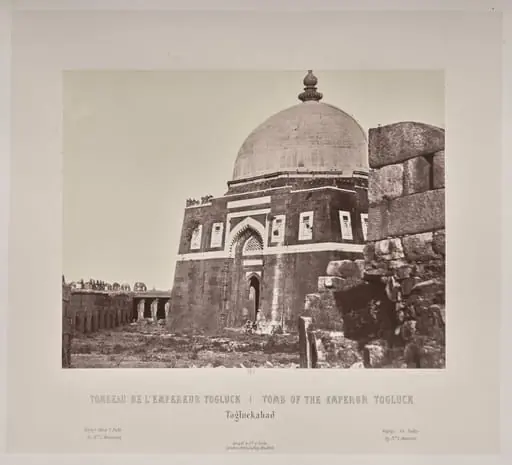
Artwork
Buktawur's Tank, Ulwur
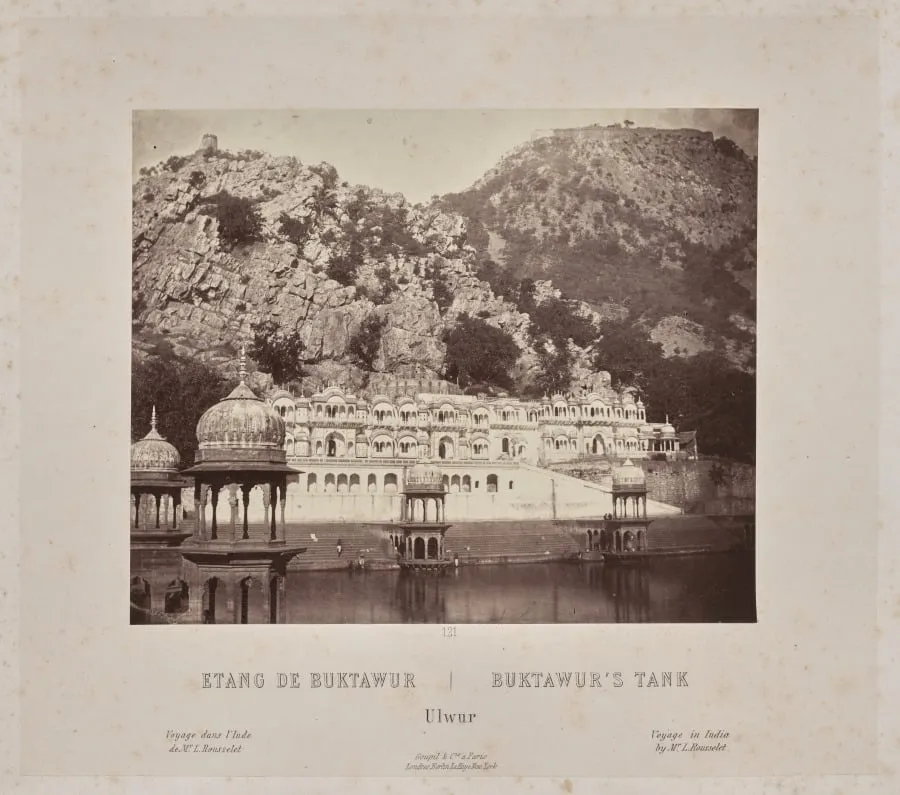
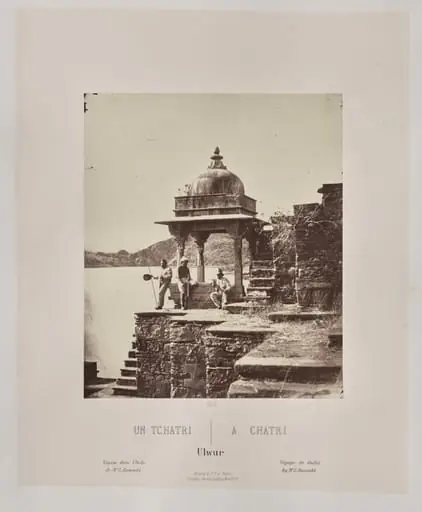
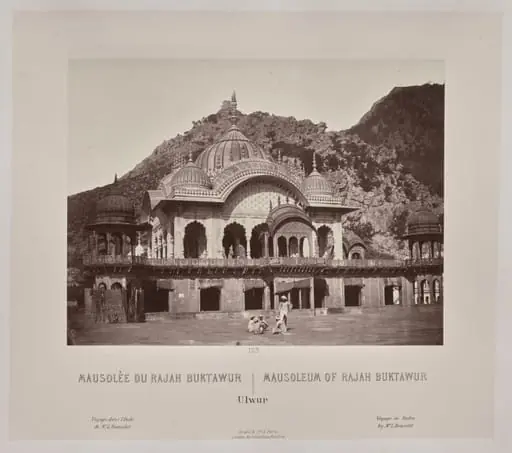
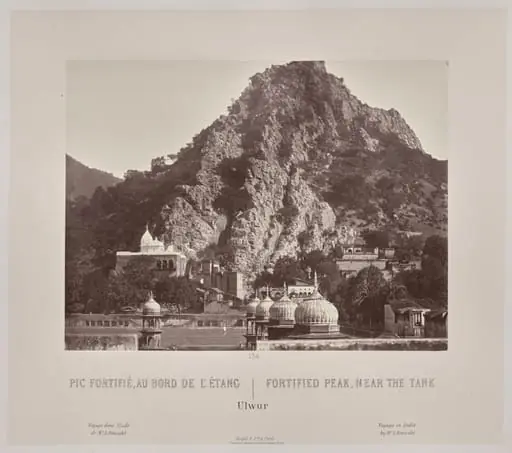
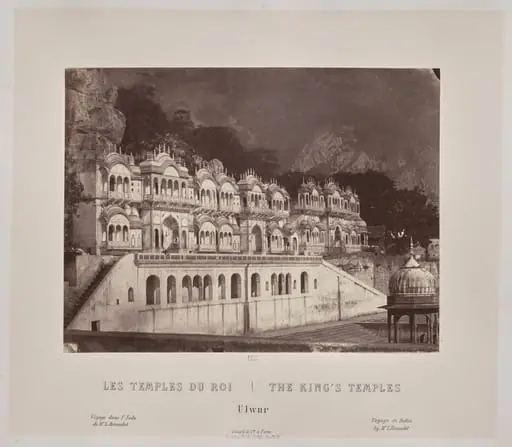
Buktawur's Tank, Ulwur is a photography by the Impressionist artist Louis-Théophile Marie Rousselet. It dates from 1866 and is held in the collection of the Cleveland Museum of Art.
About this work
Overview
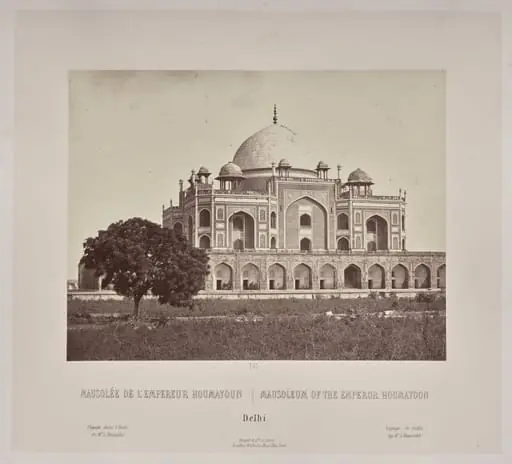
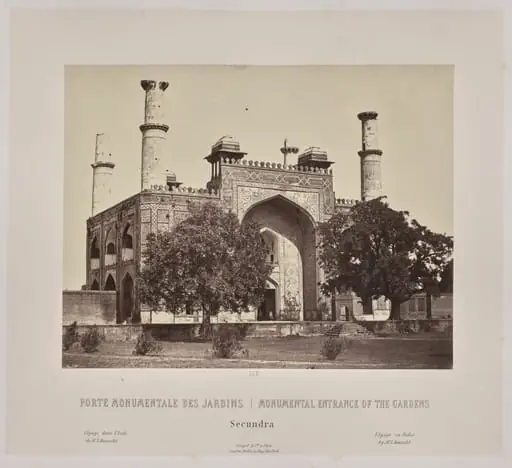
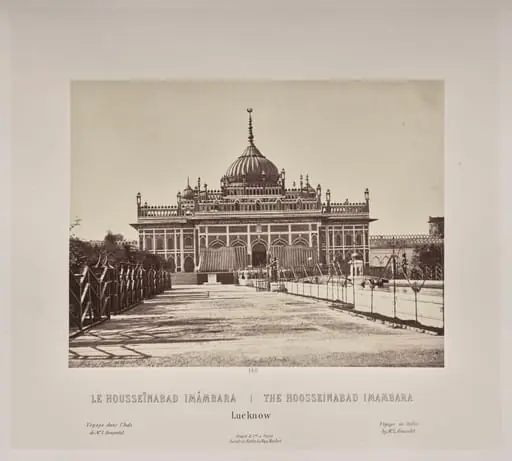
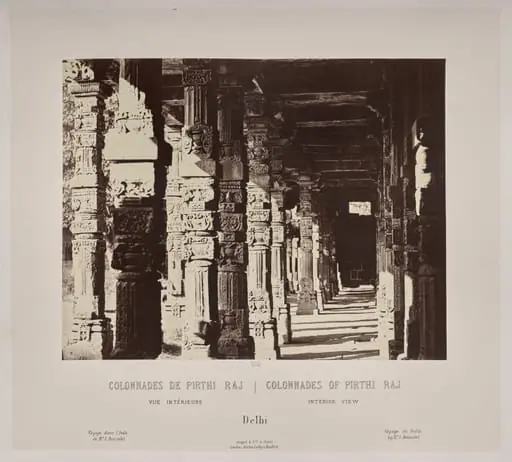
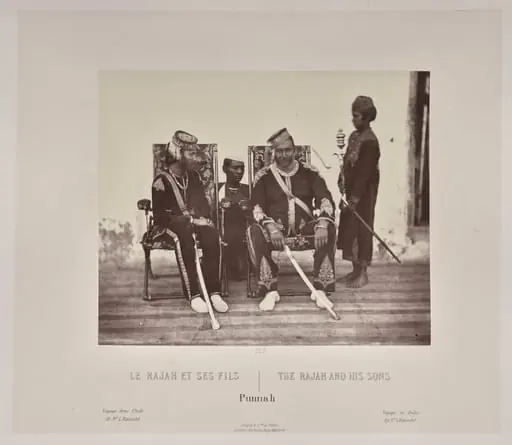
Taken during Charles Rousselet’s travels in northern India in the 1860s, this photograph captures a stone water tank within a historic fort complex. Originally a sketch artist, Rousselet taught himself photography to better record architectural detail. The image reflects his shift from drawing to lens-based documentation, emphasizing natural light and quiet composition over staged grandeur.
Subject & Meaning
The tank, part of a fortified structure, is framed without human figures or ceremonial context. Its still water and weathered stonework suggest time’s quiet passage. The absence of overt symbolism invites contemplation of the site’s daily use and enduring presence, contrasting with more monumental depictions of Indian heritage common at the time.
Technique & Style
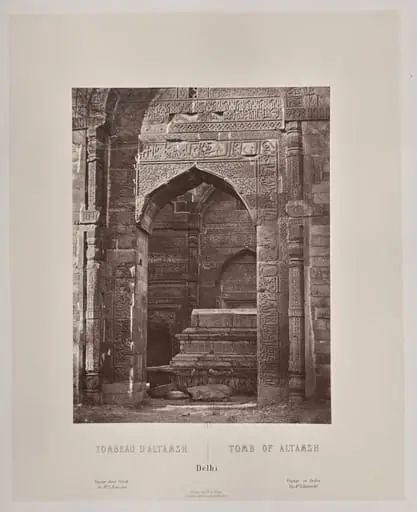
Rousselet employed natural light to highlight textures in the carved arches and ripples on the water’s surface. His composition avoids symmetry or dramatic angles, favoring subtle chiaroscuro effects. The photograph’s intimacy stems from its unposed quality, as if capturing a momentary interplay between architecture and sunlight.
History & Provenance
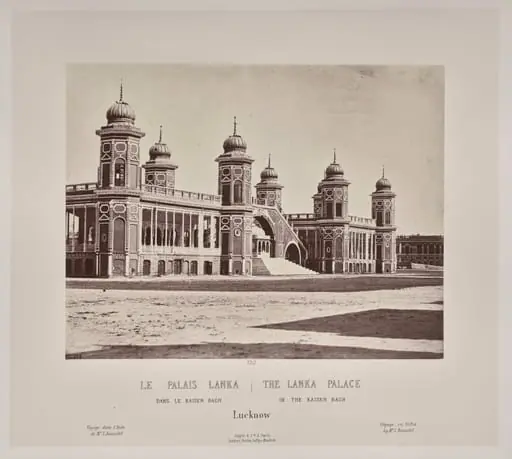
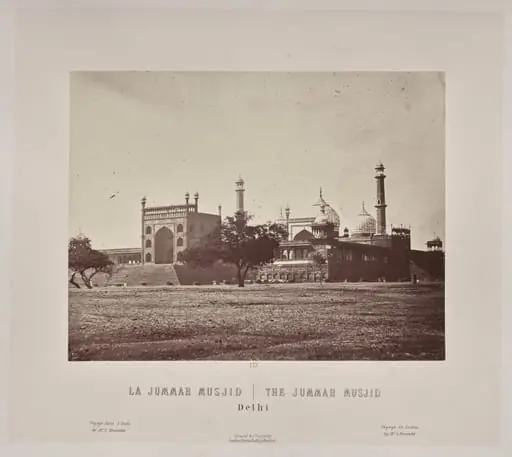
Rousselet produced this image during an extended journey through northern India, where he documented sites associated with Sultanate, Rajput, and Mughal rule. He learned photography on-site, adapting his method to the region’s conditions. The photograph was later included in a published album of his Indian travels, preserving a record of lesser-known architectural features.
Context
In the 1860s, European travelers often portrayed Indian monuments as relics of a bygone era. Rousselet’s approach diverged by focusing on ordinary architectural elements—like functional water tanks—rather than grand palaces or temples. His work reflects a growing interest in vernacular structures and the daily life embedded within historic spaces.
Legacy
Rousselet’s photographs contributed to a more nuanced visual record of India’s built environment, moving beyond exoticism toward observational accuracy. His use of photography as a tool for architectural documentation influenced later ethnographic and archaeological surveys in South Asia, establishing a precedent for detail-oriented field recording.
Artist & collection
Artist
Louis-Théophile Marie Rousselet
Louis-Théophile Marie Rousselet (1845–1929) was a French artist.