Artwork
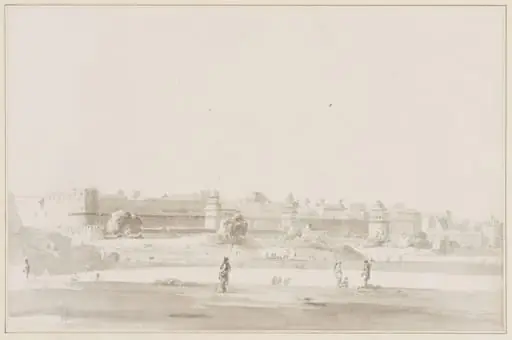
The Fortress, Togluckabad
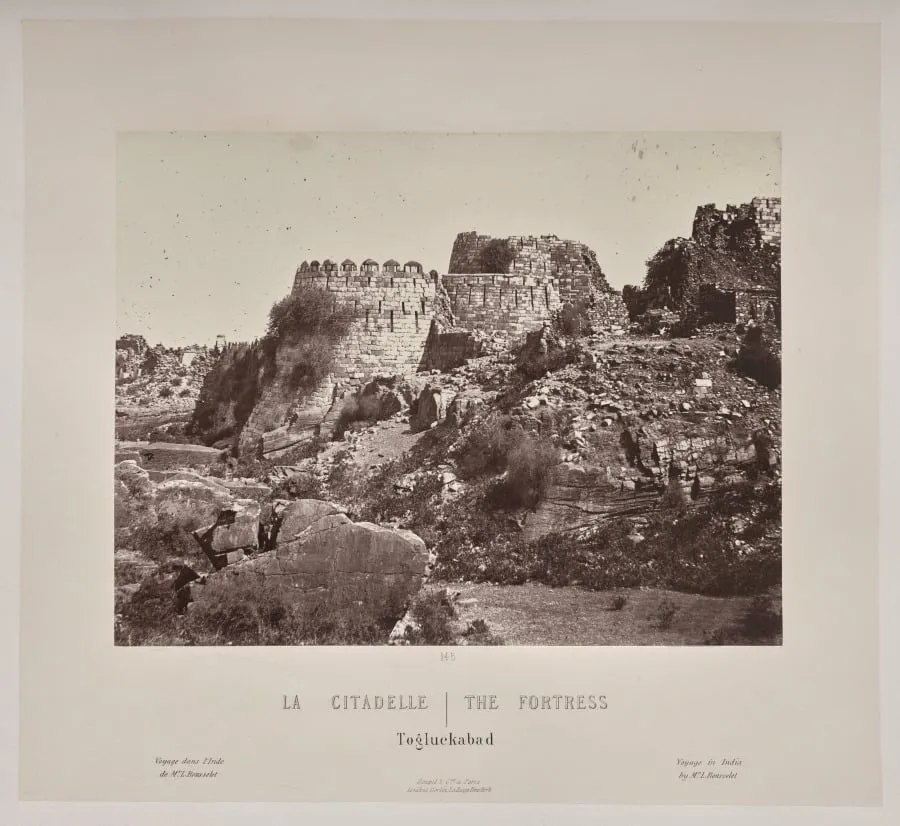
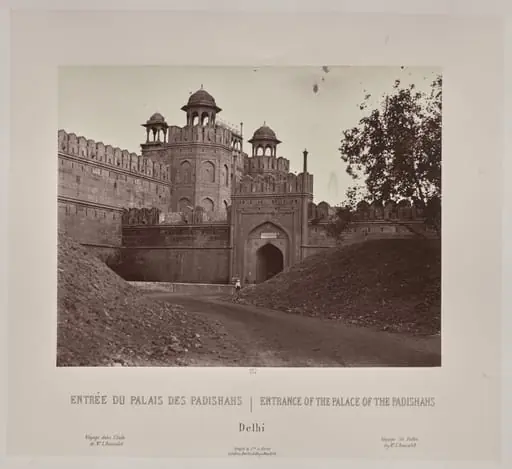
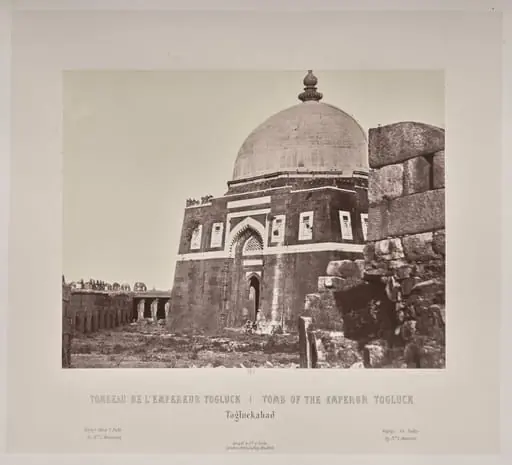
The Fortress, Togluckabad is a photography by the Impressionist artist Louis-Théophile Marie Rousselet. It dates from 1866 and is held in the collection of the Cleveland Museum of Art. Taken in northern India during the 1860s, this photograph captures the ruins of Togluckabad Fortress.
About this work
You see a crumbling stone fortress under a pale sky, its towers worn by time.
Rousselet drew this while traveling in India, but he wasn’t happy with his sketches. So he taught himself photography there—something few Europeans did in the 1860s. The lines in this drawing feel sharp, almost like a photo.
If you like quiet ruins, look up the subject “france, 19th century.”
Overview
At a time when few Europeans in India practiced photography, his technical initiative marked a significant personal and artistic shift.
Taken in northern India during the 1860s, this photograph captures the ruins of Togluckabad Fortress. The image emerged from Louis Rousselet’s decision to abandon drawing in favor of photography after finding his sketches inadequate to convey the scale and texture of Indian architecture. At a time when few Europeans in India practiced photography, his technical initiative marked a significant personal and artistic shift.
Subject & Meaning
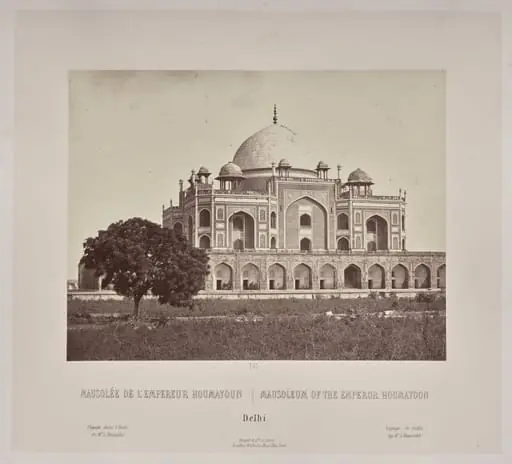
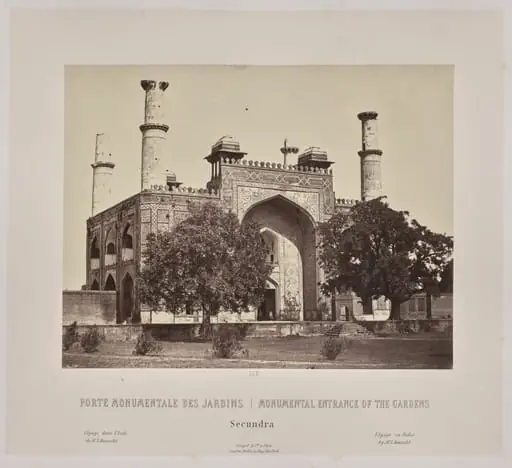
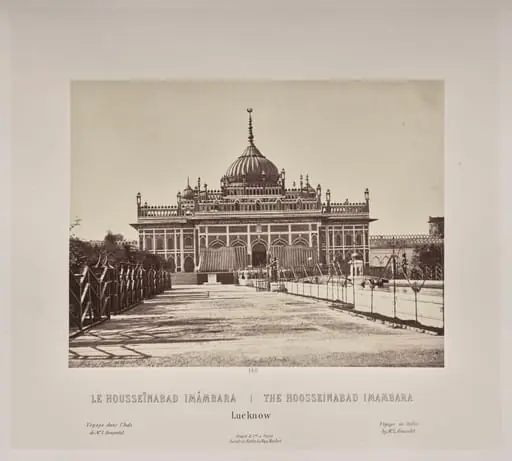
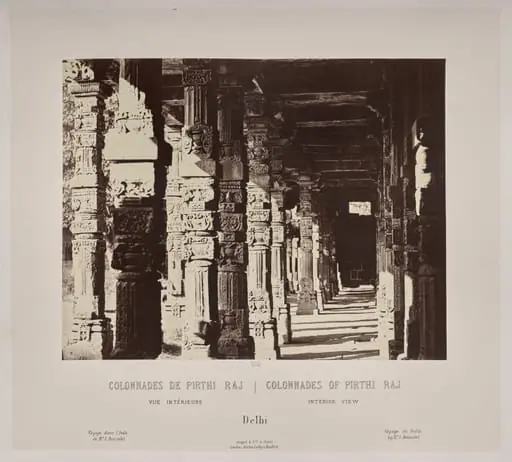
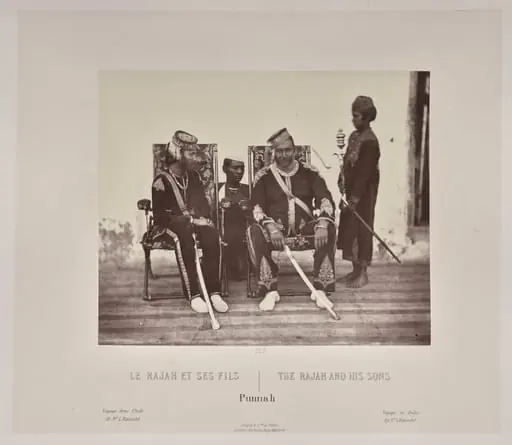
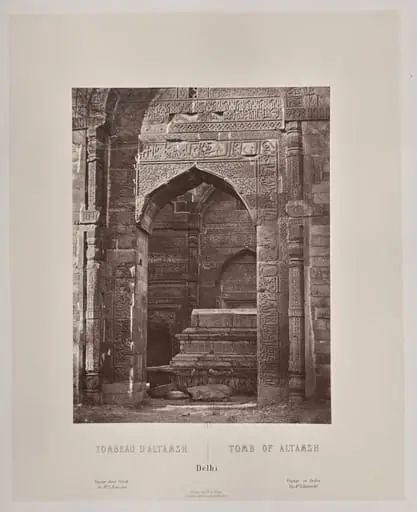
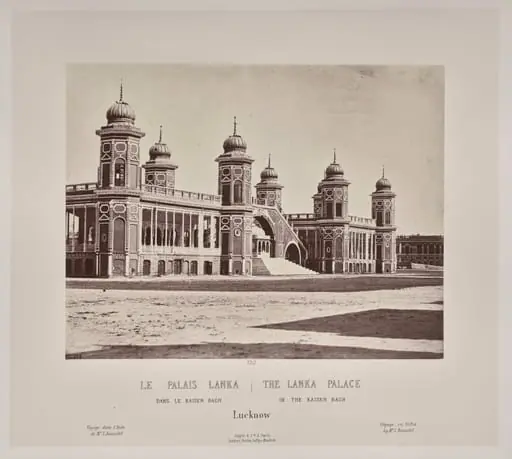
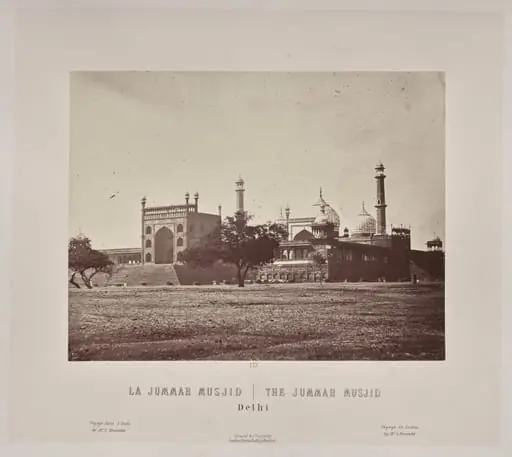
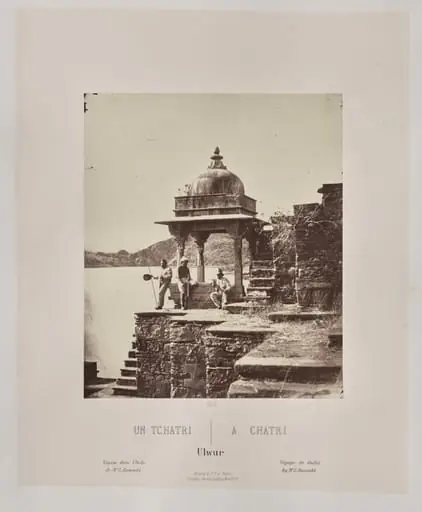
The photograph depicts a decaying stone fortress, its towers softened by centuries of weather and neglect. It belongs to a broader series documenting sites of historical power across the Sultanate, Rajput, and Mughal traditions—from Varanasi to Alwar. Beyond architecture, the collection includes portraits of local rulers and scenes of industry, framing the landscape as both cultural relic and living environment.
Technique & Style
Rousselet’s composition emphasizes structural weight and atmospheric stillness. The pale sky contrasts with the weathered stonework, drawing attention to erosion and time’s imprint. His use of sharp tonal contrasts and careful framing suggests a deliberate move toward photographic precision, replacing the interpretive looseness of his earlier drawings with a more documentary clarity.
History & Provenance
Created during Rousselet’s extended travels in India between 1863 and 1868, the photograph was part of a personal project to document monuments he felt he could not adequately render by hand. He learned photography on-site, acquiring equipment and mastering the wet-plate process in challenging conditions. The resulting images were later compiled into a published volume, preserving a rare visual record of mid-19th-century Indian heritage.
Context
In the 1860s, European travelers to India often relied on sketches or commissioned illustrations. Rousselet’s adoption of photography was unusual, reflecting both technological curiosity and a desire for fidelity. His work coincided with growing colonial interest in cataloging India’s past, though his focus remained on aesthetic and historical resonance rather than imperial narrative.
Legacy
Rousselet’s photographs of Togluckabad and other sites contributed to an early visual archive of India’s architectural heritage. His technical self-reliance and compositional discipline influenced later travelers and ethnographers. Though not widely exhibited in his lifetime, his images remain valuable for their unembellished record of structures now further altered by time and neglect.
Artist & collection
Artist
Louis-Théophile Marie Rousselet
Louis-Théophile Marie Rousselet (1845–1929) was a French artist.