Artwork
The Ghat of Vishnoo Pud, Bénarès
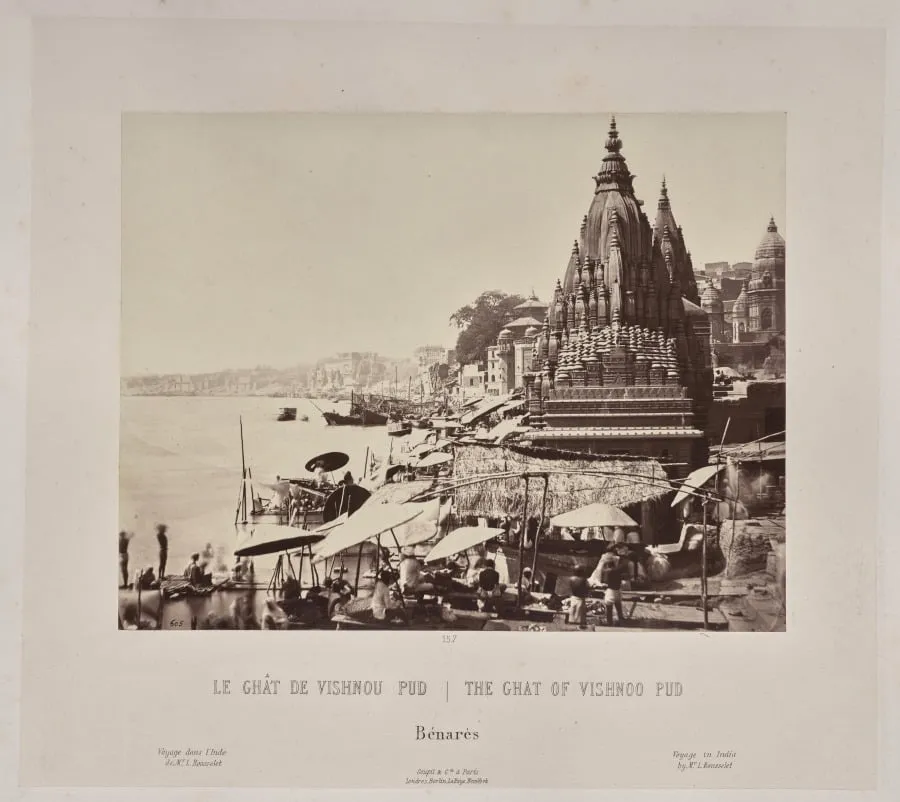
The Ghat of Vishnoo Pud, Bénarès is a photography by the Impressionist artist Louis-Théophile Marie Rousselet. It dates from 1866 and is held in the collection of the Cleveland Museum of Art.
About this work
You see stone steps leading down to the Ganges River, crowded with people bathing, praying, and washing clothes at dawn.
You see stone steps leading down to the Ganges River, crowded with people bathing, praying, and washing clothes at dawn.
Rousselet drew this scene while traveling in India—one of the first French artists to work there. He later learned photography to better record what he saw, blending drawing and early photos in his books.
For more of his India sketches, look up Louis-Théophile Marie Rousselet (French, 1845–1929).
Overview
The photograph captures the stone steps of Varanasi’s ghats descending into the Ganges at daybreak, where a multitude of figures engage in bathing, prayer, and laundry. The composition frames the bustling riverbank, highlighting the interplay of light on water and stone while conveying the ritual vitality of this sacred Hindu site.
Subject & Meaning
Depicting the daily rites along the Ganges, the image reflects the spiritual and communal functions of the ghats, where devotees cleanse themselves and perform offerings. The convergence of ritual bathing and domestic chores illustrates the river’s role as both a holy conduit and a practical resource for the city’s inhabitants.
Technique & Style
Taken by Louis‑Théophile Marie Rousselet after he adopted photography in India, the work demonstrates a careful balance of composition and detail, echoing his background as a draughtsman. The photograph’s clear tonal contrasts and structured framing reveal a methodical approach that bridges his earlier sketches with emerging photographic practices.
History & Provenance
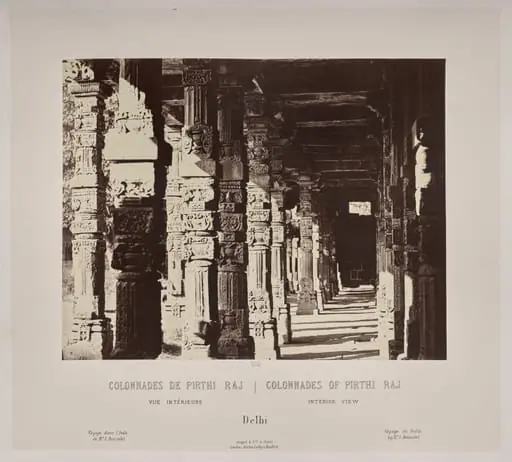
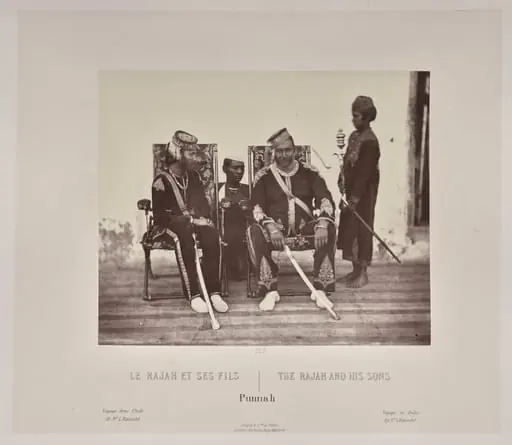
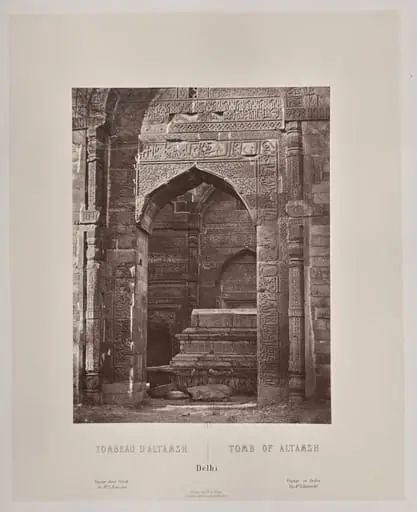
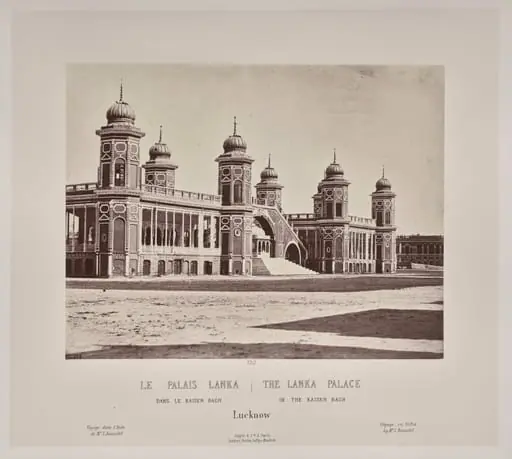
Rousselet, a French artist active in the late 19th century, initially recorded Indian monuments through drawing, later turning to photography to achieve greater fidelity. This image forms part of a broader series documenting sites from Varanasi to Alwar, encompassing Sultanate, Rajput, and Mughal architecture, as well as industrial scenes and portraits of local rulers.
Context
Created during a period when European artists sought more accurate visual records of colonial territories, the photograph exemplifies early cross‑cultural documentation. Rousselet’s work contributed to a growing visual archive of northern India’s religious, political, and economic landscapes, offering contemporary viewers insight into the region’s diversity at the time.
Artist & collection
Artist
Louis-Théophile Marie Rousselet
Louis-Théophile Marie Rousselet (1845–1929) was a French artist.

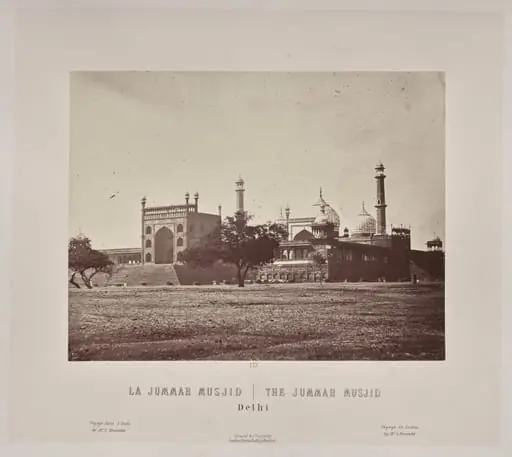
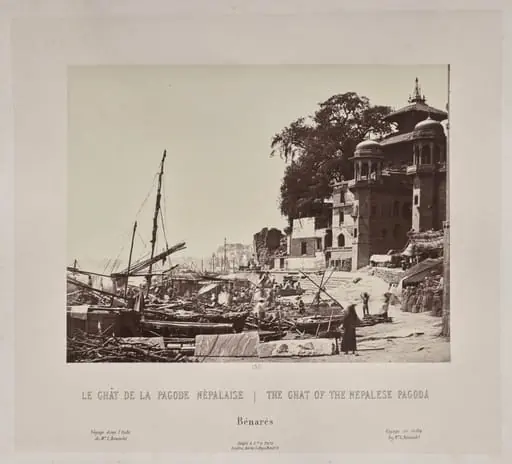 The Ghat of the Nepalese Pagoda, Bénarès
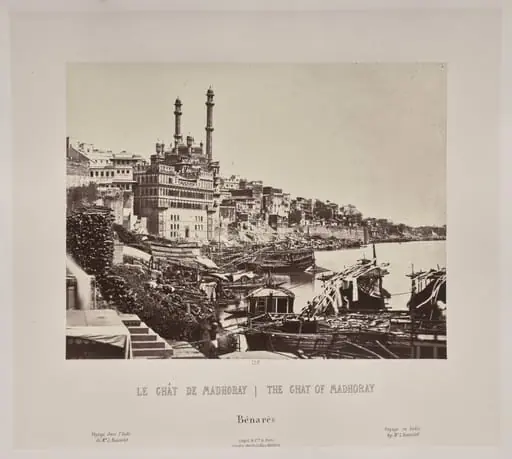 The Ghat of Madhoray, Bénarès
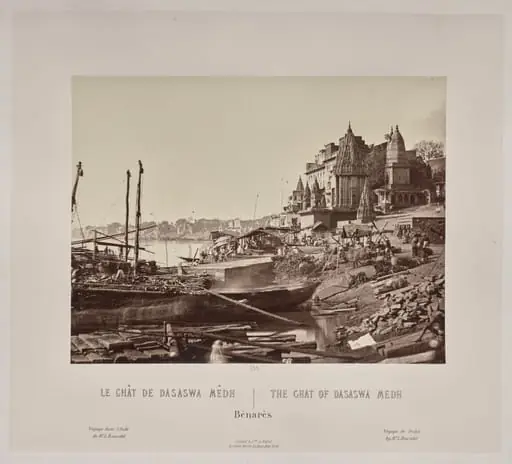 The Ghat of Dasaswa Medh, Bénarès
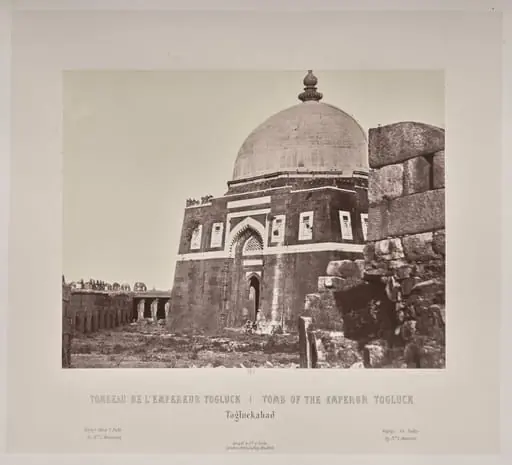 Tomb of the Emperor Togluck, Togluckabad
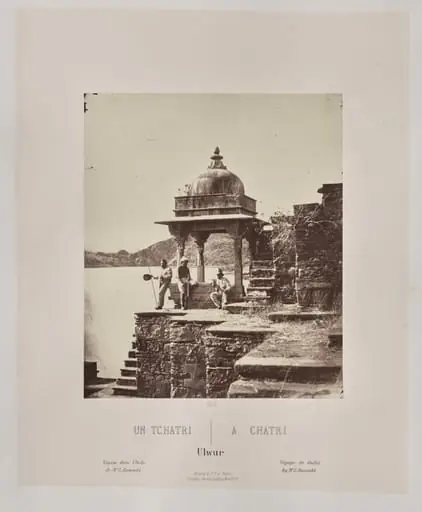 A Chatri, Ulwur
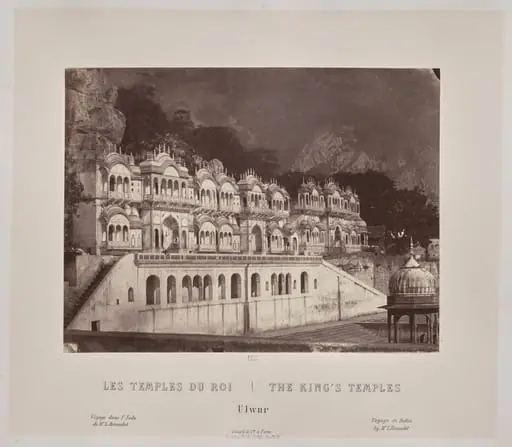 The King's Temples, Ulwur
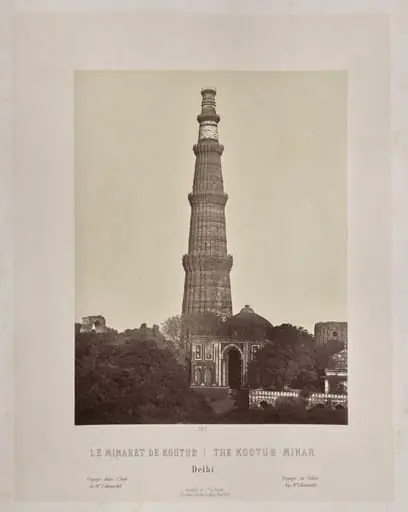 The Kootub Minar, Delhi
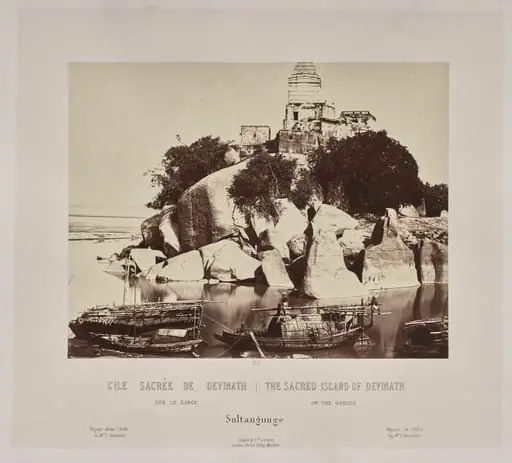 The Sacred Island of Devinath on the Ganges, Sultangunge
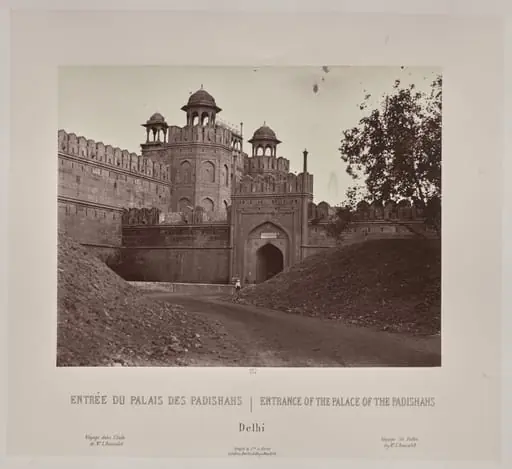 Entrance of the Palace of the Padishahs, Delhi