Artwork
Winter
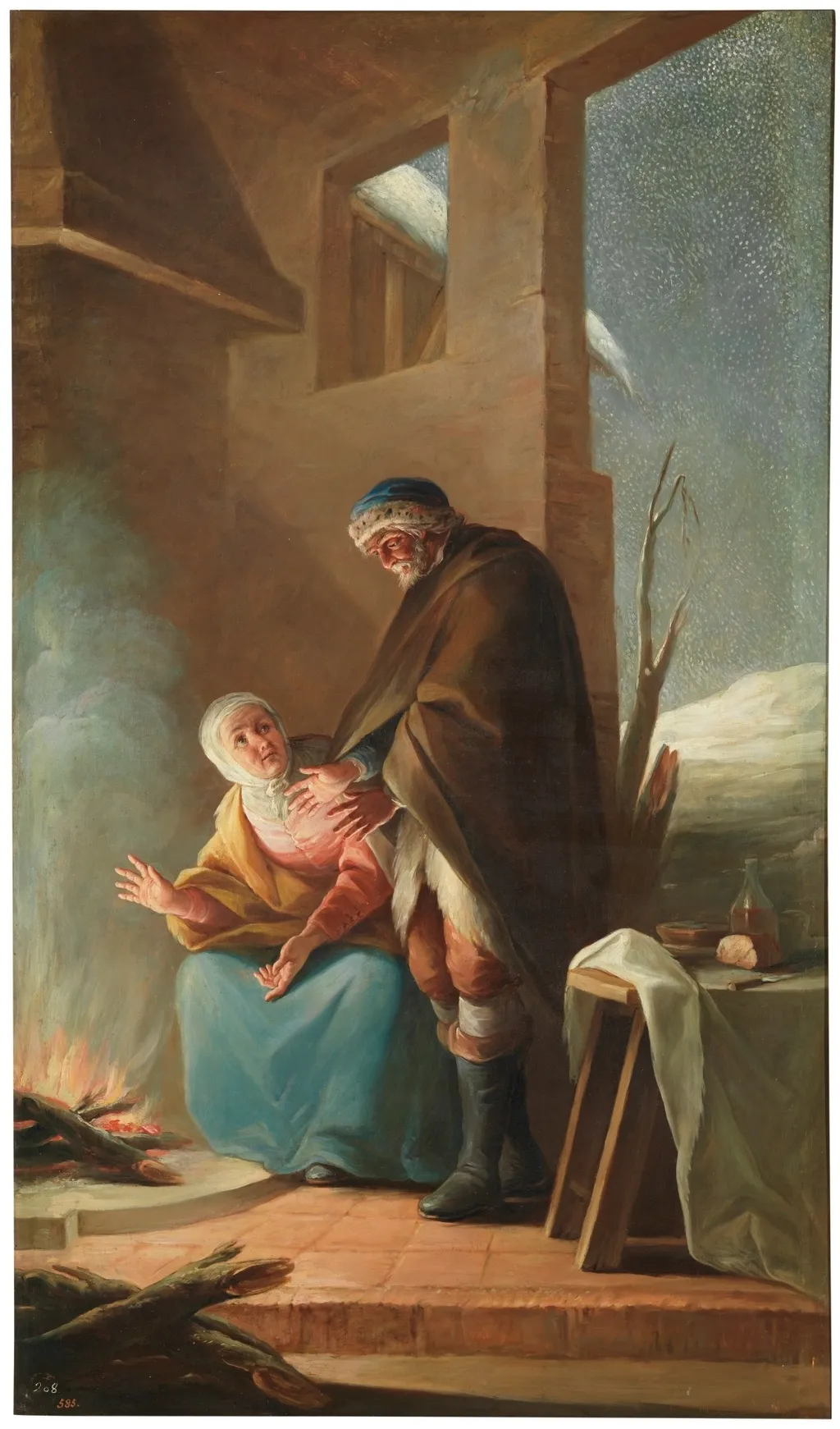
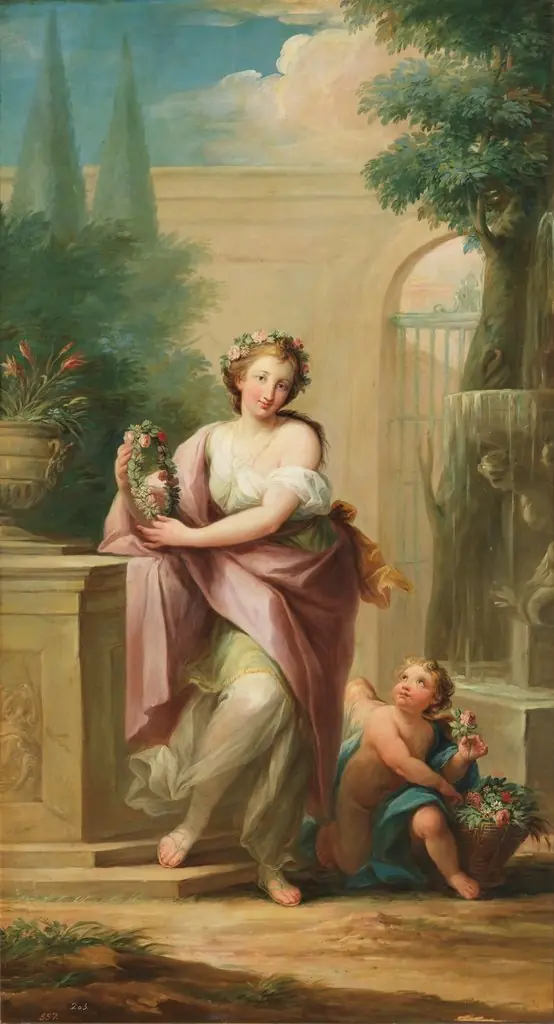
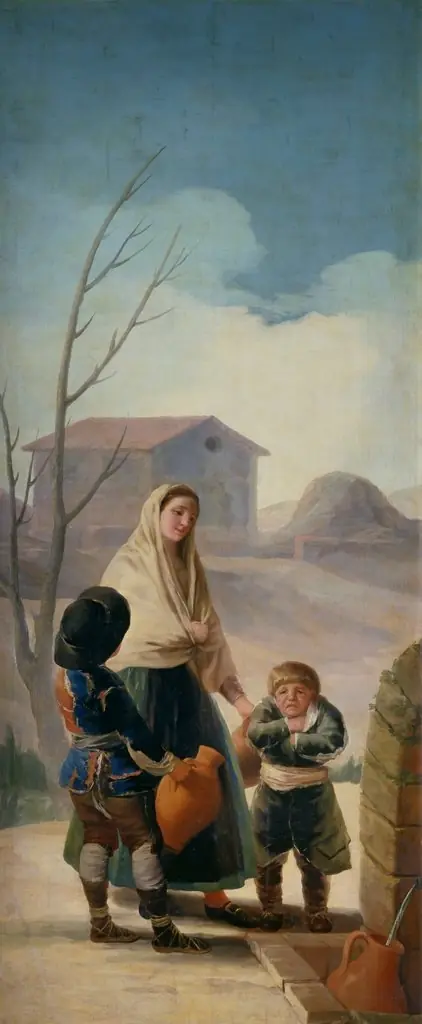
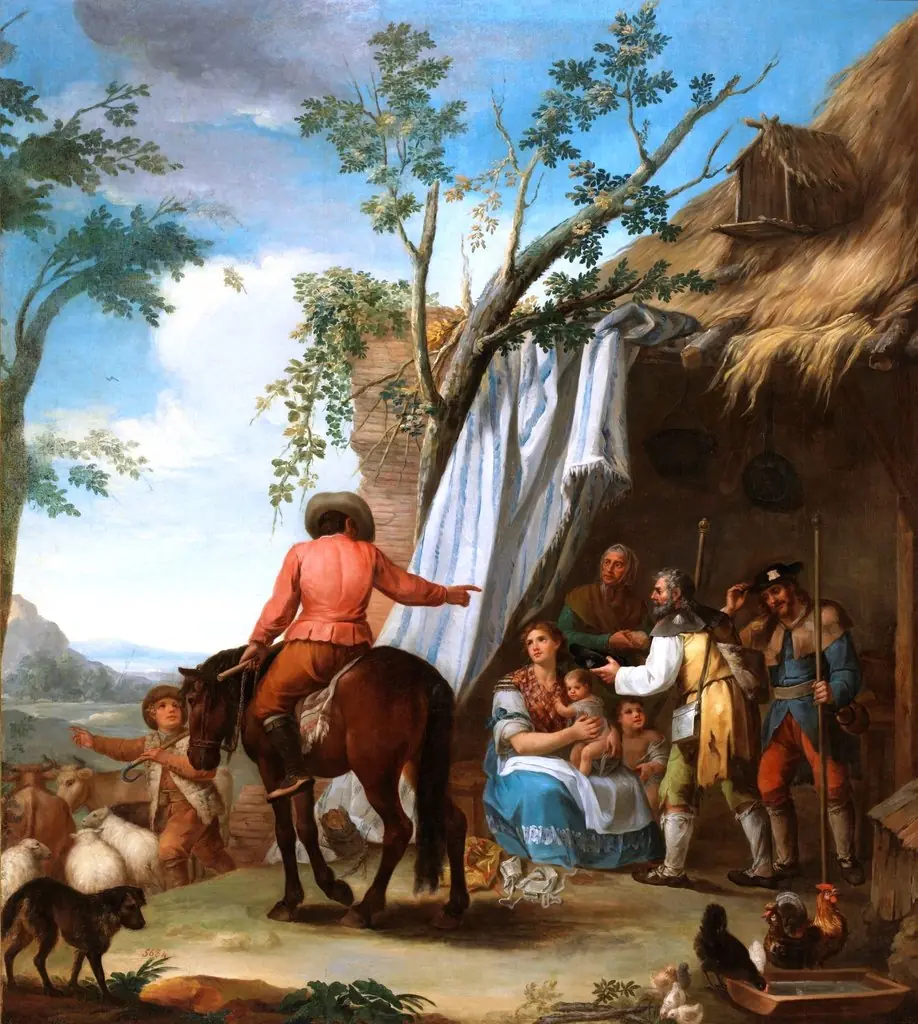
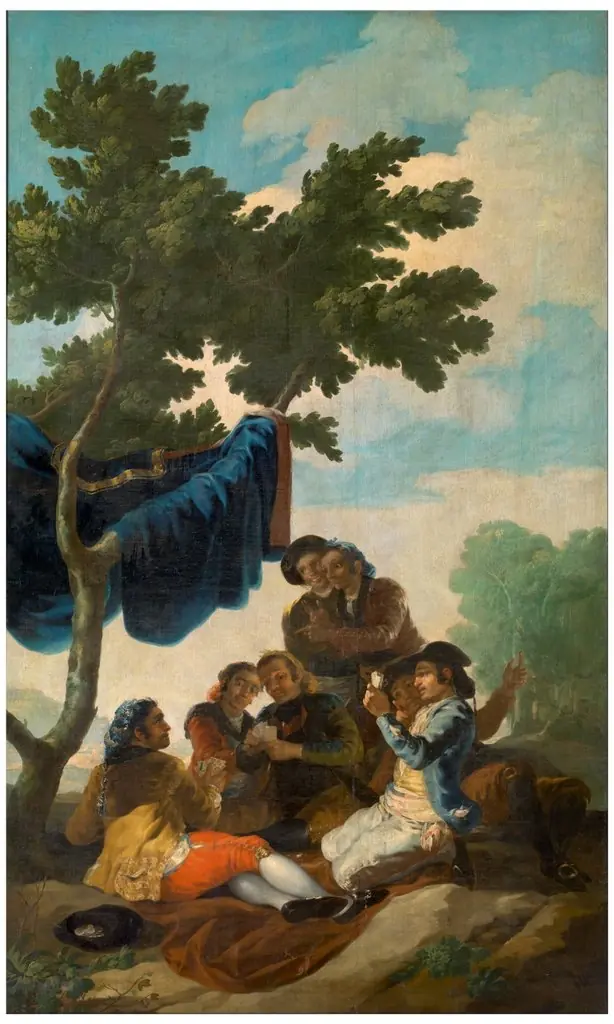
Winter is an oil painting by Mariano Salvador Maella. It dates from 1805 and is held in the collection of the Museo del Prado.
About this work
Overview
Maella, appointed court painter to King Charles IV in 1774, was known for his Neoclassical approach to portraiture and religious subjects.
Created in 1805 by Spanish artist Mariano Salvador Maella, *Winter* is an oil-on-canvas painting held in the Museo del Prado. Maella, appointed court painter to King Charles IV in 1774, was known for his Neoclassical approach to portraiture and religious subjects. This work diverges from his typical formal commissions, offering a quiet domestic scene rendered with restrained emotion and careful attention to light and texture.
Subject & Meaning
The painting portrays a man and woman in an interior space, the woman seated with a child in her arms, the man standing beside her, bearded and gazing downward. Their postures suggest tenderness and quiet vigilance. The presence of a fire and the dim room imply a shelter from winter’s chill, transforming the season into a moment of intimate stillness rather than hardship. The scene evokes familial warmth without overt symbolism, grounding the viewer in a private, unidealized moment.
Technique & Style
Maella employs oil paint to capture subtle shifts in light, with the hearth’s glow casting soft highlights on skin and fabric while leaving the rest of the room in muted shadow. The figures are rendered with precise, controlled brushwork, typical of his Neoclassical training, yet the composition avoids rigidity. Textures of wool, linen, and wood are suggested rather than detailed, emphasizing atmosphere over ornamentation. The palette is limited, dominated by earth tones and the cool blue of the woman’s dress.
History & Provenance
The painting entered the Museo del Prado’s collection as part of the Spanish royal holdings, likely acquired during Maella’s tenure as court painter. Though not among his most publicly celebrated works, it reflects the private commissions and domestic themes that occasionally emerged alongside his official portraits and religious murals. Its survival and preservation suggest it was valued within royal circles, even if it never achieved widespread public recognition.
Context
In early 19th-century Spain, Neoclassicism dominated official art, favoring idealized forms and historical or mythological subjects. Maella’s *Winter* stands apart as a quiet departure—focusing on ordinary life rather than grand narrative. This shift may reflect broader cultural interests in domestic virtue and emotional restraint, themes gaining traction in Enlightenment-influenced Spanish society, even as political turmoil loomed.
Legacy
While Maella is primarily remembered for his royal portraits and ecclesiastical frescoes, *Winter* offers insight into his capacity for understated narrative. The painting contributes to a lesser-known strand of Spanish art that valued intimate, everyday scenes. It remains a quiet reference point for scholars examining how Neoclassical artists adapted their style to personal, non-monumental subjects during a period of social transition.
Artist & collection
Artist
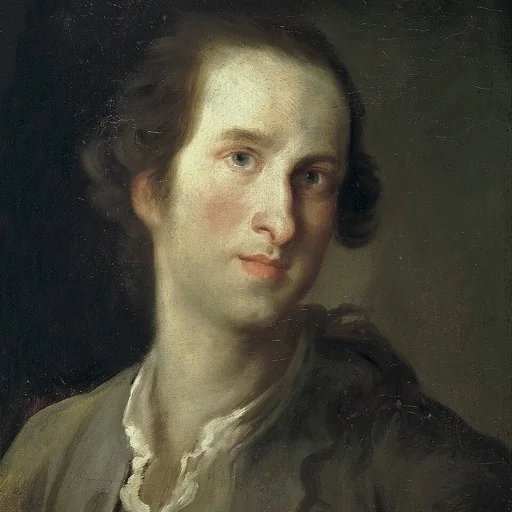
Mariano Salvador Maella Pérez (21 August 1739 – 10 May 1819) was a Spanish painter known primarily for his portraits and religious frescoes.